

Logistics

On the night of July 19, 2026, a massive missile attack severely damaged the Ekol Logistics distribution center located in the AMTEL logistics complex.
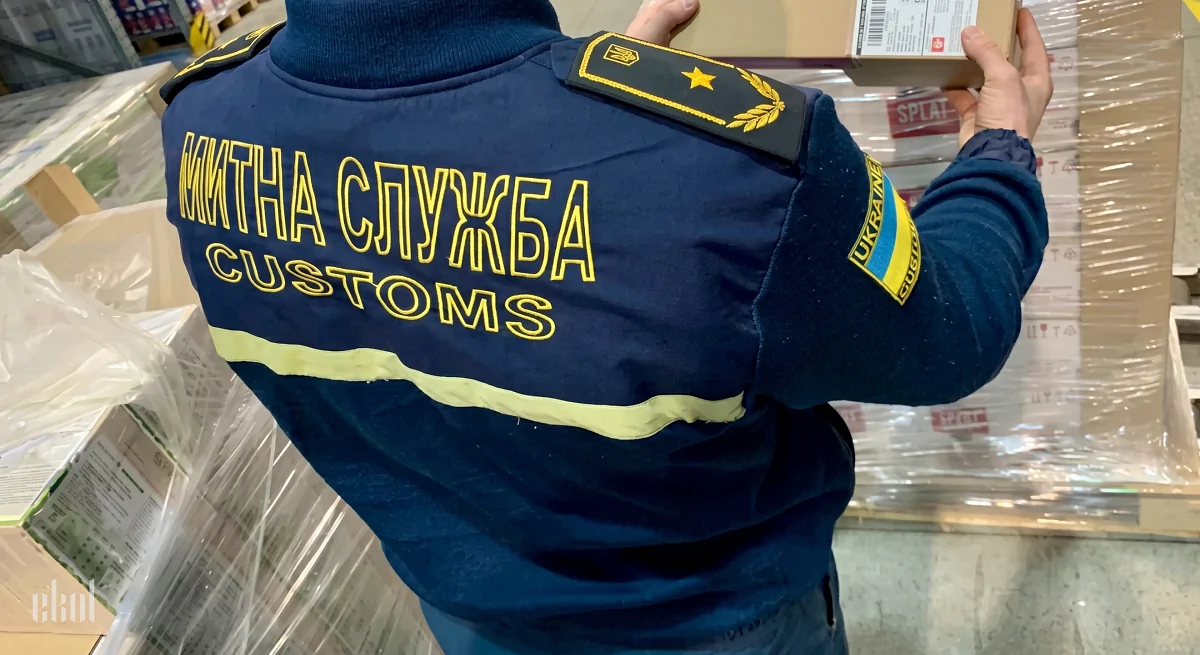
The changes for Ukrainian exporters in 2026 concern not only export clearance procedures but also the organization of shipments to EU countries.
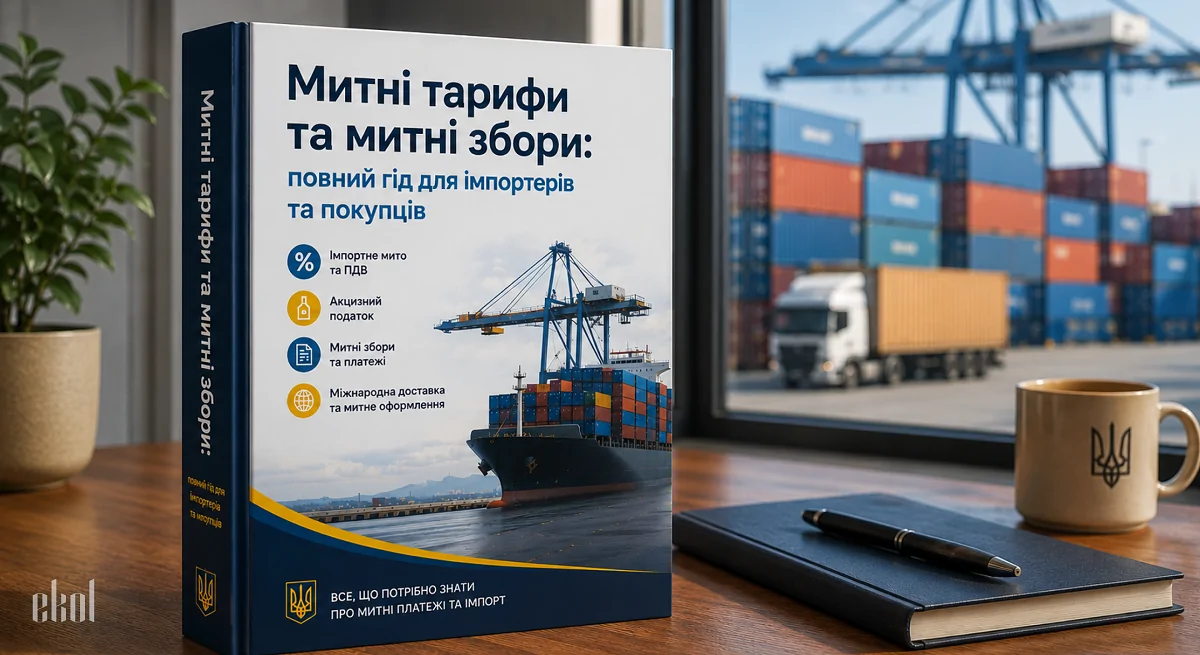
If you order goods from abroad or import a commercial batch of products, customs payments are unavoidable.
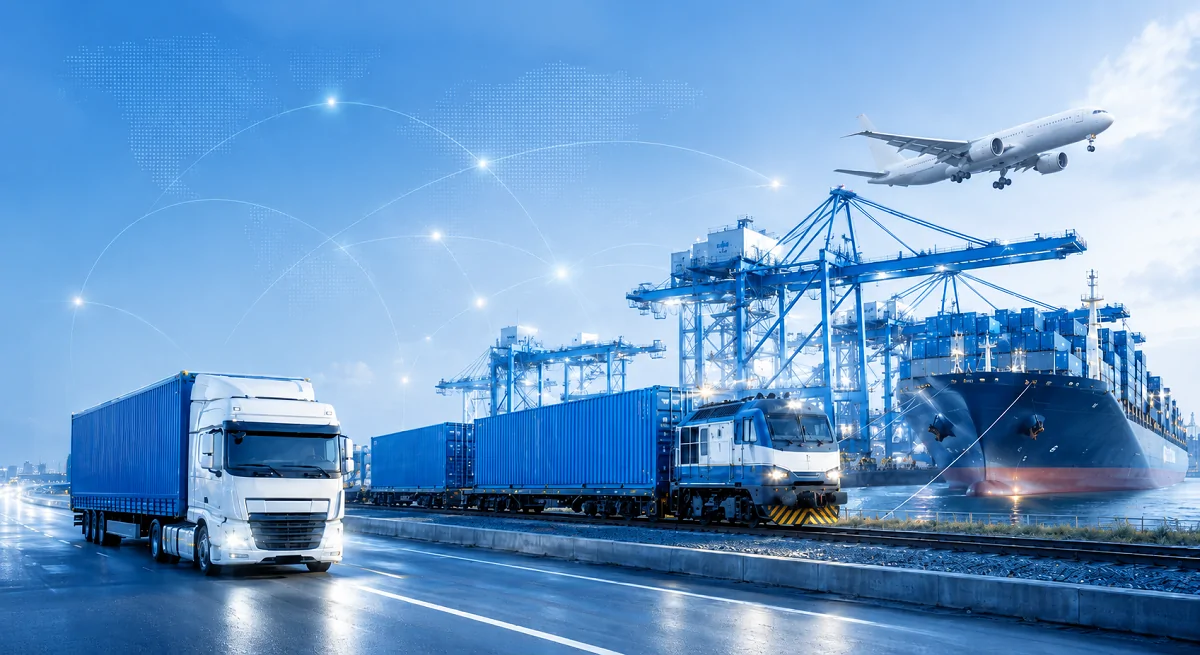
Imagine: you need to deliver cargo from Kharkiv to Warsaw. By truck – it’s slow and expensive due to border queues. By rail alone – there’s no direct connection to the consignee’s warehouse
The growth of e-commerce is forcing companies to seek optimal solutions for rapid order fulfillment and reduced operating costs.

The European market today is a space where environmental responsibility and data transparency are valued even more highly than the product itself

Despite their geographical proximity, the logistics of importing from Turkey to Ukraine has its nuances. In this article, we discuss what needs to be considered and how freight transportation between these countries takes place.
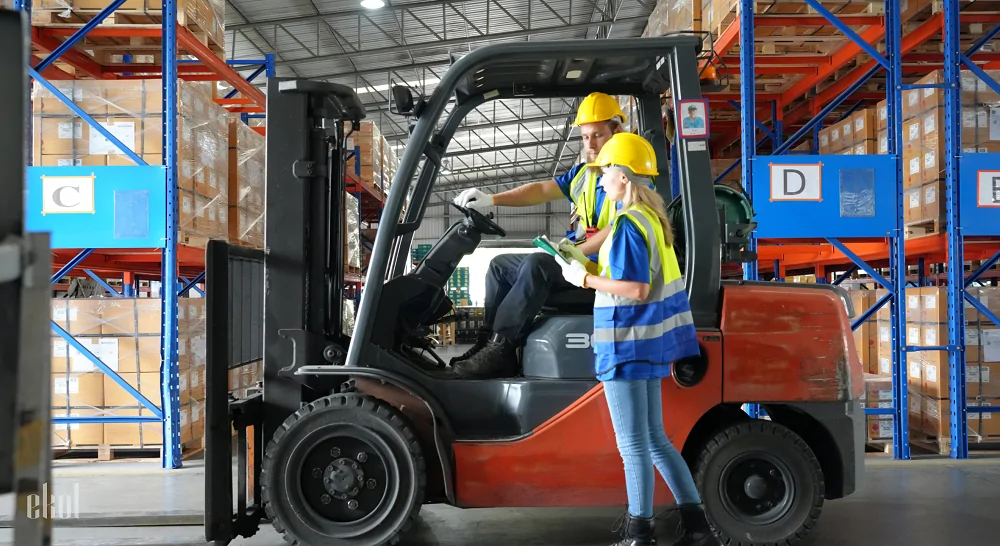
The organization of supply chains is no longer merely a supporting business function. Modern logistics forms the basis of companies’ competitive advantages and significantly affects their

The logistics trends for B2B in 2026 significantly influence the market’s development, shape customer expectations, and change company business models

Logistics is a crucial part of business in the B2B segment, and it directly impacts how production processes will be organized

Success in international markets largely depends on the flexibility of supply chains. When direct delivery using a single mode of transport becomes too expensive or physically impossible, companies look for alternatives.

Logistics in the context of global trade is based on speed and adaptability. However, when a single mode of transport is insufficient to deliver goods “from door to door” over long distances, multimodality becomes the optimal solution

International trade is the movement not only of vessels or trucks, but also of paperwork. In complex logistics schemes involving several modes of transport, the bureaucratic factor becomes decisive for success.
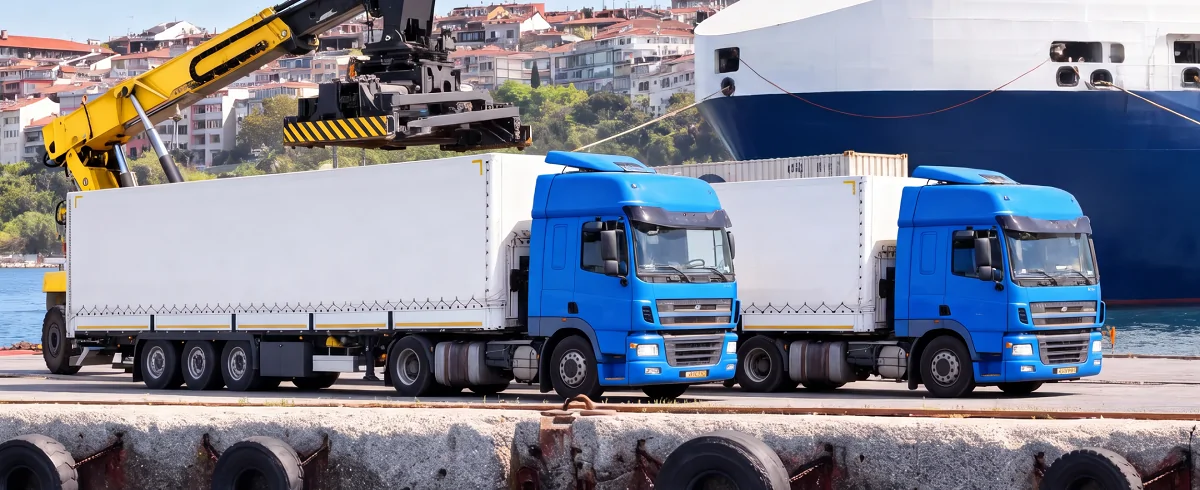
The modern market dictates strict rules: being fast is not enough – you need to be flexible. When standard transportation by a single truck becomes impossible due to geography, complex combined schemes come into play

According to expert forecasts, 2026 promises to be a true Rubicon for global logistics. This is not just another stage of development, but a full-scale implementation of new standards.

Anna
Business development manager

Volodymyr
Business development manager

Artur
Business Development Manager
