


In crisis conditions, the transportation of humanitarian aid becomes a key element of the response system. In such cases, logistics transforms into a system of interaction that unites people, resources, and technologies for a common goal.
When logistics saves lives
In emergencies, every second counts. We build humanitarian logistics to get aid to where it’s needed most—fast, safe, and compliant. Working in war zones, remote areas, and infrastructure-poor environments, we provide complete control of supply chains—from warehouse to point of delivery.
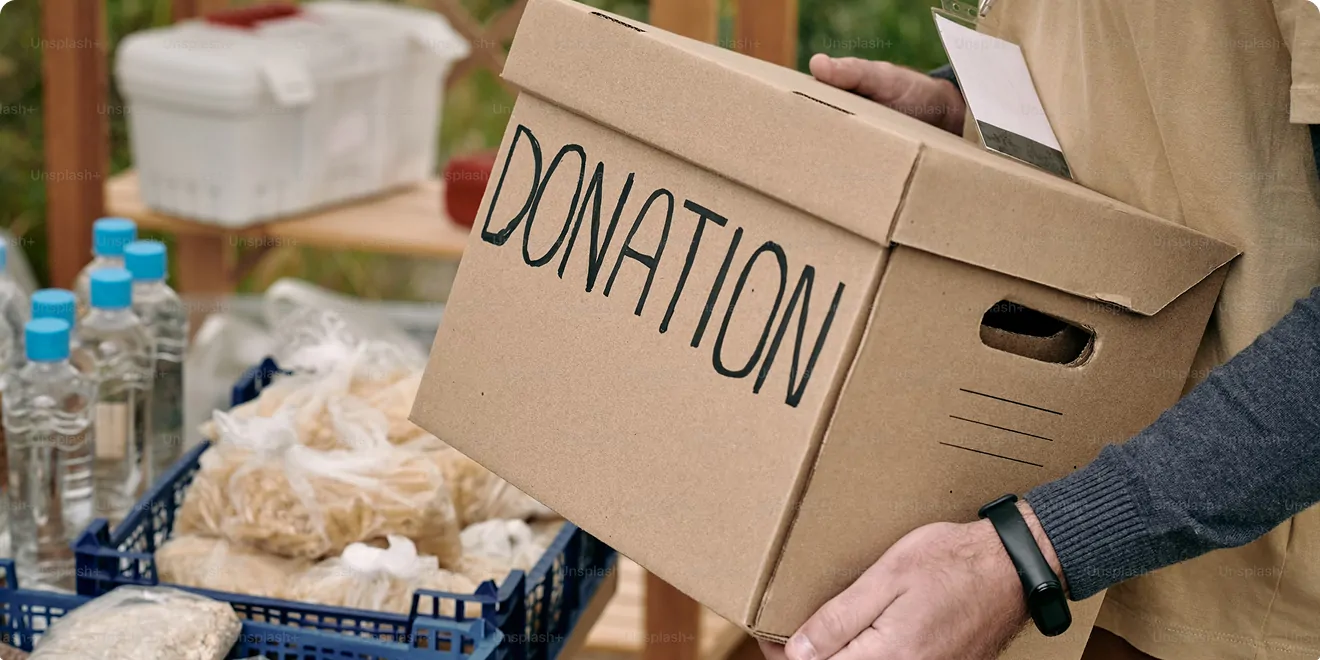
about the industry
Our Focus
We support governmental, non-governmental and international organizations, including:
- World Food Programme (WFP)
- International Organization for Migration (IOM)
- UNICEF and other UN agencies
- NGOs, foundations, medical and logistical institutions

Decision
Customized solutions for humanitarian needs
Emergency logistics
We are mobilizing quickly with experienced teams to support the rapid deployment of food, water, shelter, and medicine supplies – anywhere in the country.
Support for development programs
We help organizations implement long-term aid programs — with reliable supply chains, efficient inventory storage, and compliance with donor and regulatory requirements.
The last mile in isolated regions
We ensure the delivery of critical goods to hard-to-reach regions using last-mile strategies — including temperature-controlled transportation of food and other sensitive cargo.
Pre-placement warehouses
Strategically located facilities of our business ecosystem partners allow us to pre-position emergency supplies and quickly dispatch them to critical areas.
Compliance, traceability and reporting
We guarantee full compliance with humanitarian standards and provide complete transparency — from documentation to tracking — for accountability and informed decision-making.
Flexible modes of transport
Air, sea, rail or road – we adapt transportation solutions to the context and urgency of the situation, coordinating deliveries both globally and locally.
Our cases
Our common cases
Our solutions have helped many companies improve their warehouse processes

Optimizing a Fashion Retailer’s Distribution
Operating in the Ukrainian market, LPP Ukraine faced several logistics challenges typical of the fashion segment
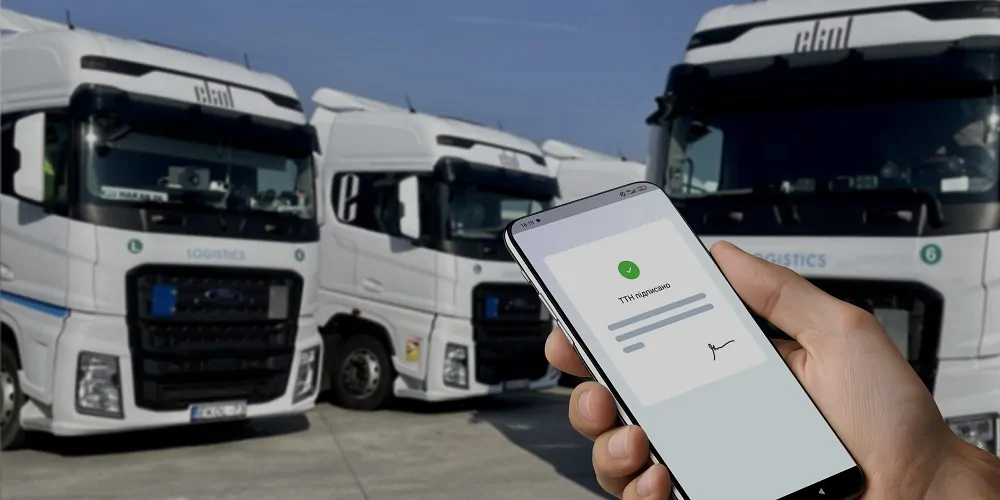
Ekol Logistics is digitizing its document workflow
With the growth of shipment volumes, Ekol Logistics faced the need for large-scale digitalization of document flow

Stable and Efficient Logistics for Caparol Ukraine
Caparol is a German brand that is part of the international DAW SE Group and one of Europe’s leading manufacturers of paints, coatings, decorative finishes, and thermal insulation systems.
CRM That Synchronizes Ekol’s Marketing and Sales
To support international growth, we at Ekol Logistics needed a CRM that would unite sales, marketing, and analytics on a single platform
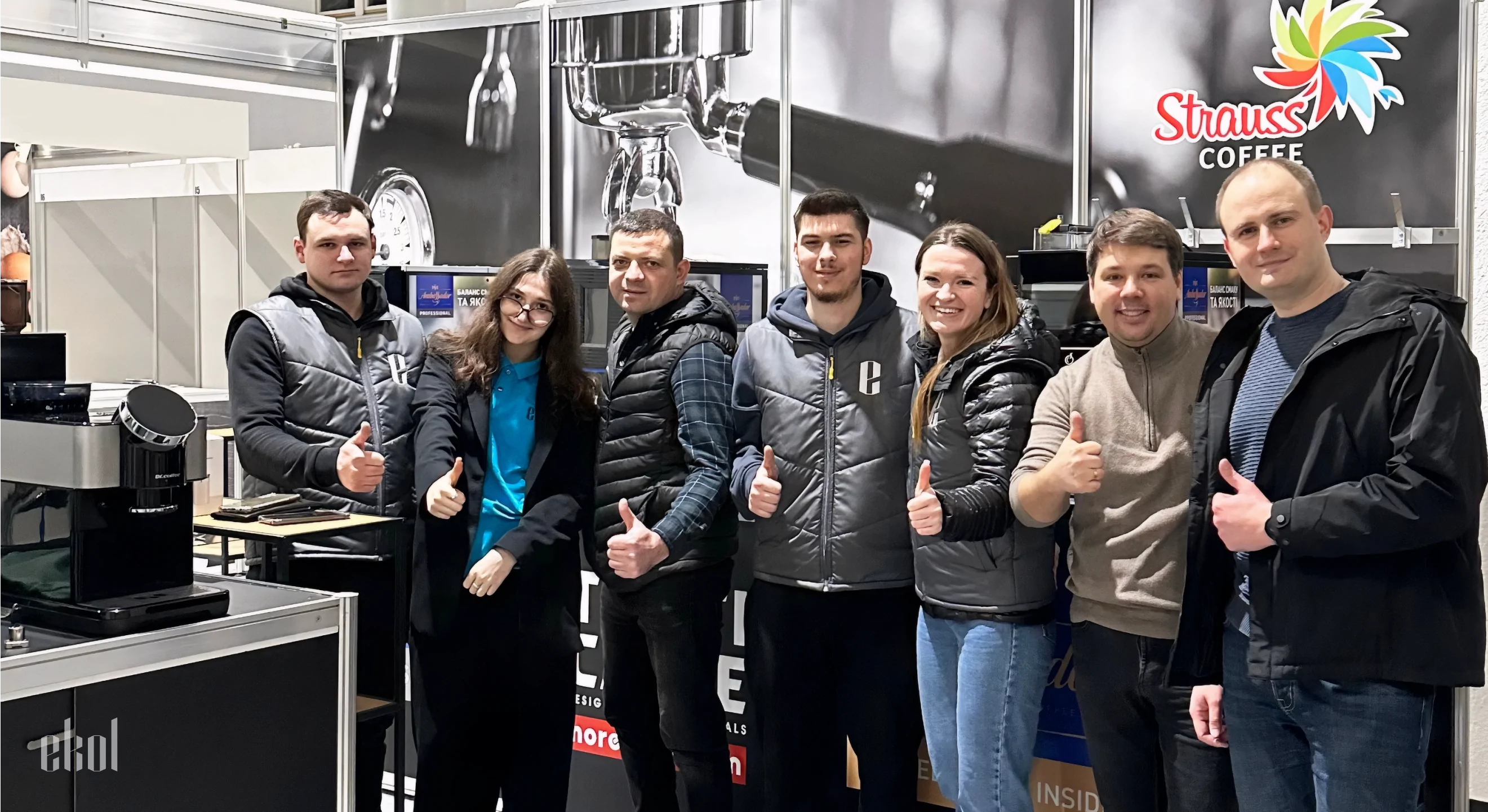
Logistics for Strauss Coffee Ukraine
Strauss Group Ukraine holds a leading position in the Ukrainian coffee market. The company is part of an international corporation operating in 22 countries and successfully collaborates with global leaders such as Danone, PepsiCo, Haier, and Virgin.

Reliable Logistics for a Global Household Chemicals Manufacturer
Back in 2009, one of the leading household chemicals brands made a strategic decision to entrust its logistics processes to Ekol Logistics — and since then, the cooperation has continued uninterrupted. The international manufacturer of cleaning and hygiene products and Ekol Logistics have built a partnership based not only on service, but also on trust, mutual understanding, and long-term stability
FAQ
1
What role does logistics play in emergency situations?
2
What documents are required for international transportation of humanitarian aid?
To carry out international transportation of humanitarian aid, it is necessary to prepare:
- a request letter from a charitable or governmental organization,
- a declaration recognizing the cargo as humanitarian aid,
- an invoice or packing list with a detailed description of contents,
- an agreement or memorandum between the sender and the recipient,
- transport documents.
Certain categories of goods may require certification.

Anna
Business development manager

Volodymyr
Business development manager

Artur
Business Development Manager
Transportation of humanitarian
Ekol provides a full cycle of logistics support for humanitarian projects. We understand that every minute matters in this field. That is why our team works promptly, cohesively, and responsibly.
Our experience allows us to implement large-scale international initiatives. We also take part in local charitable programs.
Humanitarian logistics: specifics and objectives
Humanitarian logistics is a specialized area of services aimed at organizing the supply process of humanitarian cargo to areas affected by emergencies, military actions, and natural disasters.
The main goal is to ensure timely and effective delivery of aid to those who need it.
In the process of delivering humanitarian goods, the human factor and social responsibility come first. Our team provides prompt coordination and close cooperation with government institutions, charitable foundations, international organizations, and volunteers.
Ekol helps to solve the following tasks:
- organization of transportation using reliable and specialized trucks;
- planning of delivery routes, warehousing, and distribution;
- control over storage at terminals and cargo accounting;
- transportation of humanitarian aid across the border in compliance with all customs requirements and transit regulations.
We strive to act quickly, efficiently, and with care for everyone.
Delivery of humanitarian aid across Ukraine
Ekol provides a full range of cargo transportation services throughout Ukraine. We understand that delivering humanitarian aid to frontline and remote regions has a special mission. We ensure reliable transportation, safe storage, and fast delivery in accordance with all safety standards.
The main categories of cargo include:
- medical supplies and hospital equipment;
- long-term food products, drinking water, and baby food;
- hygiene items and household goods;
- construction materials, timber, generators;
- technical equipment required for rescue services;
- mobile shelters, heaters, and other items necessary for internally displaced persons.
All shipments are carried out under special control, labeling, and documentation procedures to ensure that cargo reaches its destination as quickly as possible.
International partnership and coordination of humanitarian transportation
Ekol’s logistics partner in Ukraine is part of the international Ekol Logistics Group, which enables effective coordination of shipments from different countries.
Our main goal is to connect donors with those in need, ensuring clear communication, control, and transparency at every stage.
Thanks to established contacts across Europe and beyond, we facilitate quick route approvals, customs clearance, document preparation, and supply coordination.
Advantages of cooperation with our logistics company
Cooperation with Ekol as a carrier guarantees professionalism, transparency, and trust.
Our key advantages include:
- experience working with international charitable foundations and public organizations;
- implementation of a last-mile strategy that enables delivery of temperature-sensitive food to hard-to-reach regions;
- strategic warehousing, which allows for rapid dispatch of emergency aid to critical areas.
We work to support those who need help the most.
