

Analytics and Blog
Stay up to date with trends, the latest technologies and innovations in logistics
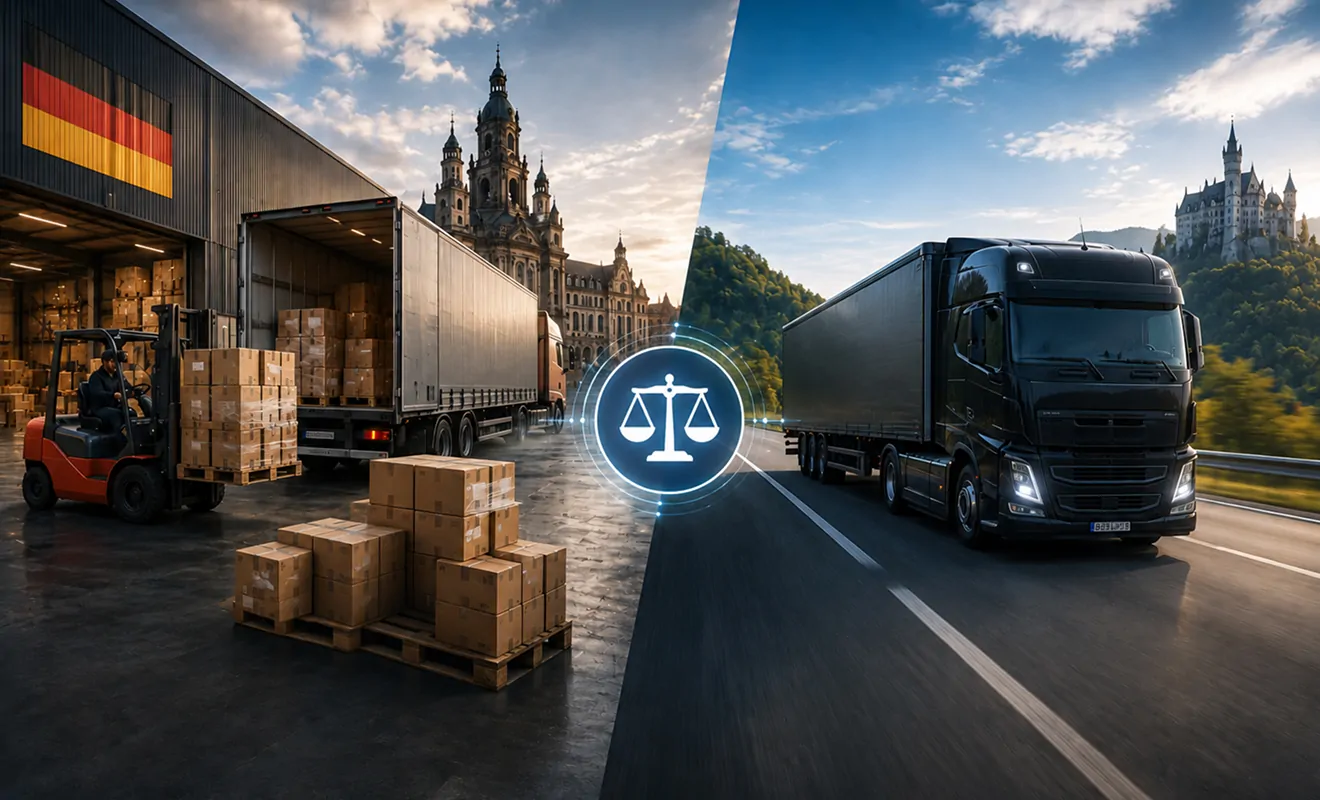
Logistics offers two tools for shipping from Germany: Less-than-Truckload (LTL) consolidation and Full Truckload (FTL) shipments.
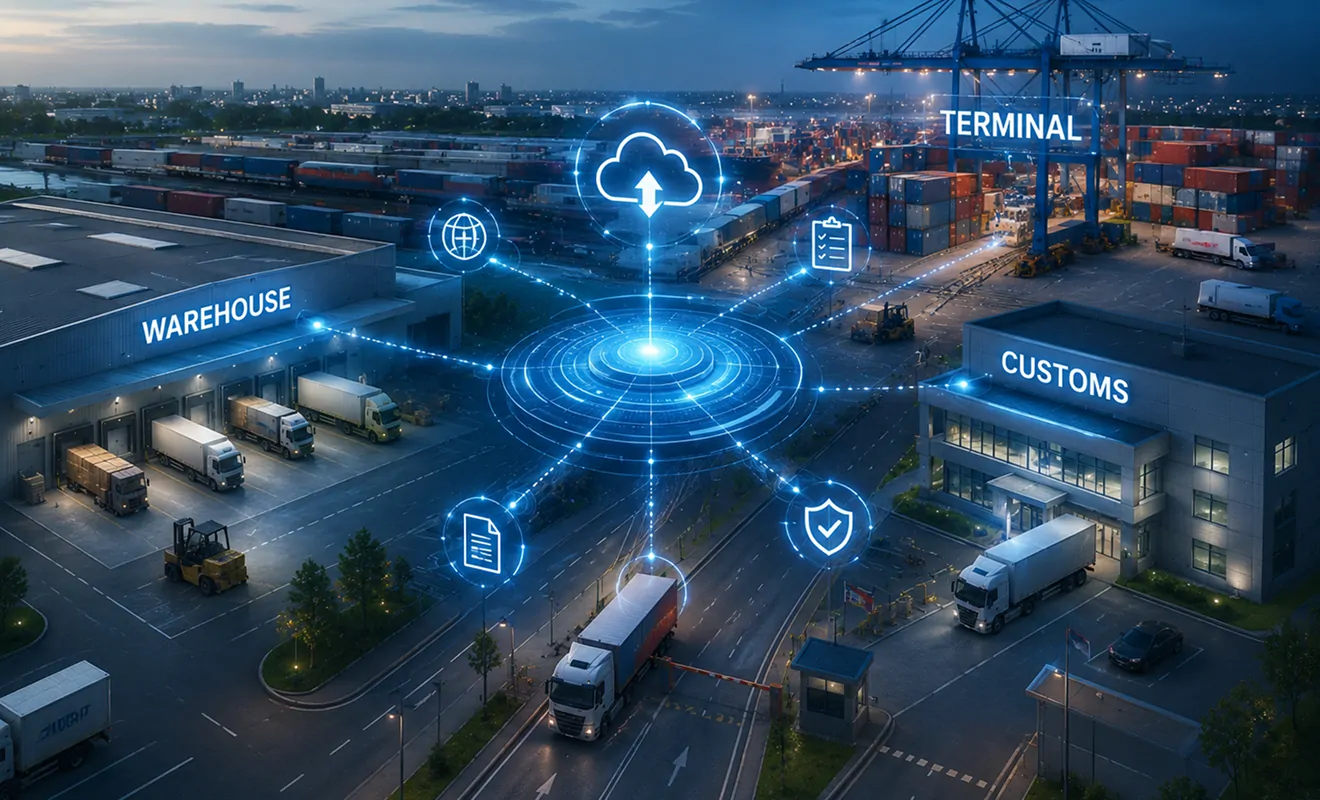
A dry port is one of the solutions to the problem of congestion at seaports and customs-logistics infrastructure. It relocates part of operations inland. But the real impact comes from digital integration.
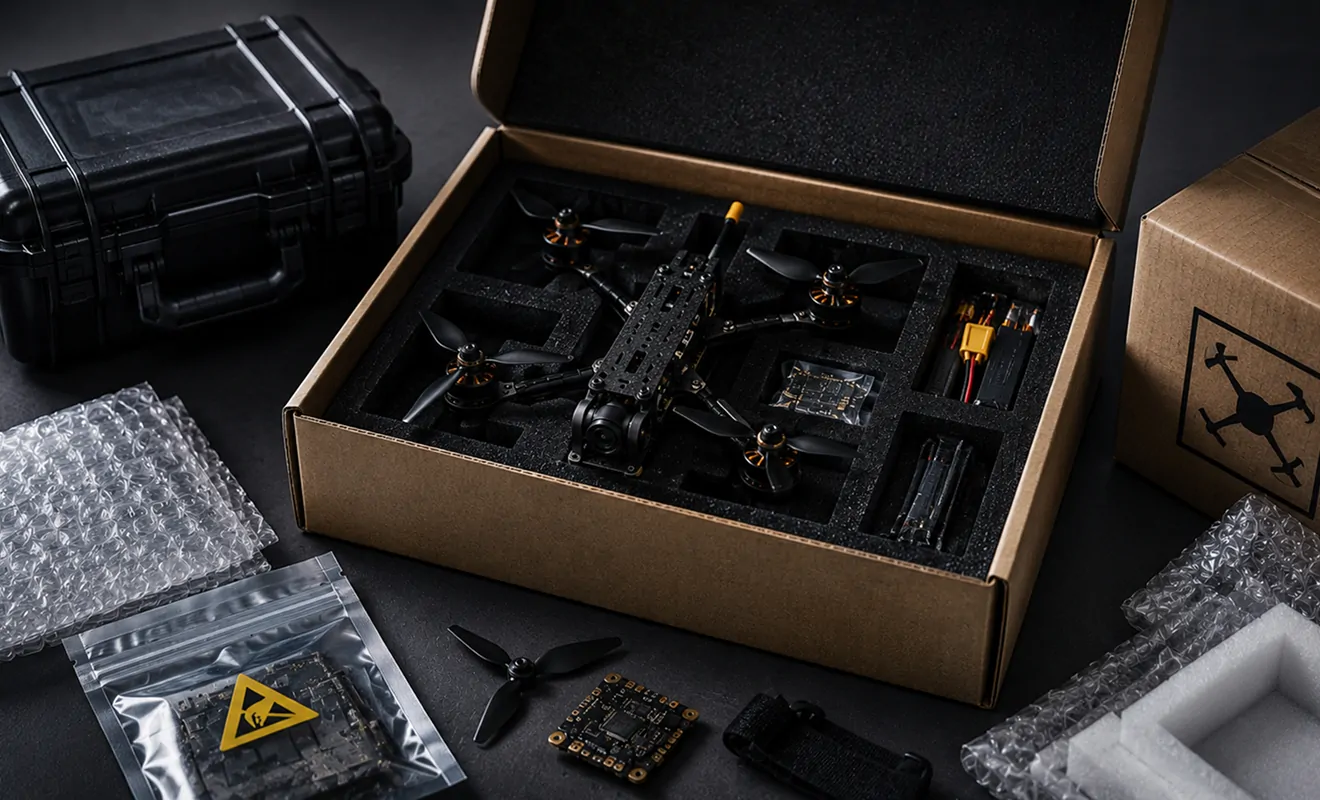
Most FPV components are sourced from China. This is a long route with temperature fluctuations and extended storage in transit zones.
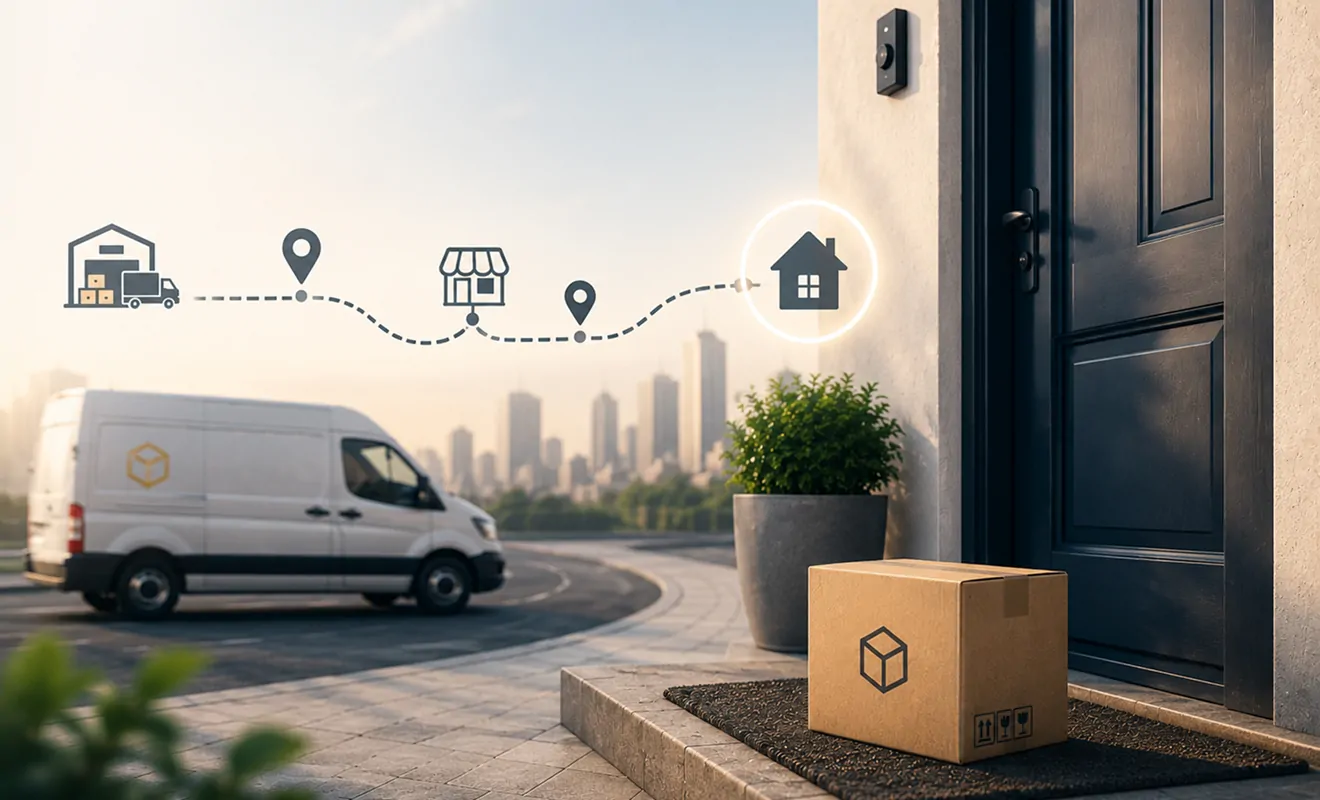
Last-mile delivery is the final stage of the logistics chain, which shapes both the service cost and customer loyalty.
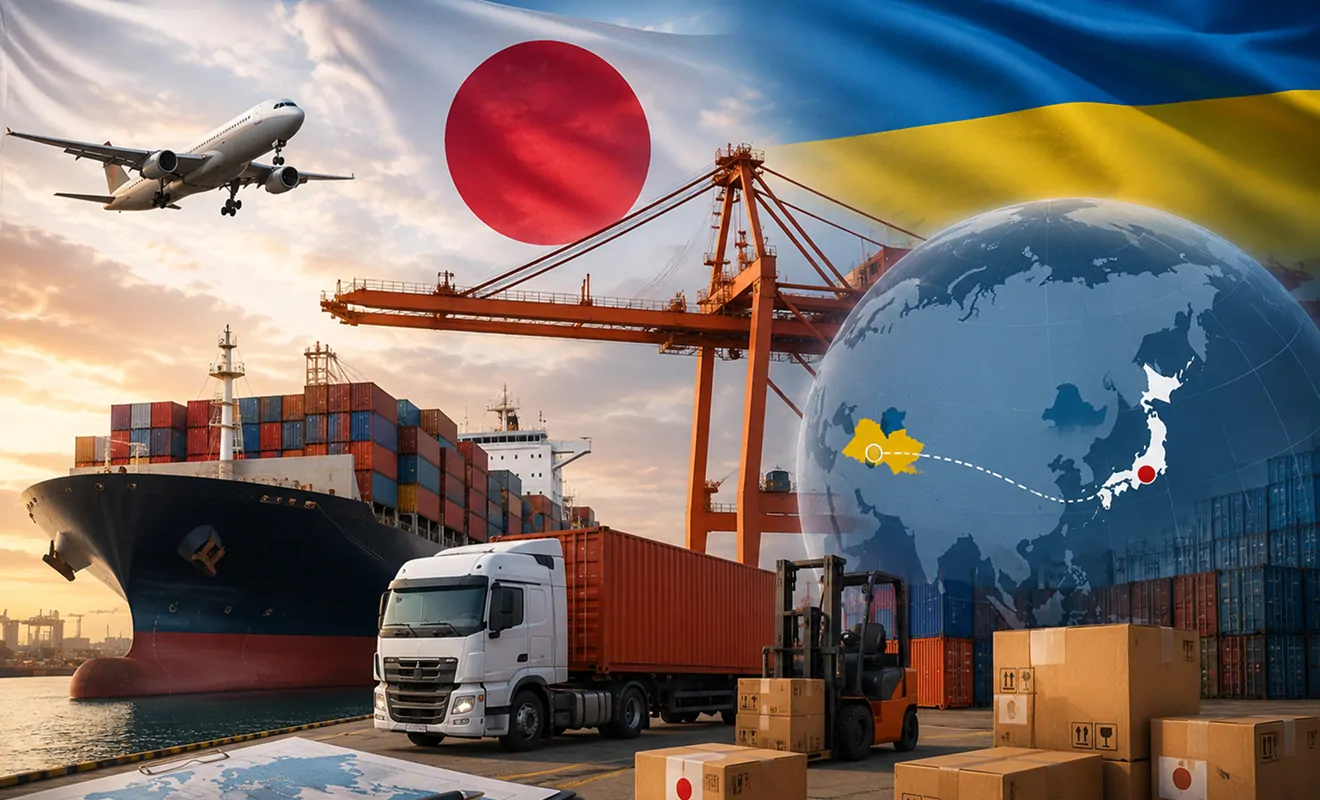
There are more than 8,000 kilometers between Ukraine and Japan, with no shared border or direct rail connection. Despite this, imports from Japan to Ukraine are growing
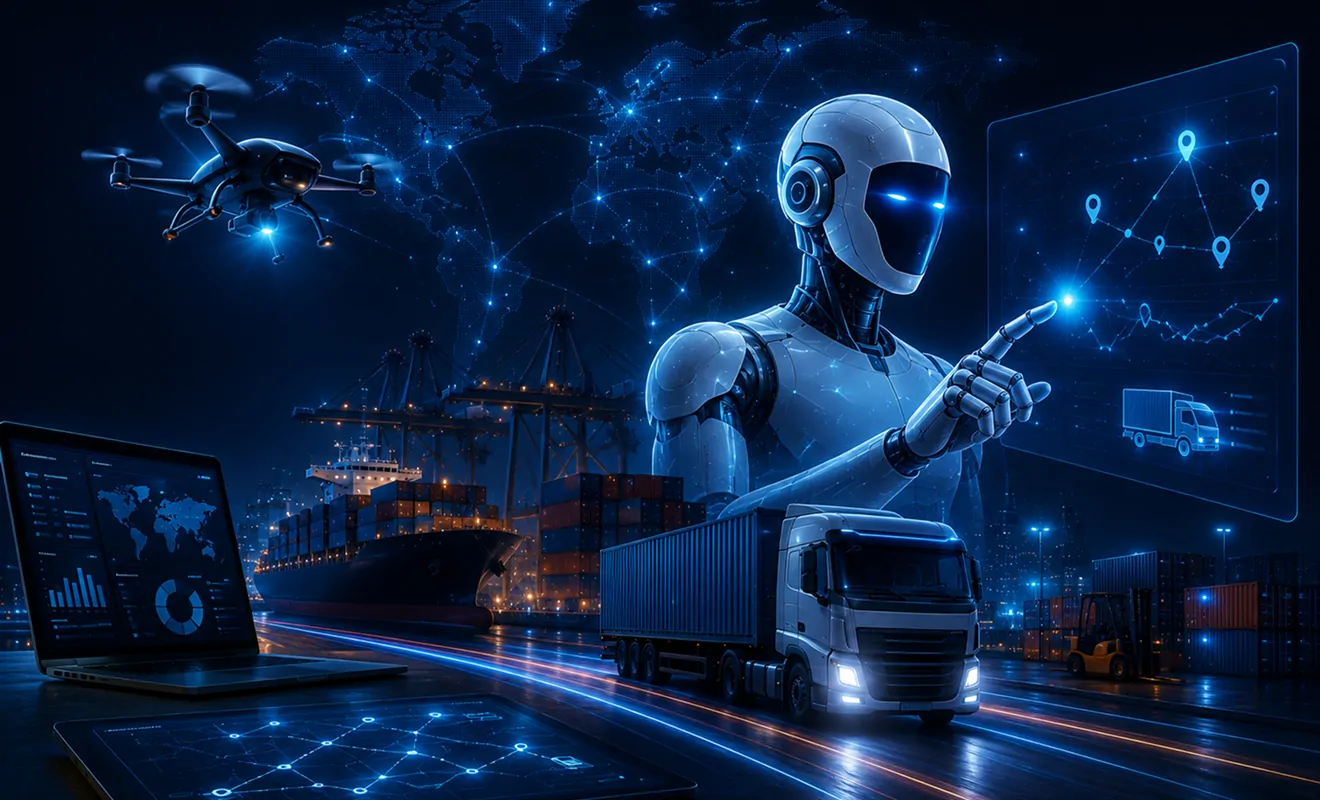
Just a few years ago, a dispatcher would spend an hour on a single request. Today, AI agents in logistics accomplish the same task in minutes – without phone calls or errors.
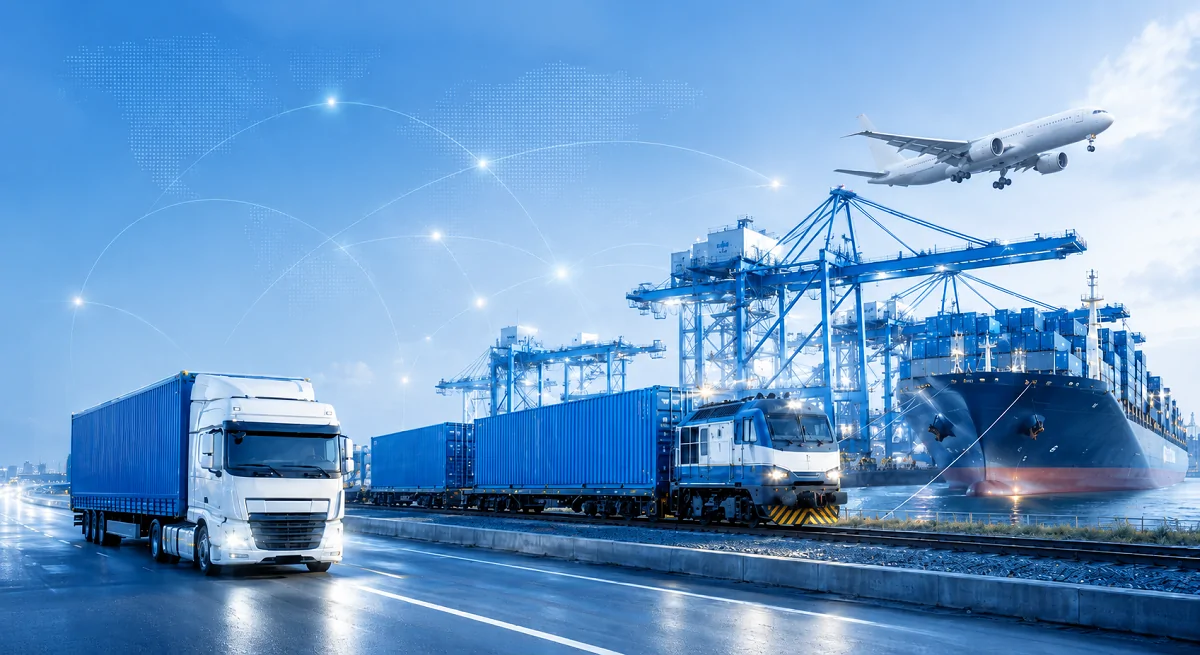
Imagine: you need to deliver cargo from Kharkiv to Warsaw. By truck – it’s slow and expensive due to border queues. By rail alone – there’s no direct connection to the consignee’s warehouse
Logistics in the European Union covers dozens of countries with different transport networks. Its functioning is based on strict standards of transportation quality and a well-developed infrastructure.
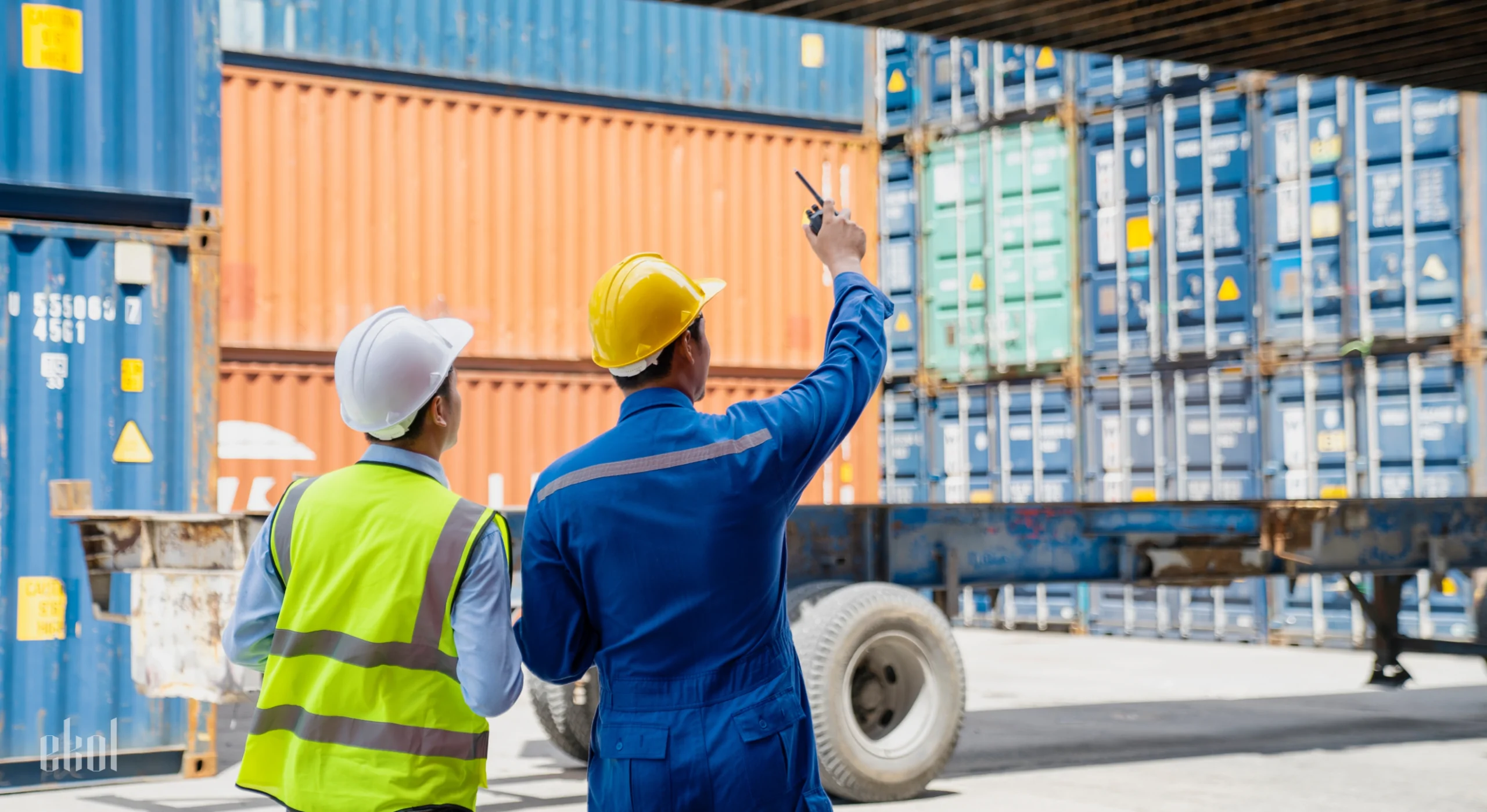
Logistics is often accompanied by delays at the border, unstable customs operations, and changes in export and import regulations
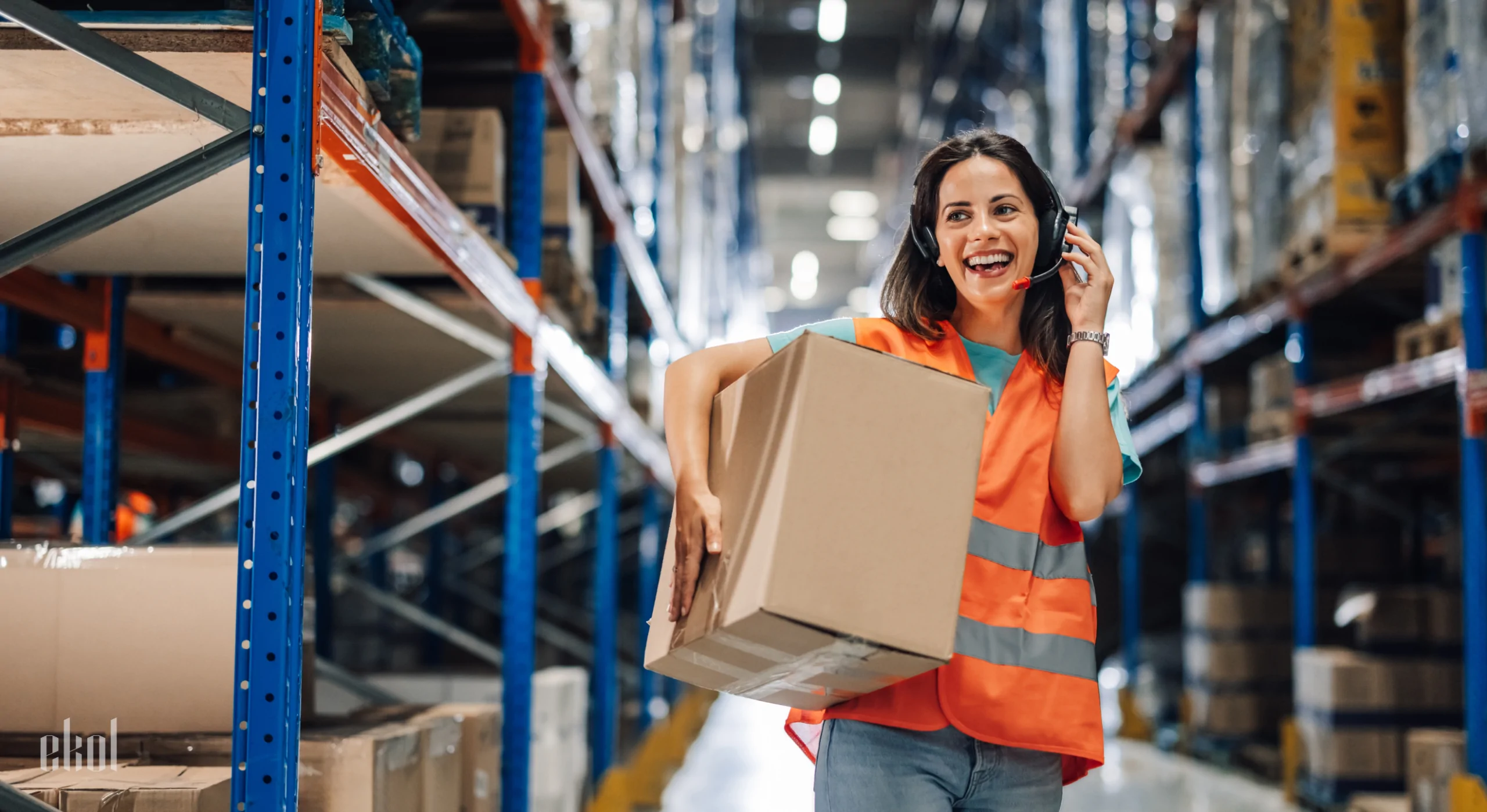
The growth of e-commerce is forcing companies to seek optimal solutions for rapid order fulfillment and reduced operating costs.
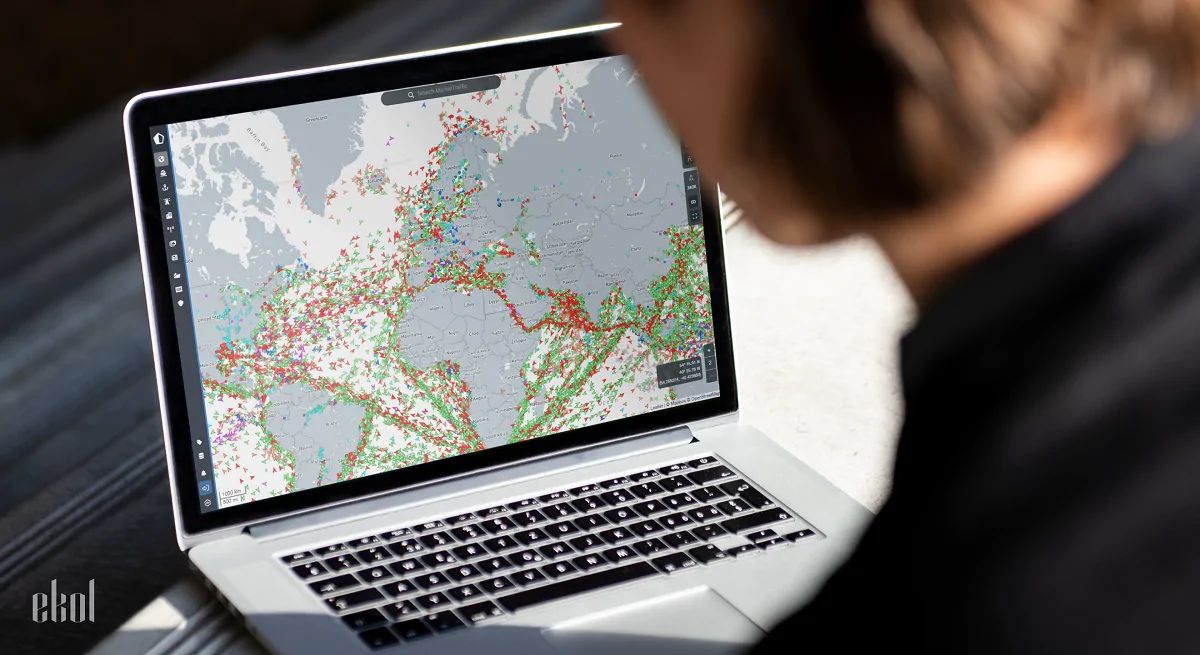
Online cargo tracking is one of the most critical aspects of transportation automation. Thanks to modern tracking systems, it is easy to find out in real-time exactly where a shipment is located, its estimated delivery time, and whether there are any delays.
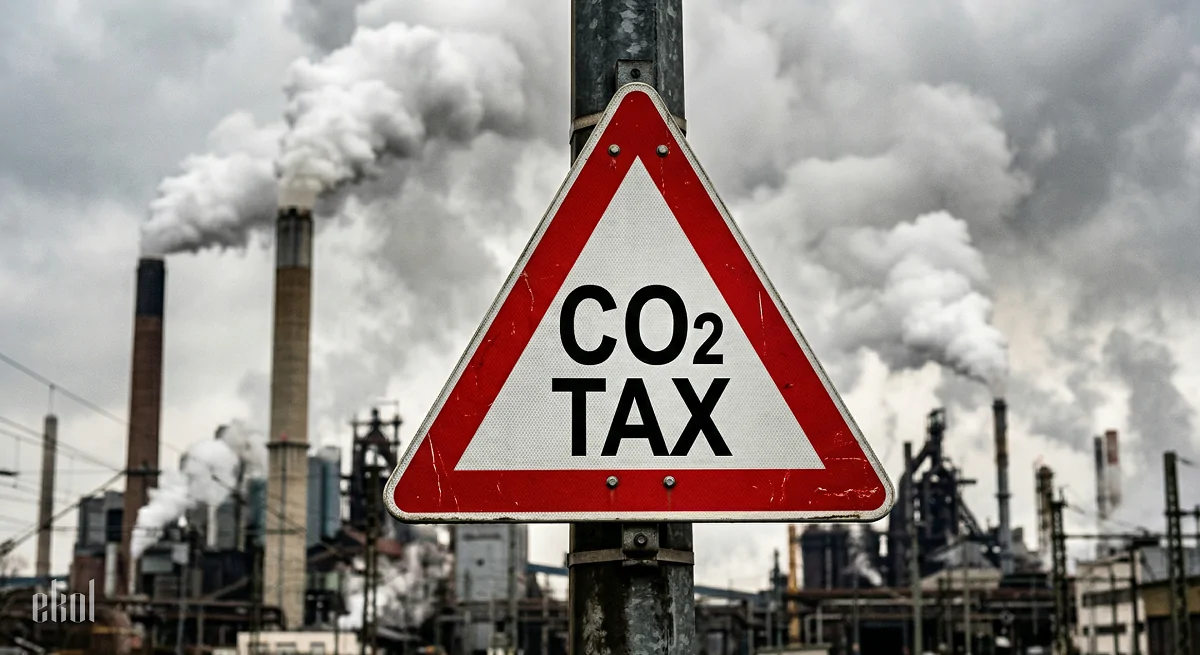
The European market has always attracted Ukrainian business, but the rules of the game are becoming increasingly stricter.

The European market today is a space where environmental responsibility and data transparency are valued even more highly than the product itself
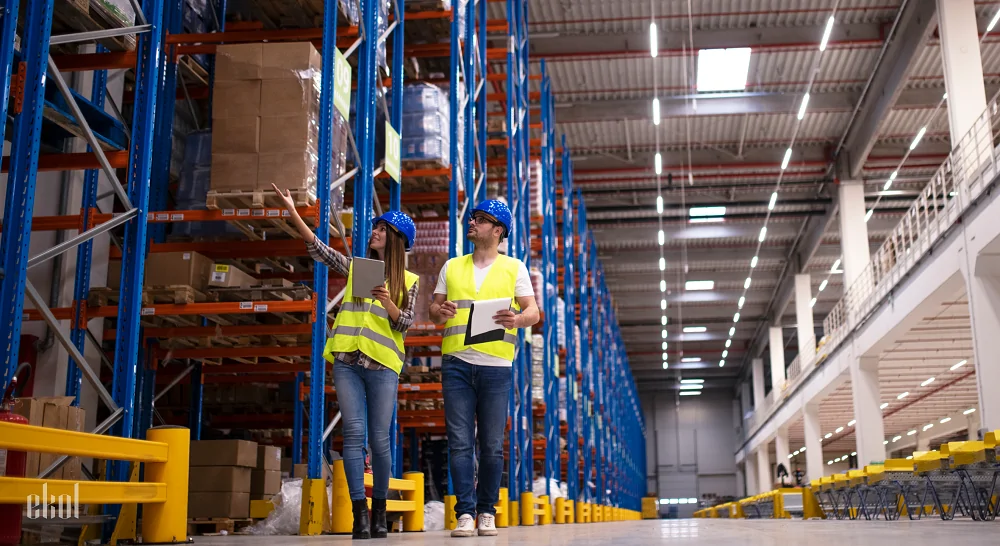
For many entrepreneurs, having their own warehouse in the supply chain is not the optimal solution. Rather, it becomes a source of additional problems.

Customers of online stores are accustomed to receiving their goods quickly and without unnecessary complications.

Anna
Business development manager

Volodymyr
Business development manager

Artur
Business Development Manager
