

Risks of Multimodal Transportation and Ways to Minimize Them


Logistics in the context of global trade is based on speed and adaptability. However, when a single mode of transport is insufficient to deliver goods “from door to door” over long distances, multimodality becomes the optimal solution. This is the combination of sea, rail, air, and road transport within a single chain under one contract.
However, the complexity of such a scheme automatically generates a number of problems. After all, no one is immune to cargo damage during transshipment or delays caused by the desynchronization of schedules.
Is it even possible to manage these challenges or reduce them to a minimum? Below, we will consider the most common risks of multimodal transportation.
Operational Risks When Changing Modes of Transport
Without going into details, multimodal logistics relies on three key points: terminals, ports, and railway stations. Physical transshipment of containers occurs at these locations.
The main risk lies in the technical incompatibility of equipment or queues at transfer points. If a terminal does not have sufficient capacity to quickly process incoming flows, cargo is delayed (which means additional costs). In 2024 alone, more than 13,200 cargo units were affected by this.
According to Ekol experts, losses can be minimized. It is necessary to choose hubs with a high level of automation in advance, where coordination between crane equipment and rolling stock is worked out to the second.
Logistical Risks of Route Planning
Incorrect routing is a direct path to losses. If one link in the chain (for example, a ship) is delayed even by an hour, the entire subsequent schedule shifts.
The domino effect in logistics is merciless. First, a delay at the port leads to the loss of the window for rail platform submission, and then problems accumulate one after another:
- delivery to the final warehouse is disrupted;
- cargo waits for the next trip for several hours or days;
- obligations to end customers are violated;
- the company’s working capital is frozen.
Effective risk management must always (without exception) include a “Plan B.” For example, buffer time is built in at route junctions, and dynamic tracking is used in case the cargo route must be changed due to force majeure.
In this regard, Ekol follows one rule: in multimodal schemes, the chain is only as strong as its weakest link.
Customs and Documentation Risks
This category of risks is insidious because its consequences can be among the worst: a complete halt of cargo movement.
The situation is further complicated by the huge amount of paperwork, as cargo crosses borders and changes transport modes. Therefore, customs risks in multimodal transportation are common and are associated with:
- inconsistencies in HS codes across different transit countries;
- errors in packing lists or invoices, leading to customs value reassessment;
- lack of special permits required for rail or air stages of transportation.
Any customs authority requires complete, correctly prepared, and timely submitted documentation. In regular transportation, an error usually results in a fine, but in multimodal transportation, the risks increase many times. Cargo may remain in a customs warehouse for weeks or even be confiscated.
Financial Risks of Multimodal Transportation
To ensure that multimodal delivery does not lead to unwanted consequences, it is necessary to know who is responsible for what and how much it costs. The biggest problem is the expenses that are revealed only after the transportation has started.
| Hidden Expense | Explanation |
| Demurrage | Fee for the idle time of a ship or container on the territory after the allowed period. |
| Detention | Penalty for using a container outside the port. |
| Storage fees | Fee for storing cargo at the port or terminal if it remains longer than the established time. |
| Handling fees | Additional charges for each transshipment operation are often not included in the base rate. |
In combined logistics, such expenses (and this is only a part of them) often exceed the cost of the delivery itself, especially in the absence of centralized supply chain management and transportation plan optimization.
Risks of Cargo Damage or Loss
During combined transportation, cargo is lifted several times, moved from one transport vehicle to another, and re-secured. These moments present the greatest risks:
- severe mechanical impacts;
- cargo deformation;
- tipping or falling.
At the same time, safety largely depends on the quality of packaging. Standard containers protect goods from external influences and prevent unauthorized access to the contents.
Ekol specialists believe that the only guaranteed method of financial protection remains cargo insurance in multimodal logistics. It covers losses even in cases where it is impossible to determine at which stage the damage occurred.
Communication Risks Between Participants in Transportation
Multimodal transportation involves many parties: the shipper, carrier, customs authority, terminal operator, broker, and others. Insufficient coordination or delays in information exchange between them can result in:
- loss of cargo data (arrival times, container condition);
- double booking of resources or disruption of transshipment schedules;
- idle time at chain junctions, when each party waits for confirmation from the other.
Risks are never beneficial. Therefore, companies use centralized transportation management systems and unified communication channels. This way, everyone can see the current cargo status and respond promptly to changes.
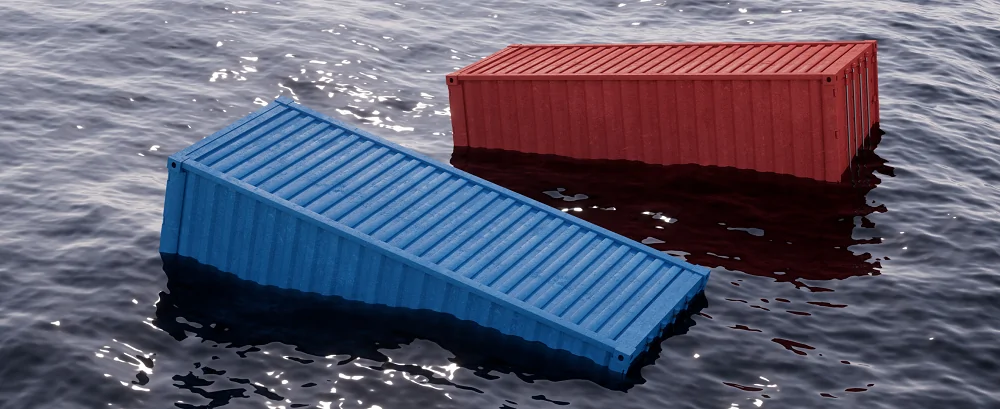
Technological Risks and IT System Limitations
Modern logistics cannot function without data exchange. If systems of different carriers are incompatible or not digitized, obtaining real-time cargo information is almost impossible.
Processing a single invoice manually takes more than 3.4 hours. This is another reason why delays occur in multimodal transportation.
Integration of digital products allows process automation. At Ekol, all transportation links are combined into a single interface: cargo status is visible regardless of location (in a container on a ship, at a fulfillment warehouse, or at customs).
Ways to Minimize Risks in Multimodal Logistics
To ensure your multimodal delivery is successful, it is worth following several rules:
- Containerization. Use standard containers. This reduces the number of manipulations with the goods themselves, which simplifies cargo insurance processing.
- Counterparty verification. Work only with verified terminals and lines. The safety of multimodal transportation must be a priority.
- Detailed documentation. Prepare a complete set of documents before the cargo leaves the origin point.
- Comprehensive transport solutions: Entrust route planning to companies that have their own infrastructure and expertise in various types of transportation.
One contract, a single window of responsibility, and centralized dispatch control – this is how the Ekol team operates. With professional support, multimodal transportation problems will not affect you.
FAQ
Can cargo be insured against all risks at once?
Yes, the “All Risks” policy is standard in multimodal logistics. It covers damage, theft, and certain force majeure events.
Can cargo be tracked if it changes three modes of transport?
Yes, modern logistics platforms aggregate data from shipping lines, vehicle GPS sensors, and railway systems, providing a single monitoring point.
How can financial risks be minimized in case of currency fluctuations in transit countries?
Fixing the cost of services in a contract with a single operator protects against price fluctuations and unpredictable fees.
read more
Similar articles
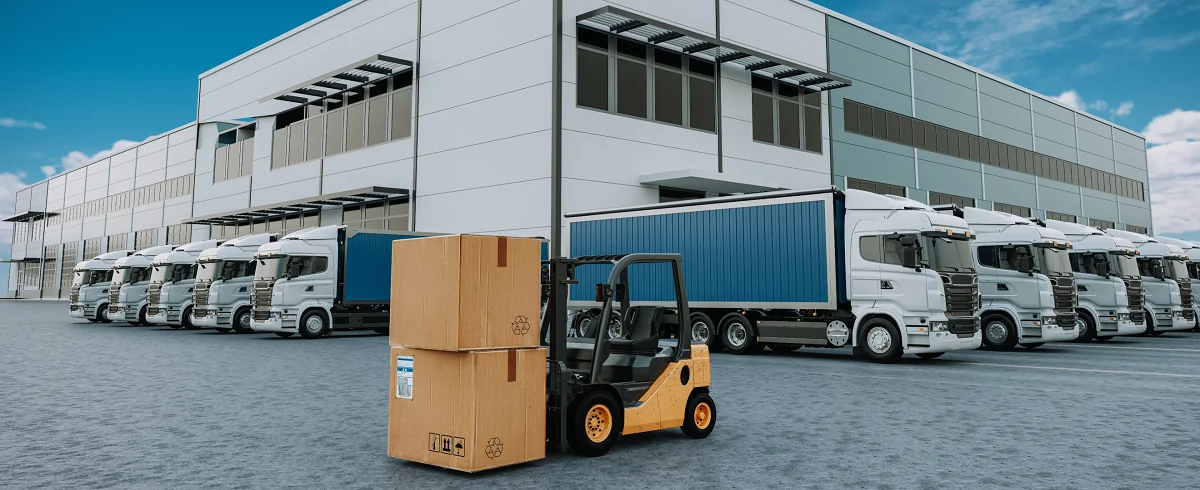
For a business, a logistics company is one reliable partner instead of a dozen separate contractors. It handles communication with carriers and quickly resolves force-majeure situations on the road

Without reliable delivery, a farmer’s harvest won’t reach the market on time. A logistics company for a farmer is not just a service provider — it’s a partner on whom the financial outcome of the season depends.
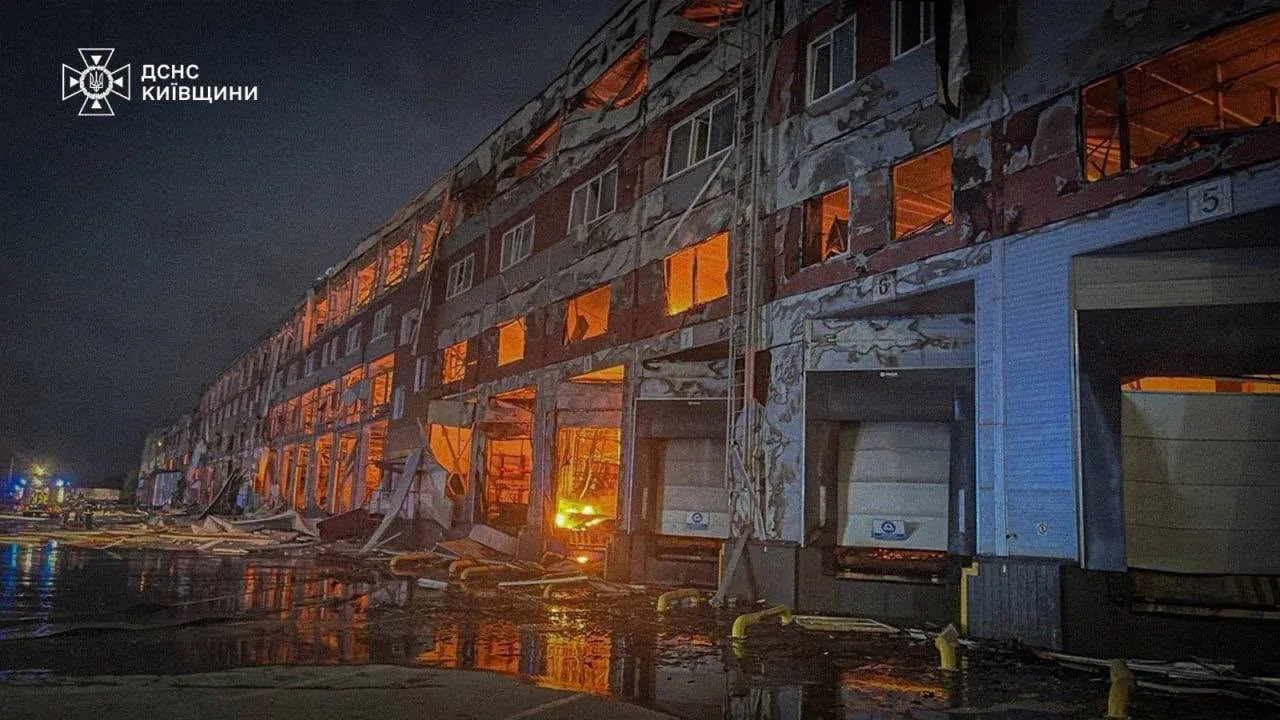
On the night of July 19, 2026, a massive missile attack severely damaged the Ekol Logistics distribution center located in the AMTEL logistics complex.
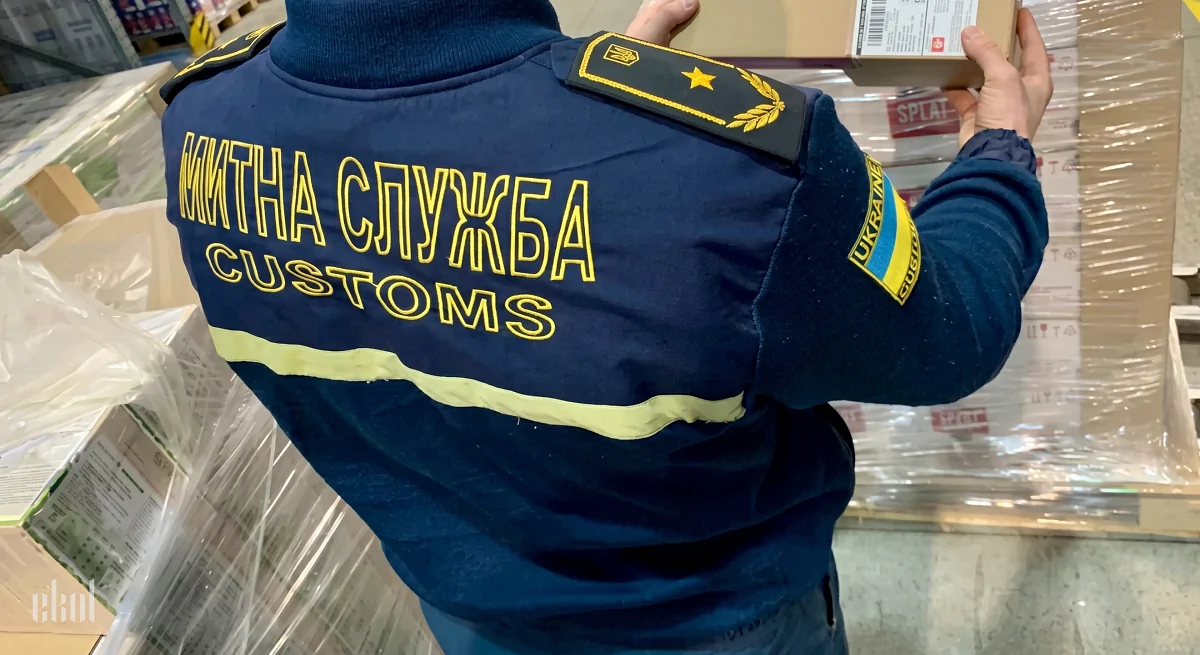
The changes for Ukrainian exporters in 2026 concern not only export clearance procedures but also the organization of shipments to EU countries.
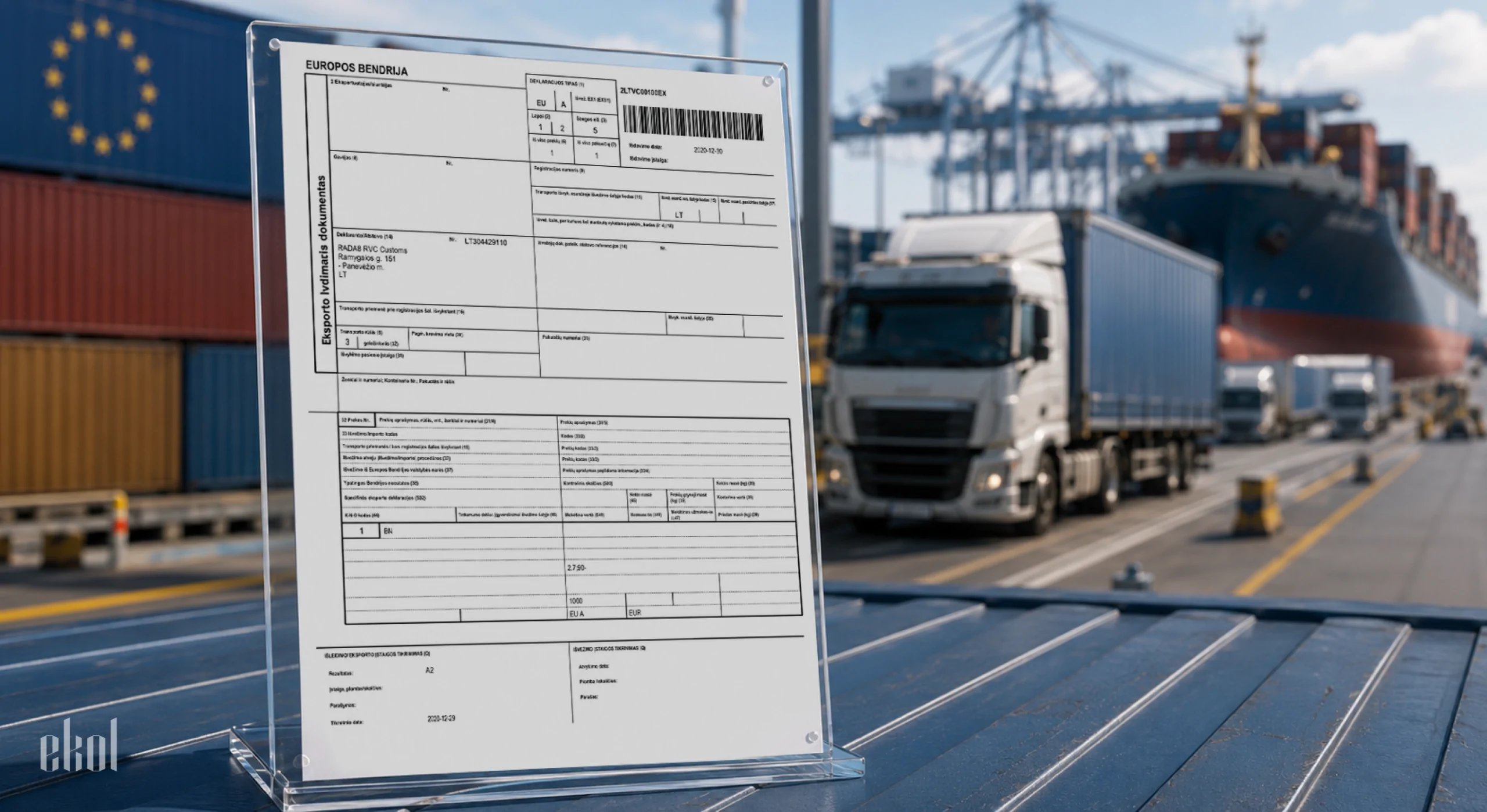
Export requires proper customs clearance and document preparation. For businesses, it is important not only to deliver the goods but also to successfully complete all procedures when crossing the border.

Entering the European Union market opens significant opportunities for Ukrainian companies. However, the success of such expansion depends on the ability to establish proper logistics.

Anna
Business development manager

Volodymyr
Business development manager

Artur
Business Development Manager
