

How Changes in EU Customs Rules Affect Ukrainian Exporters in 2026

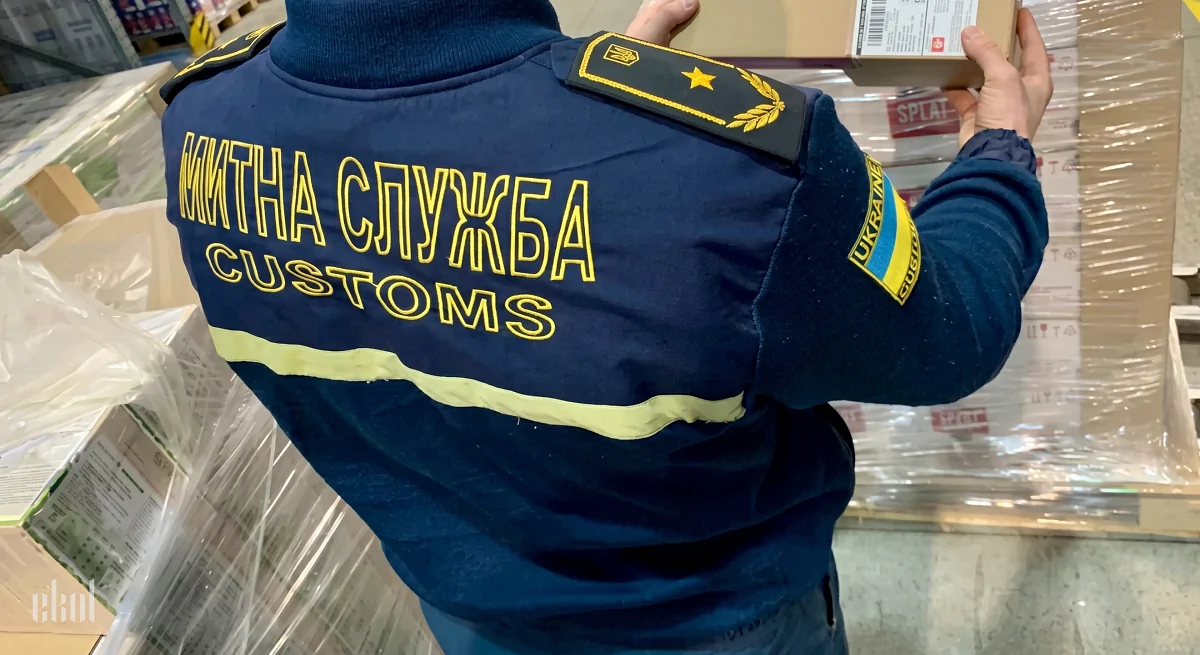
The changes for Ukrainian exporters in 2026 concern not only export clearance procedures but also the organization of shipments to EU countries. European regulators are gradually tightening requirements for supply chain transparency and the accuracy of trade information. The main focus is on document verification during customs control and goods traceability.
In 2026, these changes are supplemented by the ICS2 system, the EU customs reform, and the CBAM mechanism. Multimodal transportation and the transit of goods through EU countries require particular attention, as even a minor error can cause a delay along the route.
Key Changes to EU Customs Rules in 2026
Ekol Logistics experts note that for Ukrainian exporters, the EU customs legislation changes of 2026 are primarily associated with tightened controls. European regulators are focusing on product origin, tariff classification of goods, and compliance with industry standards.
At the same time, the digitalization of customs processes is ongoing, raising requirements for data accuracy in documents. Businesses should therefore track regulatory updates and regularly review their own export processes.
The Impact of CBAM on the Export of Ukrainian Goods to the EU
For many Ukrainian companies, CBAM is one of the most significant new developments. This applies above all to suppliers of metal products, cement, aluminum, and fertilizers, who are required to provide detailed information about their production processes.
The new EU customs rules of 2026 place emphasis not only on the goods themselves but also on the traceability of their carbon footprint. It is important to arrange for the collection of the necessary data and proper documentation in advance. This approach will help avoid difficulties when entering foreign markets.
New Requirements for Customs Clearance and Export Documentation
Customs clearance of goods in the EU involves more thorough verification of data submitted during the movement of products.
For Ukrainian exporters, the correct preparation of invoices, packing lists, and transport documents (CMR, bill of lading, air waybill) is becoming particularly important. The EUR.1 certificate or declaration of origin plays a separate role in inspections where required by trade agreements.
Customs authorities also pay attention to data consistency. Product names, UKTZED codes (HS Codes), weight, quantity, and manufacturer details must match across export documentation and declarations. Verification of goods origin is being strengthened, particularly for goods subject to preferential duty rates or special regulatory requirements.
An important element remains the EORI (Economic Operators Registration and Identification) — a unique identification number for a company’s interaction with EU customs authorities. Without a valid EORI, carrying out such procedures within the European Union is impossible, so exporters and importers should verify its validity and correct use in documents well in advance.
The Role of Goods Origin, HS Codes, and Tariff Classification
The correct classification of goods and their compliance with the customs requirements of the destination country are becoming critical. The HS code (Harmonized System) is used by customs to determine the product category and the applicable tariffs and restrictions.
Controls over compliance with sanctions on specific goods and supply directions are also being tightened. At the same time, the EU continues to shift procedures to electronic formats, making documentation quality no less important than the characteristics of the products themselves.
Changes in Tariffs, Quotas, and Conditions for EU Market Access
The new EU customs rules affect not only the customs clearance process but also the conditions under which Ukrainian goods enter the European market. The most significant changes concern trade preferences, quotas, and additional requirements for specific product categories.
| Indicator | 2025 | 2026 |
| Trade conditions with the EU | Temporary simplifications were in effect for Ukrainian goods | Trade is gradually transitioning to updated arrangements between Ukraine and the EU |
| Preferential import conditions | Simplified access mechanisms applied to most goods | Greater emphasis is placed on confirming product origin |
| Quotas on specific goods | Existing distribution mechanisms were in operation | Possible review of conditions for sensitive product groups |
| CBAM | Companies submitted emissions reports | Practical application of the mechanism is expanding for certain goods |
According to Ekol Logistics experts, for Ukrainian exporters today it is important not only to monitor tariffs. Confirmation of goods origin, compliance with CBAM requirements, and AEO status are equally significant.
An Authorized Economic Operator (AEO) is a company recognized by customs as a trusted participant in international trade, and certain simplifications may be applied to it during customs procedures. These factors are increasingly influencing the conditions for operating in the EU market.
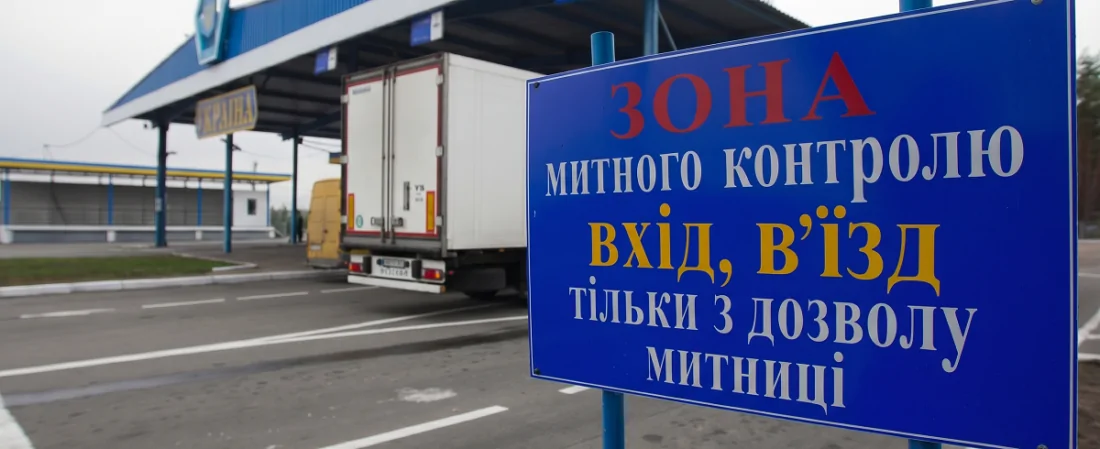
How the New Rules Affect the Cost, Timeframes, and Logistics of Export
Due to the new requirements, export processes are becoming increasingly dependent on documentation — the number of inspections is growing, and passing through them takes considerable time. This determines which transport solutions are advisable to choose and how long delivery may take.
At the same time, many problems can be avoided at the planning stage. That is why companies are increasingly reviewing routes and working with experienced partners who accompany the clearance and certification process.
Key Risks for Ukrainian Exporters in 2026
The rules do not always become formally more complex, but in practice delays arise from minor inaccuracies in documents.
The greatest risks are typically associated with declaration. For example, product data may not match, the manufacturer may be inaccurately specified, or supporting documents may be missing. VAT and excise duty deserve separate consideration — errors here are detected by customs immediately, bringing the process to a halt.
How Businesses Can Prepare for the New EU Customs Requirements
To understand how to export goods to the EU in 2026, focus on the practical aspects. It is worth verifying the completeness of the document package, the availability of goods origin data, the accuracy of HS codes, and readiness for the new CBAM requirements for certain product categories.
When conducting international shipments, it is essential to closely monitor updates to EU customs procedures and adapt internal processes to them in a timely manner.
Conclusion: What Exporters Need to Do Right Now
The European market remains a promising direction for Ukrainian business. However, exporters will now need to account for new customs and regulatory requirements.
Of particular importance are the correct determination of the HS code, confirmation of goods origin, quality documentation, CBAM requirements for specific industries, and compliance with EU industry standards and regulations applicable to specific products.
Companies that adapt to these changes in a timely manner will have greater opportunities for stable operations in the EU market.
FAQ
Are changes to the export declaration form expected in 2026?
No, the form is not significantly changing. However, the approach to data verification is becoming stricter, so even minor errors can delay clearance.
Which goods are most affected by CBAM?
These are primarily products with a high carbon footprint — metal products, cement, fertilizers, aluminum, and other energy-intensive goods.
Why is an EORI number needed?
Without it, customs procedures in the EU cannot be carried out: it is the basic identifier for a company conducting export operations.
Are trade quotas changing?
Yes, the EU periodically reviews them, so the conditions for certain goods to access the market may be updated.
How can the risk of customs delays be reduced?
The simplest way is to carefully prepare documents before shipment, taking into account the changes for Ukrainian exporters in 2026. Accurate data significantly speeds up clearance.
read more
Similar articles
Proper tractor transport across Ukraine starts with assessing the machine’s dimensions and selecting the right type of transport. This approach helps avoid fines and delays along the route.
For years, the domestic market relied on purchases from the PRC, but the era of Chinese factory monopoly is gradually coming to an end. Entrepreneurs are turning to other Asian countries, weighing product quality and partner reliability.
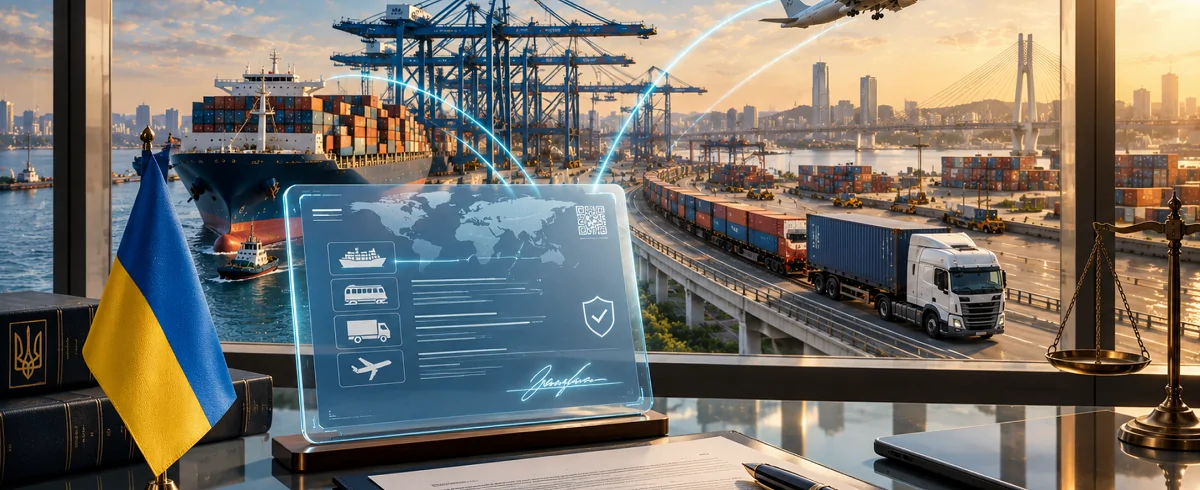
Back in 2021, Ukrainian legislation officially regulated the delivery scheme in which several modes of transport are combined for a single route.
For a business, a logistics company is one reliable partner instead of a dozen separate contractors. It handles communication with carriers and quickly resolves force-majeure situations on the road

Without reliable delivery, a farmer’s harvest won’t reach the market on time. A logistics company for a farmer is not just a service provider — it’s a partner on whom the financial outcome of the season depends.

On the night of July 19, 2026, a massive missile attack severely damaged the Ekol Logistics distribution center located in the AMTEL logistics complex.

Anna
Business development manager

Volodymyr
Business development manager

Artur
Business Development Manager
