

The Role of the Logistics Operator in Multimodal Transportation


The modern market dictates strict rules: being fast is not enough – you need to be flexible. When standard transportation by a single truck becomes impossible due to geography, complex combined schemes come into play. In this context, the logistics operator in multimodal transportation becomes not just an executor, but the chief architect of your supply chain. This is a specialist who takes disparate puzzle pieces – ports, railway stations, customs terminals-and integrates them into a single high-speed highway for your goods.
Multimodality is not just a change of transport modes, but a unified legal space. And the logistics operator is your counterparty who signs a single contract, while behind the scenes managing dozens of processes: from chartering a vessel in Shanghai to unloading pallets at a warehouse in Lviv.
According to Ekol experts, it is precisely this consolidation of responsibility that saves companies from chaos and financial losses.
Functions of a Logistics Operator in Multimodal Logistics
The operator’s work is a continuous intellectual process. When cargo crosses borders and changes environments, a zone of turbulence arises. The multimodal transport operator works as a stabilizer, calculating every node in advance and carrying out precise planning.
An Ekol specialist notes:
“In logistics, there are no trifles. If a container is delayed at a port for an extra two hours due to a paperwork error, we will miss the rail window, and the client will lose money. Our role is to be two steps ahead of any force majeure.”
If we analyze in detail what an operator does in multimodal transportation, the following blocks can be identified:
- Traffic design. Calculated routing where each kilometer costs the least.
- Dispatching. Continuous control to ensure that the vessel, train, and truck meet on time.
- Hub handling and warehousing. Organization of temporary storage, transshipment, and cargo consolidation without the risk of damage.
- Freight management. Purchasing transport capacity at wholesale rates.
The activity of a logistics operator in multimodal transportation within such schemes comes down to precise configuration of each stage — from documentation preparation to container movement. This makes it possible to turn the movement of goods between ports and stations into a predictable and clearly defined schedule, where the client is protected from unforeseen costs or delays.
Coordination of Different Modes of Transport
Logistics is not a straight line, but a network. Therefore, the operator for multimodal transportation skillfully juggles different types of equipment. Most often, one chain includes:
- Sea + road. When price is more important to the customer than speed.
- Rail + trucks. The golden mean for transcontinental routes.
- Air + “last mile.” For goods that cannot wait.
Such synchronization is an extremely precise work by the logistics operator in multimodal transportation. According to Ekol experts, competent “docking” of transport modes makes it possible to reduce transit time by 15–20%.
Supply Chain Management
What role does a logistics operator play in organizing multimodal delivery for business stability? It becomes the guarantor that your shelves will not be empty. Supply chain management is control over the dynamics, from the production line to the end consumer.
Here is how professional forwarding affects key indicators:
| Stage of the Chain | Operator’s work | Benefit for the Client |
| Loading | Containerization and seal control | Safety and integrity of the goods |
| Transit | Monitoring and transshipment | No delays at nodes |
| Final | Door-to-door distribution | Finished goods in the client’s hands |
Each such chain where multimodal transportation operates becomes stronger thanks to professional supervision.
Documentary and Customs Support
Paperwork is the main headache of any exporter. The responsibilities of a logistics operator in multimodal transportation include full preparation of documents for each country of transit, taking into account the specifics of their logistics infrastructure. This includes bills of lading, declarations, and certificates of origin.

An experienced logistics specialist knows the nuances of legislation in different jurisdictions. As an Ekol expert notes, an error of just one digit in an invoice can stop a truck for a week, which is why documentary accuracy is the number one priority.
Control of Deadlines and Cargo Safety
When goods travel thousands of kilometers, the issue of deadlines and integrity becomes critical. A logistics operator in multimodal transportation ensures protection at every transshipment point through:
- The use of reliable fastening systems and modern containers.
- Engagement of independent surveyors to inspect cargo in ports.
- Implementation of insurance programs that cover all risks.
A special place in the logistics operator’s work is occupied by strict time management. Deadline control is not merely tracking vehicle movement, but active schedule management. The specialist constantly monitors vessel arrival times, queues at borders, and the availability of free rail platforms. If a delay occurs at one of the stages, the multimodal transportation operator immediately adjusts the next link in the chain (for example, rebooking trucks for a later time or choosing another terminal) so that the overall delivery time remains unchanged.
Thus, safety and timeliness are transformed from theoretical promises into measurable results. The operator assumes the role of a 24/7 controller who, with their own reputation, guarantees that the cargo will not only arrive intact but will also reach the warehouse exactly on the day you expect it.
Use of Digital and IT Solutions
We live in an era of data and digitalization. The use of GPS tracking systems and blockchain technologies allows both the multimodal transportation operator and the Ekol client to see every movement of the cargo. The client always knows where their goods are without wasting time calling managers.
Cost and Route Optimization
Logistics audits make it possible to identify hidden reserves. The multimodal transportation operator reviews routes, abandoning expensive segments in favor of more rational ones. This may involve changing the port of arrival or using rail hubs instead of direct road transport across all of Europe.
Responsibility of the Logistics Operator to the Client
The main benefit for business is peace of mind. You have only one responsible party. If a disruption occurs at sea or at customs, it is the operator’s concern. They resolve problems independently, leaving the client with only the final result. This “turnkey” model is the only way to scale international sales without unnecessary stress.
FAQ
Are there any restrictions on cargo types for multimodal schemes?
Practically any goods can be transported this way. A logistics operator in multimodal transportation develops solutions both for standard palletized cargo and for oversized equipment, liquid products in flexitanks, or goods requiring strict temperature control (refrigerated containers).
Who is a logistics operator in multimodal transportation?
This is your strategic partner who organizes door-to-door delivery using different modes of transport. They bear full responsibility for the entire process, relieving you of the need to negotiate with individual carriers.
How is the cost of the operator’s services formed in this format?
The price is not static and depends on the selected route, shipment volume, and urgency. The multimodal transportation operator forms an end-to-end tariff that includes freight, port charges, transshipment costs, customs clearance, and forwarding services. Thanks to direct contracts with shipping lines and its own fleet of equipment, Ekol ensures cost optimization, which is usually more advantageous than ordering each service separately.
read more
Similar articles
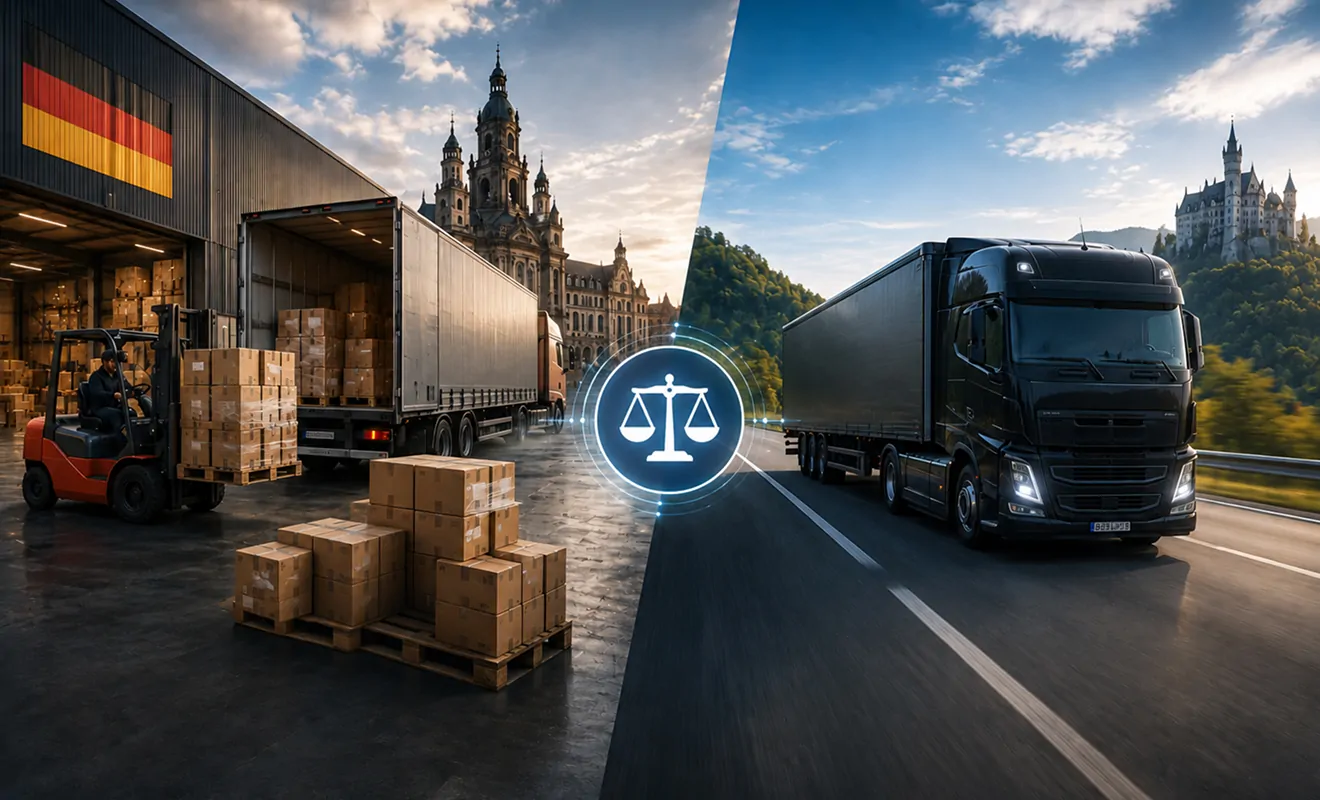
Logistics offers two tools for shipping from Germany: Less-than-Truckload (LTL) consolidation and Full Truckload (FTL) shipments.
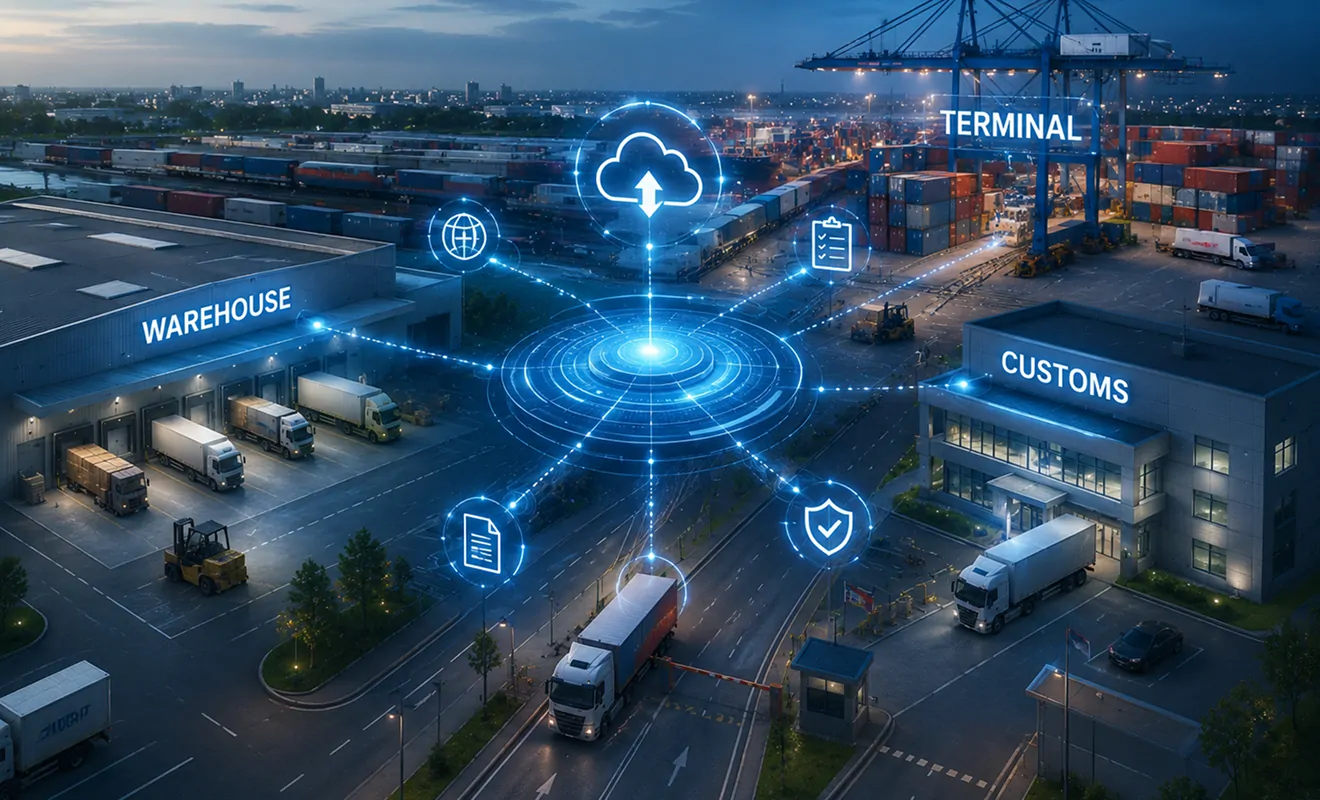
A dry port is one of the solutions to the problem of congestion at seaports and customs-logistics infrastructure. It relocates part of operations inland. But the real impact comes from digital integration.
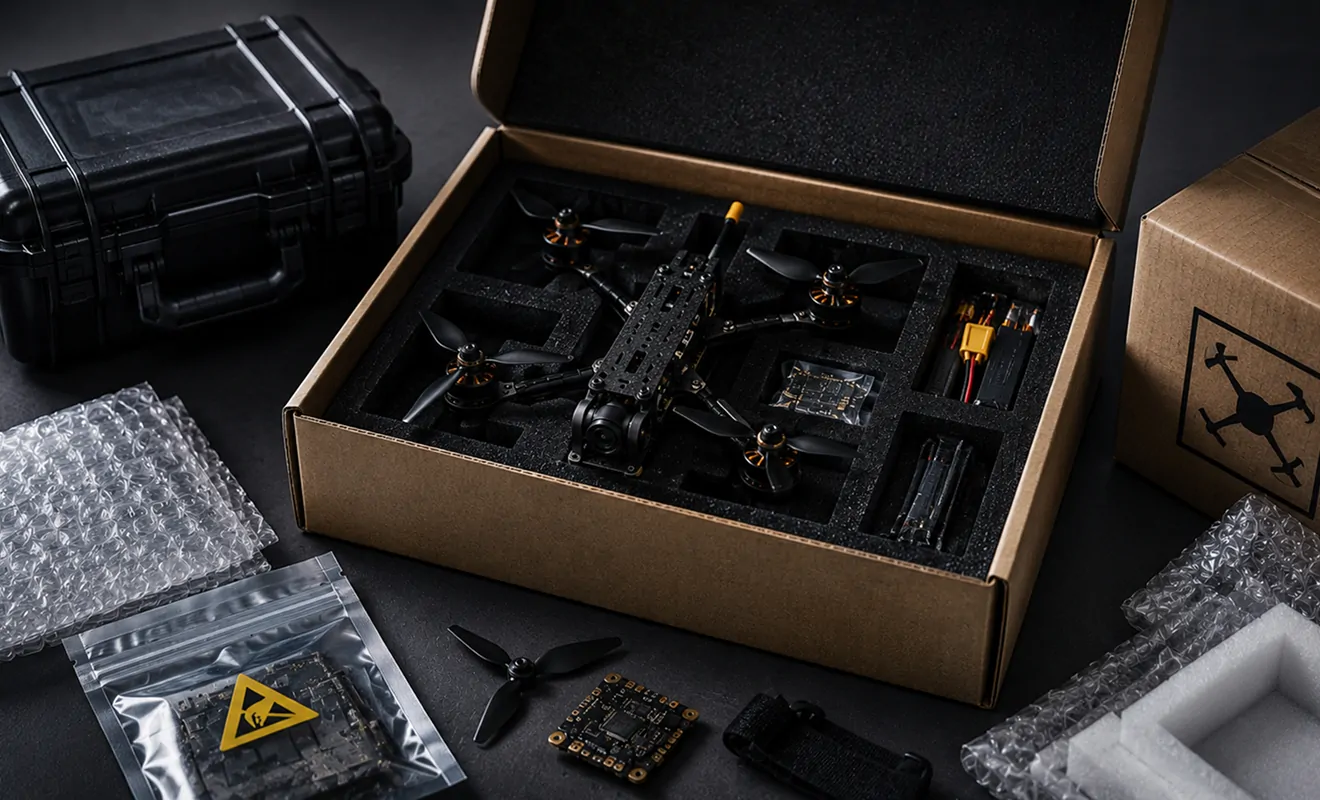
Most FPV components are sourced from China. This is a long route with temperature fluctuations and extended storage in transit zones.
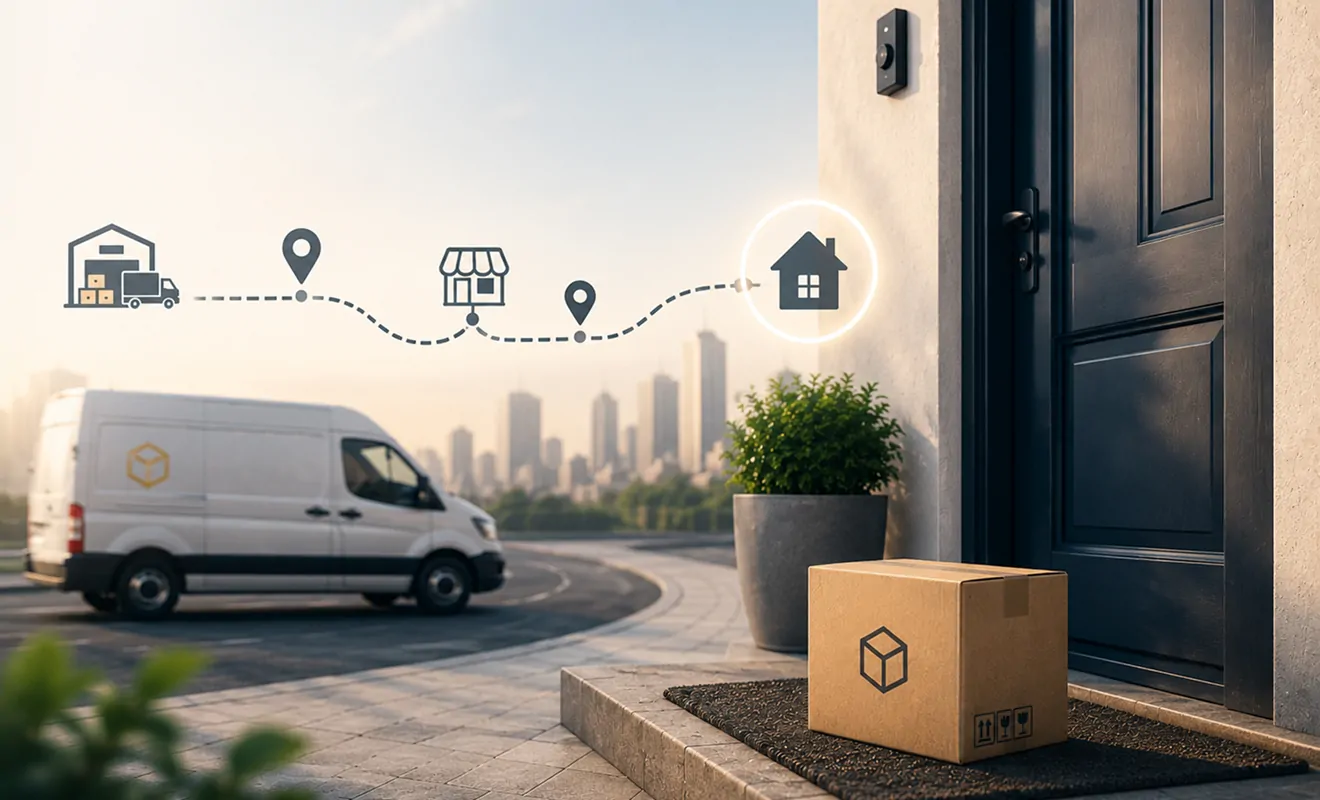
Last-mile delivery is the final stage of the logistics chain, which shapes both the service cost and customer loyalty.
There are more than 8,000 kilometers between Ukraine and Japan, with no shared border or direct rail connection. Despite this, imports from Japan to Ukraine are growing
Just a few years ago, a dispatcher would spend an hour on a single request. Today, AI agents in logistics accomplish the same task in minutes – without phone calls or errors.

Anna
Business development manager

Volodymyr
Business development manager

Artur
Business Development Manager
