

Documentation Flow and Customs Clearance in Multimodal Transport


International trade is the movement not only of vessels or trucks, but also of paperwork. In complex logistics schemes involving several modes of transport, the bureaucratic factor becomes decisive for success. Properly organized documentation flow is the foundation on which multimodal cargo transportation is built, allowing businesses to avoid downtime and unnecessary financial costs.
When goods cross several national borders, changing from sea to rail or road transport, the number of required approvals increases exponentially. Understanding which documents are required for multimodal transportation allows a business owner to lay the groundwork for smooth transit in advance.
Main Types of Documents in Multimodal Logistics
For the successful start and completion of a route, a freight forwarder must compile a package confirming ownership rights, the goods’ value, and their characteristics. If you ask a specialist which core documents are required for multimodal transportation, they will highlight the following list:
- A commercial invoice, containing full information on the price and delivery terms.
- A packing list with a detailed description of the weight and number of packages.
- Certificates of origin and quality are required for customs clearance.
- A bill of lading or international waybills, depending on the stage of the route.
A special role is played by the law on multimodal transport, which regulates the legal aspects of using a single transport document – the multimodal bill of lading. An Ekol specialist’s note:
“A single document for the entire route is an ideal model, but in practice, we more often deal with a combination of waybills for each segment. This requires jewel-level precision from the logistics specialist when synchronizing data between them.”
Specifics of Documentation When Changing Modes of Transport
Many entrepreneurs ask: What is the difference between documentation flow in multimodal and international transport?
In a standard international shipment (for example, by truck only), you have one set of documents from point A to point B. In multimodal schemes, information is continuously transformed: data from the maritime bill of lading must be accurately transferred into the SMGS railway bill or the road CMR.
The transport waybill plays the role of a “passport” for the cargo. It not only confirms that the goods have been accepted by the carrier, but also contains instructions on handling the container at terminals. Any discrepancy in weight or description of the goods between the maritime and inland documents results in the cargo being blocked at the port.
Customs Clearance in International Multimodal Transport
The customs clearance process when changing modes of transport requires special attention to the place of declaration submission. Customs clearance for multimodal transport may take place either at the point of first border crossing or within the area of responsibility of the recipient’s internal customs office.
To optimize this process, a logistics company must ensure:
- Verification of the consistency of HS codes in all accompanying documents.
- Timely submission of advance notification to customs authorities.
- Obtaining the necessary permits and licenses for import or export.
Thus, the main secret of success here lies in proactivity. Instead of resolving issues at the border, the logistics specialist eliminates them at the certification stage. This comprehensive approach minimizes the human factor and allows inspections to be completed under the shortest possible scenario while maintaining the planned logistics cost.
Transit Procedures and the T1 Declaration
When goods move through the territory of the European Union to Ukraine (or vice versa), the key instrument is the T1 transit declaration. It is required for goods of non-European origin that are transported between customs warehouses or ports without paying customs duties in the transit country.
The processing of the T1 is carried out by a customs broker on the basis of the invoice, packing list, and power of attorney. This document guarantees to the state through whose territory the cargo is transported that all taxes will be paid in the country of destination. Ekol specialists recommend opening the T1 directly at the port of arrival or at the border to ensure uninterrupted logistics.
Interaction with Customs Authorities and Brokers
High-quality logistics is impossible without close cooperation with brokerage services. A professional broker becomes a shield between the business and the state regulator. They carry out a preliminary risk analysis and perform the following functions:
- Control. Verification of the presence of the cargo in intellectual property registers.
- Coordination. Communication with inspectors regarding the value and inspection of the goods.
- Support. Resolution of disputed situations during inspections at the border.
Thus, working with customs through a professional intermediary turns into a clearly managed business process.
Typical Documentation Errors and Their Consequences
Even a minor inaccuracy can trigger a chain reaction. Documents for international multimodal transport must be identical at all stages.
The main risks of incorrect documentation are:
| Error | Consequence |
| Incorrect weight in the CMR | Delay at weighing stations, fine |
| Error in the HS code | Value adjustment, downtime |
| Missing certificate | Impossibility of customs clearance |
An Ekol specialist notes: “It is better to spend an extra hour on verification by the client than a week explaining matters to customs.”
Digitalization of Documents in Multimodal Transport
The future lies in electronic waybills (e-CMR) and digital ports. Modern documents for multimodal delivery increasingly exist in the form of QR codes or electronic registers. This makes it possible to synchronize data between maritime and road transport within seconds, eliminating the human factor.

Liability of the Parties in the Customs Clearance Process
In accordance with legal regulations, liability is distributed among the consignor (for the accuracy of the data), the carrier (for the safekeeping of documents during transit), and the broker (for the correctness of declaration). However, a full-cycle logistics operator usually assumes the role of the main controller who verifies all participants in the process.
Conclusions and Recommendations for Business
To ensure that your import or export proceeds without delays, we recommend following three “golden” rules:
- Preliminary audit. Provide copies of documents to your logistics provider even before the truck leaves the warehouse.
- Unification. Ensure that the name of the goods is identical in the invoice, waybill, and certificates.
- Trust in experts. Work with companies that have their own customs departments and experience in multimodal transport.
Compliance with these recommendations transforms complex logistics into a clear and predictable delivery algorithm, in which your goods always arrive on time and your business operates without forced pauses.
FAQ
Which documents are required for international multimodal transport in 2026?
In addition to standard invoices and CMR waybills, documents confirming the environmental friendliness of packaging and digital copies of certificates have become critically important.
What is a multimodal bill of lading, and is it possible to rely only on it?
It is a single document that covers the entire route of the cargo using different modes of transport. However, in Ukraine, due to the specifics of railway legislation, it is often necessary to issue additional waybills for domestic sections of the route.
How can delays in issuing a T1 declaration be avoided?
The most important factor is having a confirmed guarantee from a financial institution or broker that covers the amount of customs duties. It is also important that the customs office of departure in Europe enters the data into the NCTS system in a timely manner.
read more
Similar articles
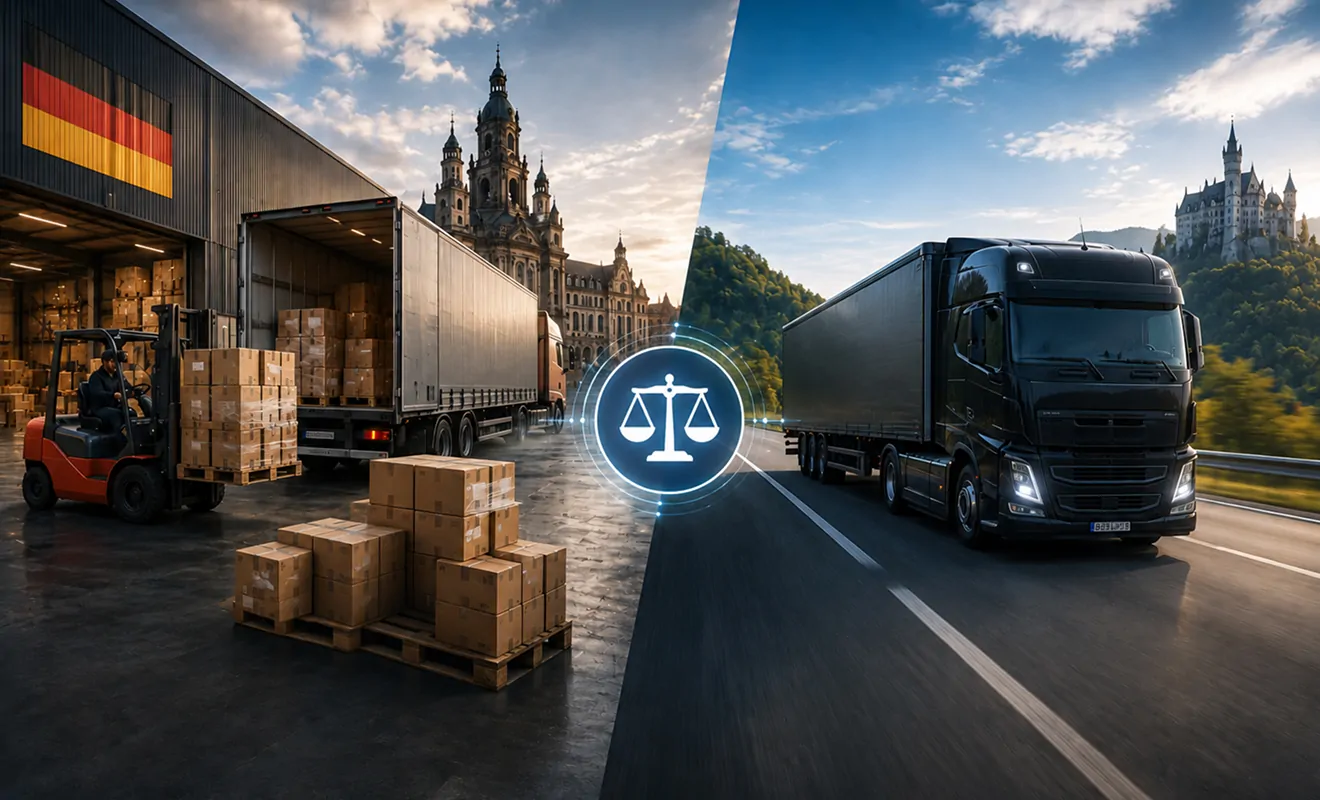
Logistics offers two tools for shipping from Germany: Less-than-Truckload (LTL) consolidation and Full Truckload (FTL) shipments.
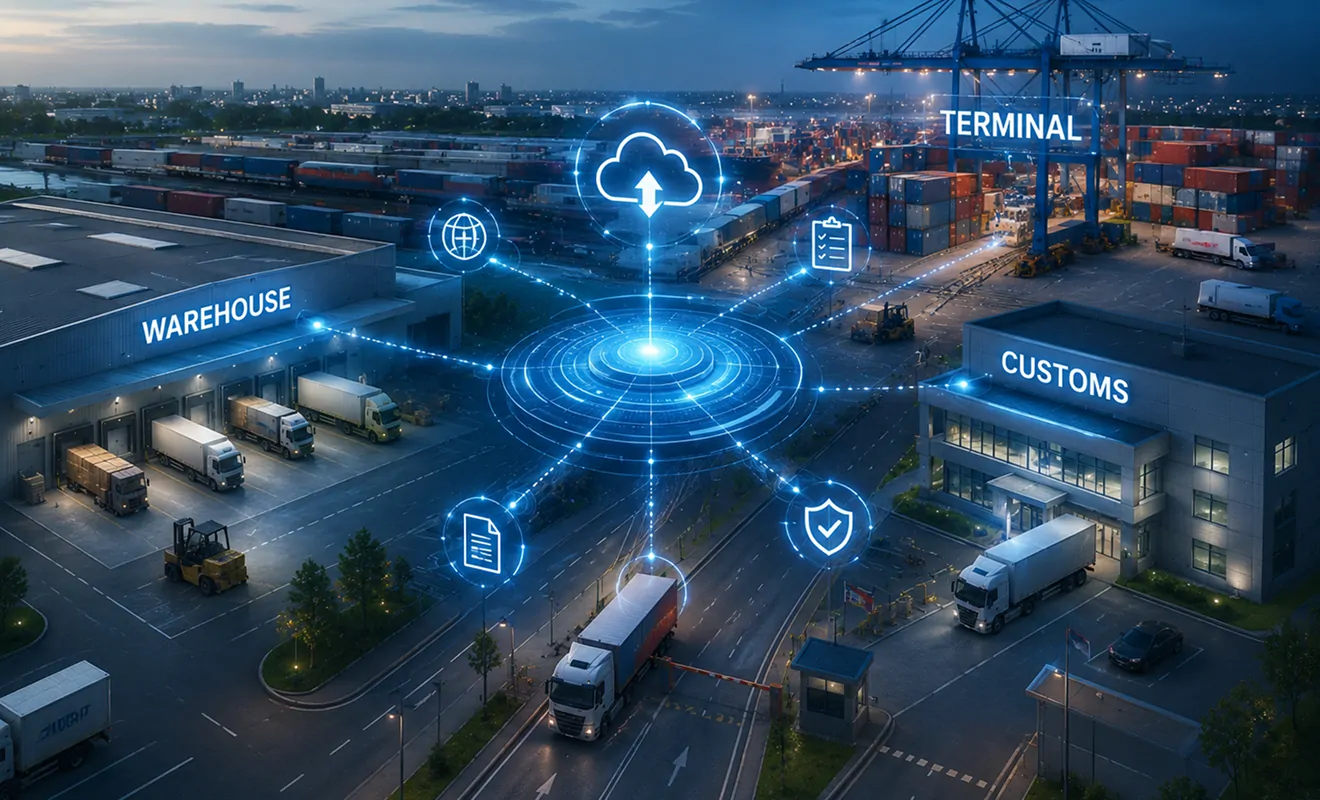
A dry port is one of the solutions to the problem of congestion at seaports and customs-logistics infrastructure. It relocates part of operations inland. But the real impact comes from digital integration.
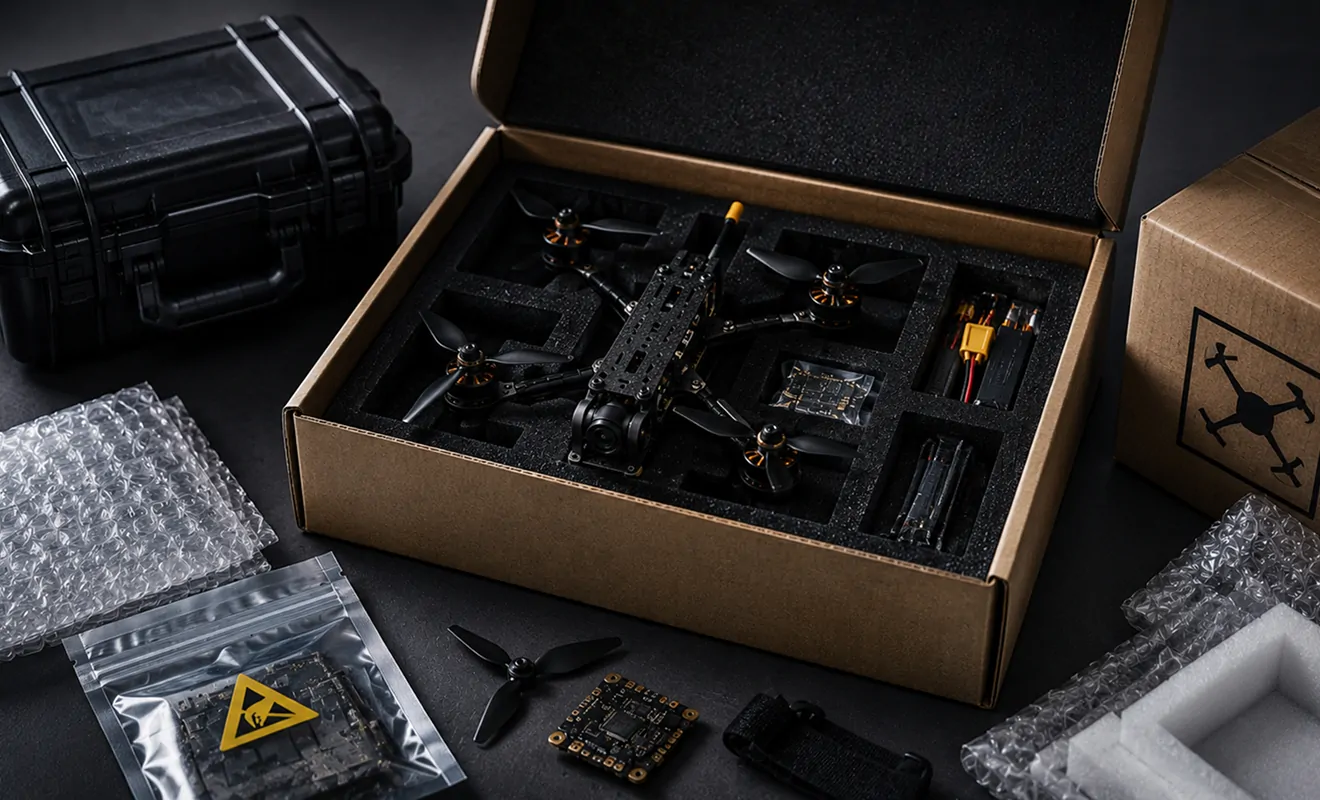
Most FPV components are sourced from China. This is a long route with temperature fluctuations and extended storage in transit zones.
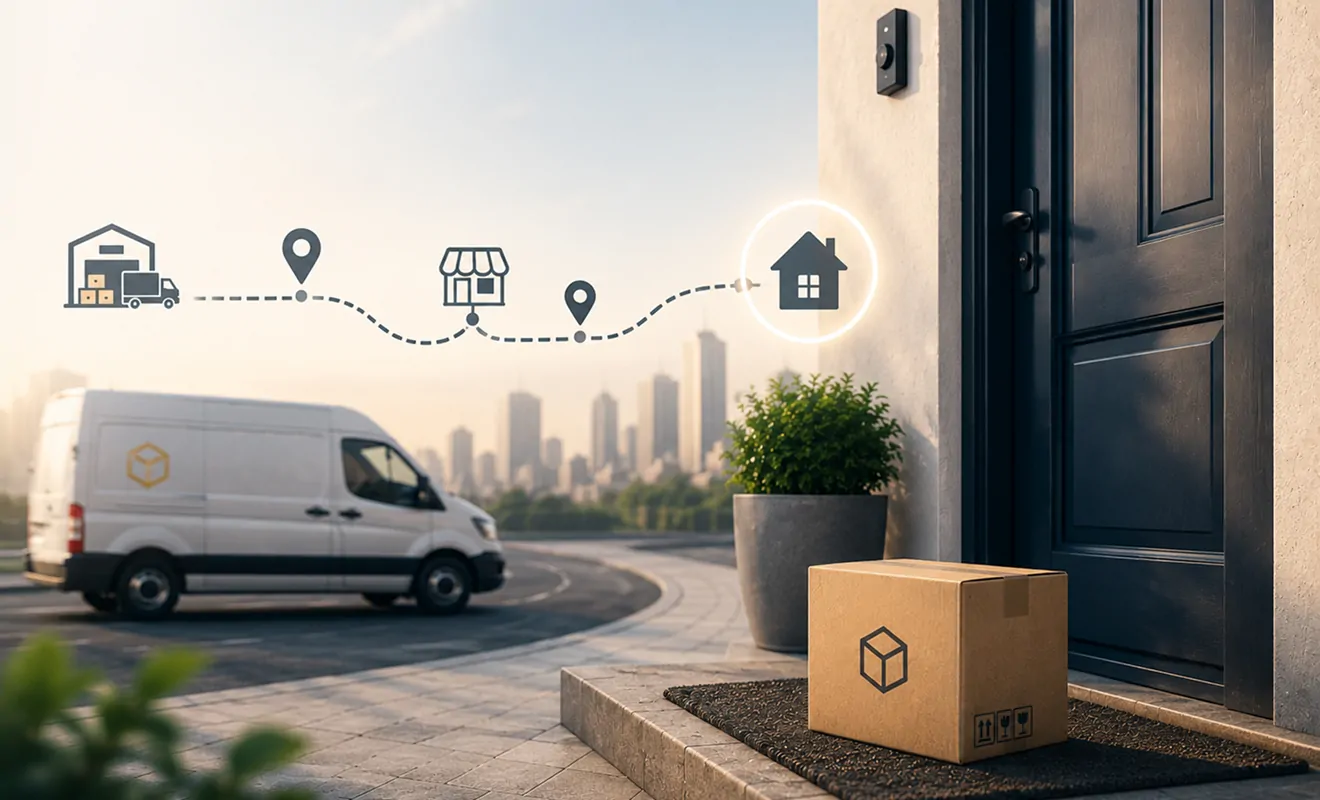
Last-mile delivery is the final stage of the logistics chain, which shapes both the service cost and customer loyalty.
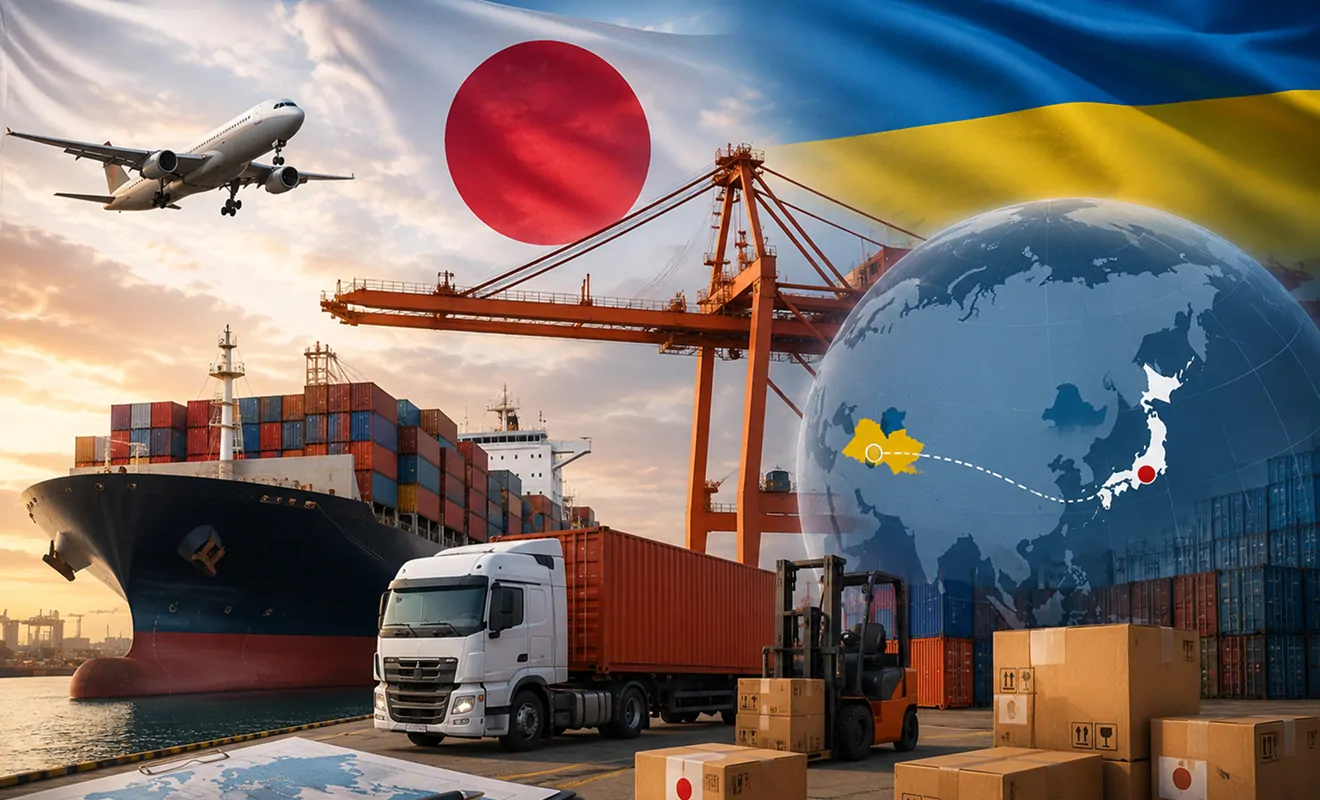
There are more than 8,000 kilometers between Ukraine and Japan, with no shared border or direct rail connection. Despite this, imports from Japan to Ukraine are growing

Just a few years ago, a dispatcher would spend an hour on a single request. Today, AI agents in logistics accomplish the same task in minutes – without phone calls or errors.

Anna
Business development manager

Volodymyr
Business development manager

Artur
Business Development Manager
