

Multimodal Transportation for Business – What to Pay Attention to When Choosing a Logistics Partner


Success in international markets largely depends on the flexibility of supply chains. When direct delivery using a single mode of transport becomes too expensive or physically impossible, companies look for alternatives. One alternative is multimodal freight transportation.
What criteria should be considered when searching for a contractor? How does combining different modes of transport help optimize costs? Why has digital transparency become a mandatory condition for collaboration? And most importantly, what are the benefits of multimodal transportation? We explain in this article.
What Are Multimodal Transportation Services?
Let’s start with the terminology. Multimodal transportation is the process of delivery in which two or more modes of transport (for example, ship + train + truck) are involved in a single route, but the entire process is managed by one logistics operator.
The main difference from intermodal delivery is the presence of a single organizer responsible for the entire cargo route (even if it crosses several oceans). After all, you sign only one contract.
This approach is becoming increasingly popular. The multimodal logistics market is projected to grow from ≈$809 million in 2026 to ≈$1,344 million in 2035 – an increase of 66%.
An average annual growth rate (CAGR) of 5.5% shows that businesses are increasingly moving away from complex single-mode models. Instead, they are seeking reliable integrated solutions such as multimodal delivery.
Benefits of Multimodal Logistics for Business
What do multimodal transportation services mean for entrepreneurs? First and foremost, it is the opportunity to enter markets where there is no direct connection. However, there are also more pragmatic advantages that directly impact a company’s P&L:
- Cost optimization. You can combine low-cost sea transport for the main part of the route with fast road transport for the “last mile.”
- Time reduction. In some directions, combining rail and road is faster than pure sea transport and cheaper than air transport.
- Simplified accounting. You work with one contractor, receive one invoice, and have a single point of responsibility.
Multimodal transportation is most beneficial for companies importing consumer goods. Electronics, clothing, and spare parts are easily packed and conveniently transshipped. This simplifies logistics and reduces delivery costs.
Key Criteria for Choosing a Logistics Partner
When considering which multimodal transportation company suits your needs, price should not be the only selection factor. A low rate often comes with hidden costs. Let’s look at what really matters.
Experience and International Expertise of the Company
Logistics at the intersection of different modes of transport requires a partner to understand the operation of ports and terminals in various countries. It is important that the company has established connections at key transport hubs.
At Ekol, we are convinced: “The most difficult part of multimodal deliveries is coordinating between carriers. Our own network of agents in ports allows us to control this process locally and avoid delays.”
The presence of a well-developed international network is what makes our service reliable. While others spend days corresponding with contractors, we know how to act in each major transport hub. As a result, cargo does not get stuck at transshipment points, and bureaucracy is reduced to zero.
Infrastructure and Transport Capabilities
Quality multimodal transportation for business is impossible without access to different types of equipment. It is important that a partner can offer not only freight but also the right type of containers, space on rail platforms, and their own fleet of vehicles.
It is convenient to compare capabilities by evaluating the role of each mode of transport in the supply chain:
| Mode of Transport | Function in Multimodal Transportation | Selection Priority |
| Sea | Intercontinental delivery of large volumes | Minimum cost |
| Rail | Transit over long distances within a continent | Stable transit times regardless of weather |
| Air | Urgent delivery of valuable or perishable cargo | Maximum speed |
| Road | Delivery directly to the warehouse door | Route planning flexibility |
The choice depends on the balance between budget and time your business can afford. Additionally, different combinations allow adaptation to seasonal sales peaks or urgent orders.

Customs Brokerage and Documentation Support
When cargo is transshipped, the accompanying documentation changes. Sea transport requires a bill of lading, road transport – a CMR, and air transport – an air waybill.
A reputable multimodal transportation company handles documentation and customs issues independently:
- verifies the compliance of all HS codes;
- prepares necessary permits (and insurance if required);
- monitors duty payments at all stages;
- coordinates the exchange of documents between all carriers.
This ensures the continuity of the supply chain, reduces the risk of delays, and guarantees timely delivery according to the requirements of customs authorities and carriers.
At Ekol, we focus on what matters most: you receive the cargo, and we handle the paperwork.
Process Transparency and Delivery Control
Businesses need to see the movement of their capital in real time—especially when goods in containers are worth millions. To achieve this, professional operators use:
- 24/7 cargo tracking in specialized systems;
- Data consolidation platforms that generate reports;
- Integration of the logistics provider’s IT system with yours to exchange information.
Such control is never excessive. It allows entrepreneurs to prepare warehouses in time for cargo reception or adjust sales plans if the schedule unexpectedly shifts.
Cost, Timing, and Contract Terms
A reliable partner always provides transparent rates: you know in advance the cost of both freight and each accompanying operation. In multimodal transportation, the financial part usually covers:
- Main freight – payment for the primary transport leg (sea or rail).
- Terminal handling of cargo – the cost of transshipping the container at ports or terminals.
- Forwarding and brokerage services – payment for cargo escort, document processing, and customs procedures.
- “Last mile” stage – the cost of the final multimodal delivery of cargo from the terminal to your warehouse or door.
Before signing a contract, clarify the Incoterms conditions, the extent of insurance, and the presence of hidden charges such as demurrage and detention.
Conclusions and Recommendations
The advantages of multimodal transportation are obvious: faster delivery, timely supply of raw materials, and better stock arrangement on store shelves. For your business to thrive, choose a partner who is responsible for the entire route, controls all stages, and transparently shows rates and insurance conditions.
With a partner like Ekol, you get comprehensive supply chain management – even if a container is loaded in Ukraine and unloaded at a warehouse in Central Asia. At the same time, the safety and efficiency of transportation always come first.
FAQ
Which types of transport are most often combined?
The most popular scheme for Ukraine is “sea + road.” The cargo arrives at a European port, and then trucks deliver it to the customer.
Is it necessary to coordinate the route if it passes through several countries?
Yes, prior coordination is mandatory to synchronize transport schedules and comply with the transit rules of all countries.
How does cargo consolidation affect cost?
By consolidating cargo, the broker combines small shipments into one container. This reduces costs proportionally to the volume of your cargo.
read more
Similar articles
For a business, a logistics company is one reliable partner instead of a dozen separate contractors. It handles communication with carriers and quickly resolves force-majeure situations on the road

Without reliable delivery, a farmer’s harvest won’t reach the market on time. A logistics company for a farmer is not just a service provider — it’s a partner on whom the financial outcome of the season depends.
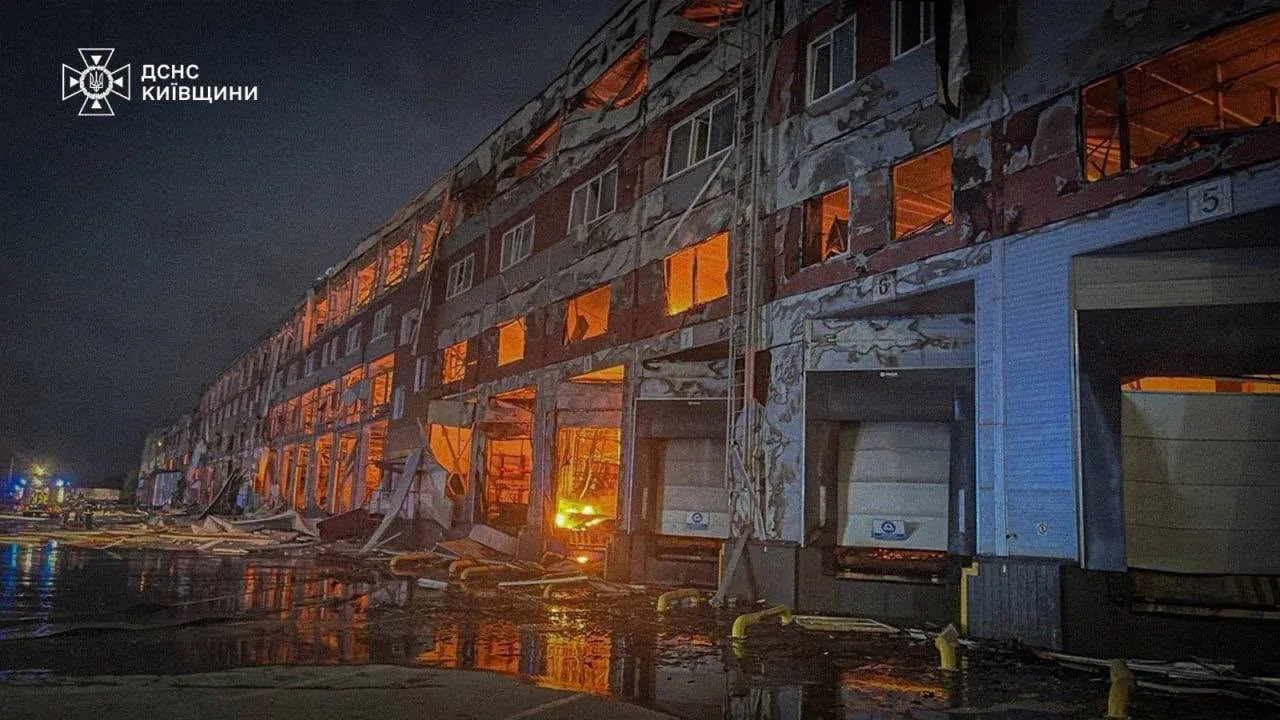
On the night of July 19, 2026, a massive missile attack severely damaged the Ekol Logistics distribution center located in the AMTEL logistics complex.
The changes for Ukrainian exporters in 2026 concern not only export clearance procedures but also the organization of shipments to EU countries.
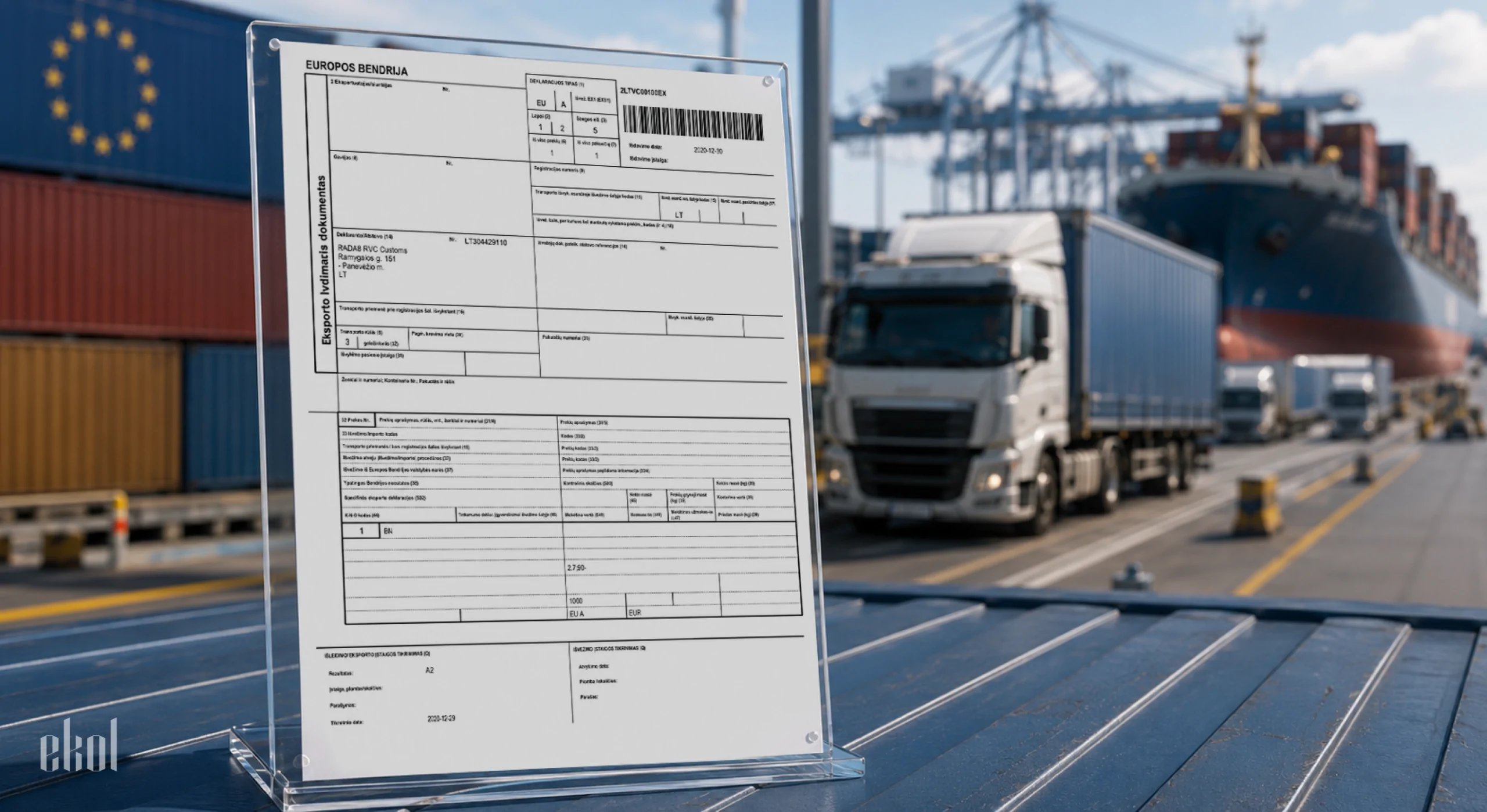
Export requires proper customs clearance and document preparation. For businesses, it is important not only to deliver the goods but also to successfully complete all procedures when crossing the border.

Entering the European Union market opens significant opportunities for Ukrainian companies. However, the success of such expansion depends on the ability to establish proper logistics.

Anna
Business development manager

Volodymyr
Business development manager

Artur
Business Development Manager
