

B2B Shipping Trends in 2026 – Automation, Sustainability, AI


The logistics trends for B2B in 2026 significantly influence the market’s development, shape customer expectations, and change company business models. Automation and digitalization help work faster, analytics and AI allow demand and route planning based on precise data, environmental standards encourage businesses to switch to greener transport types, and modern digital platforms ensure real-time transparency and control. Together, these trends ensure the sustainability and competitiveness of B2B businesses. As a result, logistics becomes more flexible, which is crucial in today’s ever-changing conditions.
Automation of Logistics Processes in B2B Shipments
One of the key trends in 2026 is Smart Logistics for B2B. This approach involves using digital technologies at every step of the supply chain. Automated warehouses, TMS/WMS systems, robotics, and unified digital platforms significantly reduce human error risk, speed up processing, and allow for more precise resource planning.
EKOL specialists advise B2B businesses: “When choosing a logistics partner, find out what innovations the company is using. Having its own IT systems, a unified database, automated document flow, and analytics tools is an indicator that the partner can provide speed, predictability, and transparency at all stages of supply.”
Artificial Intelligence and Data Analytics in Logistics
AI in logistics collects vast amounts of data and then offers the most effective solutions. Currently, artificial intelligence in logistics is applied in the following areas:
| Application Area of AI | Data Analyzed | Outcome |
| Routing | Traffic, road conditions, and geographic data about routes | Optimal route construction |
| Resource Management | Cargo characteristics, vehicle dimensions | Loading recommendations |
| Strategic Planning | Order history, seasonality, market factors | Accurate demand forecasting |
| Safety and Stability | Current transportation status, weather conditions, and potential traffic delays | Risk warnings for delays |
Reliable logistics operators use forecasting tools, route optimization, automated planning, and KPI tracking. This directly impacts the stability of supply and scalability.

Sustainability and Green Logistics for Business
The future of B2B logistics lies in Green Logistics. This allows for decarbonization, tangible savings, and compliance with regulatory requirements. Companies are implementing the following technologies:
- Switching to multimodal transportation
- Expanding their fleet with electric vehicles
- Implementing energy management systems
- Reducing non-renewable energy consumption
- Using solar energy for energy efficiency in warehouses
All of this reduces emissions, decreases non-renewable energy consumption, and improves operational efficiency.
“Reliable logistics operators undergo environmental certification and implement carbon footprint reduction programs. This will help avoid issues with environmental standards in EU markets in the coming years,” note EKOL specialists.
Digital Platforms and Supply Chain Integration
Another trend is creating a unified supply chain management center. Leading logistics companies are integrating TMS, WMS, ERP, and other systems into a single interface, providing online tracking, managing document flow online, and collecting analytics.
Thanks to this integration, all partners have transparent information about shipments. This reduces delays and ensures scalability.
Transparency, Control, and Cybersecurity in Shipments
Logistics for business in 2026 is about transparency and control at every stage of the digital ecosystem. The client should see everything: the route, documents, ETA, cargo status, and KPIs. However, with the growth of digitalization comes another requirement – data protection. Reliable companies use cloud services with enhanced security, GPS monitoring, transport condition sensors, access logging systems, and real-time threat detection.
“We recommend checking what cybersecurity protocols the operator uses, which encryption methods they apply, and how they protect cloud platforms. This is critical if you’re transporting valuable goods,” advise EKOL specialists.
Changing B2B Client Requirements and the Service Model of Logistics
B2B clients expect comprehensive supply chain management. The focus must remain on many factors: speed, transparency, system integration, analytics, and adaptability to the business. Logistics is turning into a service, and operators are becoming strategic partners. In response, modern logistics companies are building a service model oriented toward partnership.
Impact of Global Markets and Regulatory Changes
Currency fluctuations, fuel price changes, new customs rules, and environmental standards – all directly impact logistics processes. In 2026, it is important to have alternative routes, alternative transport types, and digital tools.
A reliable logistics partner carefully monitors regulatory changes, provides support during customs control, and develops backup logistics scenarios.
Practical Recommendations for Businesses
If you want to follow modern logistics trends, adhere to the following recommendations:
- Digitalize interaction with your logistics partner.
- Use AI for demand forecasting and resource planning.
- Choose logistics operators that implement decarbonization strategies and comply with environmental standards.
- Focus on flexibility, allowing you to respond quickly to market changes.
Ensure cybersecurity at the company level and in interaction with the logistics operator.
Conclusions and Development Prospects of B2B Shipments
The B2B shipping trends of 2026 are a combination of AI, Smart Logistics, sustainability, and high levels of service personalization. Digital technologies, data analytics, automation, and multimodal solutions are setting new standards for operations. In this model, logistics operators become part of their clients’ business strategies, achieving real synergy.
FAQ
What role does AI play in route planning and delivery?
AI allows for rapid response to real-time changes, helps efficiently load vehicles, and plans delivery schedules.
Are AI solutions available for small and medium B2B businesses?
Yes, many platforms offer cloud services, route planning modules, analytics, and tracking. This allows smaller companies to automate their internal processes.
read more
Similar articles
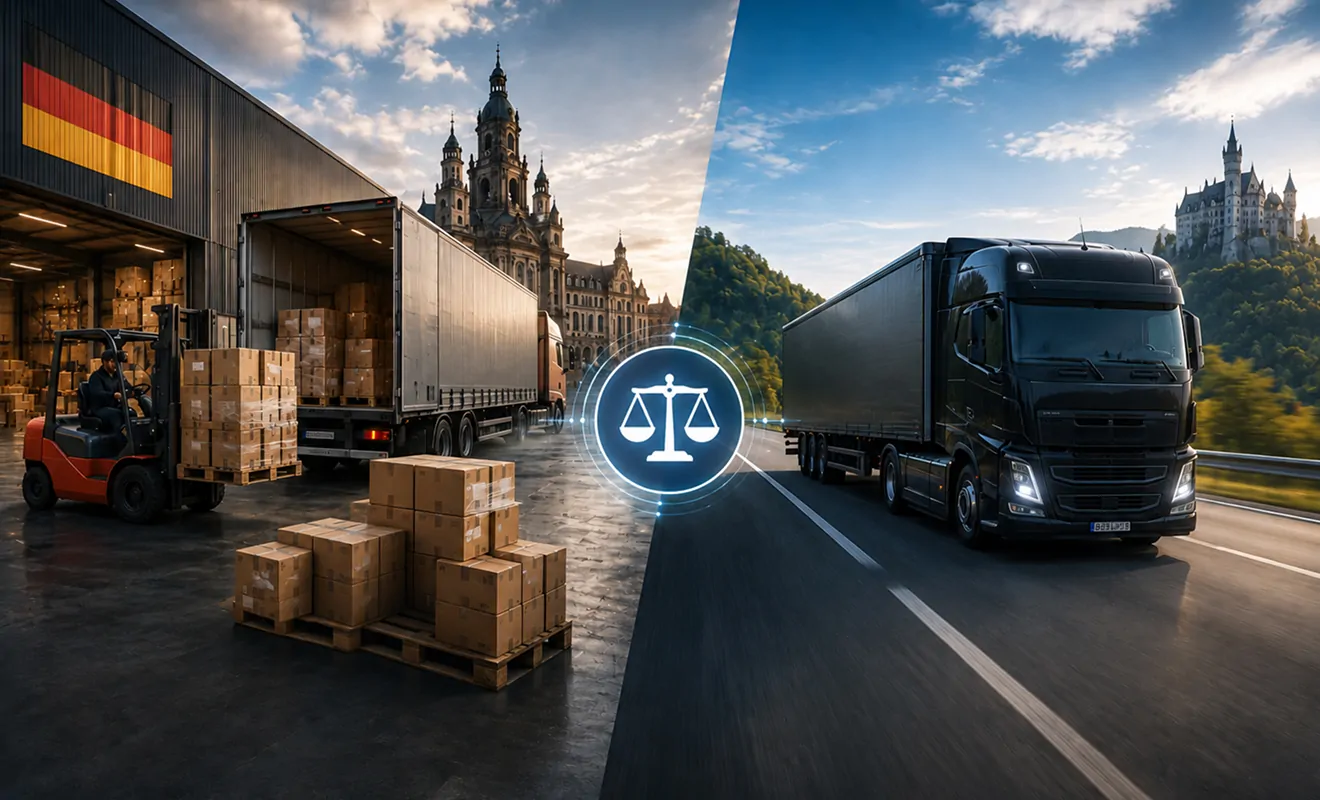
Logistics offers two tools for shipping from Germany: Less-than-Truckload (LTL) consolidation and Full Truckload (FTL) shipments.
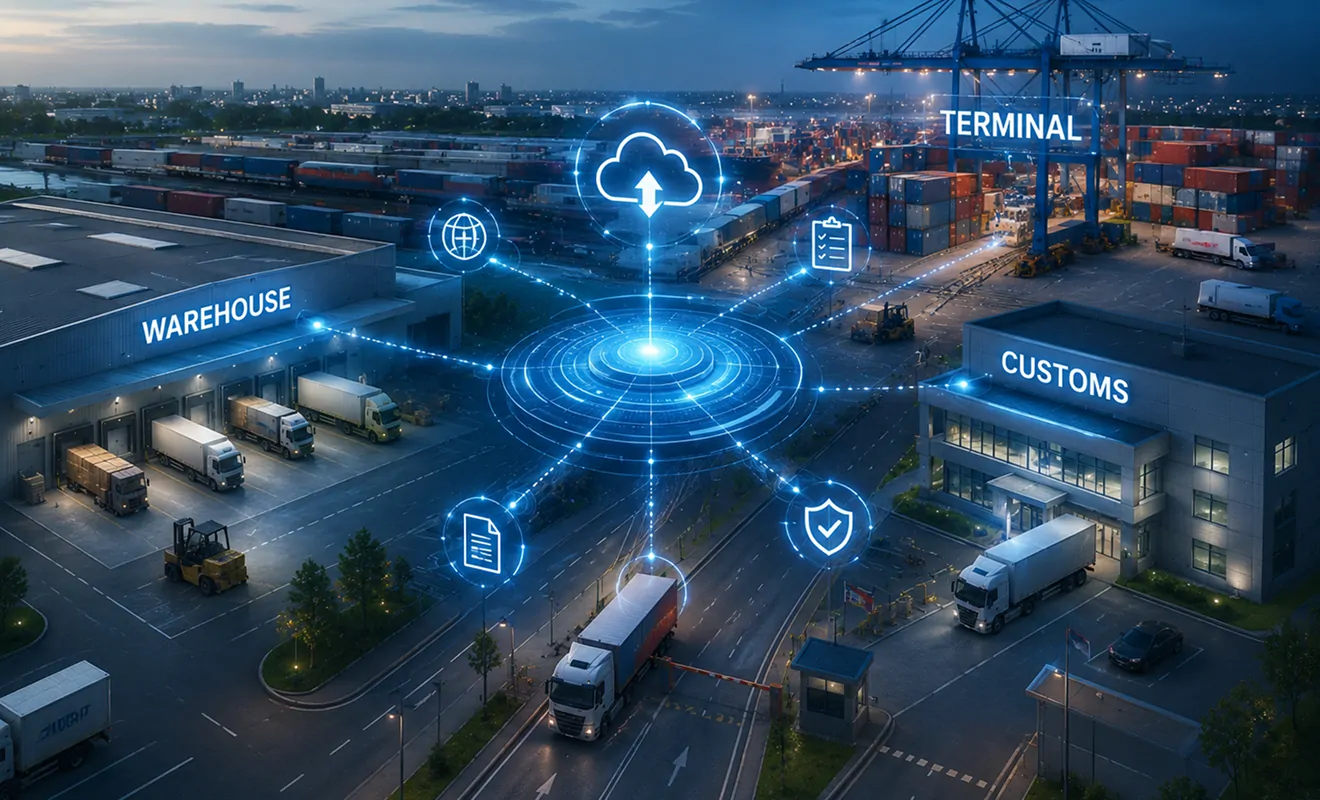
A dry port is one of the solutions to the problem of congestion at seaports and customs-logistics infrastructure. It relocates part of operations inland. But the real impact comes from digital integration.

Most FPV components are sourced from China. This is a long route with temperature fluctuations and extended storage in transit zones.
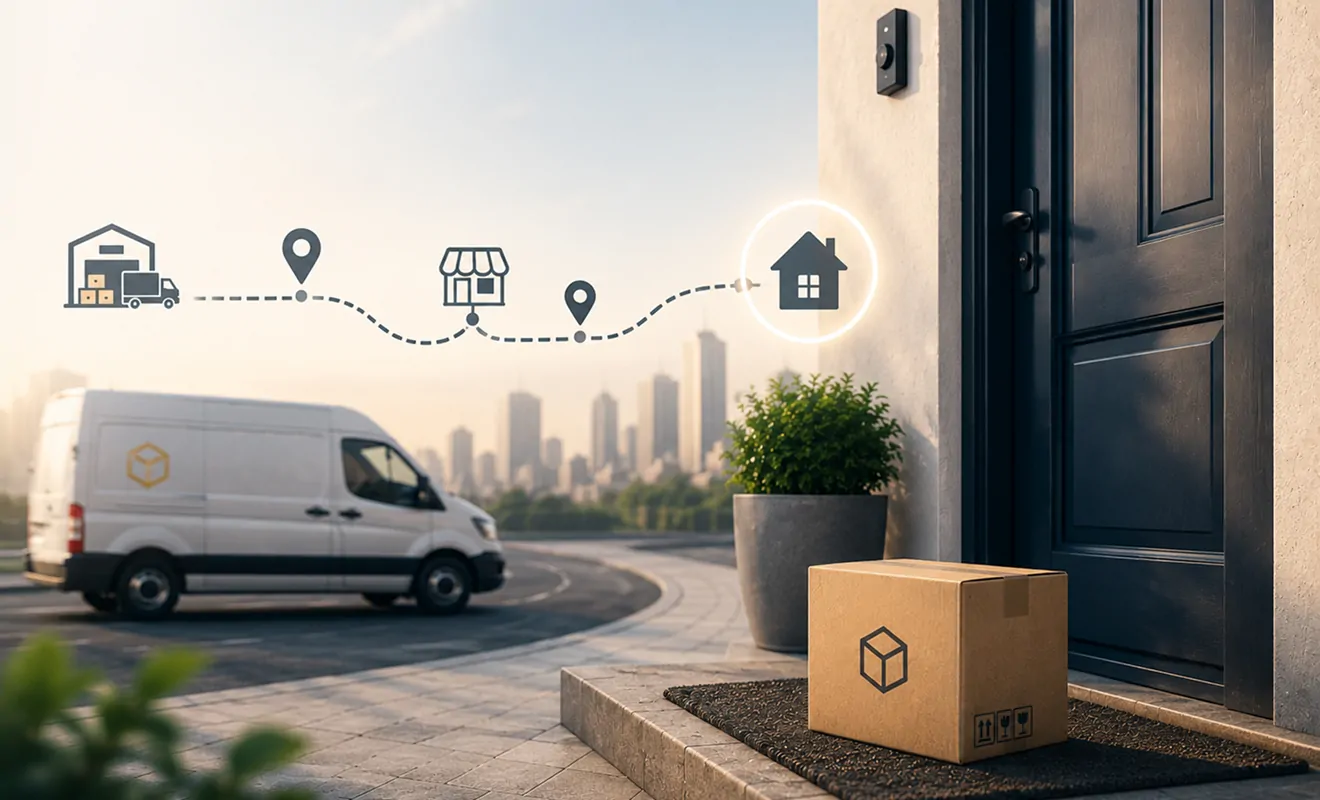
Last-mile delivery is the final stage of the logistics chain, which shapes both the service cost and customer loyalty.
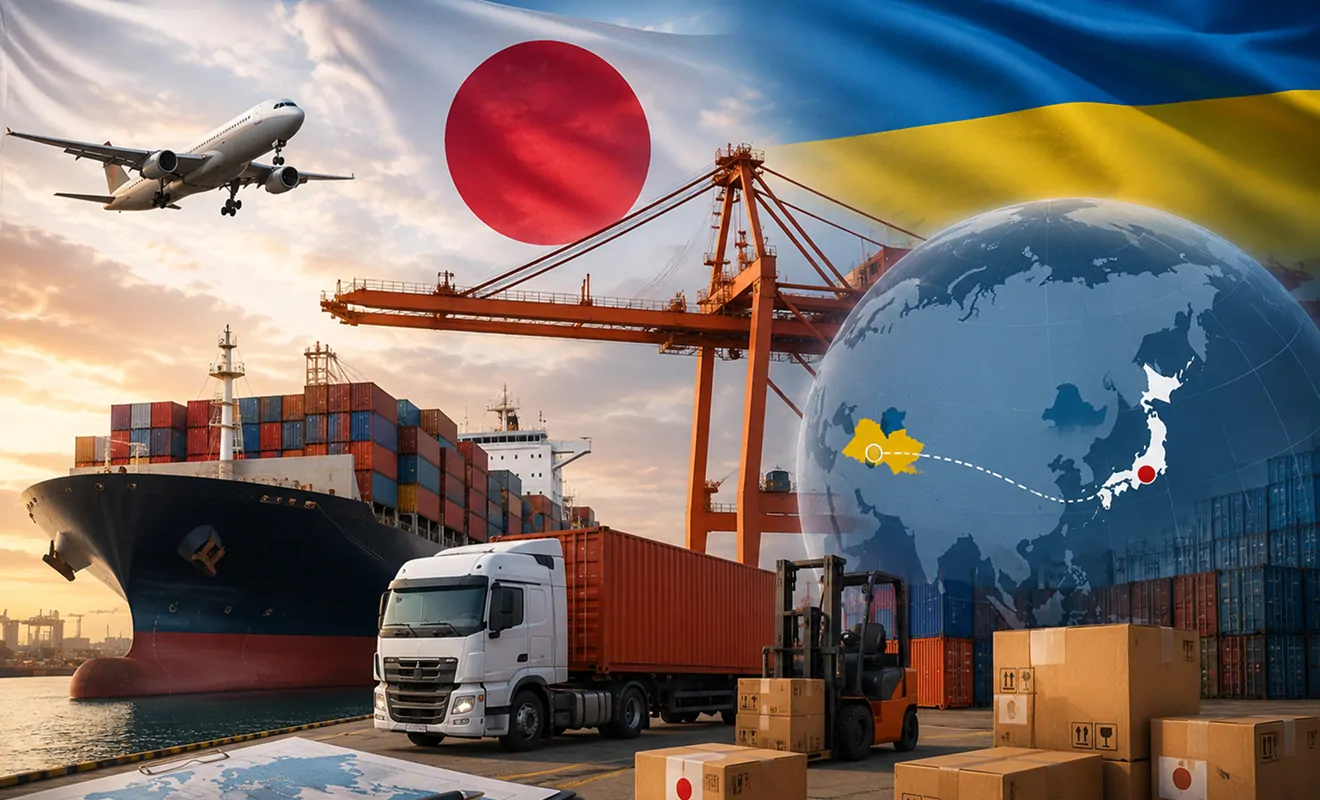
There are more than 8,000 kilometers between Ukraine and Japan, with no shared border or direct rail connection. Despite this, imports from Japan to Ukraine are growing

Just a few years ago, a dispatcher would spend an hour on a single request. Today, AI agents in logistics accomplish the same task in minutes – without phone calls or errors.

Anna
Business development manager

Volodymyr
Business development manager

Artur
Business Development Manager
