

Customs Tariffs and Customs Fees: A Complete Guide for Importers and Buyers

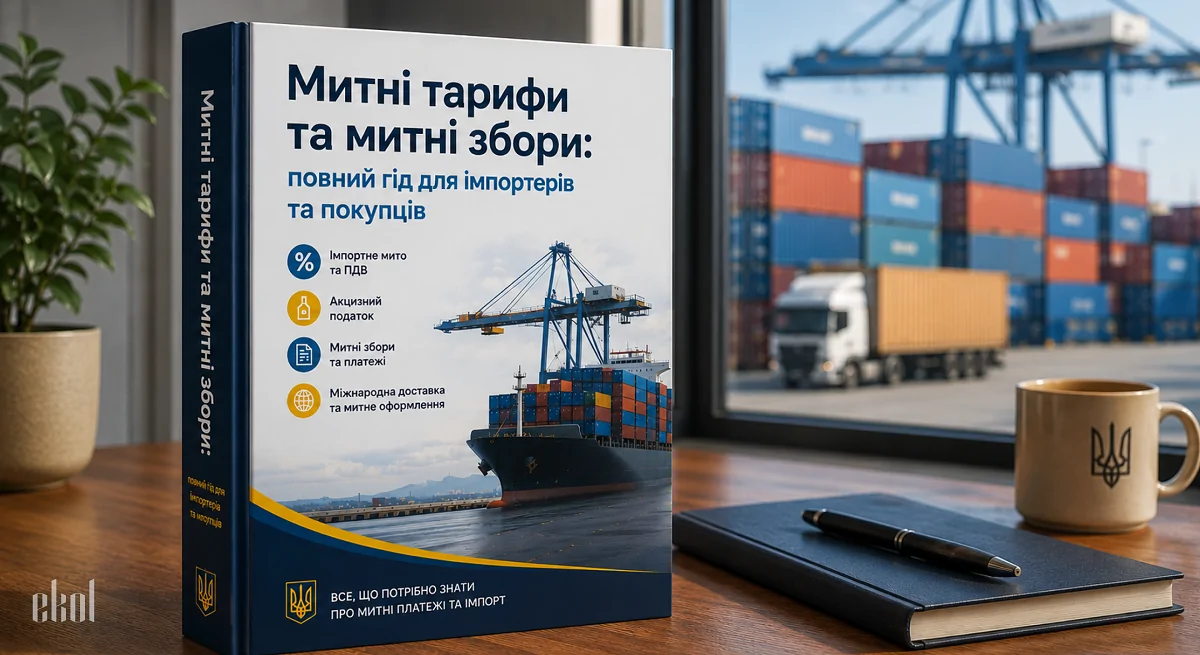
If you order goods from abroad or import a commercial batch of products, customs payments are unavoidable. In this guide, we break down what customs duties are in plain language, explain the difference between customs tariffs and fees, outline how to calculate clearance costs independently, and list the necessary documents to avoid penalties during importation.
What Are Customs Tariffs?
Put simply, customs tariffs are a system of rates used by the state to calculate taxes on goods imported into Ukraine. A customs tariff acts as a sort of “price list” for permission to bring specific cargo into the country from abroad.
The customs tariff rate is not uniform for everything. Every commodity is assigned a specific code under the UKT ZED (Ukrainian Classification of Goods for Foreign Economic Activity). This code determines the applicable tariff rate. The rate level depends on the origin of the goods and the country from which the import arrives.
What Are Customs Fees?
Now let’s clarify what customs fees are. While tariffs are a tax levied on the goods themselves, fees are a payment for the customs procedure itself. In other words, the customs authority provides a service—processing the goods, verifying documents, allowing the cargo to cross the border—and charges a specific amount for it.
The size of customs fees depends on the type and complexity of the operation; for instance, export and import procedures carry different amounts. They can be fixed or calculated as a percentage. The final sum is also influenced by the weight of the cargo, the type of transport vehicle used for shipping, and certain other aspects.
Main Types of Customs Payments
The primary payments that every importer encounters when crossing the border of Ukraine are customs duty, VAT, excise tax, and the unified fee (border payment). Together, they form the total amount required to legalize imported cargo.
| Type of Payment | Assessment Base | Rate |
| Import Duty | Customs Value of the Goods | 0-20% depending on the UKT ZED code |
| VAT | Customs Value + Customs Duty + Excise Tax | 20% |
| Excise Tax | Depends on the Product Type | Fixed or Percentage Rate (for excisable goods such as tobacco, alcohol, fuel, and vehicles) |
| Unified Fee | Weight/Dimensions of the Transport Vehicle | At Rates Determined by Ukrainian Legislation (charged at the checkpoint for crossing the border) |
How Customs Tariffs and Fees Are Calculated
When exploring how to calculate customs payments, the foundation of the entire process lies in determining the customs value of the goods, which serves as the basis for all subsequent assessments. For many entrepreneurs who import goods independently, this stage seems quite complex, though it actually relies on simple mathematics.
The standard formulas for customs calculations are as follows:
- Customs Duty = Customs Value × Duty Rate (percentage)
- VAT = (Customs Value + Customs Duty + Excise Tax) × 20%
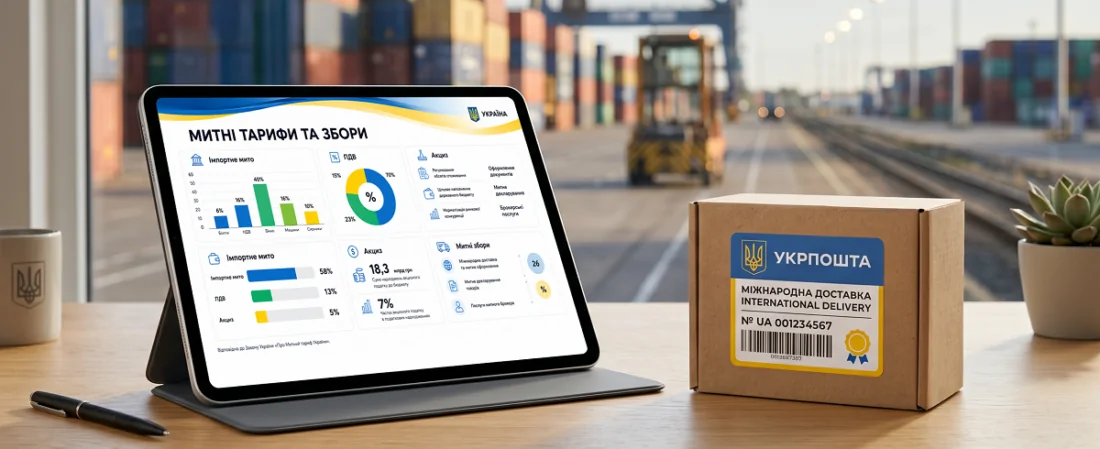
Let’s look at a specific example. Suppose the commercial invoice from your supplier states that the value of the goods is €10,000. The duty rate for your product code is 5%, and there is no excise tax. Using the first formula, we get a customs duty of €500. Next, using the second formula, we calculate the VAT amount, which comes to €2,100. Consequently, the total amount to be paid is €2,600.
What Formulates the Total Cost of Customs Payments?
The total amount of customs payments is driven by several factors:
- UKT ZED code – even highly similar product groups can have different rates;
- Country of origin – preferential rates apply to the EU under the Free Trade Agreement, allowing businesses to reduce or completely eliminate duties;
- Delivery terms (Incoterms) – the customs value includes the invoice price plus insurance and transportation costs up to the border of Ukraine;
- Product category – an excise tax is added on top for excisable items.
This is precisely why two shipments with identical invoice prices can end up costing drastically different amounts at customs in practice.
Customs Tariffs for Importers
Customs tariffs for importers are a core financial factor that directly determines the profit margins of businesses engaged in foreign economic activity. An entrepreneur importing goods from China, the EU, or the USA is required to pay customs duty, VAT, and, if applicable, excise tax before the cargo can clear customs control.
The most common import duty rate ranges from 0% to 20%, depending on the UKT ZED code. Goods from the EU frequently qualify for a zero or reduced rate (in accordance with the Association Agreement). For goods originating from China and Turkey, the full rate usually applies.
At this stage, it is crucial to note that customs clearance requires filing a customs declaration—a document describing the cargo, its value, origin, and the purpose of import. The customs authority assesses payments based strictly on this document. Any errors in the declaration are a direct route to penalties and cargo delays.
The specialists at Ekol Logistics recommend carefully verifying the product code and potential tax exemptions before importing any goods. This allows you to perform a preliminary calculation of customs payments well before the actual importation.
Customs Fees for Individual Buyers
If you purchase goods from abroad as an individual, the rules are somewhat different. For regular retail buyers, customs fees apply where the duty-free threshold ends. Parcels with a value up to €150 are exempt from customs duty and VAT. If the value of the shipment exceeds this limit, customs taxes are assessed exclusively on the amount exceeding the threshold. This means that if an item costs €200, payments are calculated only on the remaining €50 (using the same formulas discussed above).
Documents Required for Customs Clearance
The basic document package for customs clearance required by legal entities and individual entrepreneurs (FOPs) includes:
- customs declaration;
- commercial invoice;
- packing list;
- transport documents (CMR, Bill of Lading, Air Waybill);
- certificate of origin (to claim preferential tariff rates);
- sales contract;
- permits and licenses (for specific restricted categories of goods).
Individual buyers require:
- customs declaration (if the duty-free limit is exceeded);
- proof of payment;
- invoice or store receipt.
In complex scenarios, it is best to consult a customs broker who will officially represent your interests at customs and assume responsibility for the accuracy of document processing. Notably, Ekol Logistics provides these services as part of its turnkey international shipping solutions, managing every stage of cargo delivery—from organizing logistics to resolving customs challenges.
Common Mistakes in Paying Customs Charges
Among the most frequent pitfalls are:
- Incorrectly determined UKT ZED classification codes.
- Ignoring delivery and freight costs when calculating value.
- Lack of original documentation at the border.
Expert Commentary from Ekol Logistics:
“The most serious mistake made by beginners is a lack of understanding of how to determine customs value in accordance with legislative requirements. If you simply state an undervalued price on the invoice, the customs authority will look up its own internal databases and verify the value independently. The consequences for a business include massive fines and back-taxes that could have easily been avoided.”
How to Reduce Risks During Importation
Correctly calculating customs payments is only half the battle. Passing through all clearance stages without delays is the challenging part. To minimize force majeure at the border, it is important to perform a comprehensive audit of documents and purchase contracts before the goods are even loaded.
To completely free yourself from customs hassles, entrust your international transportation and cargo accompaniment to an experienced logistics operator. Ekol Logistics stands ready to become your partner. Leave an inquiry on our website, and our specialists will rapidly calculate the complete landed cost of your shipment.
FAQ
What are customs tariffs and why are they necessary?
They are a state-established system of rates designed to regulate the import of goods and protect the domestic market.
What is the difference between customs tariffs and customs fees?
A tariff is a tax levied on the goods themselves, whereas a fee is a payment for handling the customs procedures.
Which customs payments must be paid when importing goods?
Import duty, VAT, excise tax (if applicable), and the unified fee.
How do I calculate the amount of duty before importing goods?
You need to multiply the customs value of the goods by the percentage rate matching its specific UKT ZED code.
What determines the size of customs fees?
The total fee is determined by the specific type of customs operation, the weight of the cargo, and the mode of transport.
Who pays customs duties: the importer or the buyer?
Legally, the payer is the entity or person whose name is filed on the customs declaration.
read more
Similar articles

Proper tractor transport across Ukraine starts with assessing the machine’s dimensions and selecting the right type of transport. This approach helps avoid fines and delays along the route.
For years, the domestic market relied on purchases from the PRC, but the era of Chinese factory monopoly is gradually coming to an end. Entrepreneurs are turning to other Asian countries, weighing product quality and partner reliability.
Back in 2021, Ukrainian legislation officially regulated the delivery scheme in which several modes of transport are combined for a single route.
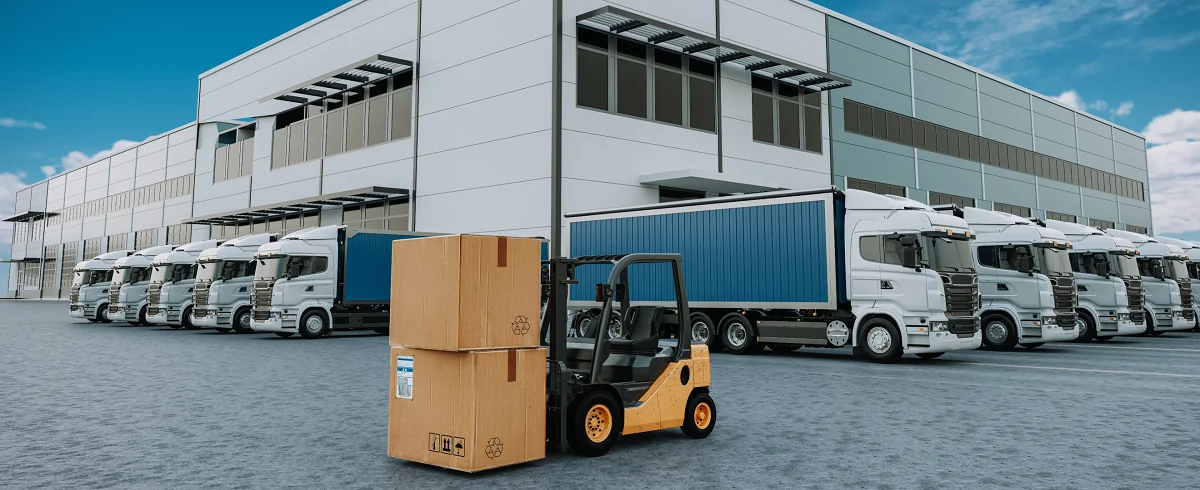
For a business, a logistics company is one reliable partner instead of a dozen separate contractors. It handles communication with carriers and quickly resolves force-majeure situations on the road

Without reliable delivery, a farmer’s harvest won’t reach the market on time. A logistics company for a farmer is not just a service provider — it’s a partner on whom the financial outcome of the season depends.
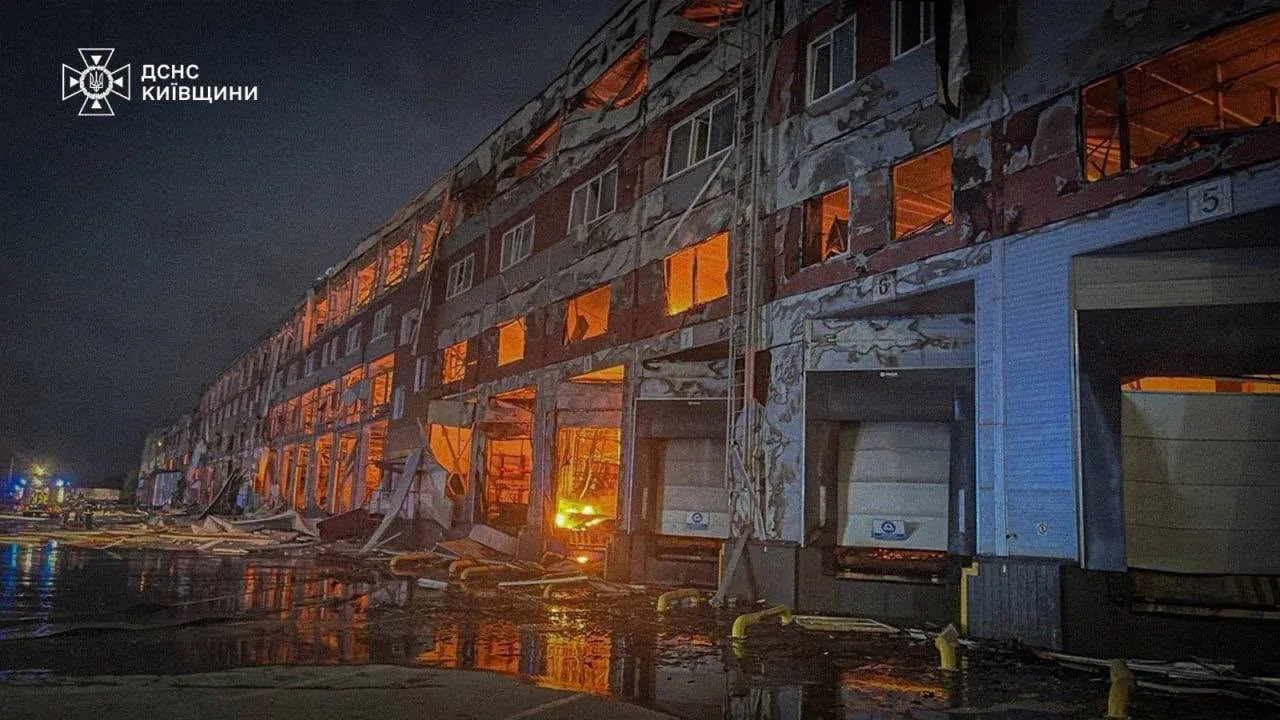
On the night of July 19, 2026, a massive missile attack severely damaged the Ekol Logistics distribution center located in the AMTEL logistics complex.

Anna
Business development manager

Volodymyr
Business development manager

Artur
Business Development Manager
