

Analytics and Blog
Stay up to date with trends, the latest technologies and innovations in logistics
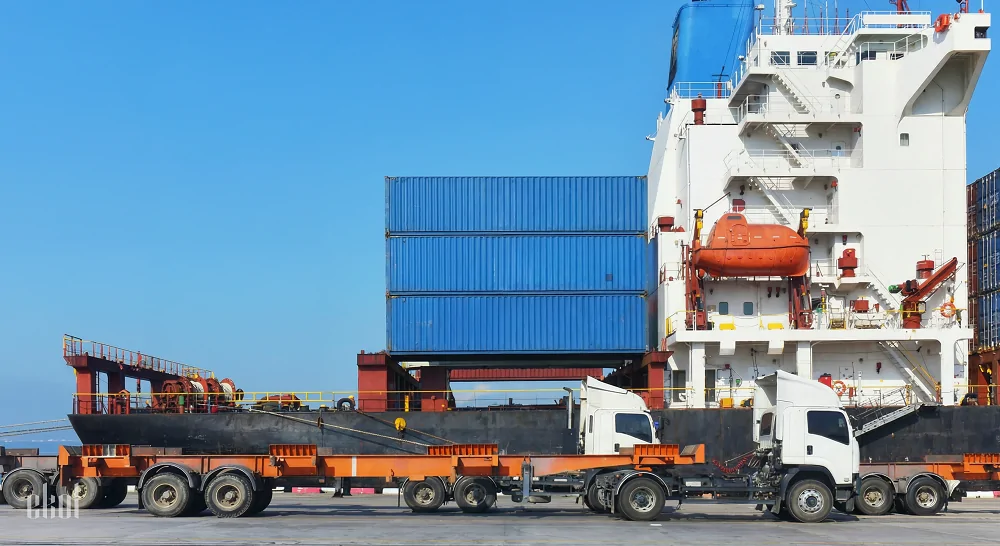
The logistics sector is dynamically changing under the influence of globalization, technological innovations, and changes in the geopolitical situation.

The logistics trends for B2B in 2026 significantly influence the market’s development, shape customer expectations, and change company business models

Logistics is a crucial part of business in the B2B segment, and it directly impacts how production processes will be organized

Success in international markets largely depends on the flexibility of supply chains. When direct delivery using a single mode of transport becomes too expensive or physically impossible, companies look for alternatives.

Logistics in the context of global trade is based on speed and adaptability. However, when a single mode of transport is insufficient to deliver goods “from door to door” over long distances, multimodality becomes the optimal solution

International trade is the movement not only of vessels or trucks, but also of paperwork. In complex logistics schemes involving several modes of transport, the bureaucratic factor becomes decisive for success.
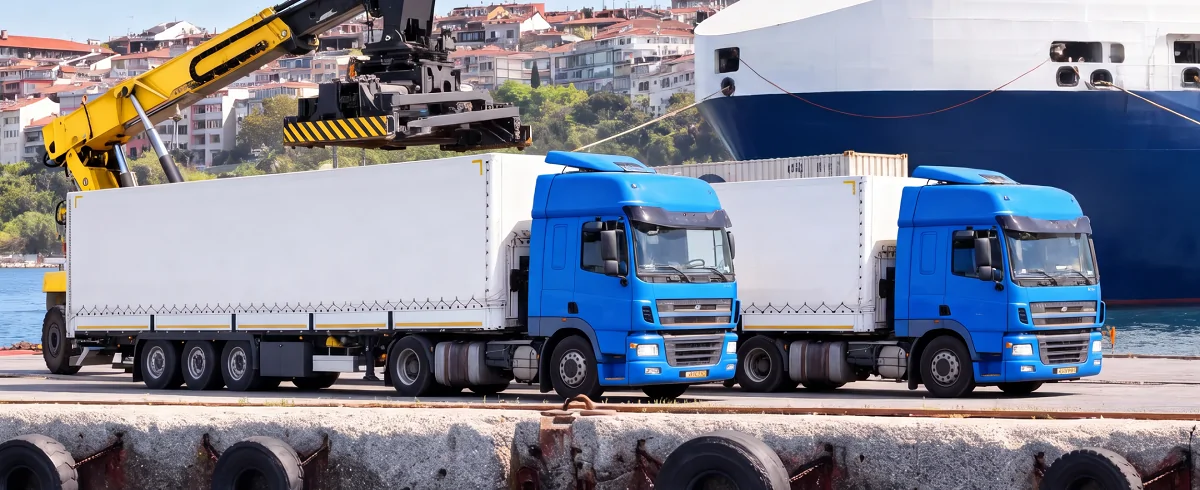
The modern market dictates strict rules: being fast is not enough – you need to be flexible. When standard transportation by a single truck becomes impossible due to geography, complex combined schemes come into play

According to expert forecasts, 2026 promises to be a true Rubicon for global logistics. This is not just another stage of development, but a full-scale implementation of new standards.
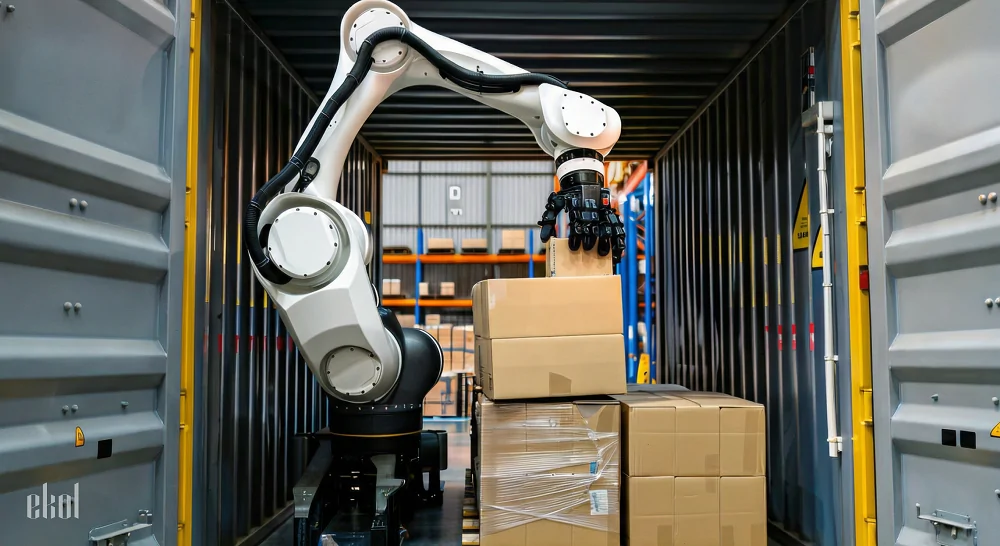
Logistics in 2026 is transforming and is an example of how technology is changing the way businesses work. Companies are moving to active management, where the main role is played by the collection of information and its correct use.

The world of logistics is currently undergoing a significant transformation, and the coming year will be a turning point for business.

For most companies, logistics in the coming year will directly affect profitability, the speed of scaling, and the ability to operate in international markets
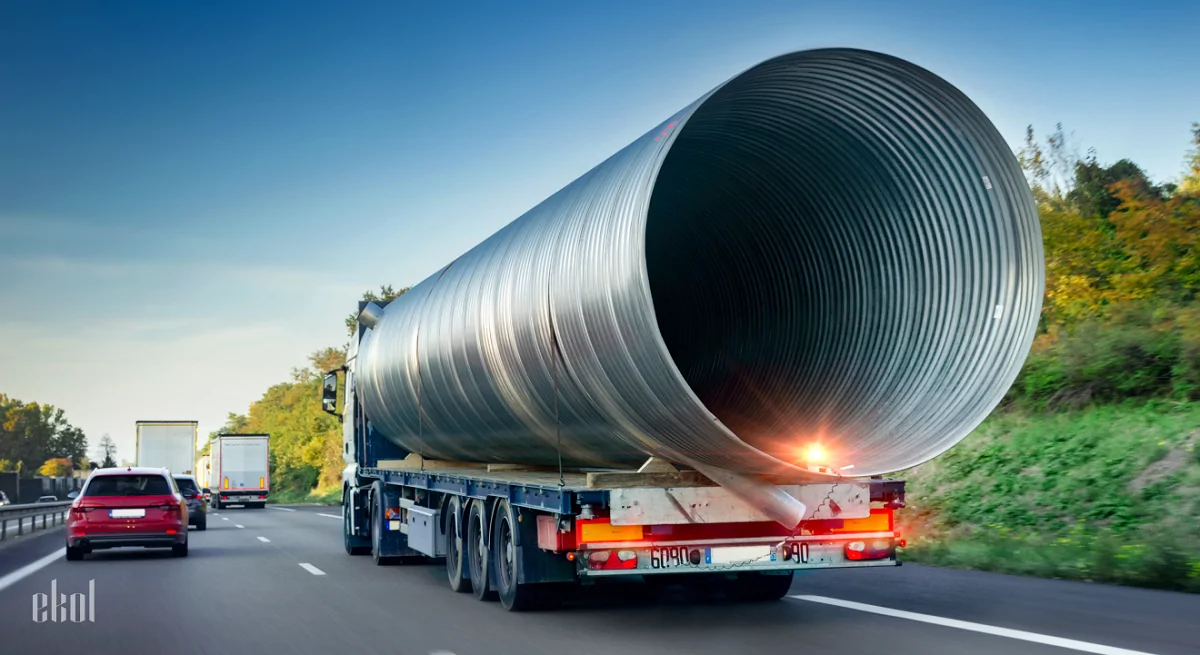
Manufacturers and logisticians know well: when it comes to moving oversized items, the risks associated with transporting large cargo increase.
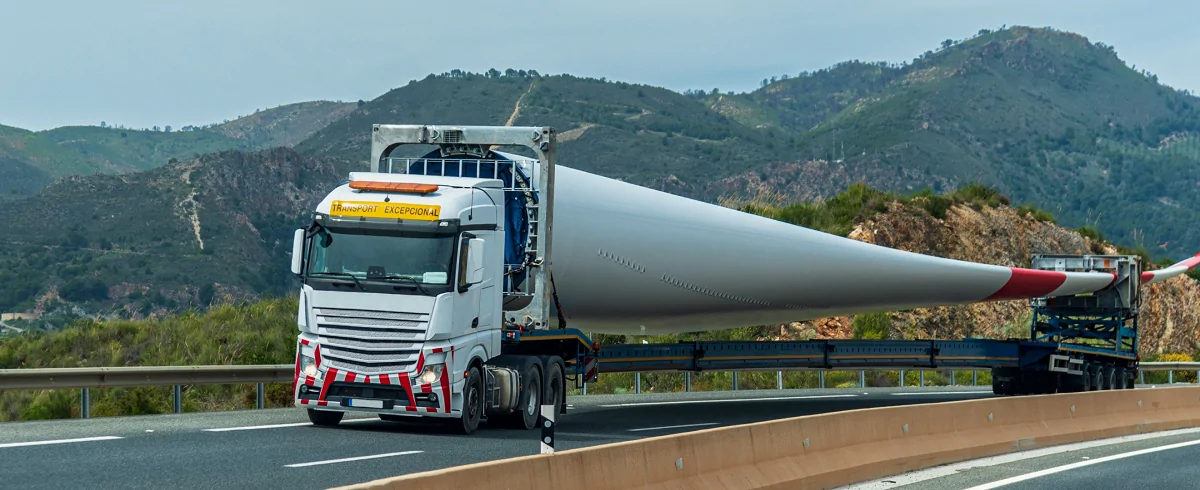
The modern globalized market requires European equipment manufacturers to deliver exceptional product quality and a flawless supply system.
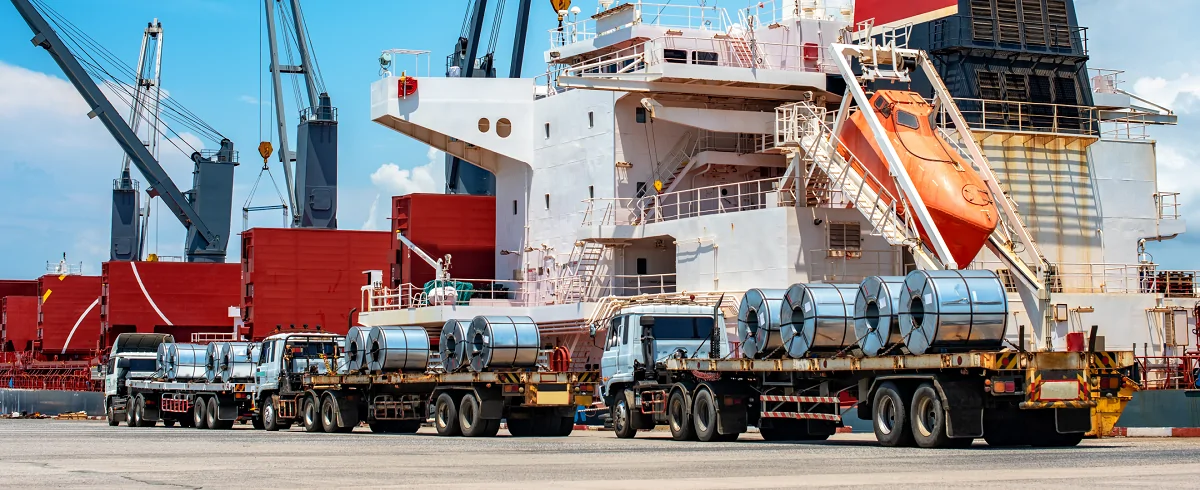
International transportation of industrial equipment is always a high-risk logistics project. Its success depends not only on the reliability of the carrier and the correctness of route selection, but also on impeccable documentation preparation.

In the field of international logistics, seasonality in freight transportation plays a key role. Changes in routes and workload, holiday periods, and advertising campaigns – all of them create waves in the supply chain

Anna
Business development manager

Volodymyr
Business development manager

Artur
Business Development Manager
