

Seasonality in Freight Transportation: How It Affects Logistics


In the field of international logistics, seasonality in freight transportation plays a key role. Changes in routes and workload, holiday periods, and advertising campaigns – all of them create waves in the supply chain.
For international operators such as Ekol, understanding and being able to work with these fluctuations is a defining element of planning and ensuring resilience.
What Seasonality in Freight Transportation Is
These are regular changes in the intensity of goods flows that arise under the influence of demand, weather conditions, infrastructure, and commercial cycles. At different times of the year, the market reacts differently: somewhere shipment volumes increase, somewhere throughput capacity decreases, and sometimes requirements for transport or routing change.
That is why logistics and seasonal fluctuations create a need for businesses to constantly adapt their processes – from organizing warehousing to choosing carriers.
According to Ekol experts, seasonal changes in freight transportation affect not only the workload but also the cost structure, since each stage creates its own balance between load, tariff, and speed.
Key Factors Influencing Seasonal Fluctuations
Seasonality in freight transportation is shaped by a number of interconnected prerequisites. Let us consider the most common of them:
| Factors | Impact on the chain | Consequences for business |
| Weather conditions | Complicated routes, delayed delivery | Increase in costs, need for reserves |
| Holiday cycles and promo campaigns | Surge in shipments, warehouse load | Higher tariffs, larger volumes |
| Infrastructure | Movement restrictions, queues at borders | Need for alternative routing |
| Throughput capacity | Peak load forces waiting | Longer transportation and procurement times |
| Forecasting | Inaccurate – risk of surplus/shortage | Loss of efficiency, higher tariffs |
The impact of seasonality on transport companies appears not only in volumes, but also in changes in the cost structure: the price per unit of cargo, idle time, and empty mileage all change as well.
High Season – Specifics and Logistical Challenges
The peak period in freight transportation usually falls in autumn and early winter. At this time, demand for services reaches its maximum due to holiday preparation, the harvest season, and increased production activity.
Specifics:
| Parameter | Characteristic |
| Demand for transport | Critically high. Volumes may increase by 30–50% or more. |
| Availability of transport vehicles | Shortage. Finding available transport, especially on popular routes, becomes difficult. |
| Transportation cost | Maximal. Tariffs rise sharply due to the imbalance between supply and demand. |
| Delivery time | Increased. Due to congestion at borders, terminals, and on roads. |
The only solution is early planning, booking, and searching for alternative routes.
Low Season – Changes in Demand and Transport Load
Seasonality in freight transportation also includes periods of reduced activity. Usually, the slowdown occurs in January–February and during the summer months.
What happens during this period:
- Decrease in shipment volumes, especially international ones, after the holidays.
- Significant reduction in load on key transit routes and terminals. Queues become shorter.
- Prices for transport services drop as carriers compete for a smaller volume of orders.
According to Ekol specialists, operators should use this time to analyze cycles, improve processes, and modernize systems.

Impact of Seasonality on Pricing and Delivery Times
Naturally, a logical question arises: how does seasonality affect freight transportation in terms of pricing? Changes in demand lead to fluctuations in tariffs, route costs, and additional logistics expenses.
| Period | Tariffs | Delivery times | Comment |
| High | Increased | Extended | Queues, transport shortage |
| Medium | Stable | Average | Balanced mode |
| Low | Reduced/unstable | May be shorter or longer | Underload |
In winter, transportation time may increase by 10–25% compared to the off-season, and this must definitely be considered in inventory forecasting.
Risks for Business During Seasonal Peaks
Seasonality in freight transportation carries certain risks for businesses. And during peak periods, they increase many times over. The main dangers are:
- Financial losses – higher tariffs and long delays lead to increased logistics budgets and penalties.
- Goods shortages – if preparation was not early enough, the cargo will not reach the customer within the agreed time.
- Quality reduction – in a rush, the likelihood of errors, cargo damage, or incorrect routing increases.
- Loss of control – excessive workload complicates tracking.
Ekol company specialists emphasize that to avoid these pitfalls, it is necessary to focus on demand forecasting and ensuring optimization of all stages of transit to reduce queues and delays.
Strategies for Adapting Logistics to Seasonal Changes
A business that plans its activities in advance adapts more easily to peak waves. Effective strategies include:
- route modeling considering forecasts;
- flexible routing;
- ensuring reserve logistics capacities;
- early coordination of warehousing;
- cooperation with operators who work regardless of seasonality in transport operations.
The key condition for stability is analytics and constant calculation of potential market changes.
Demand Forecasting – How to Prepare for Fluctuations
Efficient forecasting is the foundation for successfully countering the impact of seasonality on transport companies.
Preparation methods:
- studying peak demand patterns from previous years;
- creating mathematical models that consider seasonality, economic, and social factors;
- joint planning with clients to reserve necessary capacities and warehousing in advance.
Such an approach will minimize business risks and ensure uninterrupted transit.
Technologies and Tools for Optimizing Seasonal Transport
To neutralize the impact of seasonality in freight transportation, companies use modern tools:
- Platforms for real-time tracking and analytics.
- WMS (warehouse management system) and TMS (transport management system) for automating all stages.
- Routing tools using AI algorithms that allow choosing alternative routes quickly.
- Forecasting/modeling (digital twin) of logistics processes for peak modes.
- Consolidated platforms for managing carriers, reserve vehicles, and queues at terminals.
Among global trends is the digitalization of logistics, and Ekol believes that optimization through technology is becoming the key to competitive advantage.
Conclusions – How to Use Seasonality to Benefit Business
Seasonality in freight transportation is a predictable cycle that serves as a source of strengthening leadership positions. The key to success is strategic management, forecasting, and continuous improvement.
Operators should use the low season to conclude advantageous long-term contracts and prepare reserve capacities. Such an approach is part of the resilience practices of Ekol, helping maintain process efficiency.
FAQ
How to account for extreme weather conditions when planning transportation?
Include buffer time, alternative routes, and reserve transport; use weather forecasts as input data for modeling.
Should the pricing model be changed specifically for seasonal waves?
Yes, flexible tariffs with bonuses/discounts for early resource booking can reduce costs and improve planning.
How to engage carriers during peak periods without significantly increasing expenses?
Conclude framework agreements with reservation, incentivize carriers through bonuses for fast trips, and use combined routes for optimal load.
read more
Similar articles
For a business, a logistics company is one reliable partner instead of a dozen separate contractors. It handles communication with carriers and quickly resolves force-majeure situations on the road

Without reliable delivery, a farmer’s harvest won’t reach the market on time. A logistics company for a farmer is not just a service provider — it’s a partner on whom the financial outcome of the season depends.

On the night of July 19, 2026, a massive missile attack severely damaged the Ekol Logistics distribution center located in the AMTEL logistics complex.
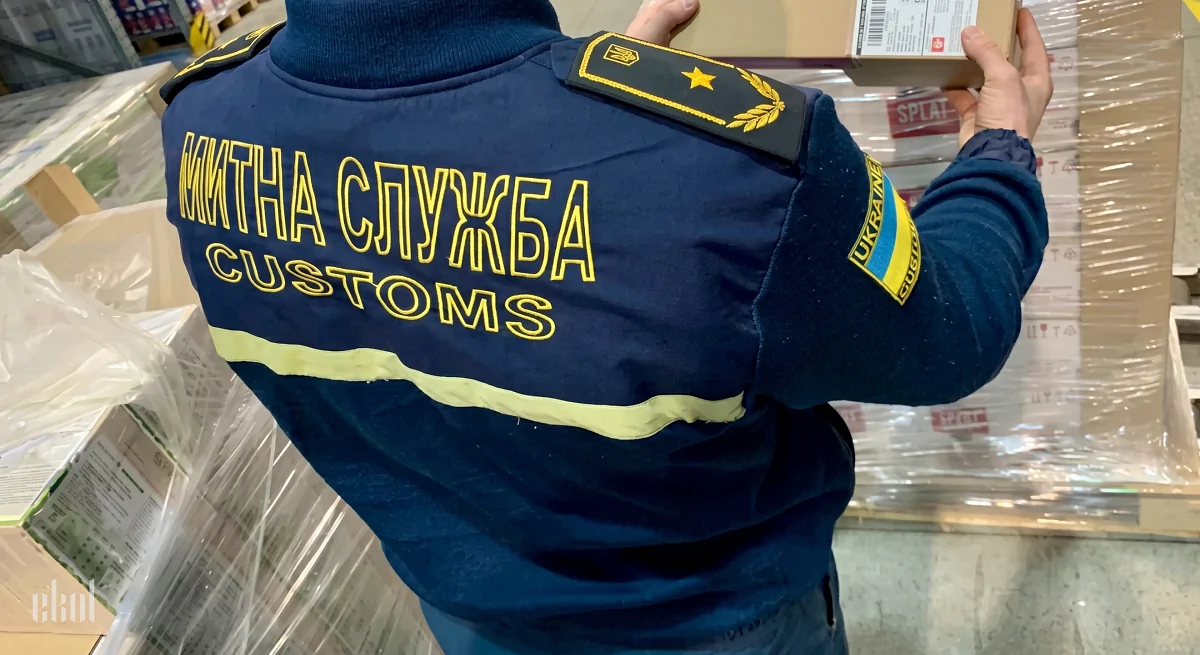
The changes for Ukrainian exporters in 2026 concern not only export clearance procedures but also the organization of shipments to EU countries.
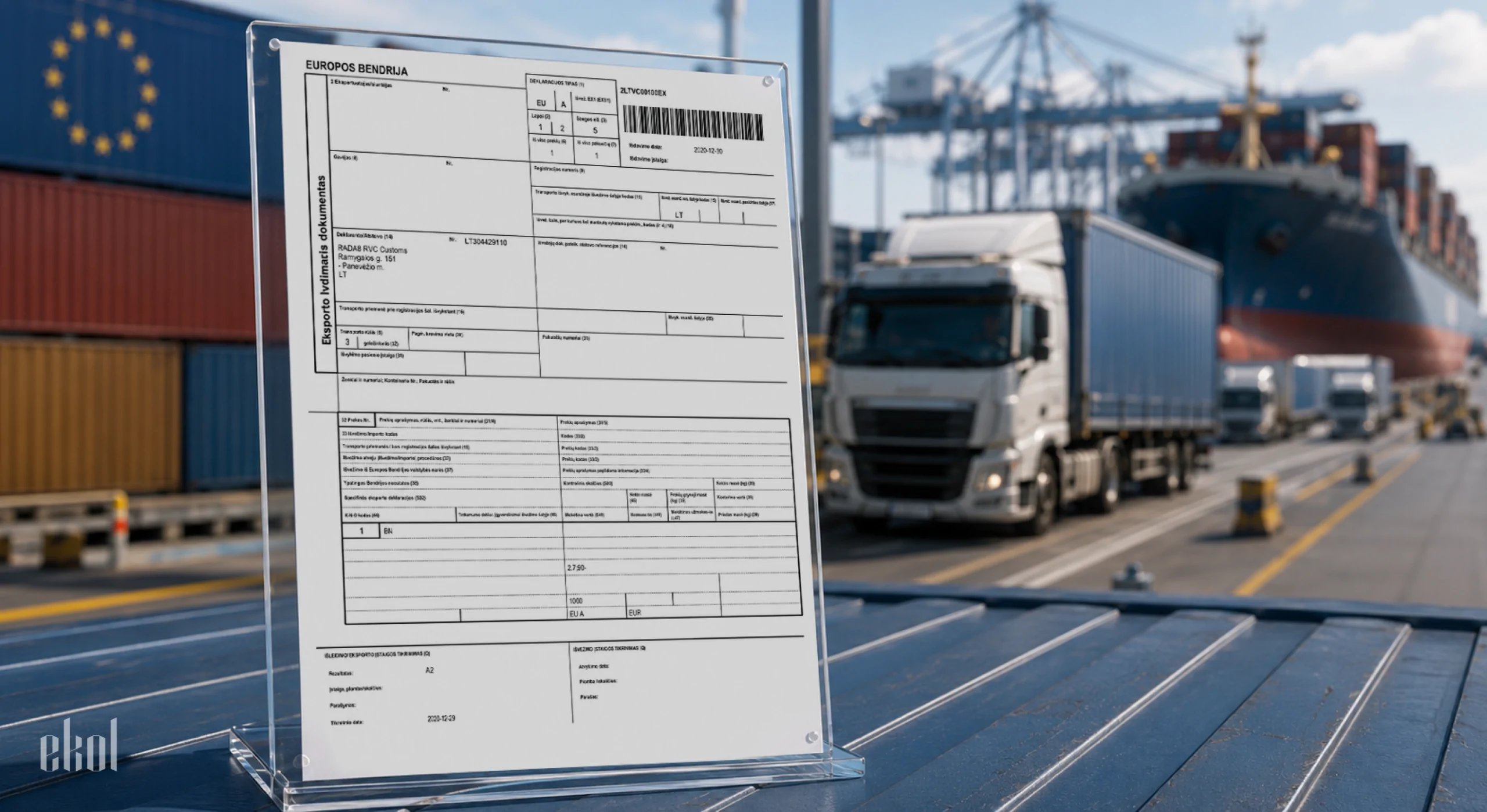
Export requires proper customs clearance and document preparation. For businesses, it is important not only to deliver the goods but also to successfully complete all procedures when crossing the border.

Entering the European Union market opens significant opportunities for Ukrainian companies. However, the success of such expansion depends on the ability to establish proper logistics.

Anna
Business development manager

Volodymyr
Business development manager

Artur
Business Development Manager
