

5 Key Risks During Transportation of Oversized Metal Structures and Engineering Modules

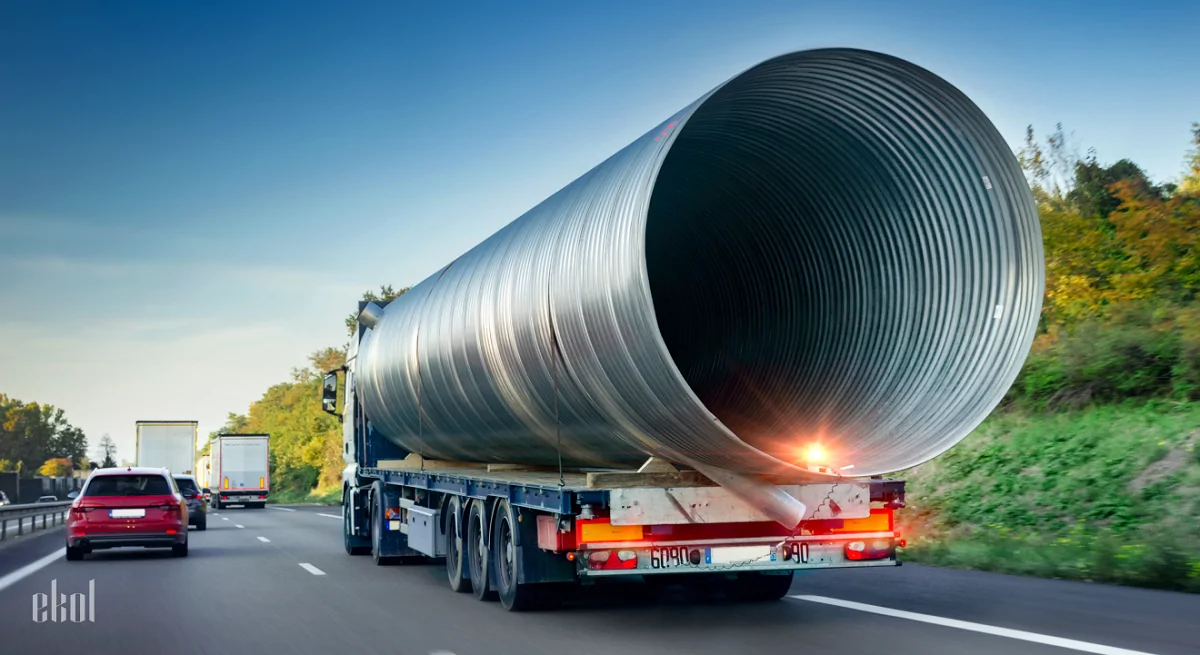
Manufacturers and logisticians know well: when it comes to moving oversized items, the risks associated with transporting large cargo increase. Any mistake can lead to delays, additional costs, or technical incidents.
That is why a modern approach is based on experience, technology, and systematic planning. This ensures stability, control, and safe movement throughout the entire route.
Why the Transportation of Oversized Cargo Requires Special Attention
The main challenge of such projects is the combination of significant size and weight, limited maneuverability, and the influence of external factors. Any inattention can create hazards during oversized cargo logistics, so the “we’ll somehow deliver it” approach does not work here.
For each structure, the permissible load is determined, the lifting capacity of the equipment is checked, a preliminary inspection is carried out, and the movement conditions are clarified. It is also important that the carrier has experience working with non-standard platforms and understands how to transport oversized structures, considering real risks.
Risks During Transportation That Should Be Considered
Transporting metal structures, industrial frames, technical frameworks, and complex engineering modules is a serious challenge for delivery companies.
Risk 1. Damage to Cargo During Loading and Unloading
The first and most common threat is mechanical damage, which occurs even before the movement of the transport begins. If the team neglects balancing rules or uses improper equipment (especially when moving hazardous cargo), the structure may deform due to excessive pressure or uneven weight distribution.
During operations, the level of vibration increases, which also affects stability. To reduce the risk, it is important to use specialized cranes and platform systems and involve personnel who understand the specifics of working with metal blocks and engineering modules.
Risk 2. Incorrect Fastening and Securing of Metal Structures
The safety of transporting metal structures directly depends on the sequence of actions of the entire team. Even the most modern equipment does not guarantee reliability if the fastening is chosen incorrectly.
Poor securing leads to micro-shifts, weld damage, frame bending, and deflections. Such mistakes during the transportation of engineering modules often occur due to insufficient assessment of the center of gravity or lack of balancing. During movement, vibration increases, which raises the risk of losing stability.
Therefore, before departure, all tie-downs are carefully inspected, materials are checked, and fasteners designed for specific loads are applied.
Risk 3. Errors in Selecting the Transport Vehicle
An incorrectly chosen platform or equipment with insufficient load capacity becomes a source of risks even before leaving the factory. For metal structures, lifting capacity, body configuration, maneuverability, and route compliance are critically important.
Cheap or unreliable solutions create additional risks during oversized cargo transportation, as significant weight and complex shapes require precise technical calculations. In many cases, it is necessary to use specialized low-bed trailers, extendable platforms, or modular systems, which a reliable logistics partner like Ekol works with.
Risk 4. Route Violations and Road Restrictions
The road determines everything: time, safety, costs, and the possibility of movement. If the route planning does not take into account bridge heights, load capacity, or traffic regulations, serious delays and financial losses occur.
Sometimes, this leads to the need to return, wait for an escort, or coordinate relocations again. Road restrictions create significant hazards during oversized cargo logistics. To avoid problems, operators use digital monitoring, road infrastructure assessment tools, and preliminary inspection systems.
Risk 5. Inconsistencies in Documentation and Permitting Procedures
Even a perfectly prepared cargo will not leave without the required permits. Errors in paperwork, incorrectly specified dimensions, missing certificates, or poorly prepared document packages can stop movement at the border or checkpoint. Therefore, certification and preliminary verification, as well as insurance covering possible incidents, are mandatory.
Key Recommendations for Risk Minimization
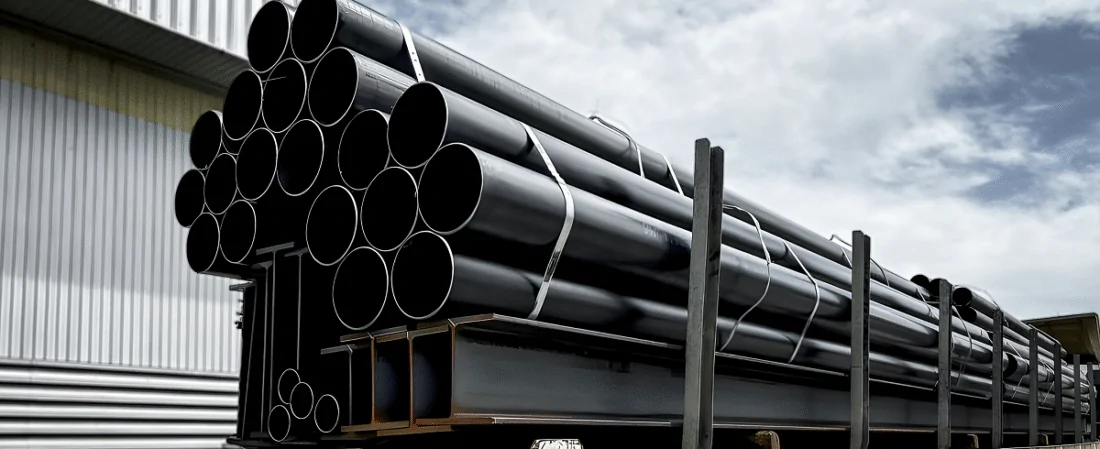
Before starting the transportation of non-standard or massive cargo, it is important to consider not only technical requirements but also real operational nuances that affect the outcome. The more complex the structure and the longer the route, the more attention is required for preparation at each stage.
To reduce potential threats, companies are advised to:
- conduct technical inspection and cargo assessment;
- use professional equipment for cargo operations;
- analyze the route in advance and organize escorts;
- apply correct fastening considering the center of gravity;
- monitor movement parameters through digital tracking;
- involve experienced operators, such as Ekol, who specialize in non-standard projects.
Comprehensive preparation allows for a significant reduction of risks and errors during the transportation of engineering modules and ensures controlled cargo movement.
The Importance of a Professional Approach to Transportation
Ekol specialists believe that freight transportation does not tolerate improvisation. Every stage must be thought out in detail, as the final result, reputation, and safety depend on it.
In logistics, all aspects are important: choosing the container, controlling processes on the road, monitoring, and insurance. This allows companies to confidently complete complex tasks without unnecessary risks or delays.
Do you need to transport oversized structures? We can help you navigate the route, documents, and transport selection. We will organize the process so that you are confident in the outcome.
FAQ
What are the main risks that arise during the transportation of oversized metal structures?
Most often, mechanical damage, incorrect fastening, errors in vehicle selection, route violations, and documentation problems occur. Human factors, such as inattention and lack of team experience, can create additional risks during transportation.
Are special permits required for transporting oversized structures?
Yes, they are mandatory. Permits depend on the size, weight, type of cargo, and the country through which the route passes. In addition, some regions may require additional approvals or escorts, which affects the timing and method of organizing transportation.
How is transport selected for moving oversized cargo?
Selection is based on weight, dimensions, center of gravity, road conditions, and maneuvering requirements. Low-bed or modular platforms are often used.
What are the requirements for escorting oversized transports?
Escort is regulated by law and includes pilot vehicles, route approval, warning signs, and sometimes police support. Additionally, special briefings for the team and technical inspections of the transport may be required to ensure the safe passage of all sections of the route.
read more
Similar articles
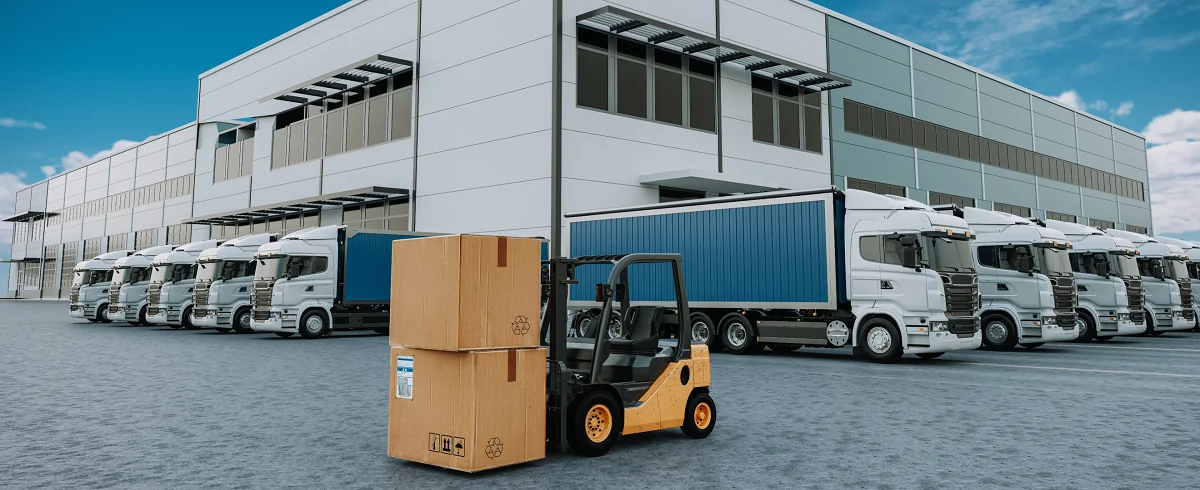
For a business, a logistics company is one reliable partner instead of a dozen separate contractors. It handles communication with carriers and quickly resolves force-majeure situations on the road

Without reliable delivery, a farmer’s harvest won’t reach the market on time. A logistics company for a farmer is not just a service provider — it’s a partner on whom the financial outcome of the season depends.
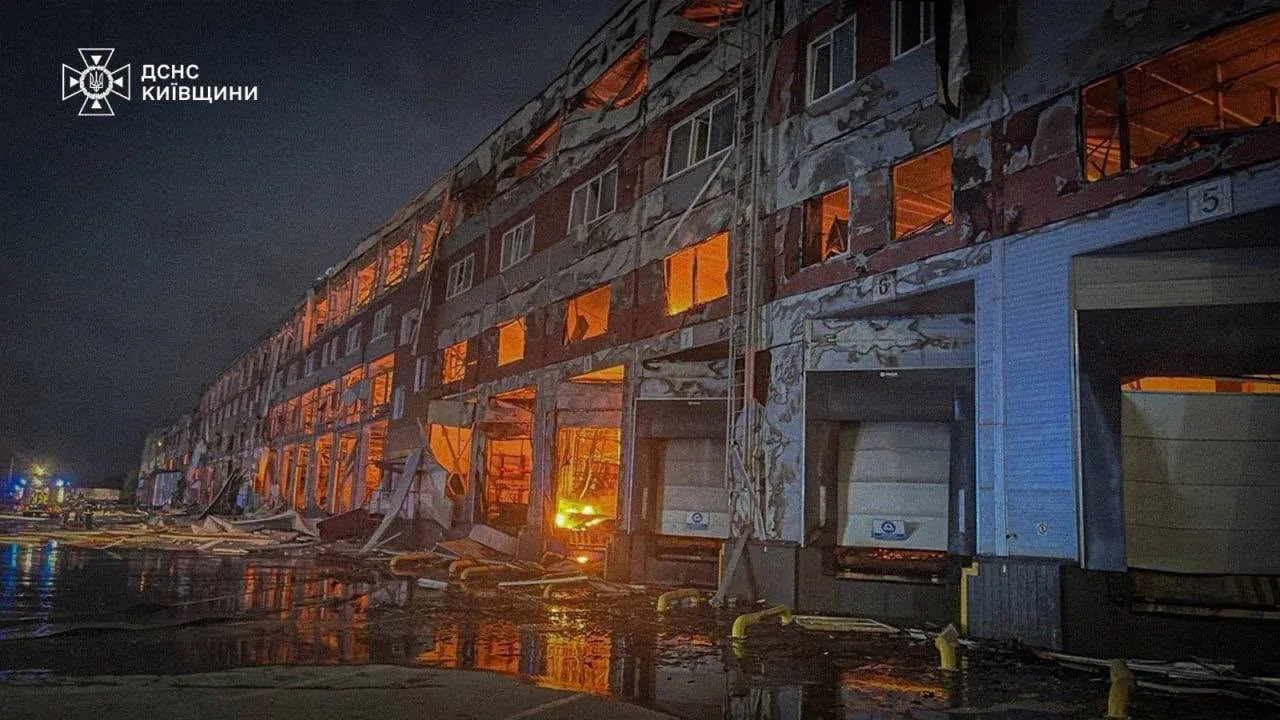
On the night of July 19, 2026, a massive missile attack severely damaged the Ekol Logistics distribution center located in the AMTEL logistics complex.
The changes for Ukrainian exporters in 2026 concern not only export clearance procedures but also the organization of shipments to EU countries.
Export requires proper customs clearance and document preparation. For businesses, it is important not only to deliver the goods but also to successfully complete all procedures when crossing the border.

Entering the European Union market opens significant opportunities for Ukrainian companies. However, the success of such expansion depends on the ability to establish proper logistics.

Anna
Business development manager

Volodymyr
Business development manager

Artur
Business Development Manager
