

How European Manufacturers of Energy and Industrial Equipment Optimize Supply Logistics to Eastern Europe

The modern globalized market requires European equipment manufacturers to deliver exceptional product quality and a flawless supply system. For companies seeking to expand their presence in Eastern Europe, optimizing supply logistics is a critical necessity. Effective distribution directly influences cost price, speed of market entry, and customer satisfaction. Considering the growing demand and the need to cover long distances and various regulatory barriers, manufacturers’ logistics strategies are constantly being updated.
Features of the Eastern European Market – Key Logistics Challenges
According to Ekol experts, the logistics market has its own particularities, which is why supply challenges in Eastern Europe become quite real for companies. Due to uneven infrastructure development, complex bureaucratic processes, and regulatory differences between countries, manufacturers must act flexibly and have a good understanding of local conditions.
Logistics challenges in this region:
- Customs requirements differ in each country – this complicates cargo clearance and may cause delays.
- Minimizing downtime requires precise coordination among all logistics partners.
- Uneven infrastructure development affects route selection and overall delivery reliability.
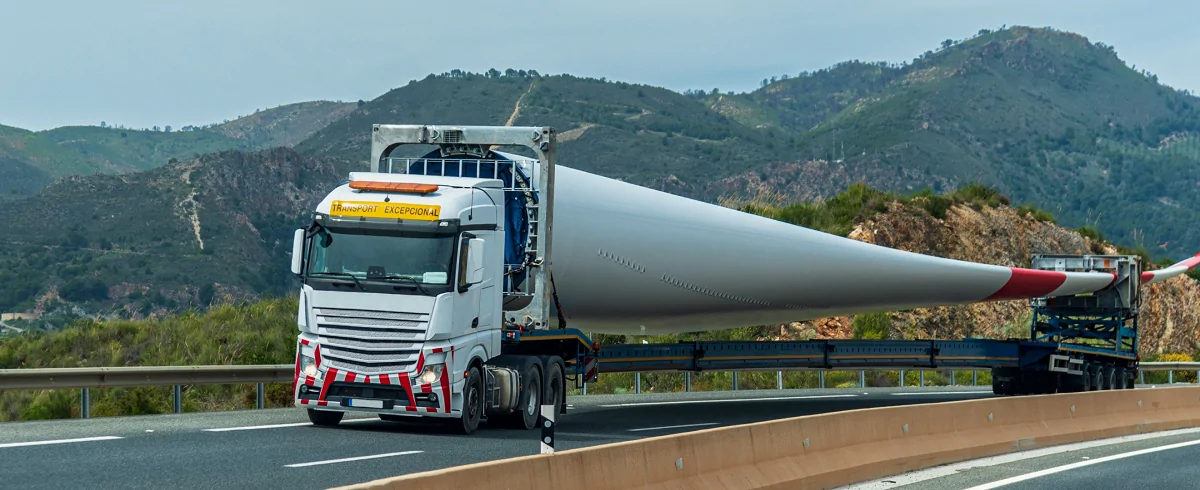
- Oversized equipment requires a special approach to transportation, especially on the “last mile.”
- Limited warehousing capacity complicates temporary placement and cargo consolidation.
Ekol’s experts conclude that manufacturers must constantly overcome these difficulties to ensure smooth logistics operations and timely delivery of goods to customers.
Centralization of Warehouses and Hubs – Modern Approaches of Manufacturers
Instead of maintaining numerous small storage centers in each country, manufacturers create regional logistics hubs in strategically advantageous cities. Warehousing facilities serve as consolidation and distribution points and, according to Ekol specialists, significantly improve inventory optimization and reduce storage costs. This approach demonstrates how manufacturers optimize delivery and ensure better supply coordination, thereby accelerating transit.
Use of Multimodal Transportation – Combining Efficiency and Speed
Logistics to Eastern Europe can be complicated, which is why European manufacturers use multimodal transportation. This is the combination of different means of transport – road, rail, sea, or air – when fulfilling a single shipment.
Multimodality provides a number of advantages for logistics optimization:
- Reduction of transportation time.
- Lower carbon footprint.
- Increased reliability and safety.
- Efficiency over long distances.
- Efficient customs clearance.
Integration of customs procedures at transshipment points simplifies crossing the border. Switching to rail or sea transport on the main sections of the route supports the development of “green logistics”. Thanks to this, manufacturers can use multimodal routes more efficiently and optimize delivery in line with their logistics strategies.
Logistics Outsourcing – Cooperation with Regional 3PL Providers
Considering the complexity and specifics of the region, many manufacturers choose outsourcing services. Cooperation with reliable regional 3PL partners allows shifting the burden of managing complex logistics onto experts. Companies such as Ekol provide access to local capabilities, process regulation, and already established infrastructure.
Advantages of working with 3PL providers:
- Expertise in customs matters and legislation.
- Scalability and flexibility of processes.
- Access to a distribution network.
- Focus on core activities.
- Continuous modernization of coordination processes.
Such an approach is an important element of modern logistics strategies of equipment manufacturers.
Digitalization and Analytics – How Technologies Reduce Delivery Times
Modernization and advanced technologies significantly influence how companies organize supply processes. Thanks to digital tools, logistics becomes more transparent, and processes become faster and more predictable. Analytics helps better plan routes, control cargo movement, and respond to situations that may cause delays.
More and more logistics processes are transitioning into a digital format. Warehouse operations become faster thanks to systems that help check inventory and process required operations. It is also worth noting the use of artificial intelligence in logistics – it is used to assess future demand, meaning companies can prepare necessary resources in advance. GPS tracking works alongside these tools, providing a complete picture of cargo movement. And digital documents greatly simplify administrative procedures.
Ekol specialists are confident that combining digitalization, analytics, and automation allows manufacturers to control the entire supply chain and quickly respond to any changes.
Risk Management – Responding to Delays, Border Procedures, and Force Majeure
Risk minimization is an important part of logistics, especially when it comes to supply to Eastern Europe. Delays often occur here due to customs procedures or unpredictable circumstances, so companies need to be ready to respond quickly.
The main approaches to reducing threats include:
- Diversification of partners and routes.
- Creation of buffer stocks.
- Advance preparation of customs documents.
- Insurance and legal support.
- Early warning systems.
This approach helps manufacturers maintain stable and reliable supplies even under challenging conditions.
If you aim to strengthen your presence in Eastern Europe and make logistics predictable, contact our Ekol specialists – we will help build an effective and stable supply system.
FAQ
What are the main challenges affecting supply logistics to Eastern Europe?
Supply logistics to Eastern Europe are affected by border delays, complex customs procedures, and unpredictable external factors.
How do manufacturers optimize transportation routes to reduce costs and delivery time?
Manufacturers optimize routes by selecting shorter paths, combining different types of transport, and working with reliable logistics partners.
Do European companies use multimodal transportation – and in which cases is it beneficial?
European companies use multimodal transportation when it allows them to reduce costs, accelerate delivery, or increase supply stability.
How do digital tools help control supply chains in real time?
Digital tools allow tracking cargo movement in real time and quickly responding to any changes in the supply chain.
read more
Similar articles
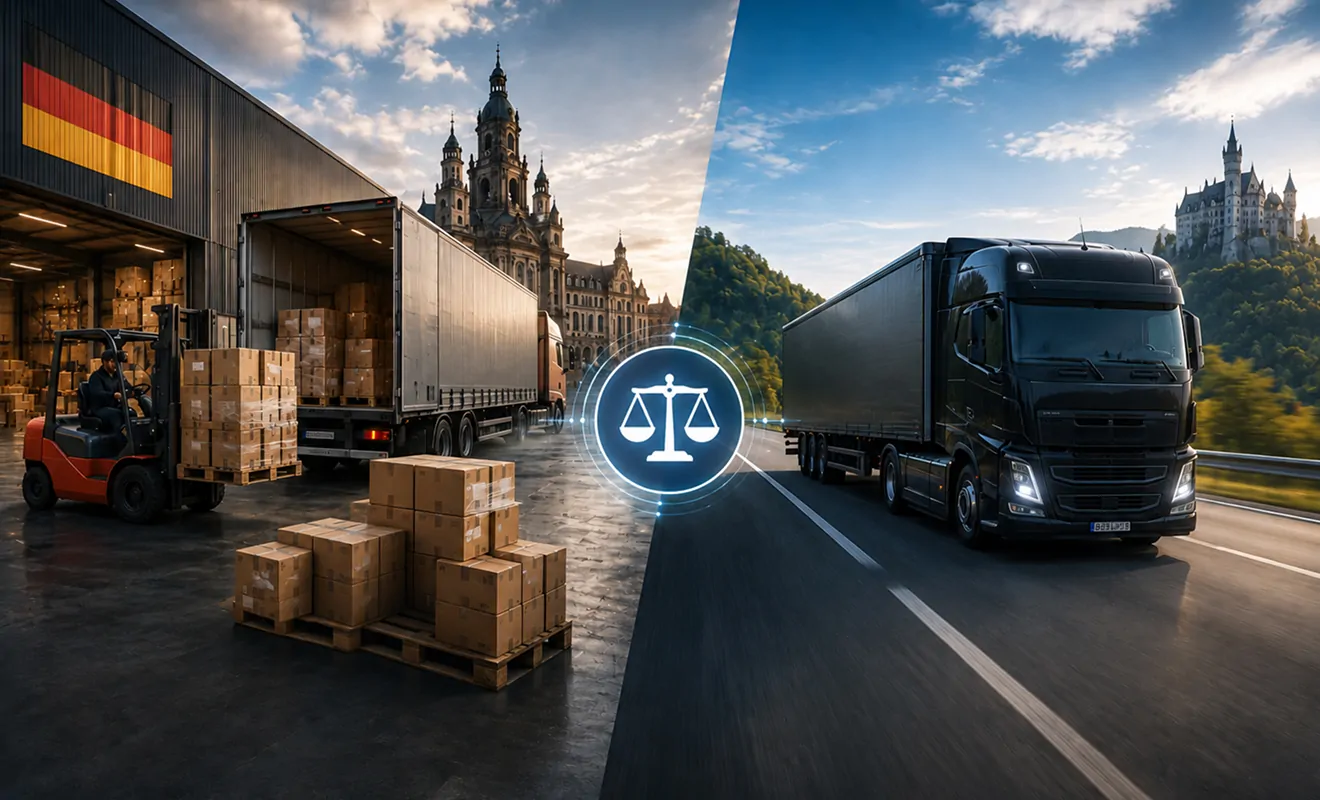
Logistics offers two tools for shipping from Germany: Less-than-Truckload (LTL) consolidation and Full Truckload (FTL) shipments.
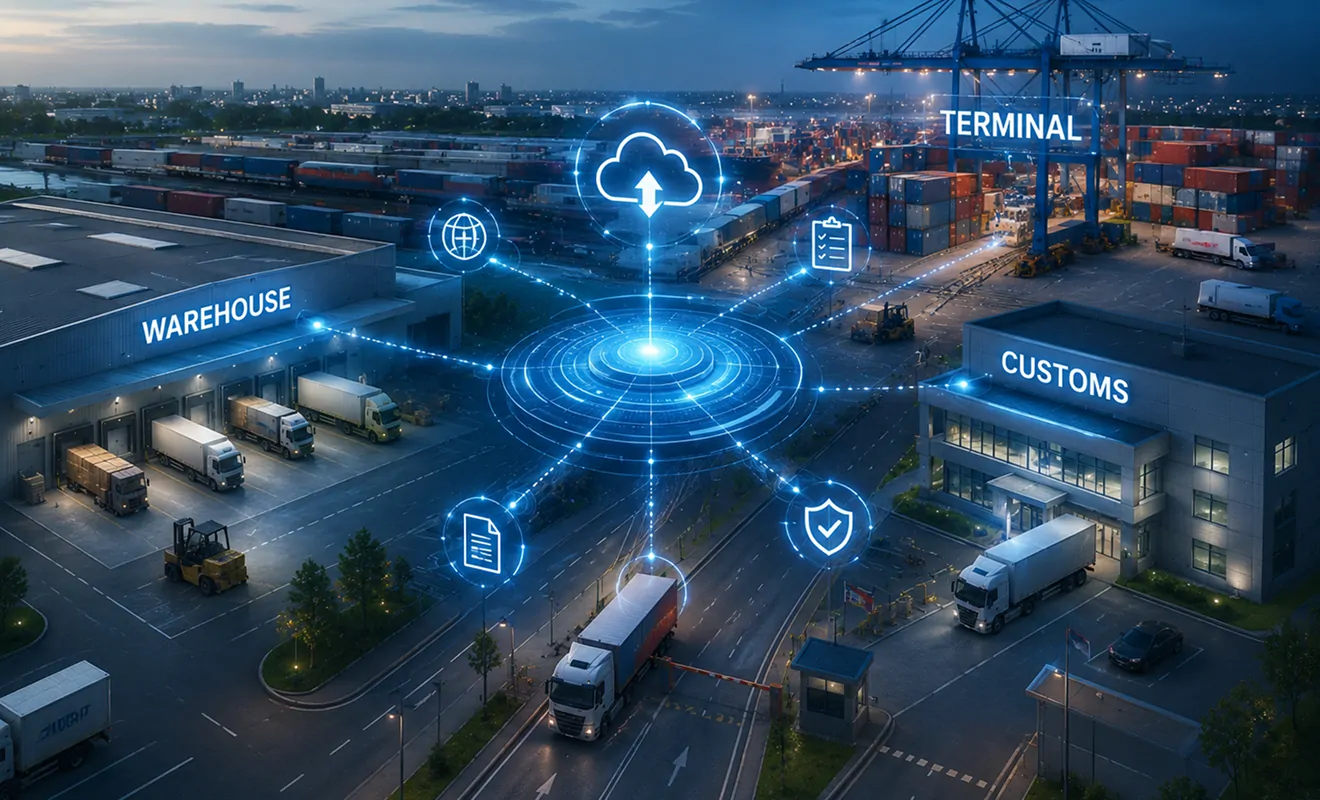
A dry port is one of the solutions to the problem of congestion at seaports and customs-logistics infrastructure. It relocates part of operations inland. But the real impact comes from digital integration.
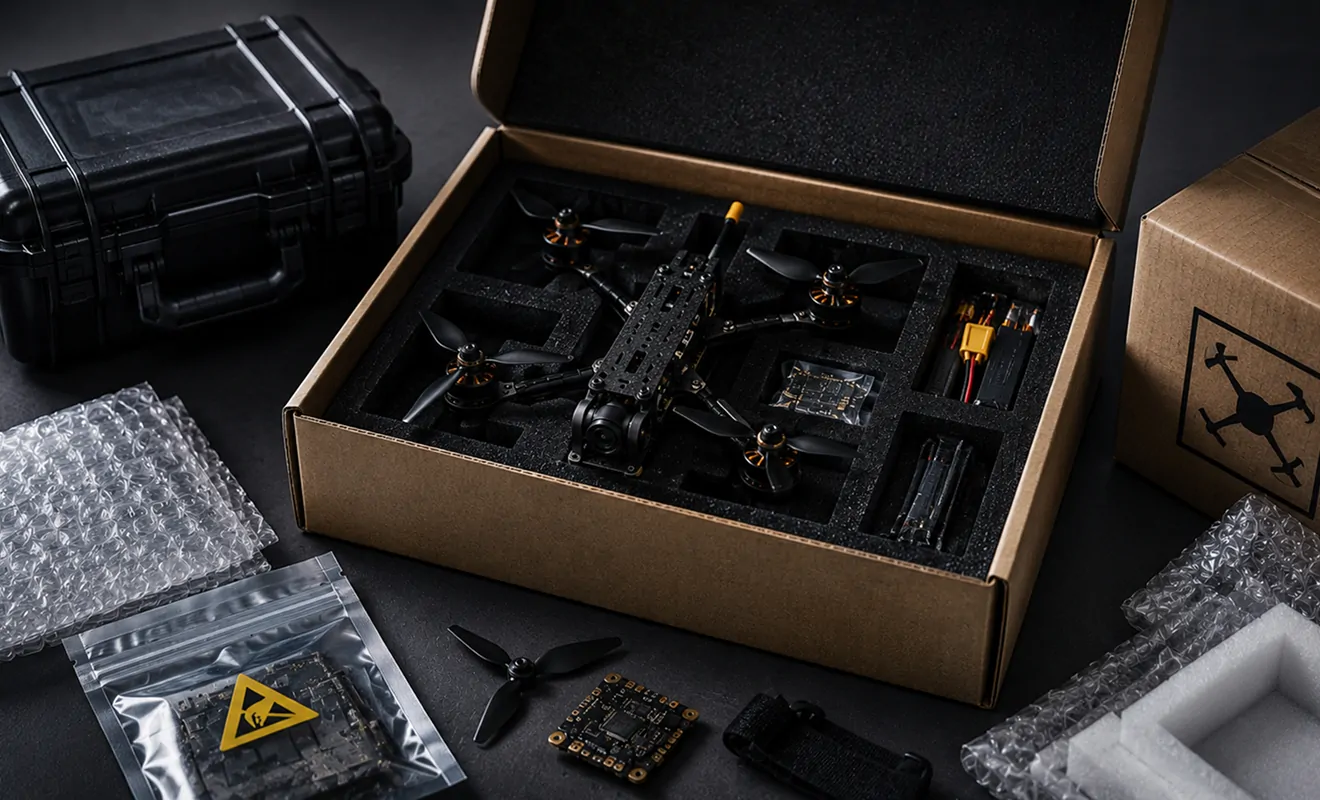
Most FPV components are sourced from China. This is a long route with temperature fluctuations and extended storage in transit zones.

Last-mile delivery is the final stage of the logistics chain, which shapes both the service cost and customer loyalty.
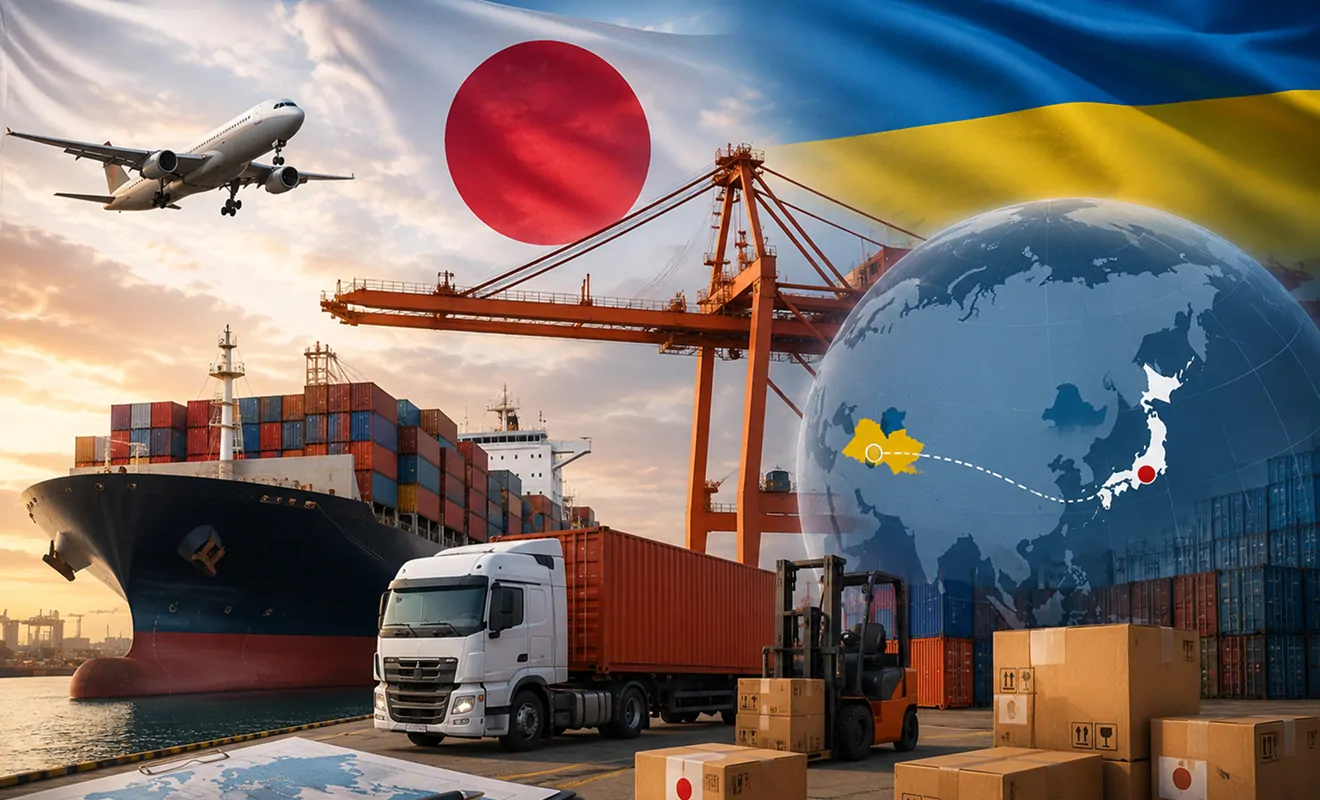
There are more than 8,000 kilometers between Ukraine and Japan, with no shared border or direct rail connection. Despite this, imports from Japan to Ukraine are growing
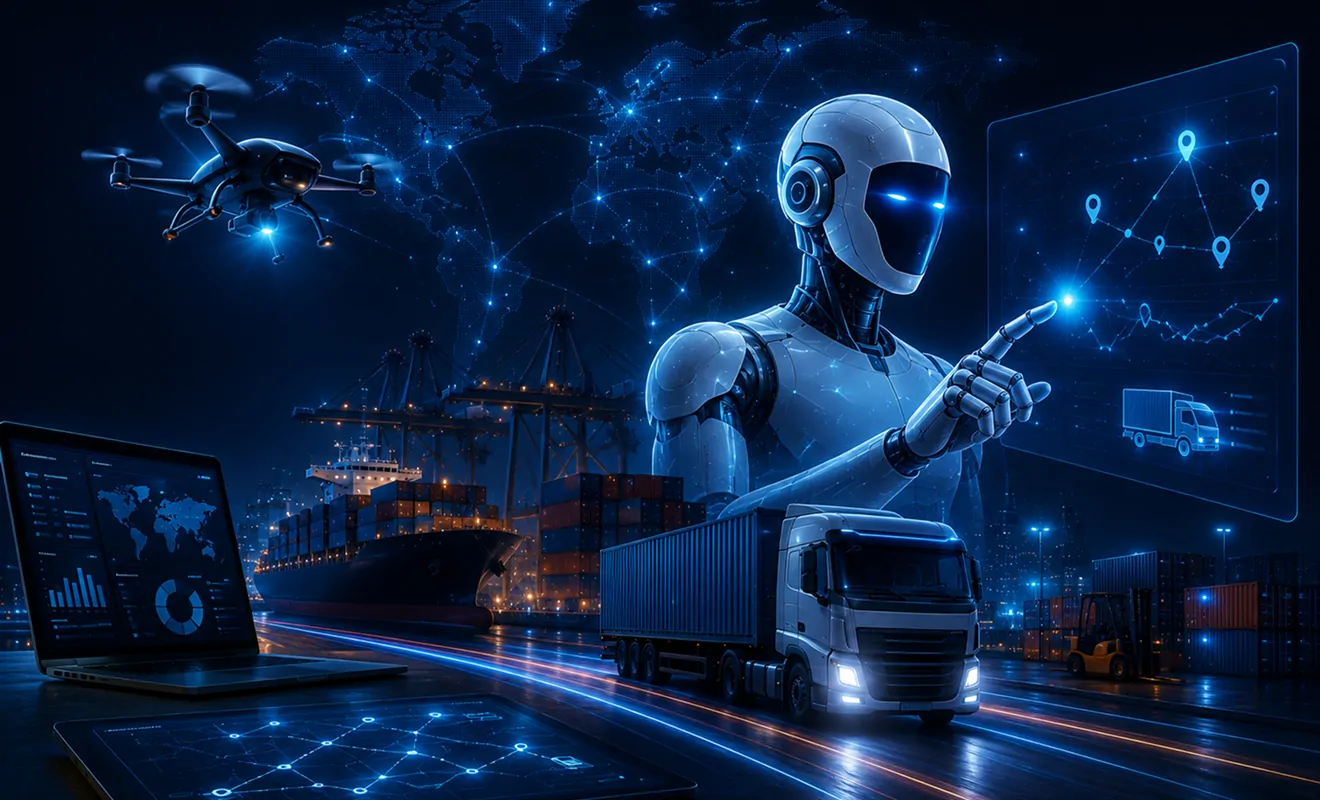
Just a few years ago, a dispatcher would spend an hour on a single request. Today, AI agents in logistics accomplish the same task in minutes – without phone calls or errors.

Anna
Business development manager

Volodymyr
Business development manager

Artur
Business Development Manager
