

From warehouse to artificial intelligence: what to expect for the logistics business in 2026

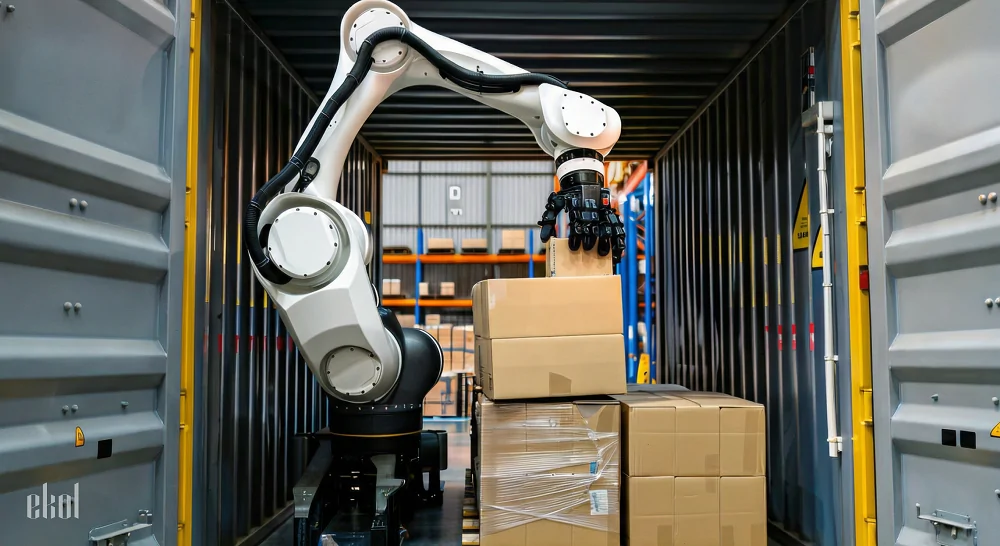
Logistics in 2026 is transforming and is an example of how technology is changing the way businesses work. Companies are moving to active management, where the main role is played by the collection of information and its correct use. For the logistics market, this means a complete restructuring of the structure, in which speed, productivity, and sustainability determine the ability to dictate their own rules of the game. The example of Ekol shows how new technologies are helping to shape the future of the industry.
The evolution of warehouses: from manual processes to automation
Previously, warehouses were associated with heavy manual labor and endless lines of goods on the shelves. Today, logistics automation is turning them into real “smart” centers. Robots pick and pack goods, sensors monitor inventory in real time, and programs suggest how best to organize the space. Workers now control processes more than they perform routine work. This is true digital logistics in 2026, where every process is robotic and ready to scale.
The role of artificial intelligence in modern logistics
Specialists Ekol notes, AI in logistics is not a trend, but a practical management tool. Artificial intelligence allows different processes to be combined into a single system, helping companies move from “point” solutions to holistic management of all processes online. Thanks to this, operations become more flexible, predictable, and able to quickly adapt to market changes and customer needs.
Smart warehouses and robotic systems
Warehouses equipped with AI programming are becoming centers for rapid order processing. They combine robotics, sensors, and digital platforms.
The advantages of such innovations include:
- continuous monitoring of operations;
- increasing staff efficiency ;
- easy business scaling.
As a result, companies are able to quickly adapt to changes in demand and the market. This creates a new standard of service for Ekol customers , where speed, accuracy, and technological stability become the expected norm, not a competitive advantage.
Data analytics and demand forecasting
Logistics in 2026 is the foundation of sustainable supply chains. Analytics allows you to see hidden patterns and react faster.
Practical tools:
- data processing ;
- use of machine learning algorithms ;
- simulation of delivery scenarios.
Companies reduce risks and optimize resources by making decisions based on real indicators, not assumptions. This approach allows you to prepare in advance for market fluctuations, seasonal changes, and unpredictable factors. That is why analytics and forecasting are becoming key management tools, without which innovation in logistics in 2026 is impossible.
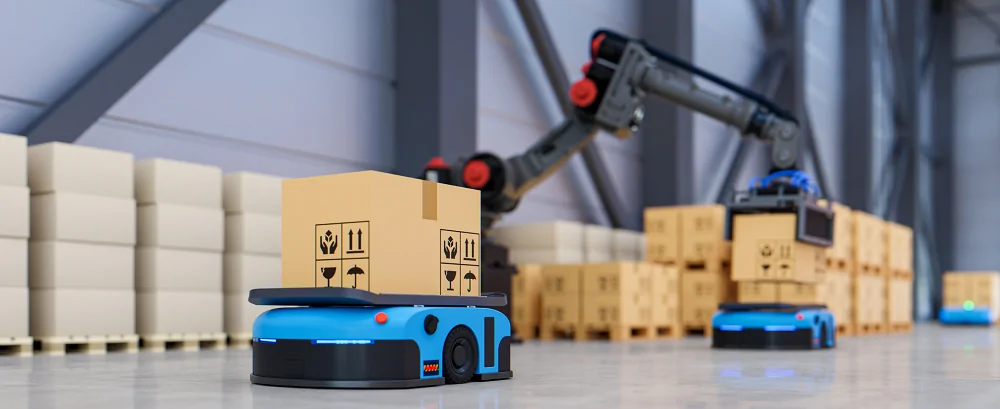
AI-driven optimization of transportation and routing
To improve transport routes, the key factor is the automation of the warehouse, which is closely related to transportation. It is from the warehouse that logistics in 2026 and accurate shipment planning begin. When the system calculates volumes, order readiness, and delivery priorities in real time, routes are formed without delays and unnecessary downtime. This allows you to coordinate warehouse processes with transport, reduce processing times, and make logistics more predictable and efficient.
Key benefits:
- reduction of fuel consumption;
- improving delivery accuracy;
- synchronization of warehouse and transport.
The use of specialized software guarantees delivery stability even in difficult conditions and reduces the influence of the human factor in planning. Companies are able to promptly adjust routes, maintain a high level of service, and control costs in real time.
Integration of digital platforms into logistics processes
The digitalization of logistics is impossible without global solutions. Platforms unite partners into a common network.
They provide:
- transparent integration of processes;
- real-time data exchange ;
- management through a single ecosystem.
Ekol experts explain that this approach reduces errors, speeds up interaction between chain participants, and increases transparency of operations. Logistics processes require deep integration of digital platforms, which become the basis of a stable and manageable network.
Cybersecurity and logistics data protection
With the growth of digital solutions, the need for cybersecurity is increasing . Logistics in 2026 requires reliable information security, which is becoming a strategic task.
Priority areas:
- access control;
- cloud platform protection ;
- constant monitoring of threats.
Secure digital environments allow companies to confidently scale operations and implement new technologies without the risk of losing critical information. A reliable cyber defense system is an element of reputation and trust from partners and customers.
Ekol experts always emphasize that logistics must develop in parallel with strengthening cybersecurity, which ensures the stability and continuity of all processes.
The impact of technology on personnel and business models
Technology is changing employee roles and approaches to management. Instead of routine tasks, there is a focus on analytical skills and intelligence . Companies are moving to more agile business models, where the ability of staff to work with digital tools and quickly adapt to change is valued.
Technology does not replace people, but rather enhances their expertise, opening up new opportunities for professional growth. This approach shapes logistics in 2026, where success is determined by the balance between human experience and technological solutions.
Preparing the logistics business for changes in 2026
It is important for businesses to prepare for the future, so a strategy is always needed. It should include investments in automation, robotics, and infrastructure development.
What exactly can be done to prepare:
- process audit;
- implementation of AI solutions;
- building a flexible ecosystem.
A prepared business is able not only to react to changes, but also to anticipate them, forming its own rules of the game in the market. Consistent development of technologies, processes, and teams allows companies to maintain stability even in periods of uncertainty. This is how logistics is being built in 2026 – strategic, flexible, and focused on long-term development.
FAQ
What does the implementation of artificial intelligence mean in the logistics business?
This is the use of AI in logistics to analyze, predict , and manage processes based on collected data.
What logistics processes will be the first to be automated in 2026?
First of all, warehouse operations, transportation planning, and monitoring, where logistics automation works faster.
Will automation replace personnel in logistics?
The transformation of roles in logistics empowers people with technology and creates new opportunities for development.
read more
Similar articles
For a business, a logistics company is one reliable partner instead of a dozen separate contractors. It handles communication with carriers and quickly resolves force-majeure situations on the road

Without reliable delivery, a farmer’s harvest won’t reach the market on time. A logistics company for a farmer is not just a service provider — it’s a partner on whom the financial outcome of the season depends.

On the night of July 19, 2026, a massive missile attack severely damaged the Ekol Logistics distribution center located in the AMTEL logistics complex.

The changes for Ukrainian exporters in 2026 concern not only export clearance procedures but also the organization of shipments to EU countries.
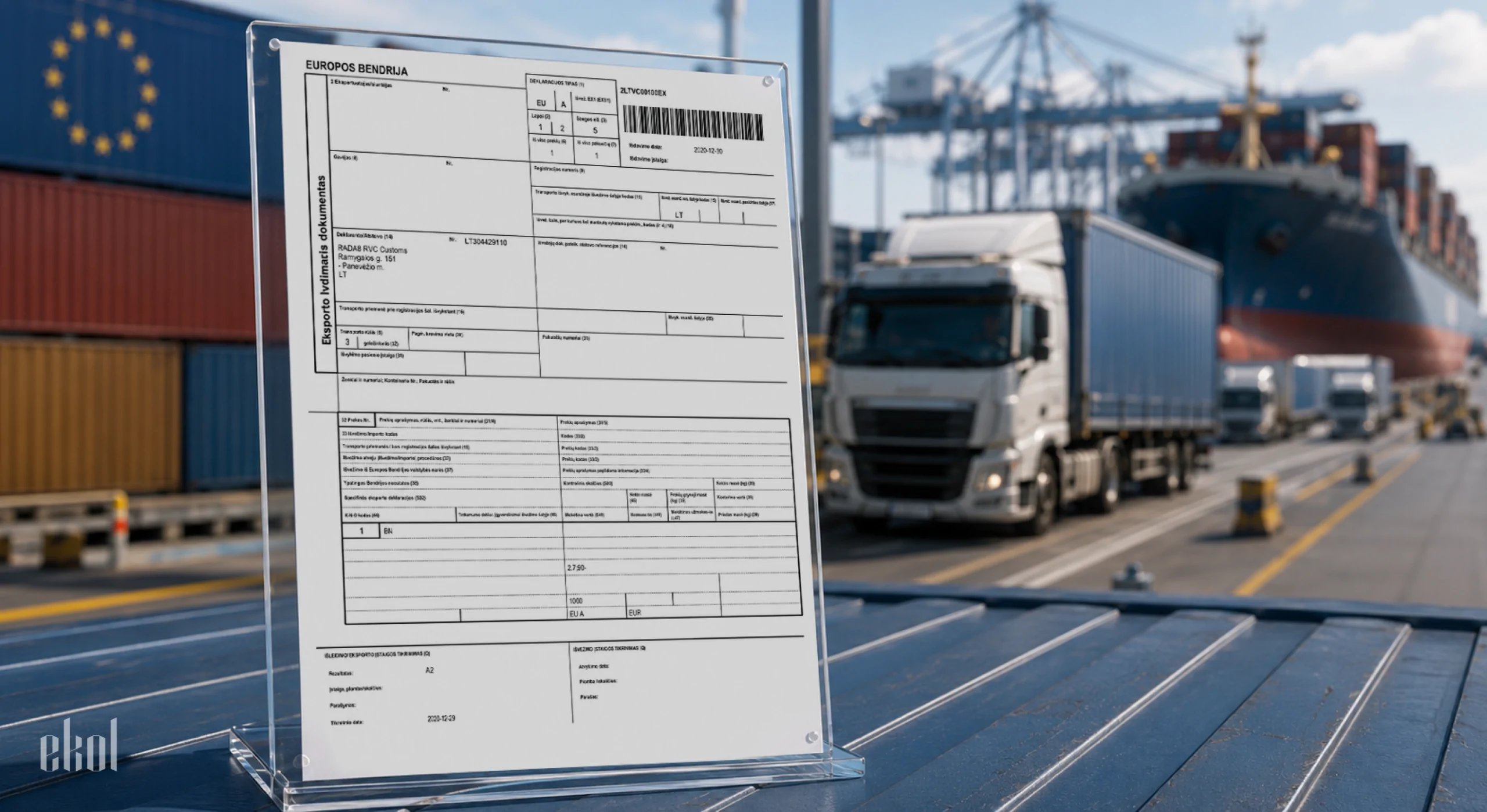
Export requires proper customs clearance and document preparation. For businesses, it is important not only to deliver the goods but also to successfully complete all procedures when crossing the border.

Entering the European Union market opens significant opportunities for Ukrainian companies. However, the success of such expansion depends on the ability to establish proper logistics.

Anna
Business development manager

Volodymyr
Business development manager

Artur
Business Development Manager
