

How Multimodal Transportation Differs from Intermodal Transportation

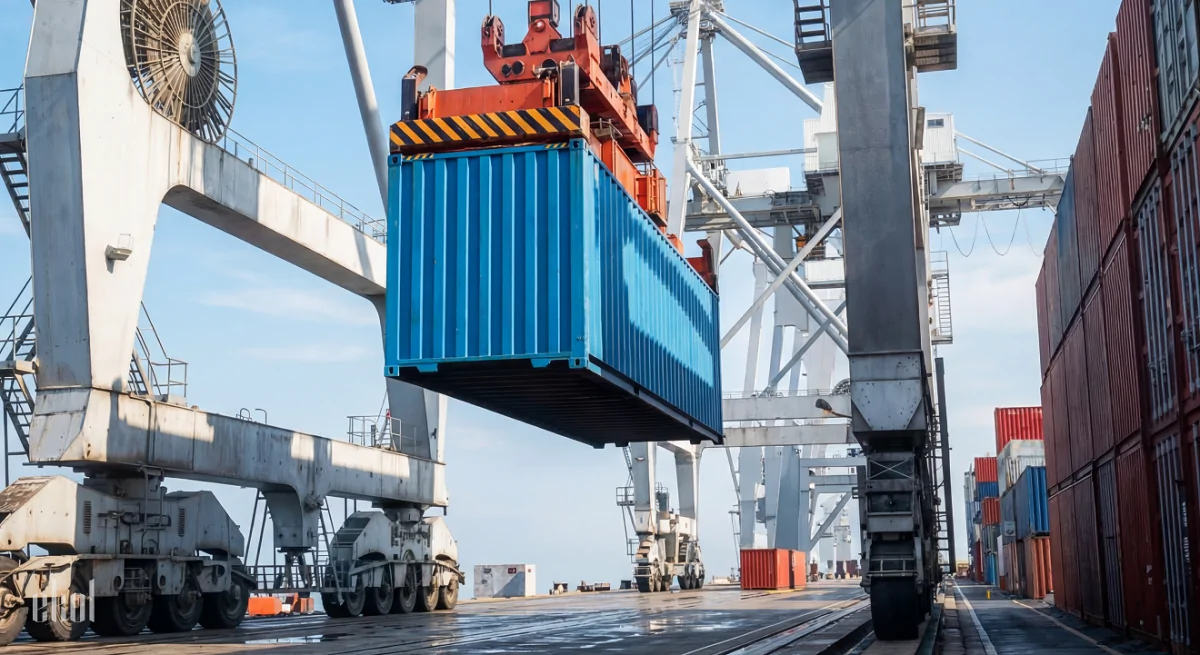
In modern supply chains, speed, reliability, and transparency of delivery are of utmost importance. Businesses constantly face rising freight costs, changes in customs rules, and other transformations. As a result, interest in combined approaches in logistics — multimodal and intermodal transportation — is growing. Understanding the difference between them helps companies optimize costs, reduce risks, and increase supply flexibility. The experienced logistics operator Ekol helps clients every day to choose the most effective way to deliver goods across Europe and the world, taking into account the specifics of each project.
What is multimodal transportation
Multimodal transportation is the organization of cargo delivery using more than one mode of transport under a single contract and with single carrier liability. It is important that for the client the entire route is formalized with one contract and one transport document. In this way, an optimal balance between cost, delivery time, and reliability is achieved, as the operator itself coordinates all segments of the route.
The multimodal logistics operator Ekol takes upon itself the planning and chartering, complete documentation, coordination of transshipments, customs escort, insurance, and monitoring at all stages. This significantly reduces the administrative burden on the client.
What is intermodal transportation
Intermodal transportation also involves the use of several modes of transport, but there is one significant difference. During transportation, the cargo is not physically reloaded, meaning the container (or other transport module) remains unchanged throughout the entire route. For example, goods are loaded into a container, and then it is transported by different modes of transport without opening. This method reduces the risk of damage, speeds up handling, and increases cargo security.
For complex international routes or sensitive goods, intermodal solutions become the ideal compromise between efficiency and reliability, especially when it is critically important to preserve the integrity of the cargo.
Key differences between multimodal and intermodal transportation
Both approaches to cargo transportation involve combining transport modes, but the difference between multimodal and intermodal transportation is significant.
| Characteristic | Multimodal transportation | Intermodal transportation |
| Number of contracts | One contract for the entire route | Several contracts with each carrier separately |
| Liability | One operator bears responsibility for the entire route | Each carrier is responsible for its own section |
| Transport document | Single through document | Separate documents for each mode of transport |
| Cargo handling | Consolidation and deconsolidation of goods batches at warehouses is allowed | Cargo travels without unpacking in one transport unit (container) |
| Coordination | Fully organized by one company | Requires efforts from the customer to align schedules |
Multimodality is more focused on supply chain management, while intermodality is focused on cargo protection and speed of handling.
Ekol helps clients choose between these models and ensures transparent, economically viable, and predictable logistics. The company has an extensive infrastructure, a network of terminals, is ready to provide professional routing services, and takes on document management and customs clearance.

Advantages and disadvantages of each transportation format
Both types of cargo transportation were created to make logistics efficient, but each has its strengths and weaknesses:
- Multimodal transportation gives business maximum flexibility and the ability to choose the most optimal route segments. This is convenient for complex supply chains with numerous transits. At the same time, this format is sometimes more difficult to predict in terms of time;
- Intermodal transportation is distinguished by reduced risks of cargo damage and the ability to choose a carrier for each section. However, they require stricter coordination when changing transport modes.
Ekol experts always weigh these “pros” and “cons” for each client to find the optimal balance between price and delivery quality.
When a business should choose the multimodal model
The multimodal model is chosen by companies that need maximum flexibility and comprehensive logistics support. This scheme works best when the route includes several modes of transport, for example:
- road delivery from Ukraine to a European hub;
- rail transportation;
- completion of the route by sea or air.
The difference of multimodal transportation lies in the possibility of centralized management of the entire supply chain through one operator.
For businesses with a large number of transit points, high turnover, or complex customs requirements, this model provides an advantage in managing the risks of multimodal transportation and reducing operating costs.
When intermodal transportation is appropriate
Intermodal transportation is most advantageous when it is important to minimize physical handling of the cargo and ensure maximum safety during delivery. This is relevant for long international routes, for example, from Europe to Asia or North Africa, where the goods in the container pass through several countries without unpacking and repacking.
The main difference of intermodal transportation is that the cargo is transported in one cargo unit throughout the entire route. Intermodality is ideal for sensitive or expensive goods, when any additional handling is a risk.
Conclusions and practical recommendations for companies
The difference between these types of transportation lies primarily in the approaches to organizing the supply chain. If your priority is flexibility, cost optimization on complex routes, and comprehensive logistics management, then multimodal delivery can become the best solution. When the priority is minimal physical handling, high safety, and predictable deadlines, the intermodal scheme fully justifies itself.
FAQ
What is the key difference between multimodal and intermodal transportation?
In the multimodal scheme, cargo is delivered by different modes of transport, but one operator is responsible for the entire supply chain and provides full forwarding. Intermodality is based on the principle of containerization, when cargo moves between modes of transport without reloading.
What type of contract is used in multimodal transportation?
In multimodal transportation, a single contract of carriage is used between the customer and the multimodal operator. This contract covers the entire route, regardless of how many modes of transport are involved.
How many carriers are involved in the intermodal delivery scheme?
In the intermodal scheme, several carriers may be involved — one for each mode of transport. The cargo remains in one container, and liability passes between carriers at each section.
Who bears responsibility for the cargo in multimodal transportation?
In multimodal transportation, all risks and liability are borne by the multimodal operator under the terms of a single contract.
read more
Similar articles
For a business, a logistics company is one reliable partner instead of a dozen separate contractors. It handles communication with carriers and quickly resolves force-majeure situations on the road

Without reliable delivery, a farmer’s harvest won’t reach the market on time. A logistics company for a farmer is not just a service provider — it’s a partner on whom the financial outcome of the season depends.

On the night of July 19, 2026, a massive missile attack severely damaged the Ekol Logistics distribution center located in the AMTEL logistics complex.
The changes for Ukrainian exporters in 2026 concern not only export clearance procedures but also the organization of shipments to EU countries.
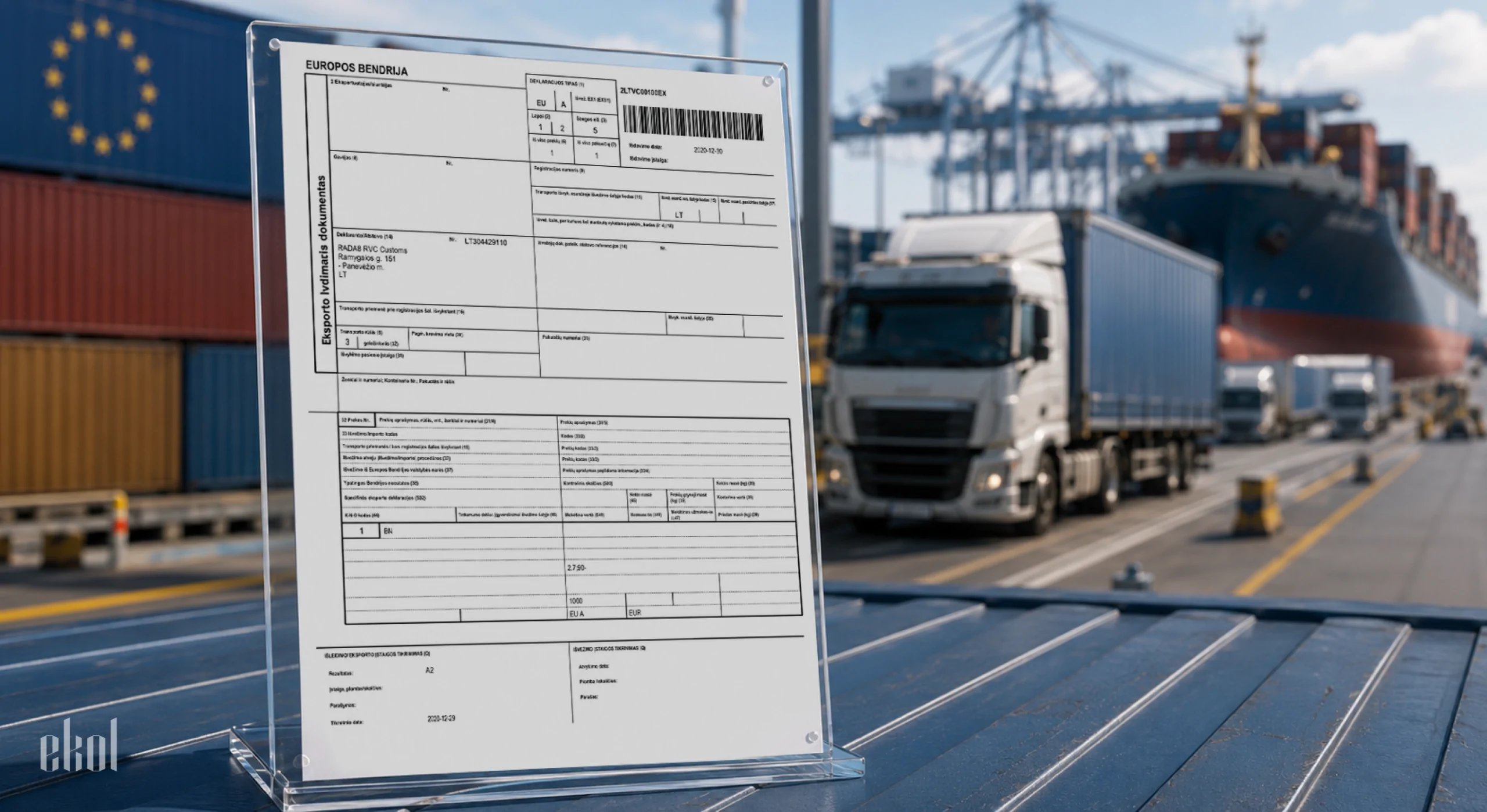
Export requires proper customs clearance and document preparation. For businesses, it is important not only to deliver the goods but also to successfully complete all procedures when crossing the border.

Entering the European Union market opens significant opportunities for Ukrainian companies. However, the success of such expansion depends on the ability to establish proper logistics.

Anna
Business development manager

Volodymyr
Business development manager

Artur
Business Development Manager
