

How a Logistics Company Works

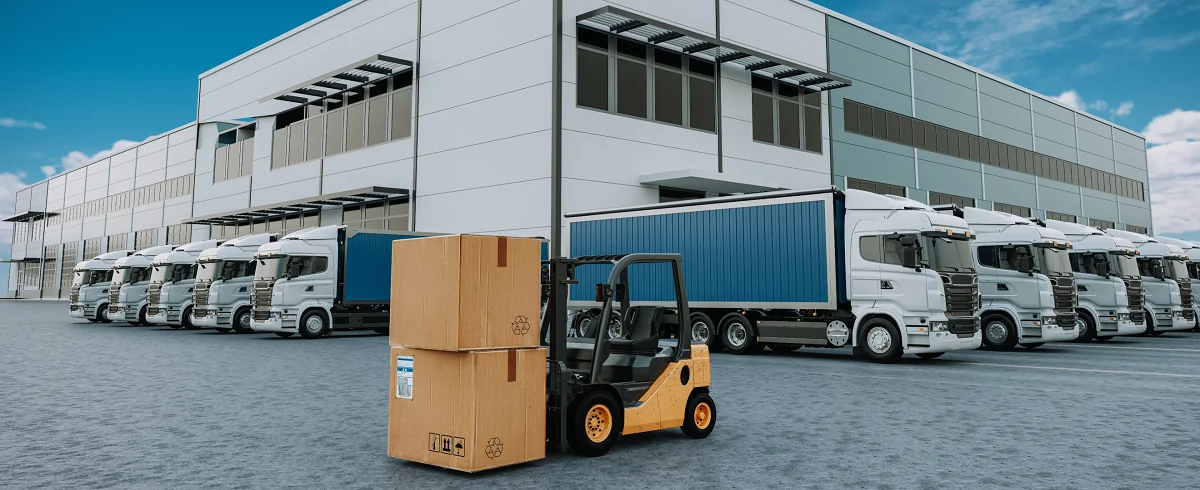
For a business, a logistics company is one reliable partner instead of a dozen separate contractors. It handles communication with carriers and quickly resolves force-majeure situations on the road, freeing the client from having to coordinate the process independently.
In this article, we’ll look at what a logistics company is and how its workflow is structured.
What a Logistics Company Is and What Functions It Performs
A logistics company is an organization that takes on the full cycle of cargo movement, from receiving the order to delivering it to the final recipient. Its area of responsibility includes transportation, warehouse storage, customs clearance, cargo insurance, and document-flow control.
Main Areas of Work: Transportation, Warehousing, Customs Clearance
A logistics company combines three core areas that complement one another:
- Freight transportation. Delivering goods by road, rail, sea, or air transport. In this sense, it acts as a transport company, organizing both international and domestic shipments.
- Warehouse logistics. Storing cargo at intermediate stages, consolidating small batches into larger ones. Also preparing goods for dispatch and labeling them according to the recipient’s requirements.
- Customs clearance. Preparing declarations, liaising with customs authorities, and supporting cargo as it crosses the border.
This approach makes it possible to control the cargo throughout its entire journey within a single process.
Stages of Organizing Transportation: From Order to Delivery
The process covers six sequential steps:
- Order. The client provides information about the cargo, route, desired timelines, and any special transportation conditions.
- Rate calculation. The logistics company forms the cost based on distance, product type, season, and additional services.
- Transport selection. A suitable vehicle is chosen for the specific batch, taking into account dimensions, weight, and movement requirements.
- Documentation. A transportation contract, waybill, and accompanying documentation are prepared according to the specifics of the goods.
- Transportation. The driver completes the run along the agreed route, while the logistics company monitors compliance with timelines at every leg of the journey.
- Delivery and reporting. The cargo is handed over to the recipient. An acceptance-transfer certificate is drawn up, recording the condition of the product at the time of receipt.
The stages of a logistics company’s work are identical for every order, regardless of cargo volume.
The Role of the Dispatcher and Logisticians in the Process
These two roles are often confused, although they are responsible for different levels of the same cycle — operational and strategic.
A dispatcher at a logistics company coordinates the movement of transport in real time:
- monitors the execution of runs;
- stays in contact with the driver;
- resolves operational issues on the route, including force-majeure situations.
A logistician is responsible for strategic planning before transportation even begins:
- chooses the optimal mode of transport;
- calculates delivery timelines, taking seasonal factors into account;
- builds the route considering customs procedures and border-specific features.
A qualified logistician combines knowledge of the transportation market with an understanding of the specifics of a particular cargo.
According to Ekol Logistics experts, a clear distinction between the functions of the dispatcher and the logistician helps avoid confusion over responsibility.
Route Planning and Optimization
Routing is one of the key processes in a logistics company’s work. Delivery timelines and transportation costs depend on correct calculations, which is why this stage receives special attention even before the cargo is dispatched.
Route optimization takes into account:
- road congestion;
- seasonal restrictions;
- the availability of transshipment points;
- possible alternative detour routes.
This makes it possible to reduce travel time, cut fuel costs, and lower the risk of delays caused by unforeseen hold-ups on the road.
Working with Documents and Customs Clearance
Document flow at a logistics company has a clear structure. Each document accompanies the cargo at a specific stage and confirms the legality of its movement.
The minimum package includes:
- a transportation contract, which fixes the terms of cooperation between the parties;
- a waybill;
- a customs declaration;
- documents confirming cargo insurance.
Customs clearance requires precision, since any error delays the goods at the border. This is especially true for international shipments, where the requirements of different countries can vary significantly.
Insurance and Liability for Cargo
Protecting the owner from financial losses in the event of product damage during transportation is made possible through cargo insurance.
Terms are worth clarifying in advance:
- which risks are covered;
- whether a deductible applies;
- how quickly compensation is paid out after an insured event occurs.
A reliable logistics company clearly defines the boundaries of its liability at the contract stage, so the client always knows who is responsible for what in the event of an incident.
Cargo Tracking and Client Communication
Digital systems make it possible to see a shipment’s location in real time — from the moment of loading to arrival at the destination. Cargo tracking is combined with customer service. The client receives status updates at every stage, and the logistics company responds promptly to any deviations from the schedule.
Technology and Logistics Management Systems
TMS-class systems automate route calculation, document generation, and monitoring of run execution. This reduces the number of errors related to the human factor and speeds up the processing of each order.
Technology also helps plan the supply chain in advance rather than reacting to problems after the fact. Thanks to analytics, logistics management becomes more predictable and less dependent on random factors.
Ekol Logistics experts emphasize that digitalization of processes today is not just a convenience but a necessary condition for stable operation with large cargo volumes.
Benefits of Working with a Logistics Company
The best logistics companies take on the entire operational part of the process themselves. Thanks to such cooperation, a business gets more than just cargo transportation:
- Time savings. No need to search for transport and coordinate schedules with multiple contractors on your own.
- Fewer formalities. The logistics company handles document preparation and customs procedures.
- Predictable costs. Transparent rates with no hidden fees.
- Control throughout the entire route. The client sees the cargo’s status from dispatch to receipt.
This is most noticeable in international shipments, where the number of formalities increases significantly and the cost of a mistake is higher.
Conclusion
Understanding how a logistics company works helps you make an informed choice and build effective logistics for years to come. A logistics operator is not just a separate carrier — it’s a business partner. Ekol Logistics combines transportation, warehousing, customs clearance, and supply chain management.
FAQ
How does a logistics company differ from a regular carrier?
A carrier is only responsible for the physical movement of cargo from point A to point B. A logistics company, on the other hand, takes on the entire process — from route planning to the final report. It is accountable to the client for the result, not just the fact of delivery.
How much do logistics company services cost?
The cost depends on the route, cargo type, and scope of work. An exact calculation is provided individually for each order. It’s important for the client to find out in advance which services the logistics company provides, in order to avoid additional costs at stages not included in the rate.
Can you order only specific services rather than the full cycle?
Yes, a logistics company can handle only transportation or only customs clearance. It all depends on the client’s needs.
How do you choose a logistics company for international shipments?
It’s worth checking experience with customs procedures, the availability of an owned transport fleet, and customer reviews.
read more
Similar articles

Without reliable delivery, a farmer’s harvest won’t reach the market on time. A logistics company for a farmer is not just a service provider — it’s a partner on whom the financial outcome of the season depends.

On the night of July 19, 2026, a massive missile attack severely damaged the Ekol Logistics distribution center located in the AMTEL logistics complex.
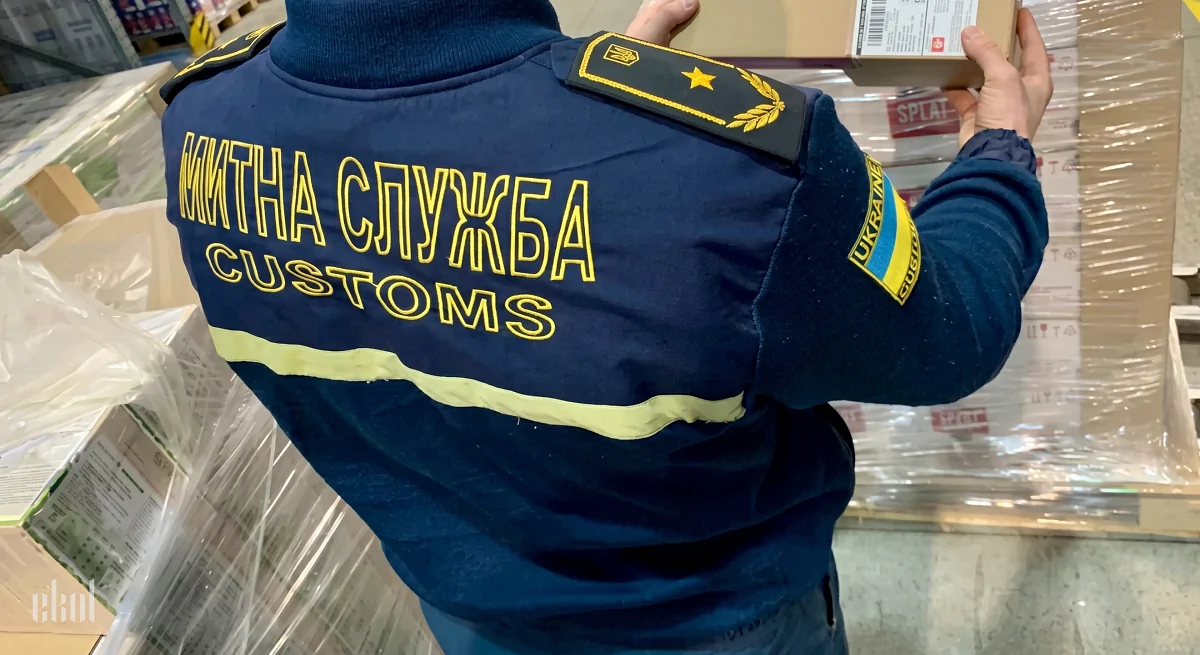
The changes for Ukrainian exporters in 2026 concern not only export clearance procedures but also the organization of shipments to EU countries.
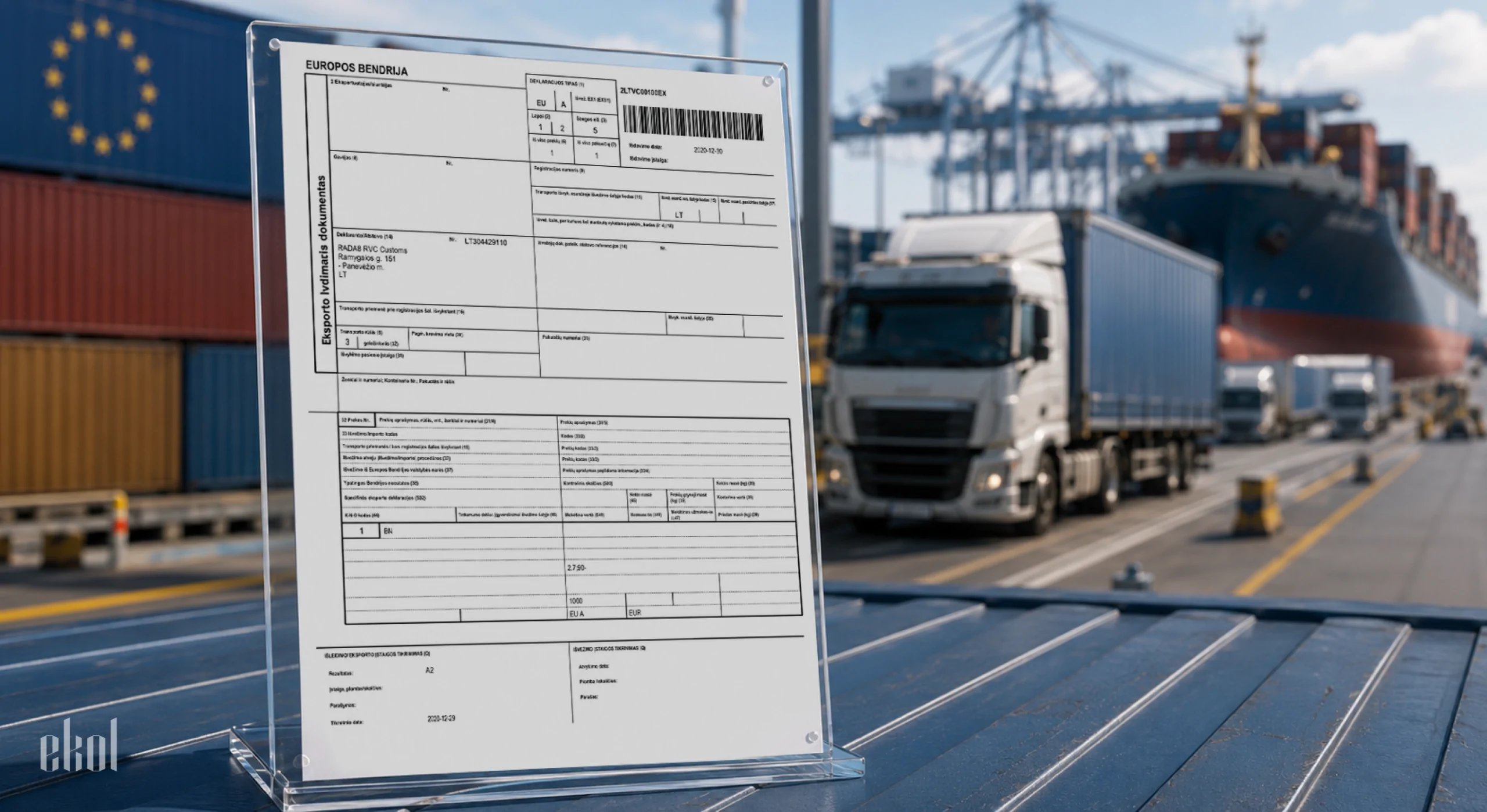
Export requires proper customs clearance and document preparation. For businesses, it is important not only to deliver the goods but also to successfully complete all procedures when crossing the border.

Entering the European Union market opens significant opportunities for Ukrainian companies. However, the success of such expansion depends on the ability to establish proper logistics.
Entering the European Union market opens significant opportunities for Ukrainian companies. However, the success of such expansion depends on the ability to establish proper logistics.

Anna
Business development manager

Volodymyr
Business development manager

Artur
Business Development Manager
