

Transitioning to TEN-T Standards: What the Expansion of European Transport Corridors Means for Ukrainian Business


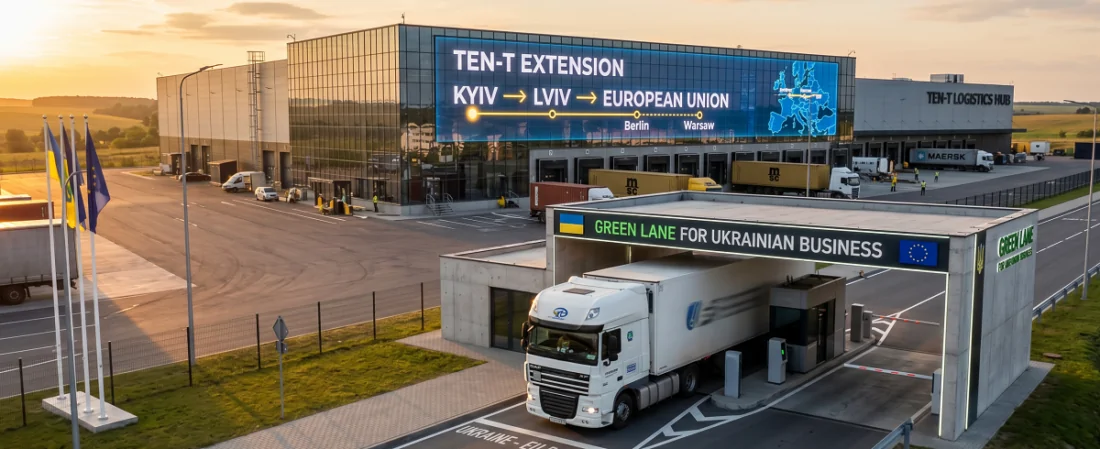
Global European integration is opening new horizons for the domestic market. The core TEN-T standards are designed to erase infrastructure borders and accelerate the movement of goods.
Ukrainian exporters need to understand what TEN-T means for business and how large-scale geopolitical projects will change day-to-day operational processes.
What Is TEN-T and Why Does It Matter for Ukraine
TEN-T is the trans-European transport network, created to unite the road, rail, and waterway routes of Europe. The official expansion of TEN-T to Ukraine cements our country’s status as a strategic hub between East and West. This significantly increases the overall competitiveness of Ukrainian enterprises.
The large-scale project itself is designed to completely eliminate technical discrepancies between different states. For us, such integration into the global system means full inclusion in European supply chains.
How the Expansion of European Transport Corridors Changes Logistics
Mainline logistics is becoming more predictable and transparent. The introduction of unified regulations allows for the formation of end-to-end tariff rates and the coordination of international transportation without delays. In essence, the large-scale expansion of TEN-T to Ukraine introduces new rules for trip planning.
The global modernization involves the improvement of border crossing points. Instead of lengthy delays, companies gain rapid transit, enabling precise warehouse inventory planning. The entire continental space begins to operate on a single clear schedule, as TEN-T standards unify customs procedure rules for all modes of transport.
What Opportunities Does TEN-T Open for Ukrainian Business
Entrepreneurs gain direct access to new industrial and consumer centers in Western Europe. The expansion of TEN-T to Ukraine eliminates the problem of territorial isolation of individual production facilities. Manufacturers can scale up capacity, as transport infrastructure will no longer be a limiting factor for sales.
Let’s compare the key development vectors:
| Development Indicator | Traditional Supply System | Updated TEN-T Network |
| Delivery methods | Predominantly monomodal road routes | Developed multimodality and combined schemes |
| Hub loading | Queues at border crossing points | Automated logistics terminals and dry ports |
| Funding attraction | Limited state budget financing | Large European investments in transport infrastructure |
Deep integration clearly shows what TEN-T means for business in the long term — it is the transformation of Ukraine’s geographic position into a real financial advantage.
Ekol Logistics experts are confident that the new highways will allow companies to enter markets previously considered unreachable due to costly delivery. “TEN-T means opening direct, unobstructed corridors to the largest EU consumers,” the specialists emphasize.
How New Transport Routes Will Affect Exports and Imports
The increase in available routes allows for changes in delivery schemes. Stable exports of industrial and agricultural products are now less dependent on the operation of individual seaports. At the same time, reverse imports take place on clear schedules.
Balanced cargo flows eliminate the shortage of available transport during seasonal peaks. As a result, domestic goods are delivered within clearly defined time windows. Companies engaged in the regular transportation of perishable food products benefit particularly. For such sensitive categories, the current TEN-T road standards guarantee high movement speeds.
What EU Requirements Companies Need to Consider
European directives require strict compliance with technical safety and environmental parameters. Companies will need to adapt their transport and internal documentation to the new requirements. General TEN-T standards also cover personnel qualifications and the level of process digitalization.
Special attention is paid to reducing harmful atmospheric emissions. Large freight operators must optimize their fleets in accordance with the regulations.
How to Prepare Logistics Processes for TEN-T Standards
It is best to start with an audit of existing distribution systems. It is important to assess how TEN-T road standards are being implemented, governing weight parameters and axle load for trucks. Non-compliance with the criteria will result in fines when traveling along the updated European corridors.
The next step is modernizing warehouses for rapid processing of container trains. It is also necessary to integrate internal accounting systems with European platforms for real-time data exchange, as the basic TEN-T railway standards are built on full digitalization.
What Risks and Challenges Await Business
The main challenge is the need to attract significant working capital for re-equipping to TEN-T standards. Furthermore, the current TEN-T railway standards require a transition to the European track gauge of 1435 mm. This standardization is long-term, so companies may face additional strain. You need to clearly understand what TEN-T means for business at the adaptation stage.
Competition from foreign carriers with more technologically advanced fleets and cheaper credit is also intensifying. To maintain leadership, Ukrainian operators will need to urgently implement innovations.
How TEN-T Will Affect the Cost and Speed of Transportation
Thanks to route optimization, the total transit time of transport will be reduced by at least a quarter. Rapid modernization of railways and roads reduces depreciation costs for carriers. In the long term, TEN-T standards will help stabilize freight prices and make tariffs predictable.
Impact factors of the updated network:
- Reduction in fuel costs due to improved road quality.
- Elimination of additional charges at intermediate border crossings.
- Minimization of downtime.
- Ability to use larger batches in a single container.
The expansion of TEN-T to Ukraine allows for the optimization of capital turnover: the transport system works like a well-coordinated organism, making budget planning possible.
What Business Needs to Do Right Now
There is no need to wait for the full completion of infrastructure construction. Companies must adapt their development strategies to the new European geographic vectors. For example, when organizing the regular transportation of humanitarian aid, it is worth testing alternative hubs and dry ports in advance, where TEN-T railway and road standards apply.
The Ekol Logistics team confirms: “Those enterprises that proactively redirect their logistics chains to multimodal platforms will come out ahead.”
Conclusions for Ukrainian Exporters and Importers
The new infrastructure reality is changing the rules of the game for all participants in the foreign trade market. Understanding what TEN-T means for business allows companies to act proactively.
The large-scale expansion of TEN-T to Ukraine gives entrepreneurs a reliable tool for rapid scaling and stable operations under any conditions.
FAQ
What truck parking facilities do TEN-T road standards require?
They stipulate safe parking areas (SSTPA) every 100 km. Logistics under these conditions guarantees cargo safety during driver rest periods, as the current TEN-T road standards unify highway protection.
How exactly do TEN-T railway standards regulate the length of freight trains?
The regulations set a minimum train length of 740 meters. New railway terminals and dry ports must build appropriately long tracks, as these TEN-T railway standards are mandatory for international lines.
What does TEN-T mean for business in terms of attracting capital?
The network guarantees large-scale European investments in border corridors and hubs. For companies, TEN-T represents an opportunity to integrate their own terminals into European infrastructure.
read more
Similar articles
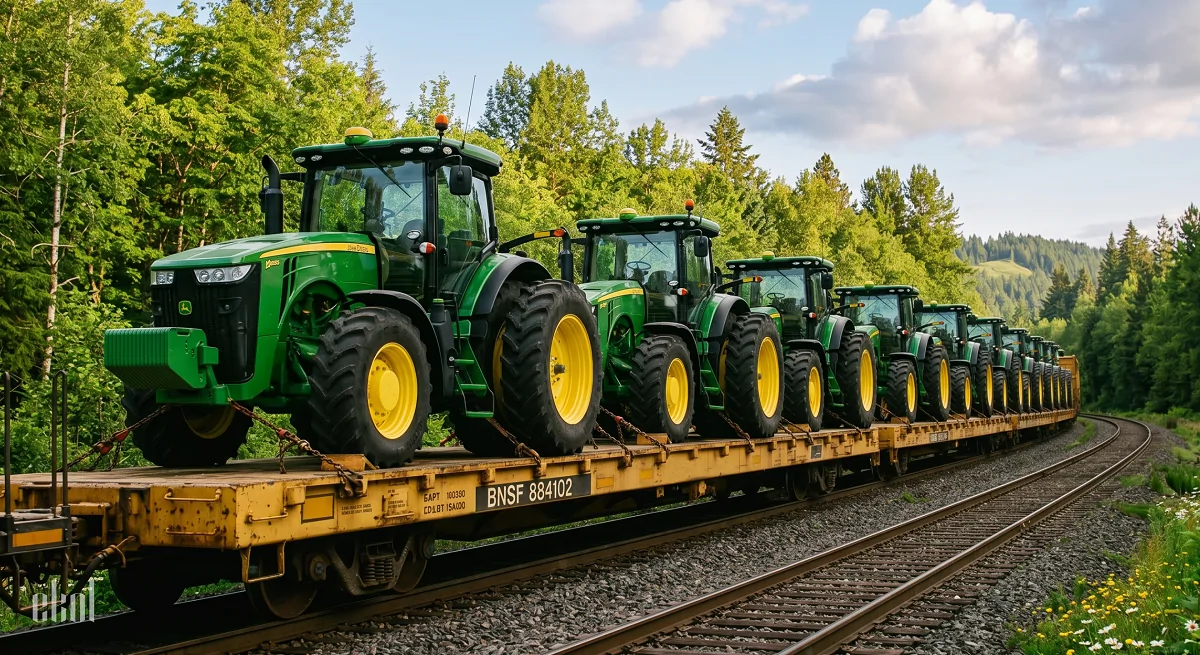
Proper tractor transport across Ukraine starts with assessing the machine’s dimensions and selecting the right type of transport. This approach helps avoid fines and delays along the route.
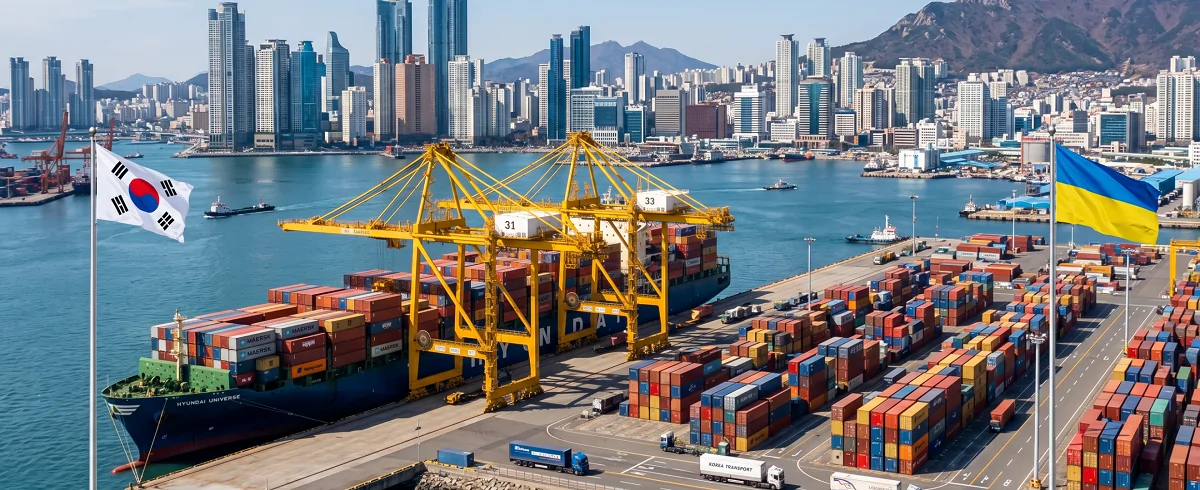
For years, the domestic market relied on purchases from the PRC, but the era of Chinese factory monopoly is gradually coming to an end. Entrepreneurs are turning to other Asian countries, weighing product quality and partner reliability.
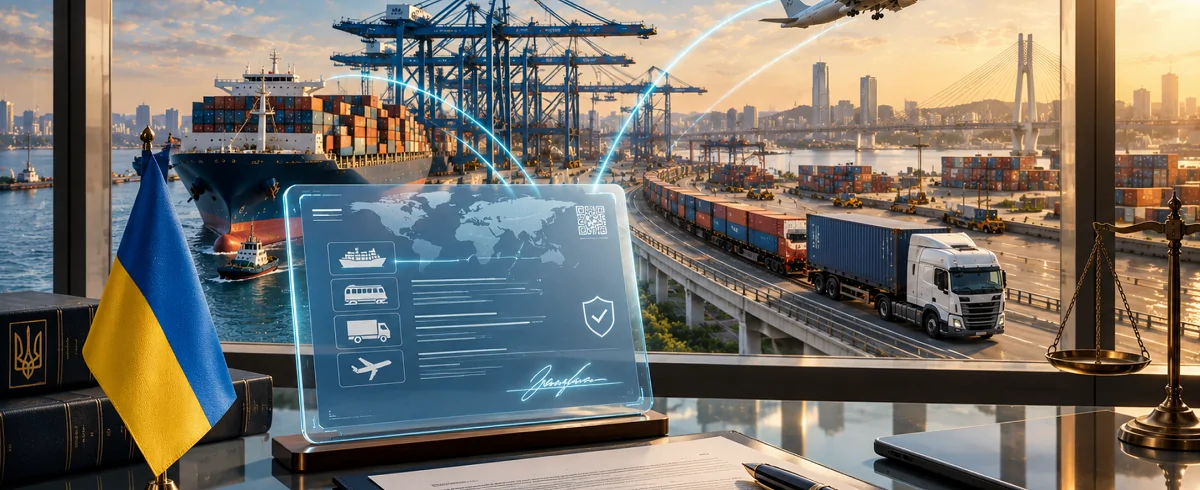
Back in 2021, Ukrainian legislation officially regulated the delivery scheme in which several modes of transport are combined for a single route.
For a business, a logistics company is one reliable partner instead of a dozen separate contractors. It handles communication with carriers and quickly resolves force-majeure situations on the road

Without reliable delivery, a farmer’s harvest won’t reach the market on time. A logistics company for a farmer is not just a service provider — it’s a partner on whom the financial outcome of the season depends.

On the night of July 19, 2026, a massive missile attack severely damaged the Ekol Logistics distribution center located in the AMTEL logistics complex.

Anna
Business development manager

Volodymyr
Business development manager

Artur
Business Development Manager
