

How a Farmer Should Choose a Logistics Company


Without reliable delivery, a farmer’s harvest won’t reach the market on time. A logistics company for a farmer is not just a service provider — it’s a partner on whom the financial outcome of the season depends.
Many carriers operate on the market, but not all of them understand the specifics of agricultural cargo. A mistake in choosing a carrier costs the farmer time and money. In this article, we’ll look at how a farmer can find a reliable carrier and what to pay attention to when choosing a partner.
Why It’s Important for a Farmer to Choose the Right Logistics Company
The agricultural season has clear time frames. Sowing, harvesting, selling — everything happens within specific periods. A delay in delivering grain or equipment often leads to a loss of part of the harvest.
Logistics for farmers differs from ordinary freight transportation, since it must account not only for speed but also for careful handling of the cargo and route flexibility.
A properly chosen transport company allows a farmer to focus exclusively on their own production rather than on transportation issues.
The Specifics of Agricultural Transportation: Grain, Equipment, Fertilizers
Each type of agricultural cargo has its own transportation requirements, and a logistics company must take this into account:
- Grain — requires specialized transport (grain trucks or containers with moisture-control compliance). Violating transport conditions leads to a loss of quality in the farmer’s product.
- Agricultural equipment — oversized and expensive cargo. Transporting it requires special platforms, fastenings, and experienced drivers.
- Fertilizers — classified as hazardous substances. Their transportation is regulated by separate safety standards.
During peak periods of the season, demand for freight transportation in the agribusiness sector grows, which is why early route planning becomes critically important for every farmer.
Criteria for Choosing a Reliable Carrier
A logistics company for a farmer must meet the specific needs of the farm: understand the specifics and take into account the particularities of transporting agricultural products.
A farmer should evaluate the following parameters:
- availability of their own transport fleet;
- experience working with agricultural products;
- rates and their transparency;
- cargo insurance terms;
- availability of a full set of accompanying documentation;
- the logistics company’s reputation on the market.
Let’s look at these criteria in more detail, as they help a farmer make a well-considered decision.
Own Transport Fleet and Equipment Park
A logistics company that doesn’t depend on third-party contractors has better control over delivery times and the condition of the farmer’s cargo.
Grain trucks, tarpaulin trucks, oversized-cargo platforms — the wider the fleet, the more flexibly a logistics company can tailor solutions to a farmer’s specific needs.
| Criteria | Own Transport Fleet | Intermediary Carrier |
| Control over delivery times | High — the company plans the route and schedule independently | Depends on the contractor; coordination takes additional time |
| Rate transparency | Direct pricing without intermediaries | Possible additional commission for engaging third-party transport |
| Flexibility | Limited to the company’s own fleet | Wider choice of vehicles through a network of contractors |
| Cargo liability | Direct — the company fully bears responsibility for the cargo’s safekeeping | Distributed between parties, which complicates dispute resolution |
According to Ekol Logistics experts, having an owned transport fleet allows a logistics company to respond quickly to seasonal fluctuations in demand within the agricultural sector.
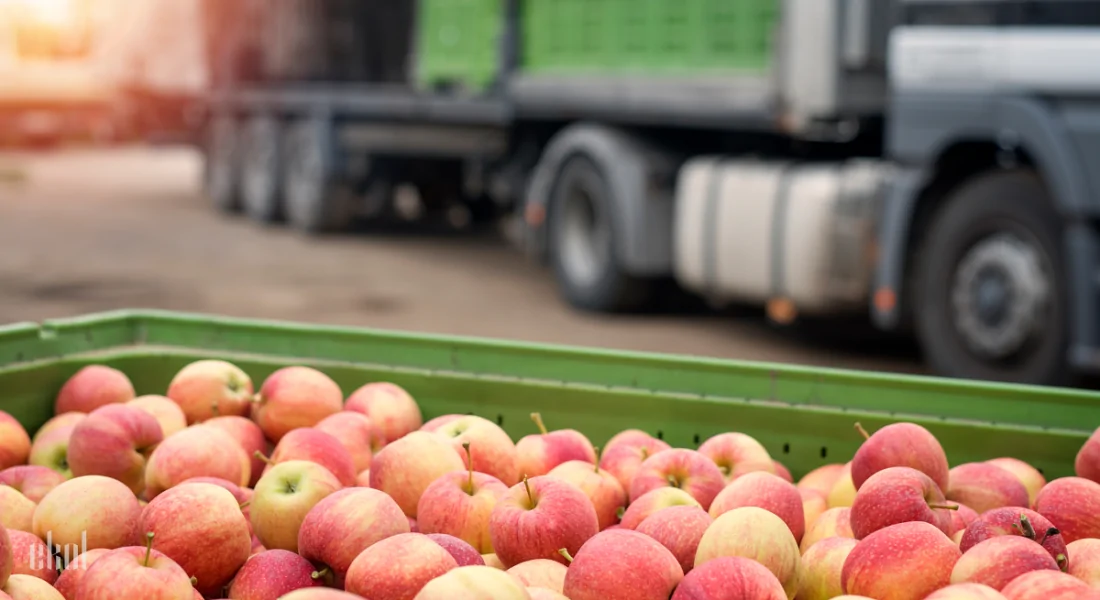
Experience Working in the Agricultural Sector
Agricultural logistics requires an understanding of seasonal cycles and storage conditions. A qualified logistician handles several tasks:
- takes into account the characteristics of each crop;
- selects transport based on the farmer’s harvesting timelines;
- finds the optimal route.
Logistics services for agricultural producers also include consulting on cargo insurance and preparing accompanying documentation.
Service Cost and Rate Transparency
A reliable logistics company always explains its pricing structure to the farmer and doesn’t hide additional fees. Freight rates are formed based on several components:
- distance;
- cargo type;
- season;
- related services.
The exact cost depends on the route, cargo volume, and type of transport, so it’s advisable for the farmer to request an individual calculation from the logistics company.
Comparing only by price is a common mistake. The cheapest option isn’t always the most beneficial for a farmer if it comes with delays or product damage.
Cargo Insurance and Carrier Liability
A proven transport company for agricultural producers offers transparent insurance terms and clearly defines the boundaries of its liability. Insurance typically covers damage, loss, or spoilage of cargo during transportation. Without such protection, financial losses fall on the farmer rather than the logistics company. That’s why it’s worth clarifying all insurance nuances before signing a contract.
Documents, Contract, and Delivery Timelines
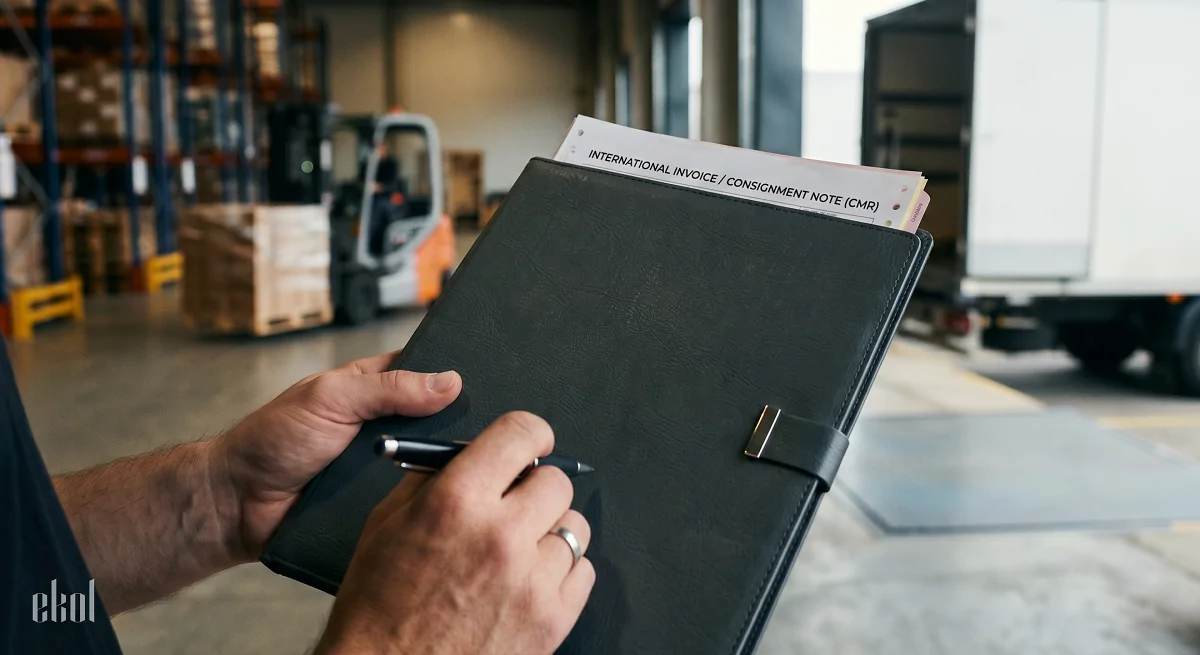
Clear documentation protects the farmer from misunderstandings in the future. The minimum package includes:
- A transportation contract, which defines the cost of services and the responsibilities of the parties.
- A waybill, which confirms the fact that the cargo was transferred to the logistics company.
- An acceptance-transfer certificate, which records the condition of the farmer’s product at the moment of shipment and receipt.
- Documents confirming cargo insurance.
Delivery timelines are agreed upon in advance and depend on the route, cargo type, and seasonal road load.
Reviews and Market Reputation of the Company
One of the simplest ways to check a carrier’s reliability is to study customer reviews and the logistics company’s market reputation. Other farmers’ experience of cooperation gives a real picture of service quality and adherence to deadlines.
A company’s reputation can also be assessed through independent reviews featuring logistics companies in Ukraine.
Ekol Logistics experts emphasize that for a farmer, the main criterion for choosing a logistics company is the combination of experience working with agricultural cargo and transparency of cooperation terms.
Common Mistakes Farmers Make When Choosing a Logistics Company
Even experienced farmers sometimes choose a carrier in haste, making the same mistakes:
- Focusing only on price, ignoring the logistics company’s reputation and customer reviews.
- Not checking for a transportation contract and cargo insurance.
- Choosing a carrier with no experience working with agricultural products.
- Not clarifying delivery timelines in advance.
By taking these nuances into account, a farmer reduces business risks and builds long-term cooperation with a reliable logistics company.
Conclusion
A logistics company for a farmer is a strategic partner, not just a one-off order fulfiller. Choosing the right carrier affects the preservation of the harvest and the season’s financial outcome.
Ekol Logistics offers logistics services for agricultural producers that take into account the specifics of agricultural products, equipment, and fertilizers. Reach out to specialists who understand agribusiness from the inside.
FAQ
Is it worth signing a long-term contract with a logistics company?
Yes, a long-term transportation contract gives the farmer stable cooperation terms and fixed rate-formation principles for the season.
How can a farmer find a reliable carrier for seasonal transportation?
It’s worth agreeing on the route, delivery timelines, and backup transport options with the chosen logistics company in advance.
Can equipment transportation be ordered separately from grain?
Yes. The logistics company assesses each cargo separately, since equipment requires different vehicles than grain does.
What should be done if cargo is damaged during transportation?
A damage report must be drawn up with the carrier’s participation, and the insurance company should be contacted according to the terms of the contract. The logistics company records the incident and supports the farmer throughout all stages of settlement.
Is separate transport needed for fertilizer transportation?
Yes, fertilizers are classified as hazardous substances and are transported by specialized vehicles in compliance with safety regulations. The logistics company selects the fleet in accordance with all legal requirements.
read more
Similar articles
For a business, a logistics company is one reliable partner instead of a dozen separate contractors. It handles communication with carriers and quickly resolves force-majeure situations on the road

On the night of July 19, 2026, a massive missile attack severely damaged the Ekol Logistics distribution center located in the AMTEL logistics complex.
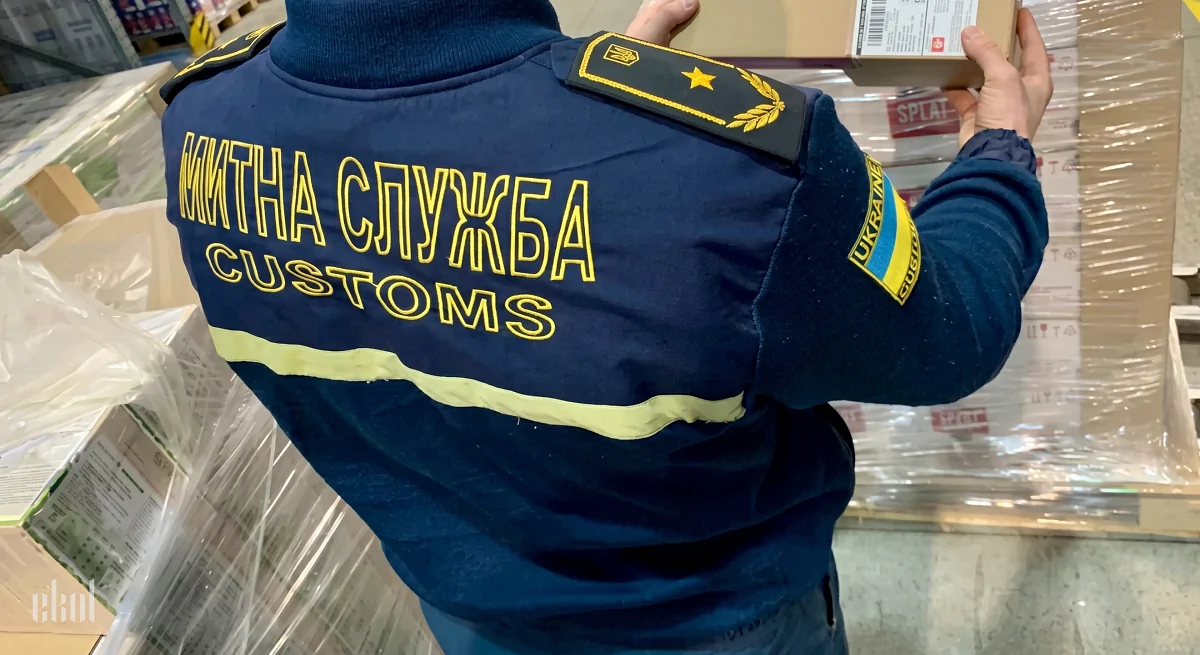
The changes for Ukrainian exporters in 2026 concern not only export clearance procedures but also the organization of shipments to EU countries.
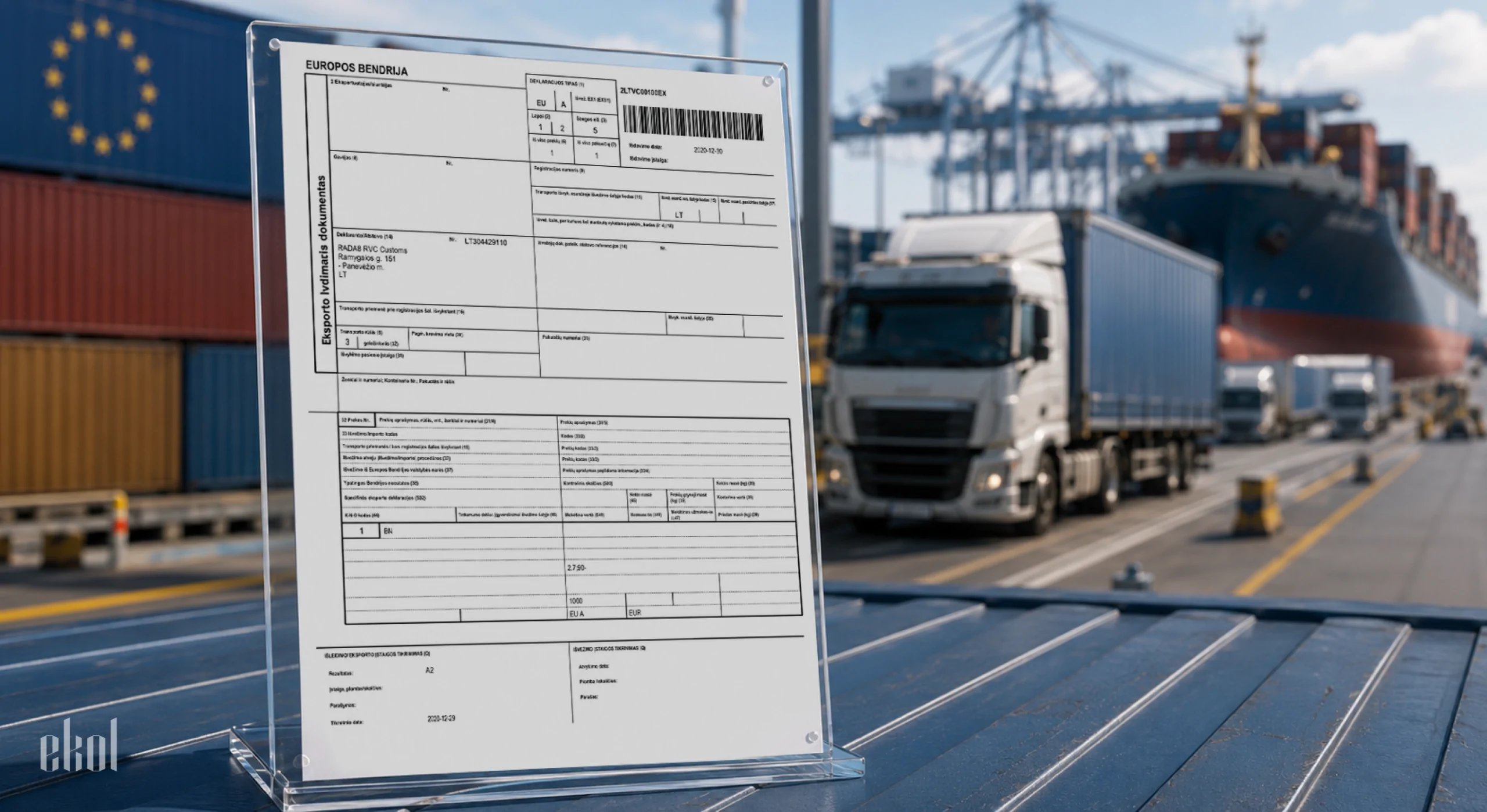
Export requires proper customs clearance and document preparation. For businesses, it is important not only to deliver the goods but also to successfully complete all procedures when crossing the border.

Entering the European Union market opens significant opportunities for Ukrainian companies. However, the success of such expansion depends on the ability to establish proper logistics.
Entering the European Union market opens significant opportunities for Ukrainian companies. However, the success of such expansion depends on the ability to establish proper logistics.

Anna
Business development manager

Volodymyr
Business development manager

Artur
Business Development Manager
