

What Does a Consignment Note (TTN) Mean and How Is It Used?

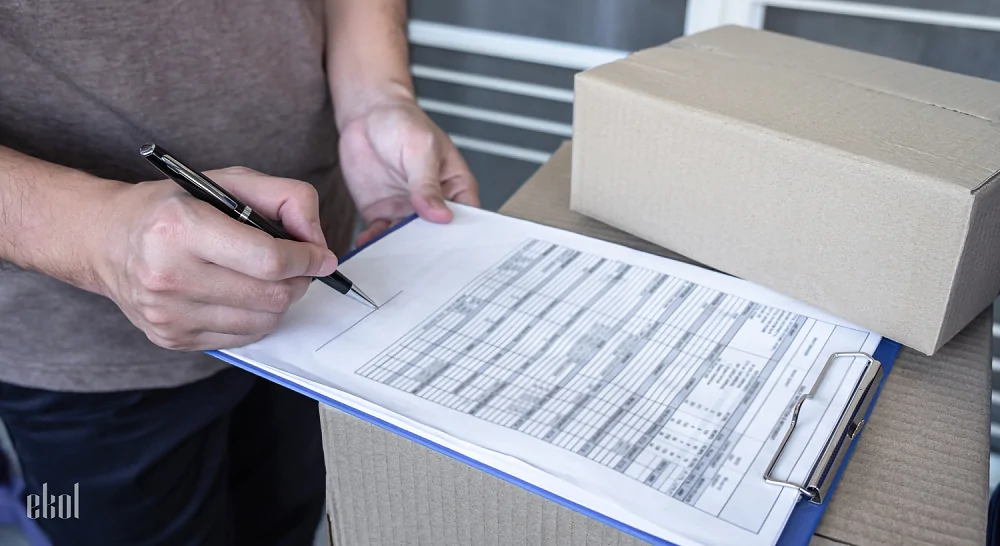
According to the Law of Ukraine “On Road Transport” №2344, a consignment note (TTN) is the primary document that confirms the movement of goods under a contract between the sender and the logistics company. It serves as proof of transportation and is the basis for tracking and accounting of goods during transport solutions.
If you are wondering what a TTN is and when it must be issued, keep reading. Below we explain its functions, types, and the most common mistakes made when preparing one.
Main Functions of a Consignment Note
So, now that we’ve clarified what TTN stands for, let’s look at its key functions. A TTN performs several important tasks at once:
- Legal confirmation of transportation and the contract with the carrier.
- Allocation of responsibility — specifying who is accountable for the cargo at each stage.
- Accounting of goods in transit: written off from the sender and added to the recipient.
- Proof of logistics costs included in the cost of goods.
- Basis for settlements between the client and the carrier.
- Evidence in court if disputes arise.
- Customs clearance in international shipments.
Without this document, tax authorities may treat the movement as fictitious, which leads to losing the right to expenses and VAT credit. For the driver, having a TTN provides legal protection during police checks.
Who Must Issue a TTN and When?
Usually, a TTN is issued by the sender or an authorised forwarder. The paper form is prepared in three copies:
- For the sender. Kept for accounting and warehouse purposes.
- For the driver. Handed to the recipient with the goods.
- For the carrier. Returned after delivery with the recipient’s signature and stamp (if applicable), confirming completion of the job.
According to Article 909 of the Civil Code of Ukraine (parts 1 and 3), a TTN is mandatory only when transportation is carried out on a contractual basis.
The table below shows when a TTN must be issued:
| Situation | Who issues | TTN required? |
| Shipment by external carrier (logistics company/private haulier) | Sender or authorised forwarder | ✅ Yes |
| Transport using company’s own vehicles | No one (only internal invoice or similar) | ❌ No |
| Supplier delivers goods directly, without a separate delivery fee | No one | ❌ No |
| Buyer collects goods themselves | No one | ❌ No |
| Shipment via postal or courier services | No one. Courier service issues its own documents | ❌ No |
| Transport arranged through a freight forwarding company | Forwarder on behalf of sender | ✅ Yes |
These rules help avoid unnecessary paperwork in cases where a TTN is not required.
Types of TTN
To handle road shipments correctly, it is important to know what types of TTNs exist and when they are used:
| Type | When used |
| Standard form №1-TN (Annex 7 to Rules №363) | For most road shipments |
| Special TTN forms | For certain goods (spirits, alcohol, petroleum products, timber, bakery items) |
| Internal TTN | For moving goods within a company (between warehouses or divisions) |
| Electronic TTN (e-TTN) | A digital version with the same legal force as paper |
| Company-specific TTN | Developed by a company and approved by management, if no special form is required |
Electronic and internal TTNs save time and make workflow more efficient.
Structure and Mandatory Details of a TTN
The updated form №1-TN (effective from 03.01.2025) includes three key sections:
- General details — date, place, sender, carrier, recipient, driver (including licence number).
- Cargo information — name, quantity, gross weight, dimensions, tax codes of all parties. Special conditions (e.g., temperature control for food) are also noted.
- Loading/unloading operations — locations, dates, and times of these operations.
Additionally, the vehicle’s specifications must be recorded (length, width, height, tare weight, and loaded weight).
How to Correct Data in a TTN
If data is entered incorrectly, it should be crossed out with a single line (so it remains readable). Next to it, write “corrected,” add the right information, and confirm with a signature and date.
Corrections are allowed only within the current reporting period.
Since 2021, following the amendments to the Law of Ukraine, the sender is legally responsible for errors relating to weight or dimensions. Exceeding permitted limits can lead to fines of 51,000 UAH.
Common Mistakes in TTNs and How to Avoid Them
Typical mistakes include:
- Missing mandatory details or signatures → makes the document invalid.
- Incorrect vehicle data or gross weight → fines, shipment delays, or safety risks.
- Discrepancies with other documents (delivery note, invoice, customs declaration) → problems with tax authorities or carriers.
- Using outdated forms → forms not matching current rules may be rejected.
- Wrong cargo details (name, quantity, characteristics) → issues with transport, insurance, or customs clearance.
How to avoid errors: use only up-to-date forms, double-check all data before signing, and if unsure, consult your accountant or forwarder.
Conclusions: Why a TTN Is Essential in Freight Transport
A consignment note is a vital document confirming the agreement between sender and carrier and the actual delivery of goods. For businesses, understanding its role is crucial when selecting a logistics provider.
A TTN allows accurate accounting of goods in logistics, monitors their movement, and protects the interests of all parties involved. It also serves as the legal basis for settlements and accounting operations, and as valid evidence in disputes or inspections.
The electronic TTN (e-TTN) reduces paperwork and enables real-time tracking of goods.
FAQ
- What information must a TTN contain?
Details about the cargo (name, quantity, characteristics), sender, carrier, recipient, vehicle, route, transport conditions, and signatures of responsible persons.
- Is a TTN mandatory for domestic shipments in Ukraine?
Yes, for most contractual road transport with a third-party carrier. Exceptions: using own transport, self-collection by the buyer, or postal/courier deliveries.
- How does a TTN differ from a delivery note?
A delivery note is used for warehouse and accounting purposes, confirming the transfer of goods from seller to buyer. A TTN records transport details (route, vehicle, driver, condi
read more
Similar articles
For a business, a logistics company is one reliable partner instead of a dozen separate contractors. It handles communication with carriers and quickly resolves force-majeure situations on the road

Without reliable delivery, a farmer’s harvest won’t reach the market on time. A logistics company for a farmer is not just a service provider — it’s a partner on whom the financial outcome of the season depends.

On the night of July 19, 2026, a massive missile attack severely damaged the Ekol Logistics distribution center located in the AMTEL logistics complex.
The changes for Ukrainian exporters in 2026 concern not only export clearance procedures but also the organization of shipments to EU countries.
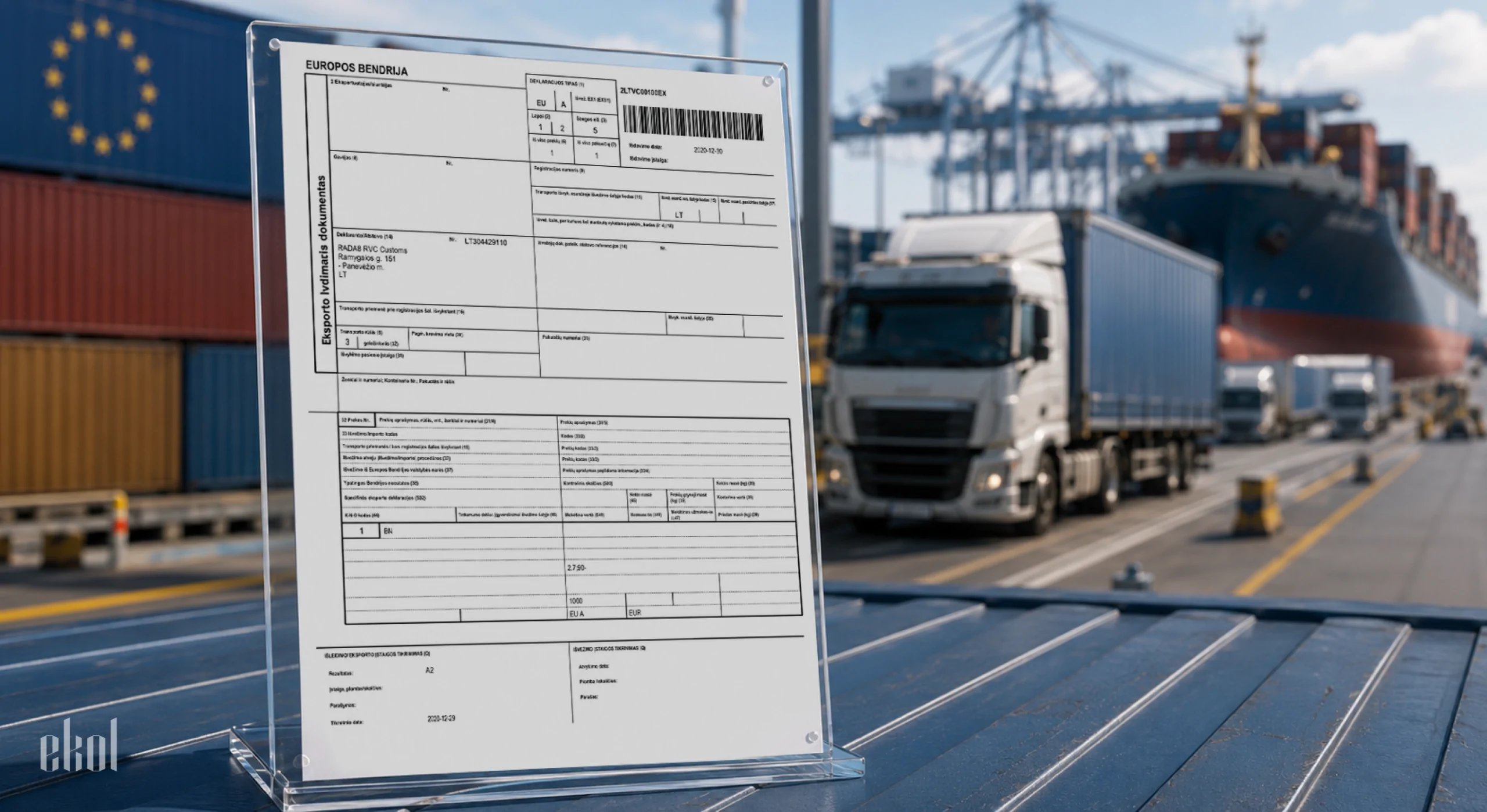
Export requires proper customs clearance and document preparation. For businesses, it is important not only to deliver the goods but also to successfully complete all procedures when crossing the border.

Entering the European Union market opens significant opportunities for Ukrainian companies. However, the success of such expansion depends on the ability to establish proper logistics.

Anna
Business development manager

Volodymyr
Business development manager

Artur
Business Development Manager
