

Analytics and Blog
Stay up to date with trends, the latest technologies and innovations in logistics
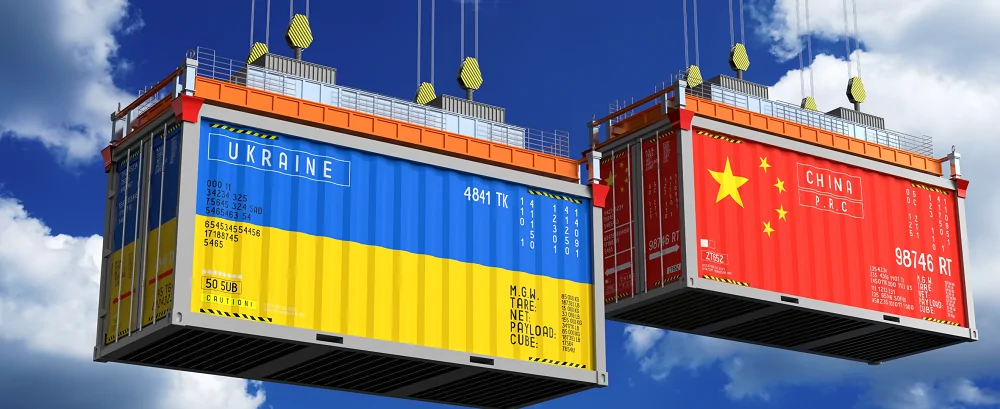
In recent years, many Ukrainian businesses have appreciated the advantages of buying goods directly from suppliers and manufacturers in China. Affordable prices, flexible terms, and an incredibly wide assortment that instantly adapts to global trends—all this makes Chinese products attractive to Ukrainian entrepreneurs and their customers.
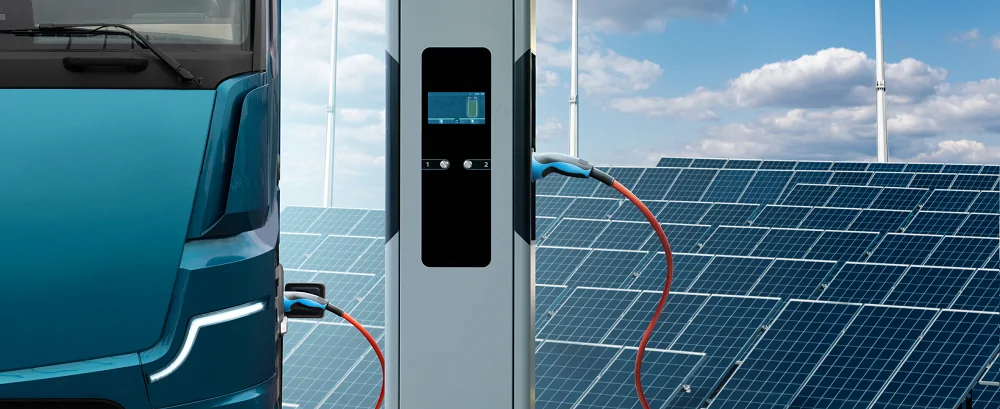
According to multiple studies, the transport and logistics sector accounts for around 24 % of global CO₂ emissions. At the same time, logistics is increasingly viewed as a driver of positive transformation—green logistics is coming to the forefront.
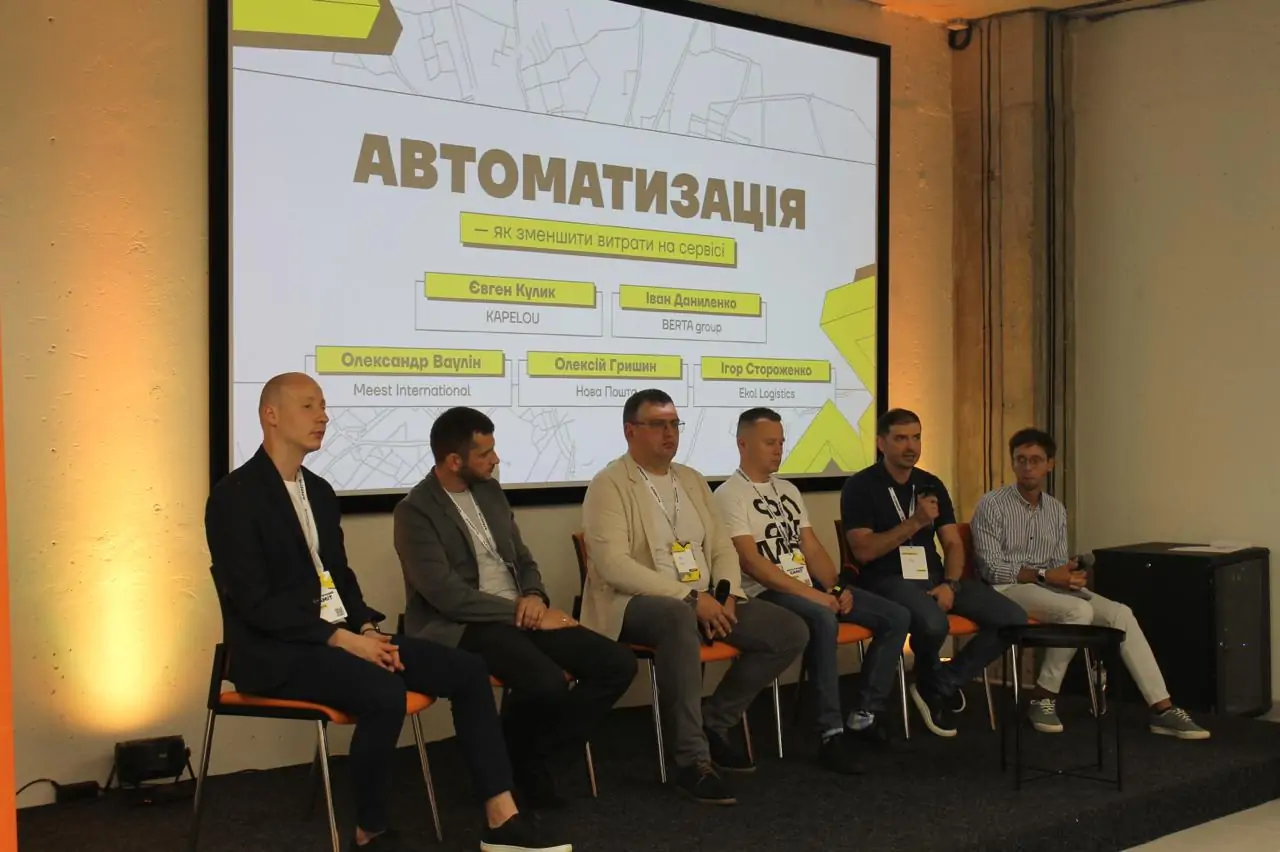
Digitalisation in transport logistics can reduce cargo handling times by 30–50% and has a positive impact on most internal and external operations of providers. At least, this is the conclusion reached by UNECE experts following an analysis of industry studies.
Ukraine’s transport corridors have undergone significant changes over the past three years. With the closure of airspace, cargo flows shifted to road and rail, and since 2023 partially returned to sea routes. Over time, trade volumes recovered, reaching $112.3 billion in turnover by the end of 2024.
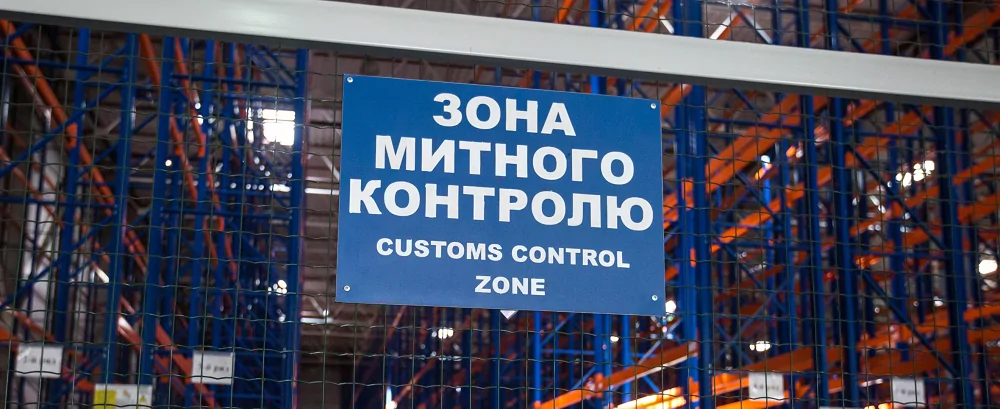
The basic principles of customs control cover all procedures regulating the movement of goods across Ukraine’s borders. To understand the import limits, it’s important to know that customs authorities monitor, register, and verify declarations, classify goods, apply tariffs, and check certificates and licences.
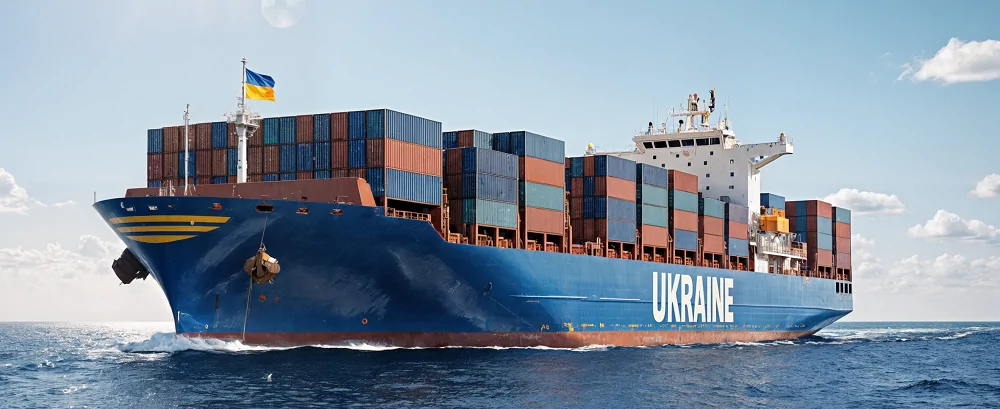
Engaging in international trade opens up opportunities for Ukrainian manufacturers and suppliers — from increasing sales and building partnerships to boosting profits. However, exporting goods from Ukraine requires thorough preparation, as well as legal and financial support. To minimise risks, it’s important to understand the key stages, requirements, and specifics of foreign economic activity (FEA).
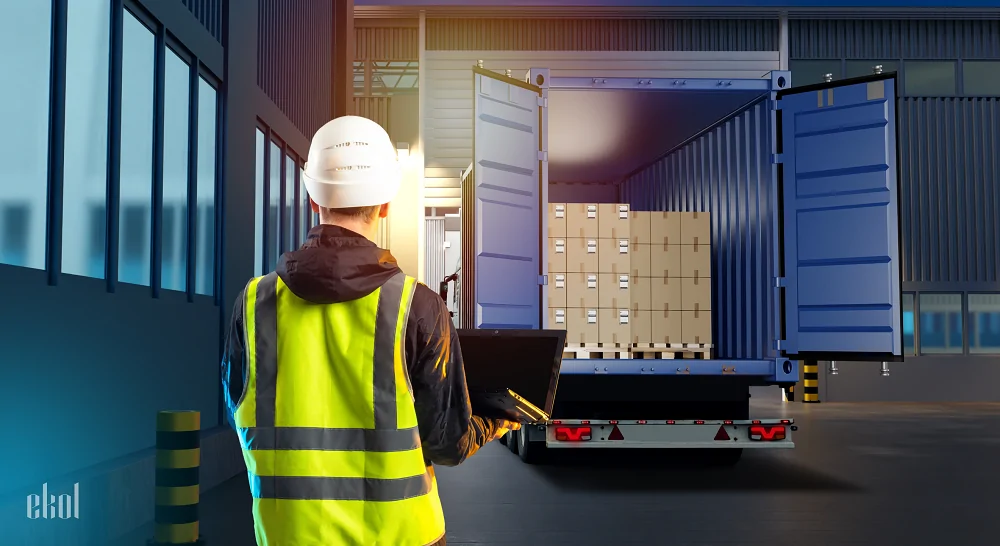
International trade is developing rapidly, and for safe export and import both parties must clearly understand their responsibilities. To avoid misunderstandings, contracts are signed under Incoterms rules, which define who is responsible for transport, loading, risks and costs.
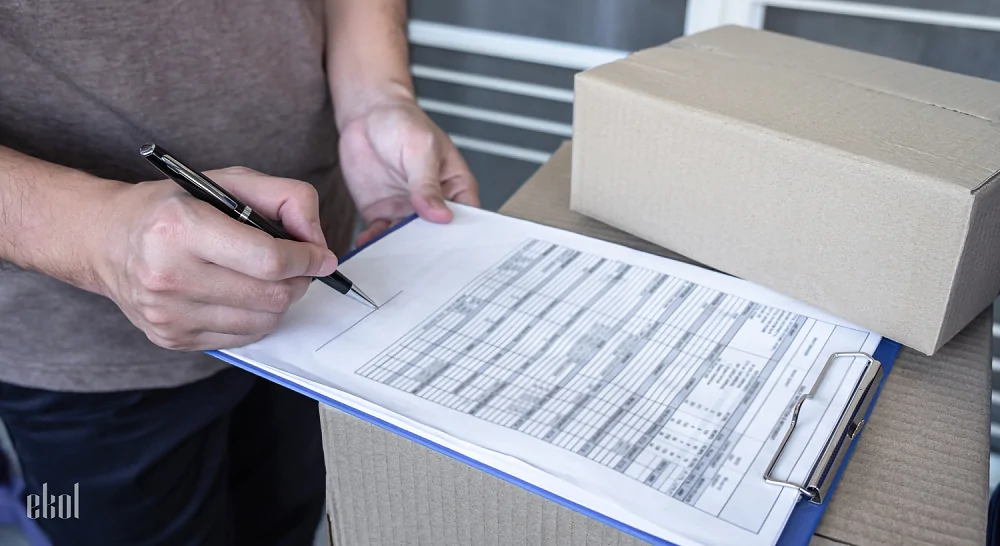
According to the Law of Ukraine “On Road Transport” №2344, a consignment note (TTN) is the primary document that confirms the movement of goods under a contract between the sender and the logistics company. It serves as proof of transportation and is the basis for tracking and accounting of goods during transport solutions.
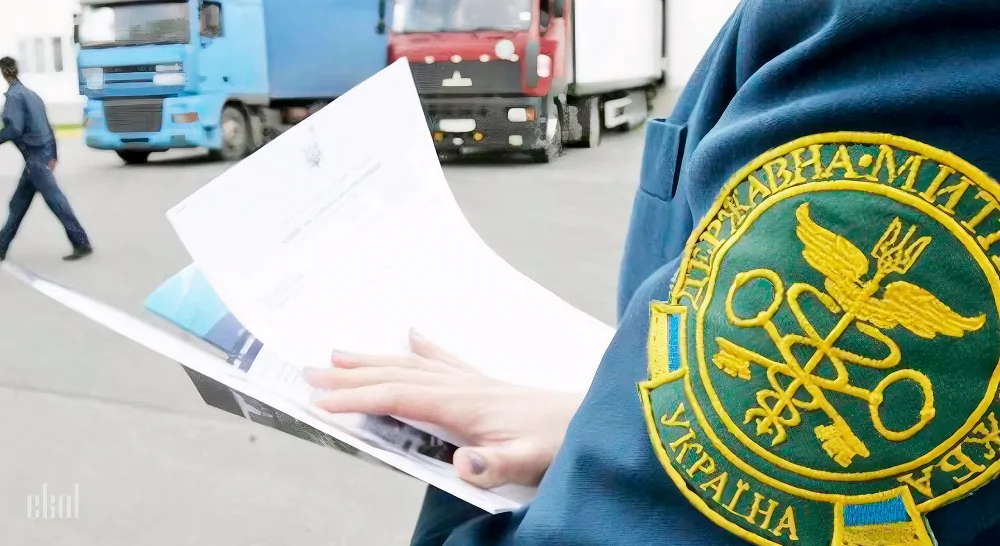
The word customs often makes businesspeople nervous, especially those dealing with frequent cross-border operations — inspections, declarations, compliance checks, and more. In the last 7 months, Ukraine’s trade turnover reached $69.1 billion, of which more than $23.2 billion were exports.
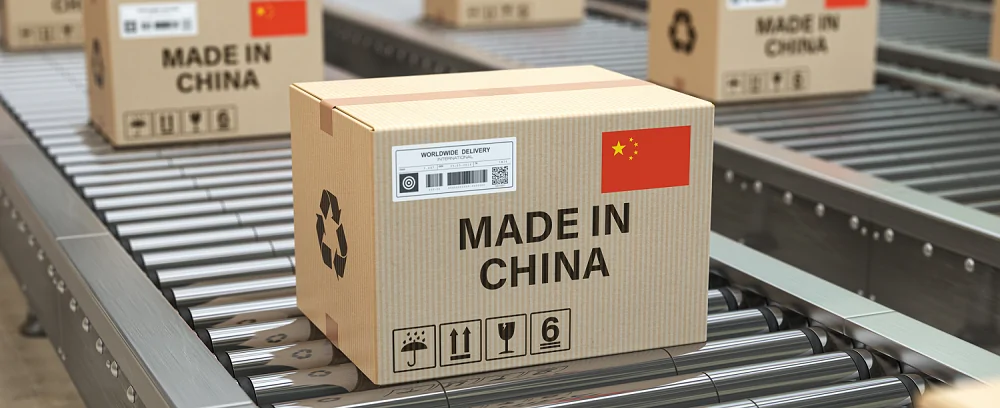
In 2023, around 52 million parcels were imported into Ukraine. Considering the trend of annual growth (+50% per year), by the end of 2025 the number of imported small international packages (often the most popular online products) is expected to exceed 100 million units. According to various estimates, more than 60% of them will come from China.

Inflation is a term that scares even those who have only a vague idea of its meaning. According to the Ministry of Finance, the inflation index reached 112.0% in 2024. Preliminary forecasts suggest it will drop to 106.5% by the end of 2025. A positive trend, isn’t it?

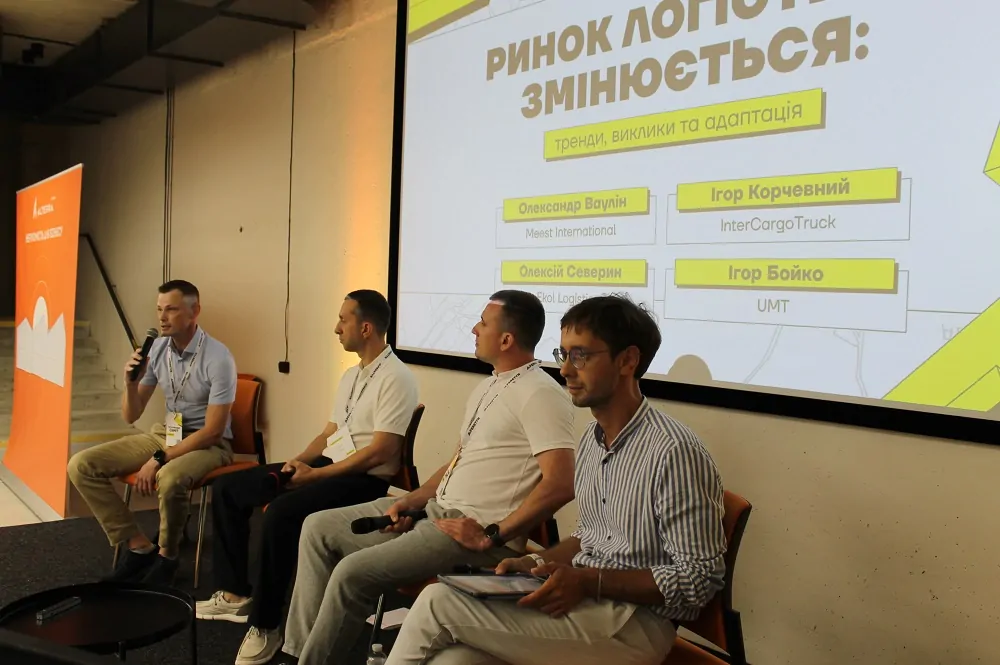
Ekol recently took part in a major logistics summit that brought together leading industry professionals to discuss the future of transportation and supply chain management. The focus of the event was on rapid transformation in the logistics market, key challenges businesses are facing, and strategies for sustainable adaptation.

Transporting hazardous substances and materials requires strict compliance with both international and national regulations. However, there are exceptions that allow for the movement of dangerous goods in limited quantities without full adherence to all regulatory requirements. Learn about the rules governing the transport of dangerous goods and the conditions necessary for legal shipment.

Ro-Ro (Roll-on/Roll-off) freight transport is not a new concept, but it remains one of the most efficient and widely used methods for moving vehicles and wheeled machinery by sea. While it comes with certain limitations and operational specifics, Ro-Ro shipping offers advantages that are difficult to match with other logistics modes. Today, the Ekol logistics experts introduce you to this service and explain why it plays a critical role in the automotive and heavy equipment industries. Are you curious? Keep reading.
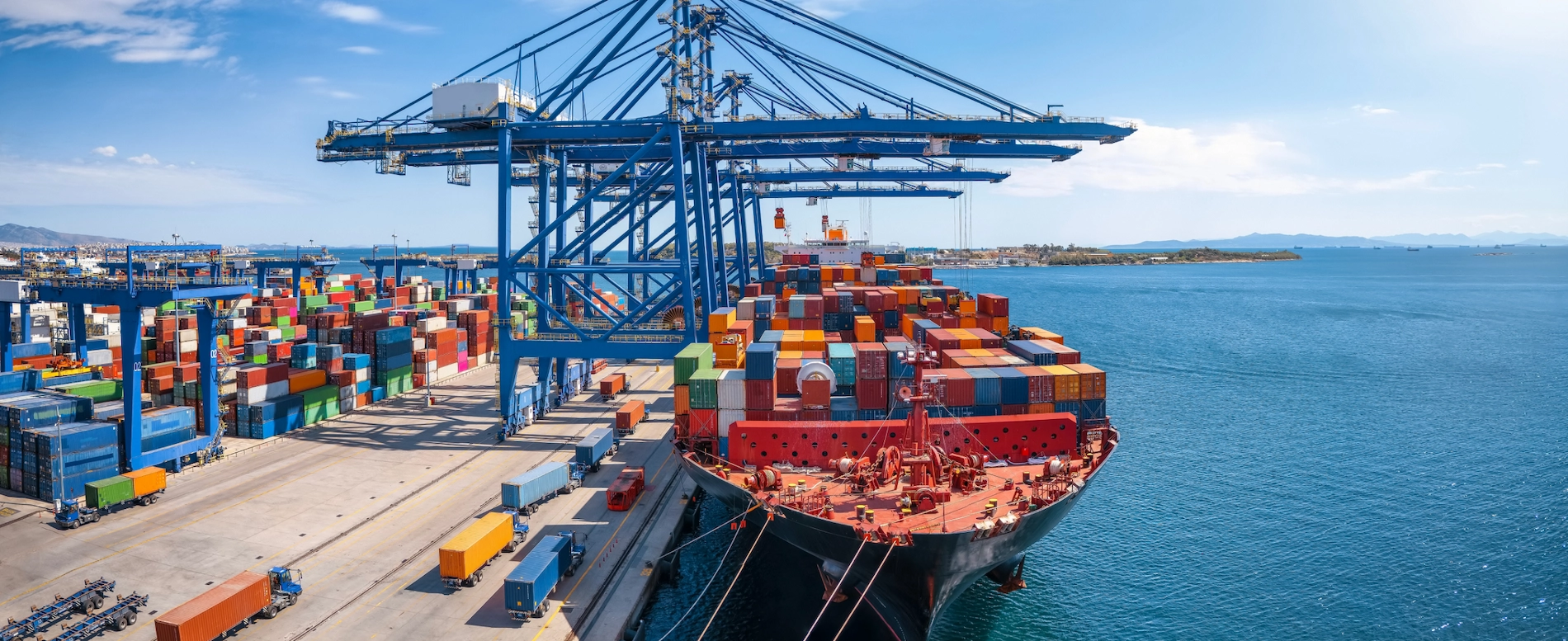
Most people not involved in logistics tend to view the supply chain simply as the transportation of goods from point A to point B. However, this is a fundamentally inaccurate assumption.
Global logistics is a complex discipline that involves managing a chain of interconnected activities. From production to the final delivery to the customer, numerous stages take place: inventory management, route planning, transportation, warehousing, and order fulfillment. Each step plays a critical role in ensuring that shipments arrive on time, in the right condition, and in full quantity.

Anna
Business development manager

Volodymyr
Business development manager

Artur
Business Development Manager
