

Ro-Ro Shipping as a Specific but Essential Type of Logistics
Ro-Ro (Roll-on/Roll-off) freight transport is not a new concept, but it remains one of the most efficient and widely used methods for moving vehicles and wheeled machinery by sea. While it comes with certain limitations and operational specifics, Ro-Ro shipping offers advantages that are difficult to match with other logistics modes. Today, the Ekol logistics experts introduce you to this service and explain why it plays a critical role in the automotive and heavy equipment industries. Are you curious? Keep reading.


What Is Ro-Ro? In Simple Terms
Ro-Ro stands for “Roll-on/Roll-off”, referring to the method of loading and unloading wheeled cargo that drives or is towed directly onto and off of a vessel, no lifting or containers required.
Key Features of Ro-Ro Logistics:
- Self-powered or towed boarding and disembarkation of vehicles and equipment.
- No containers involved, resulting in lower space rental and handling costs.
- Drive-on loading is similar to parking vehicles onboard.
- Cargo remains secured inside the transport vehicle throughout the voyage.
- Vessels equipped with built-in ramps and loading decks for efficient operations.
- Minimal size restrictions, from compact cars to oversized agricultural machinery.
- Secure lashing and weather protection during the entire sea journey.
Need to ship a vehicle from the U.S.? Or transport an entire fleet of farming equipment across the sea? Ro-Ro shipping might be your best solution.
How the System Works and Why It’s Efficient
The Ro-Ro shipping process is straightforward and highly efficient. Here’s how it typically works:
- Cargo preparation and secure loading into the transport vehicle at the terminal or staging area.
- Drive-on (Roll-on): Vehicles are either driven onboard under their own power or towed using specialized equipment.
- Securing cargo: Vehicles are firmly fixed using wheel locks, chocks, and tie-down straps.
- Ocean transit: The cargo is protected throughout the voyage from moisture, tilting, and ship motion.
- Drive-off (Roll-off): Upon arrival at the destination port, vehicles disembark and continue to their final delivery points.
This method eliminates the need for traditional container loading or unloading and reduces handling steps. In many cases, vehicles are shipped with their own drivers, making the process even more efficient. Think of it as a mini business trip on the sea.
Ro-Ro Vessels in Logistics: Types and Functions
Standard ferries carrying cars are no longer a novelty. However, the Ro-Ro segment includes specialized vessels designed for transporting various types of wheeled cargo and machinery. Here are the most common types:
- Pure Car Carrier (PCC): Vessels exclusively designed for transporting passenger cars.
- Pure Car and Truck Carrier (PCTC): Ships built to carry both passenger and commercial vehicles, taking into account their weight and dimensions.
- RoPax: A hybrid vessel used to transport both passenger vehicles and passengers, commonly operated on ferry routes.
- ConRo: Versatile carriers that combine container shipping with Ro-Ro capabilities, featuring both container decks and roll-on decks.
- RoLo (Roll-on/Lift-off): Vessels that allow cargo to be loaded and unloaded either by rolling (on wheels) or by lifting equipment such as cranes or lifts.
These are just a few examples of how diverse and specialized Ro-Ro logistics can be. The technology behind these vessels continues to evolve, becoming more efficient and environmentally friendly.

Benefits of Ro-Ro Shipping for Businesses and Private Clients
The key advantage of Ro-Ro transport is accessibility, it’s a service designed for everyone. Each customer, whether commercial or individual, gains unique benefits. For businesses, these include:
- Fast loading of trucks or railcars onto the vessel without the need to handle or repack the cargo.
- No containers required, leading to reduced packaging costs and overall logistics expenses.
- Minimal cargo handling, vehicles board and depart directly for their destination.
- Marine insurance and cargo liability coverage, offering financial security throughout the journey.
- Ability to transport entire fleets, within reasonable capacity limits, via sea.
Private customers also benefit from Ro-Ro services:
- Vehicles shipped “on their own wheels” across oceans, no container needed.
- Lower transportation costs compared to alternative methods.
- Simplified documentation and customs clearance, handled by the logistics provider. The customer only needs to present a purchase receipt and proof of ownership.
Ro-Ro shipping is a universal, commercially viable transport solution that covers a wide range of logistics needs for sea freight.
What Is Transported by Ro-Ro Vessels?
Ro-Ro shipping services cover almost all types of wheeled or self-propelled cargo, such as:
- Buses
- Passenger cars and trucks
- Machinery and industrial equipment
- Trailers and semi-trailers
- Motorhomes and camper vans
- Rail cars (though less common)
- Oversized vehicles like construction equipment
- Tractors and agricultural machinery
- Other wheeled or towable freight
Looking to ship one of the above via sea? Ekol is here to help! We offer a full range of Ro-Ro services, shipping cargo from Ukraine and delivering shipments from across the globe via efficient maritime routes. Interested? Get in touch with one of our logistics managers to discuss the terms of cooperation.
read more
Similar articles
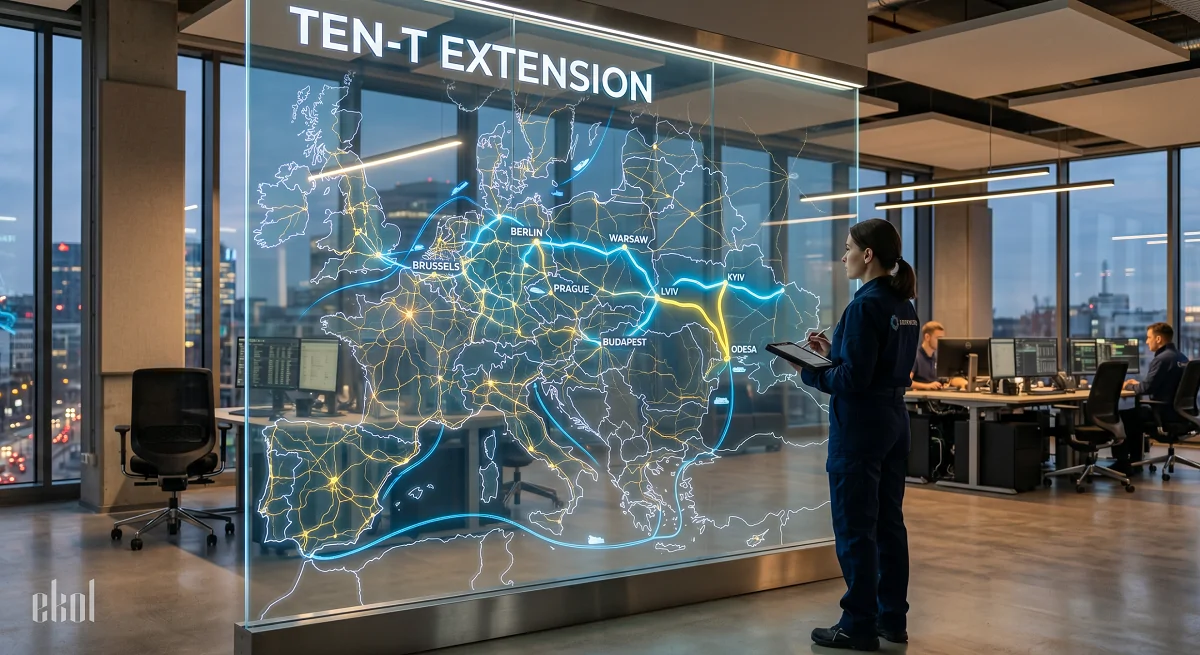
Entering the European Union market opens significant opportunities for Ukrainian companies. However, the success of such expansion depends on the ability to establish proper logistics.
Entering the European Union market opens significant opportunities for Ukrainian companies. However, the success of such expansion depends on the ability to establish proper logistics.
If you order goods from abroad or import a commercial batch of products, customs payments are unavoidable.
Logistics offers two tools for shipping from Germany: Less-than-Truckload (LTL) consolidation and Full Truckload (FTL) shipments.
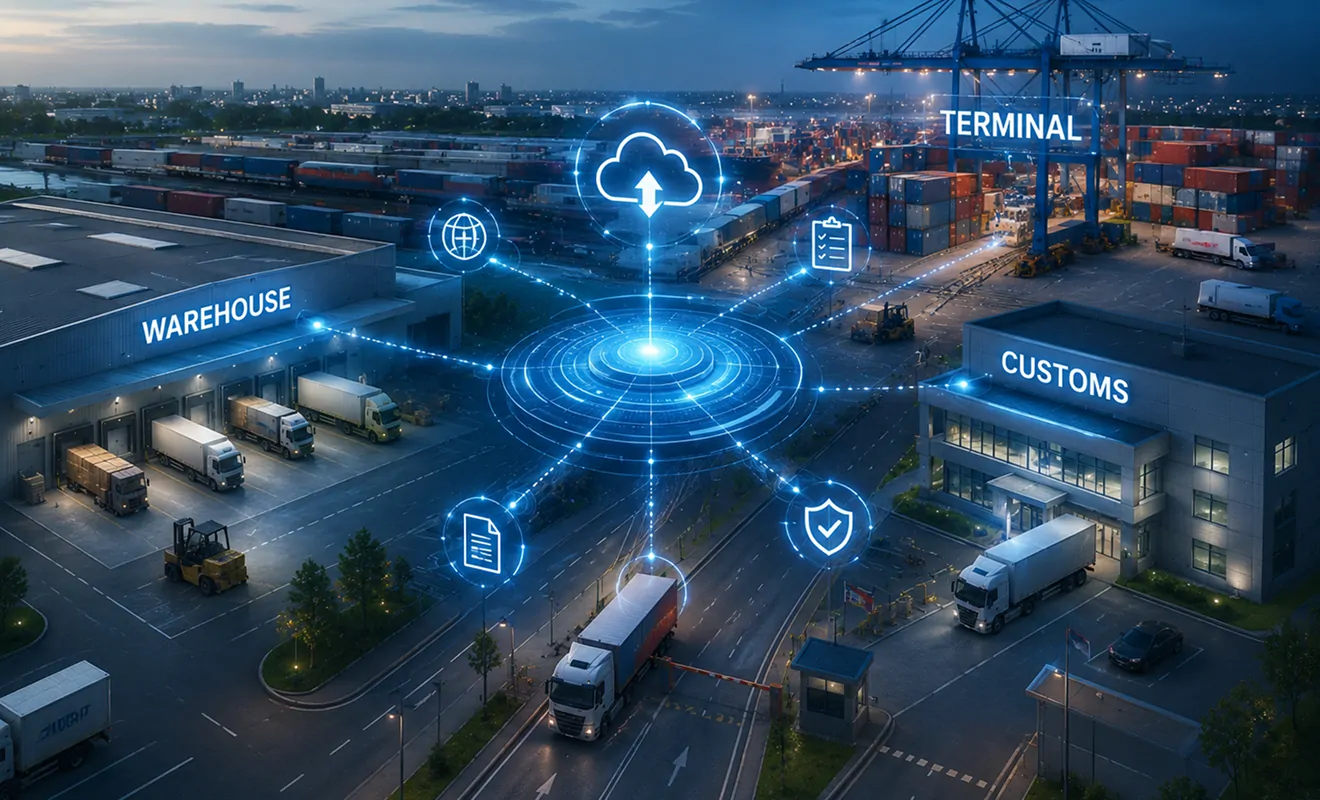
A dry port is one of the solutions to the problem of congestion at seaports and customs-logistics infrastructure. It relocates part of operations inland. But the real impact comes from digital integration.
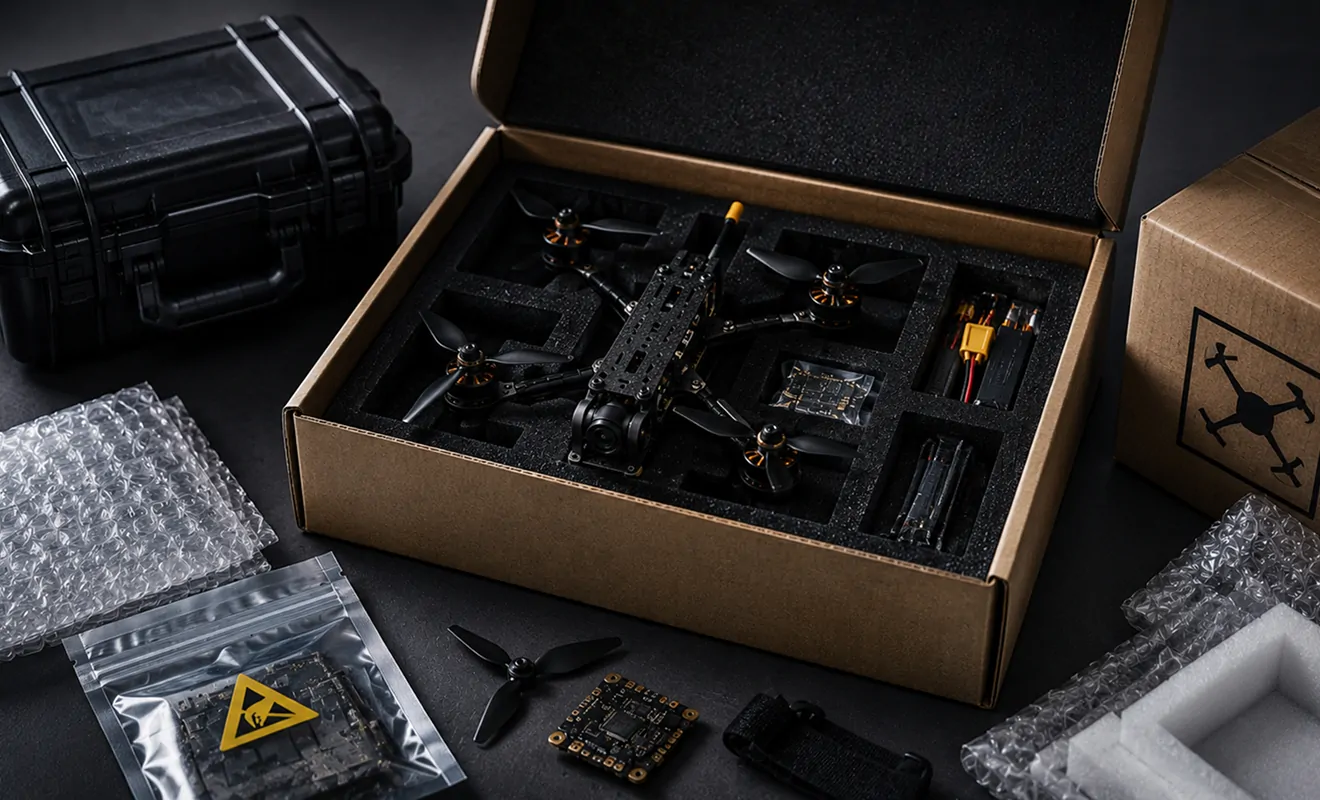
Most FPV components are sourced from China. This is a long route with temperature fluctuations and extended storage in transit zones.

Anna
Business development manager

Volodymyr
Business development manager

Artur
Business Development Manager
