

What Is Green Logistics and Why It Matters

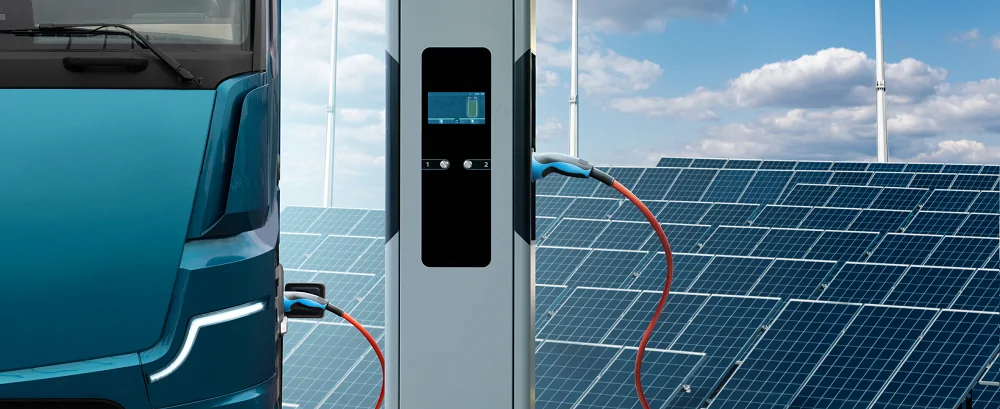
According to multiple studies, the transport and logistics sector accounts for around 24 % of global CO₂ emissions. At the same time, logistics is increasingly viewed as a driver of positive transformation—green logistics is coming to the forefront. It offers businesses new ways to organize deliveries and manage supply chains while minimizing negative environmental impact. This is not a passing trend but a necessary strategy for sustainable development that helps companies enhance competitiveness, ecological responsibility, and social credibility.
What Is Green Logistics
Green logistics is a system for organizing and managing logistics processes aimed at reducing their environmental footprint. It goes far beyond a few eco-friendly technologies. Instead, it modernizes every stage of the supply chain—from cargo storage to waste disposal. Efficient resource use, lower CO₂ emissions, advances in transport technologies, and energy-efficient warehouses all define this eco-oriented approach.
In short, green logistics is a conscious choice by businesses and transport companies to prioritize the environment.
Core Principles of Green Logistics
Experts at EKOL highlight several key principles that form the backbone of a green strategy:
- Optimization of transport routes and load factors
- Use of low-emission fuels
- Implementation of renewable energy sources
- Recycling of packaging materials
- Waste disposal compliant with international eco-standards
- Warehouse automation to reduce losses and prevent excess energy use
These principles show that ecological responsibility can be combined with economic benefit.
Eco-Technologies in Transportation
Green logistics leverages advanced technologies to minimize the negative impact of transport on the environment, from engine improvements to the development and promotion of alternative fuels.
One major direction is the shift to electric vehicles. Electric trucks, vans, and hybrid engines produce no harmful emissions during operation, improving air quality—especially in traffic-dense cities—and offering better energy efficiency than traditional internal-combustion engines. Over the long term, this means real cost savings as well as environmental benefits.
Bio-, hydrogen, and synthetic fuels are another promising area of development for international logistics, allowing us to eliminate our carbon footprint. While hydrogen infrastructure is still in its early stages, many experts see it as a key future energy source. Engine modernization that reduces fuel consumption also makes a significant contribution to greener logistics.
Reducing Emissions and Improving Energy Efficiency
Green logistics seeks to drastically cut greenhouse-gas emissions and other pollutants. Transitioning to clean transport is just one step.
Energy efficiency is equally critical. Logistics hubs and warehouses are increasingly adopting heat-recovery systems, energy-saving lighting, and automated climate control. Experience shows that investments in such measures quickly pay off through lower energy costs.
Innovations in packaging materials and techniques also reduce shipment weight, which in turn lowers fuel consumption.
Route and Warehouse Optimization
Optimizing routes is a simple yet powerful principle of green logistics. Modern digital tools build the shortest, least resource-intensive routes while accounting for traffic and other factors. This reduces mileage—including empty runs—saves fuel, and cuts emissions. In some cases, “empty miles” can be reduced by 10–20 %.
Warehouse optimization is equally important. Energy-efficient operations, rational space management, and systems such as WMS help manage inventory more effectively, reduce downtime, and streamline logistics tasks. Waste generated in warehouses can be collected and repurposed, turning one production’s by-product into another’s resource while saving costs.

Business and Societal Benefits
Green logistics benefits both companies and society:
- Higher operational efficiency
- Stronger corporate reputation and improved customer and partner loyalty
- Access to markets with strict environmental standards
For society, it helps combat climate change and improve ecological conditions. Many experts—and EKOL’s own specialists—agree: green logistics is not a trend but a prerequisite for a sustainable future built on resource circulation and renewability.
Traditional vs. Green Logistics: Comparison
| Parameter | Traditional Logistics | Green Logistics |
| Energy Use | High | Low, focused on energy efficiency |
| Packaging | Single-use | Mostly eco-friendly, recycled materials |
| Fuel | Conventional | Alternative, environmentally safe |
| Route Management | Local/manual | Optimized with digital tools and AI |
| Environmental Impact | Significant, negative | Minimized |
Challenges and Barriers
Despite its advantages, green logistics faces some hurdles:
- High initial investment in eco-technologies
- Limited charging infrastructure for electric freight vehicles
- Technical limits such as shorter range for electric trucks and the high cost of spare batteries
Nevertheless, growing interest from both business and government is steadily overcoming these challenges, making eco-logistics a viable alternative to traditional practices.
Global and Ukrainian Success Stories
Global logistics already offers many examples. IKEA optimizes storage processes, upgrades its fleet to electric vehicles, and develops more efficient packaging. Amazon invests millions in electric transport, sorting centers, and solar-powered warehouses.
In Ukraine, green logistics is still emerging, but interest is rising rapidly. At EKOL, green technologies are seen as a key factor for future success. Some principles—such as route and warehouse optimization—are already in place, with others in active development.
The Future of Green Logistics
Allied Market Research forecasts that by 2027 the global green logistics market will reach $1.6 trillion, with Europe treating eco-strategies as a core business practice. The sooner Ukrainian companies adapt, the greater the advantages they will gain in both international and domestic trade.
Green logistics is therefore not a passing fad but a real necessity. The future belongs to companies that embrace sustainability, energy efficiency, innovation, and ecological modernization.
FAQ
What does “green logistics” mean?
A comprehensive strategy in transport and warehousing aimed at reducing environmental impact while improving efficiency.
What are the main principles of green logistics?
Route optimization, use of renewable energy, recycling, and process automation.
How does green logistics differ from traditional logistics?
It focuses not only on speed and quality of delivery but also on reducing the carbon footprint.
Which environmental issues does green logistics address?
Lower emissions, rational resource use, waste reduction, and optimized fuel consumption.
What are some real-world examples?
IKEA, DHL, and Amazon—among others—are successfully implementing green logistics, and several Ukrainian companies are following suit.
read more
Similar articles
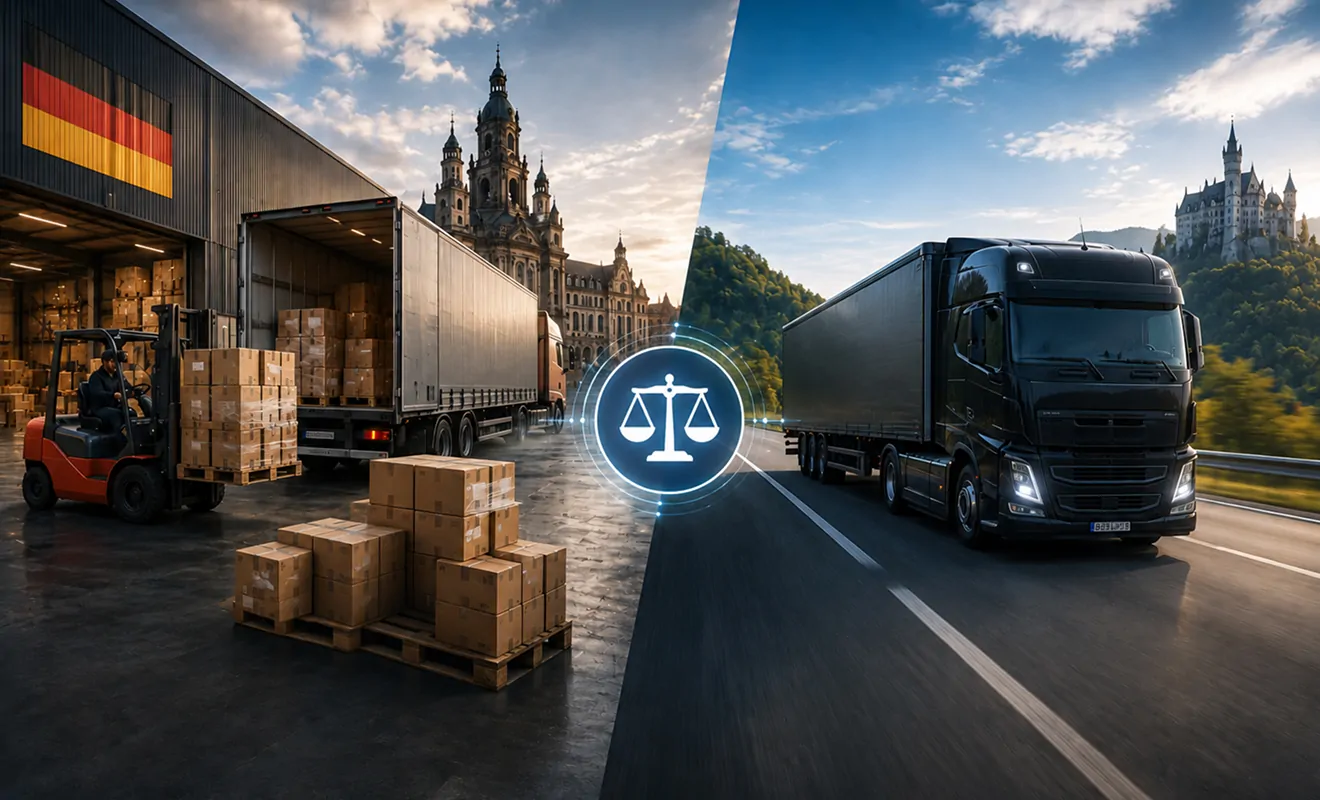
Logistics offers two tools for shipping from Germany: Less-than-Truckload (LTL) consolidation and Full Truckload (FTL) shipments.
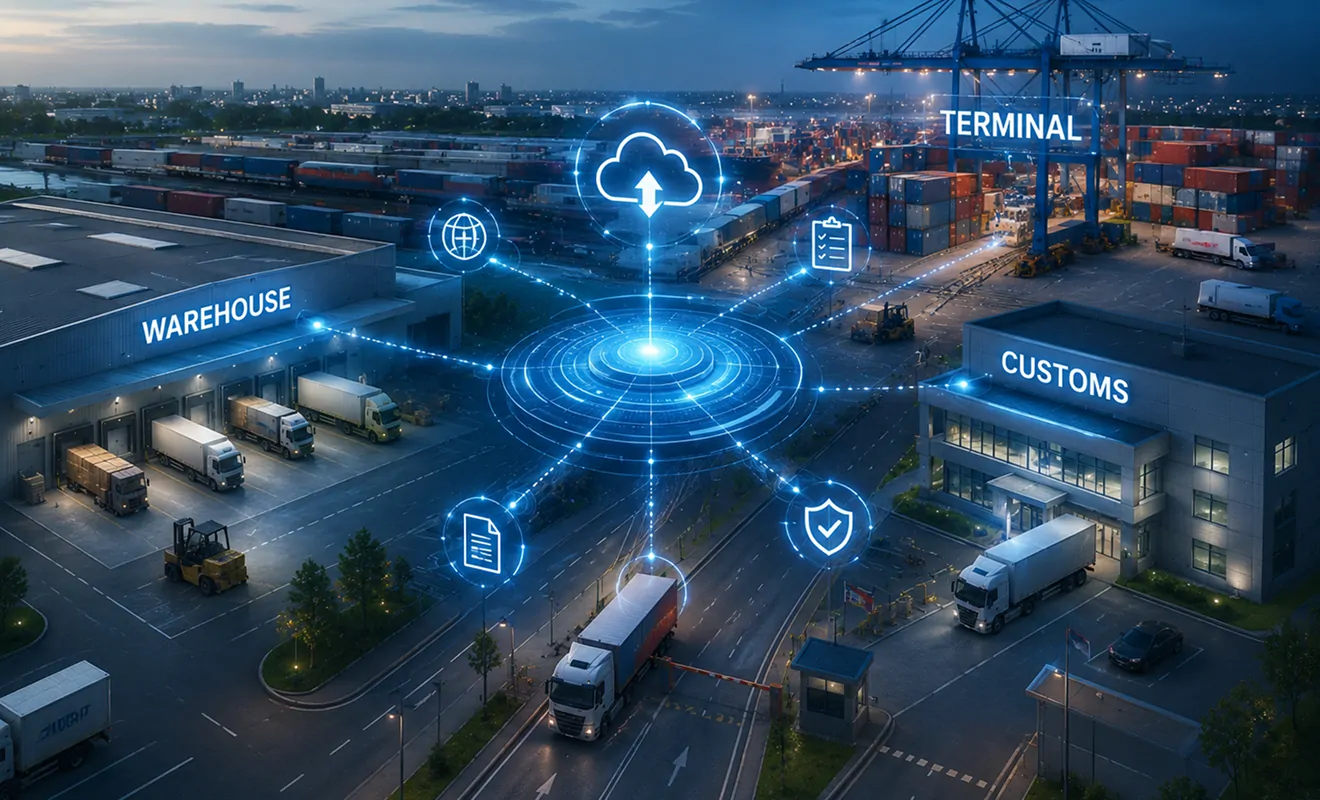
A dry port is one of the solutions to the problem of congestion at seaports and customs-logistics infrastructure. It relocates part of operations inland. But the real impact comes from digital integration.

Most FPV components are sourced from China. This is a long route with temperature fluctuations and extended storage in transit zones.
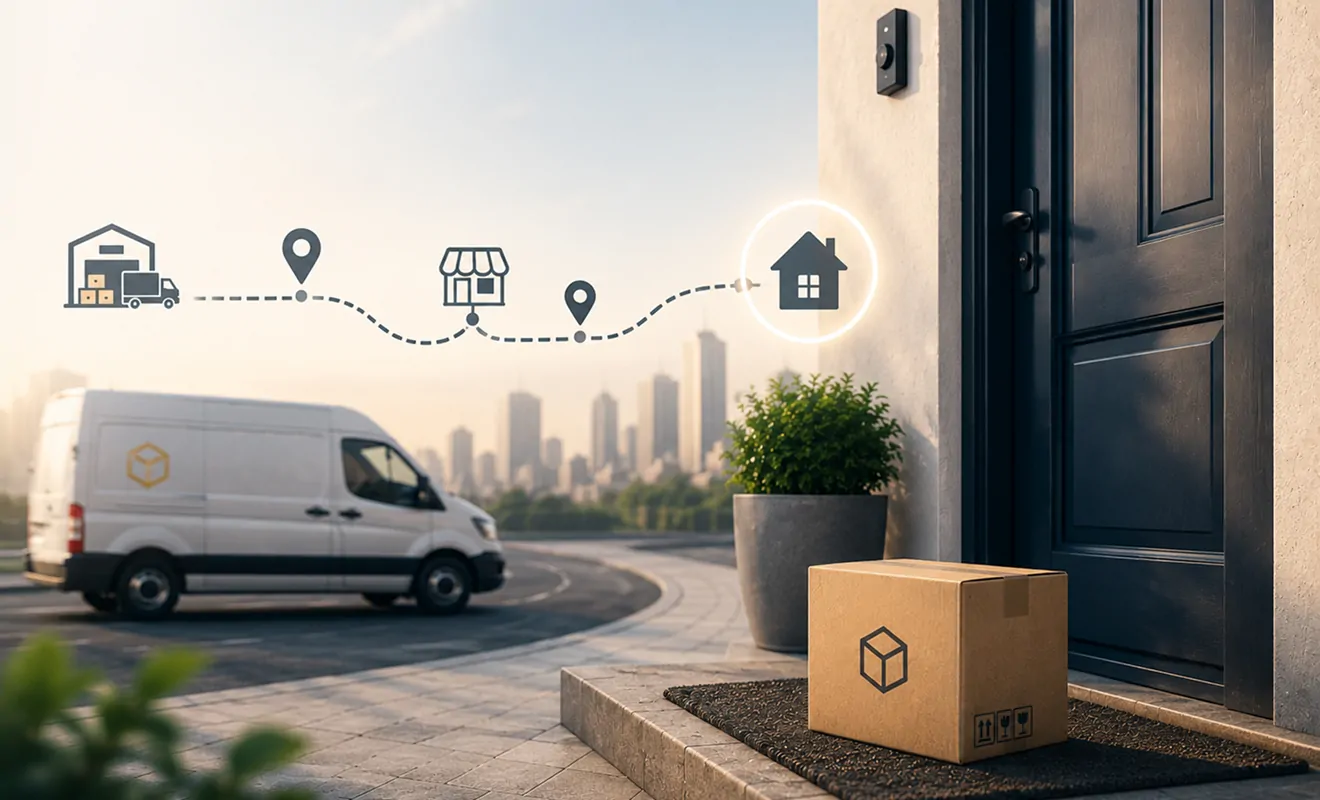
Last-mile delivery is the final stage of the logistics chain, which shapes both the service cost and customer loyalty.
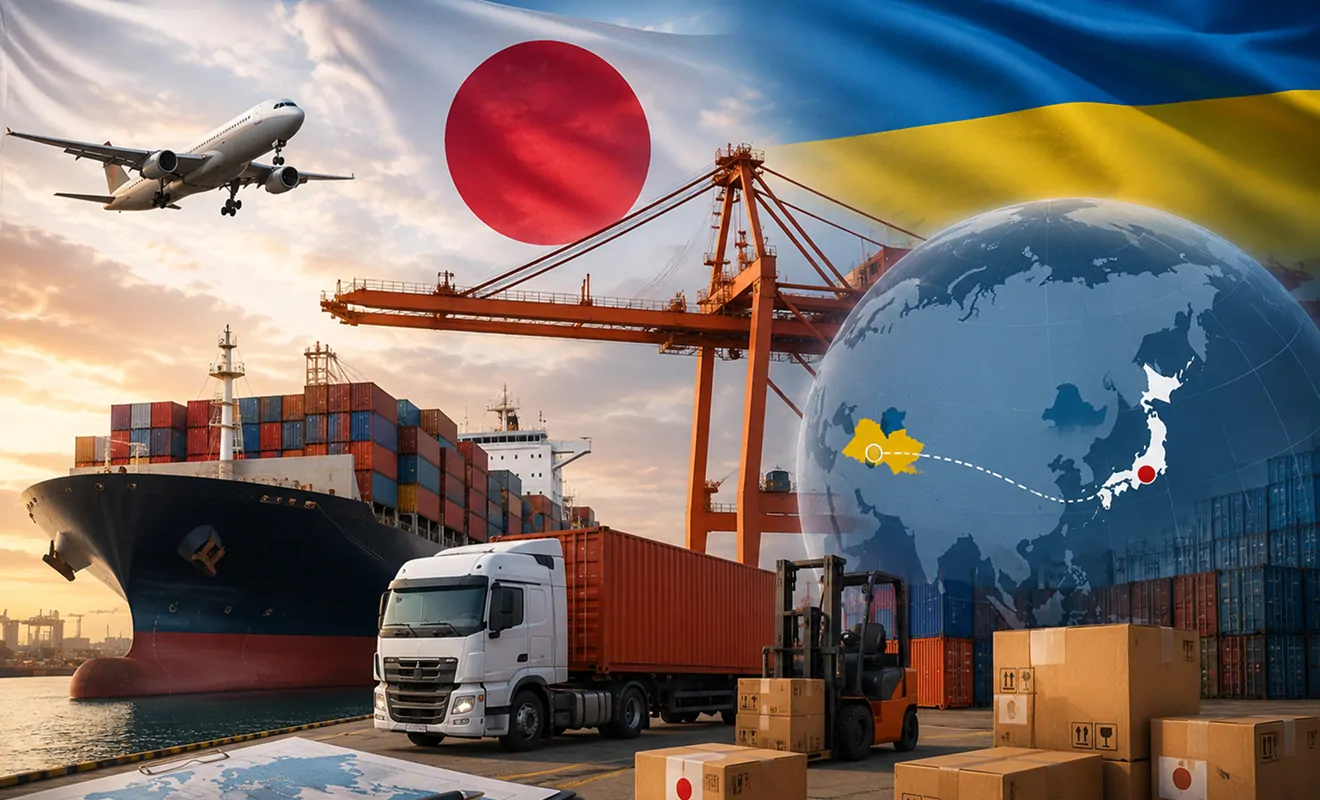
There are more than 8,000 kilometers between Ukraine and Japan, with no shared border or direct rail connection. Despite this, imports from Japan to Ukraine are growing

Just a few years ago, a dispatcher would spend an hour on a single request. Today, AI agents in logistics accomplish the same task in minutes – without phone calls or errors.

Anna
Business development manager

Volodymyr
Business development manager

Artur
Business Development Manager
