

Shipping from Germany: LTL Groupage and Full Truckload – A Comparison

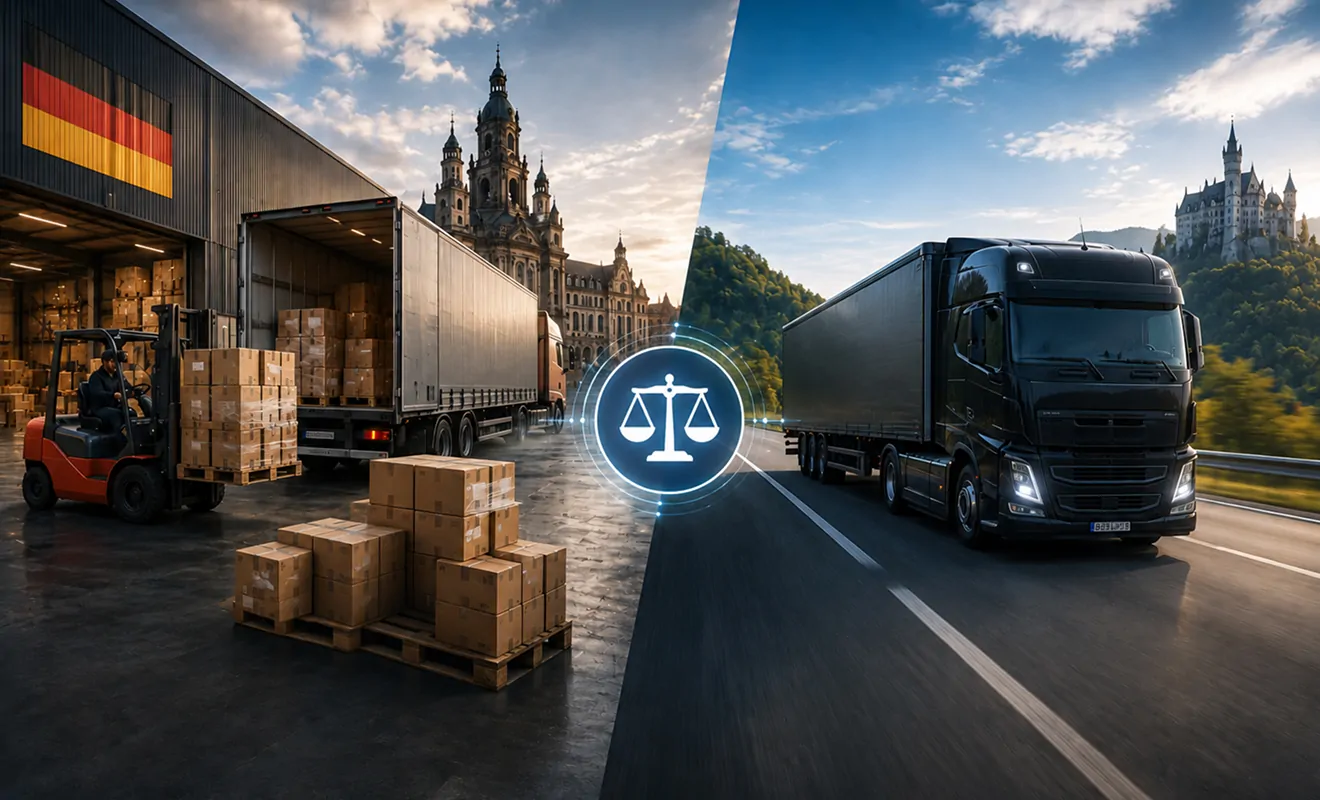
Logistics offers two tools for shipping from Germany: Less-than-Truckload (LTL) consolidation and Full Truckload (FTL) shipments. Each of these approaches has its own financial and operational logic that affects the cost of goods in Ukraine. Ekol Logistics helps businesses navigate the nuances of European routes to optimize working capital.
What Is LTL Groupage Shipping from Germany
When shipping from Germany involves a small cargo batch — from a single pallet to a few tons — it is not economically feasible to charter a separate vehicle. In this case, the LTL model is used, which combines orders from several senders in one truck.
The advantages of LTL groupage shipping from Germany for international transport lie in the ability to pay only for the space the cargo actually occupies. This allows businesses to avoid freezing capital in warehouse stock while maintaining a regular, flexible import flow.
What Is a Full Truckload (FTL) from Germany
For shipping large batches from Germany, the FTL format is used, which has specific technological characteristics:
- Full capacity for a single order. The entire usable volume and load capacity of the vehicle is dedicated exclusively to one specific client’s order.
- Direct delivery to production. The vehicle is loaded at the factory warehouse in Germany.
- Security and sealing. After the cargo is loaded, no third parties have access to the goods during transit.
- Individual planning. The freight forwarder develops a personal shipping route from Germany, tailored to the client’s time constraints and delivery requirements.
- Movement without intermediate stops. The truck travels across the border without additional stops at transit warehouses or consolidation terminals.
The advantages of a full truckload from Germany are obvious for large distributors, industrial enterprises, and retailers operating with large-scale shipments.
Key Differences Between LTL Groupage and Full Truckload
The difference lies in shipment processing technology, legal liability, and the transport routing scheme. In the first case, logistics is network-based and depends on terminal operating schedules; in the second, it is point-to-point and autonomous.
As an Ekol specialist noted, the technological difference also creates different levels of flexibility: if a full truckload is waiting at customs for a specific client’s documents, in a groupage vehicle a delay in customs clearance by even one European exporter can slow down the delivery of goods for all other participants in the shipment. That is why consolidation demands precision from the freight forwarder.
Key parameters that illustrate the internal processes of both types of transport:
| Comparison Criterion | LTL Groupage | FTL Full Truckload |
| Number of clients per vehicle | From 2 to 30+ companies | 1 client |
| Route | Via transit warehouses | Sender – recipient (direct) |
| Space payment | Per actual pallets occupied | For the entire truck (freight) |
| Additional operations | Consolidation, transshipment | Only securing and sealing |
| Impact of adjacent cargo | High (shared declaration) | None |
Choosing between LTL and FTL for shipping from Germany is always a trade-off between price, speed, and degree of autonomy.
Advantages and Disadvantages of LTL Groupage
When considering consolidated services, businesses should weigh not only the financial benefits but also the planning specifics of shipping from Germany. According to Ekol experts, this tool is ideal for testing new niches or supplying trial batches of raw materials.
Pros of the LTL model:
- Minimum logistics costs per unit of small-sized goods.
- Ability to collect orders from multiple suppliers from different regions of Germany to a single warehouse.
- Cost optimization for insurance, as risks are distributed proportionally.
Cons:
- Strict adherence to packaging standards for stacking is required.
- Increased waiting time due to batch accumulation at the warehouse.
- Dependence on the speed of customs procedures of other importers.
Weighing the pros and cons, consolidation allows small importers to save working capital for shipping from Germany, although it requires building in more time for European warehouse processing and joint customs clearance.
Advantages and Disadvantages of Full Truckload
Large industrial shipments and urgent contracts require dedicated transport for shipping from Germany. Here, speed and complete independence from external factors come to the fore.
Pros of the FTL model:
- Maximum speed that road delivery from Germany to Ukraine can provide.
- Ability to transport non-standard, oversized, or hazardous materials.
- Total control: the client knows exactly where the vehicle is at all times.
Cons:
- High cost if the vehicle is only half loaded.
- Strict requirements for the availability of ramps and access for euro-trucks.
- Risk of paying demurrage in case of delays.
Renting an entire truck for shipping from Germany guarantees maximum speed and full autonomy on the road, but requires the importer to have large cargo volumes, precise customs timing, and adequate infrastructure for receiving long-haul transport.
Detailed Analysis of Key Delivery Parameters
To understand what is more cost-effective for pallet delivery from Germany in a specific situation, it is necessary to analyze three cornerstones of logistics: budget, calendar deadlines, and security risks.
Cost Comparison
Economic feasibility depends entirely on volume. If you need to ship 2–3 pallets, the cost of a groupage service will be several times lower than chartering an entire truck. If the order volume exceeds 12–15 euro pallets, the unit cost of delivering each item via a groupage vehicle begins to level out with the cost of a full truckload. In such a case, it is more advantageous to rent the entire vehicle, gaining speed without overpaying.
Delivery Time Comparison
When time is of the essence, opt for a full truckload. It covers the route from Germany to Ukraine in 3–5 days. The delivery time for LTL groupage ranges from 7 to 12 days.
Cargo Safety and Control Comparison
Direct shipping from Germany provides a higher level of integrity for fragile and expensive goods. In groupage lines, cargo goes through a minimum of two loading and unloading cycles at warehouses. This requires the carrier to have modern specialized equipment, reliable securing, and professional packing materials.
When to Choose LTL Groupage
Consolidated logistics is the optimal solution for businesses that ship small volumes from Germany or regularly replenish retail networks:
| Business Category | Specifics of LTL Model Use |
| Local enterprises | Companies operating with limited batches that have no need to overpay for an empty truck body. |
| E-commerce | Online platforms whose business model relies on constant assortment updates with small batches. |
| Industrial sector | Factories and workshops that import individual components, repair kits, or raw materials to keep the production line running. |
This approach noticeably reduces the transport component in the cost of goods, although it requires the commercial department to be prepared for longer waiting times due to vehicle loading at European terminals.
When to Order a Full Truckload
Investing in a dedicated vehicle for shipping from Germany is worthwhile for:
- Businesses with strict deadlines, where missing them threatens penalties.
- Industrial facilities requiring uninterrupted supply of large batches of raw materials or parts to workshops.
- Owners of expensive or fragile goods — electronics, precision instruments, or optics — to avoid damage at transit warehouses.
- Developers and construction companies, since transporting heavy metal structures, oversized blocks, or construction machinery is physically impossible inside groupage vehicles.
- The pharmaceutical industry and medicine, for maintaining an uninterrupted temperature regime in a refrigerator throughout the entire route.
Higher logistics costs here are fully offset by the integrity of the shipment.
How to Choose the Optimal Shipping Format from Germany
To make the right choice, follow these guidelines:
- Assess the batch volume. If you have fewer than 10 pallets, choose consolidation.
- Analyze urgency. To avoid penalties more expensive than the freight, you need a full truckload.
- Check the nature of the cargo. Chemical substances or expensive goods are safer to transport in a separate vehicle.
- Calculate customs costs. Sometimes broker clearance of multiple HS codes in a groupage vehicle can negate savings on freight.
For the right choice, Ekol Logistics experts recommend calculating the full cost of the logistics chain, including warehouse storage, local forwarding costs, and financial losses from goods being in transit for an extended period.
Conclusion
Quality logistics is a tool for increasing business capitalization by accelerating asset turnover. Our specialists, organizing shipping from Germany, select combined solutions to integrate the European warehouse network into the business processes of Ukrainian importers for customs clearance optimization.
FAQ
Why do the specifics of shipping from Germany require an experienced freight forwarder?
Germany has strict transport legislation. Errors in an invoice, export declaration EX-1, or transit document T1 lead to customs fines and shipment delays. An experienced carrier eliminates these risks at the document verification stage before the vehicle departs.
How to choose the type of shipping from Germany for oversized but lightweight equipment?
In cases where cargo has low weight but occupies a large volume, logistics specialists order “Mega” format full truckloads (3 m cargo body height) or articulated truck trains with a volume of 120 cubic meters for shipping from Germany. Transporting such goods in a groupage vehicle is financially disadvantageous due to the specifics of volumetric cargo tariffing.
Is it possible to combine LTL groupage and full truckloads within a single contract?
Yes, this is a common practice for large companies. For example, the main volume of raw materials for production is supplied monthly by full euro-trucks. If an urgent need arises for additional components or specific parts for equipment repair, the company uses fast groupage lines to avoid halting production capacity due to a shortage of small components.
read more
Similar articles
The changes for Ukrainian exporters in 2026 concern not only export clearance procedures but also the organization of shipments to EU countries.
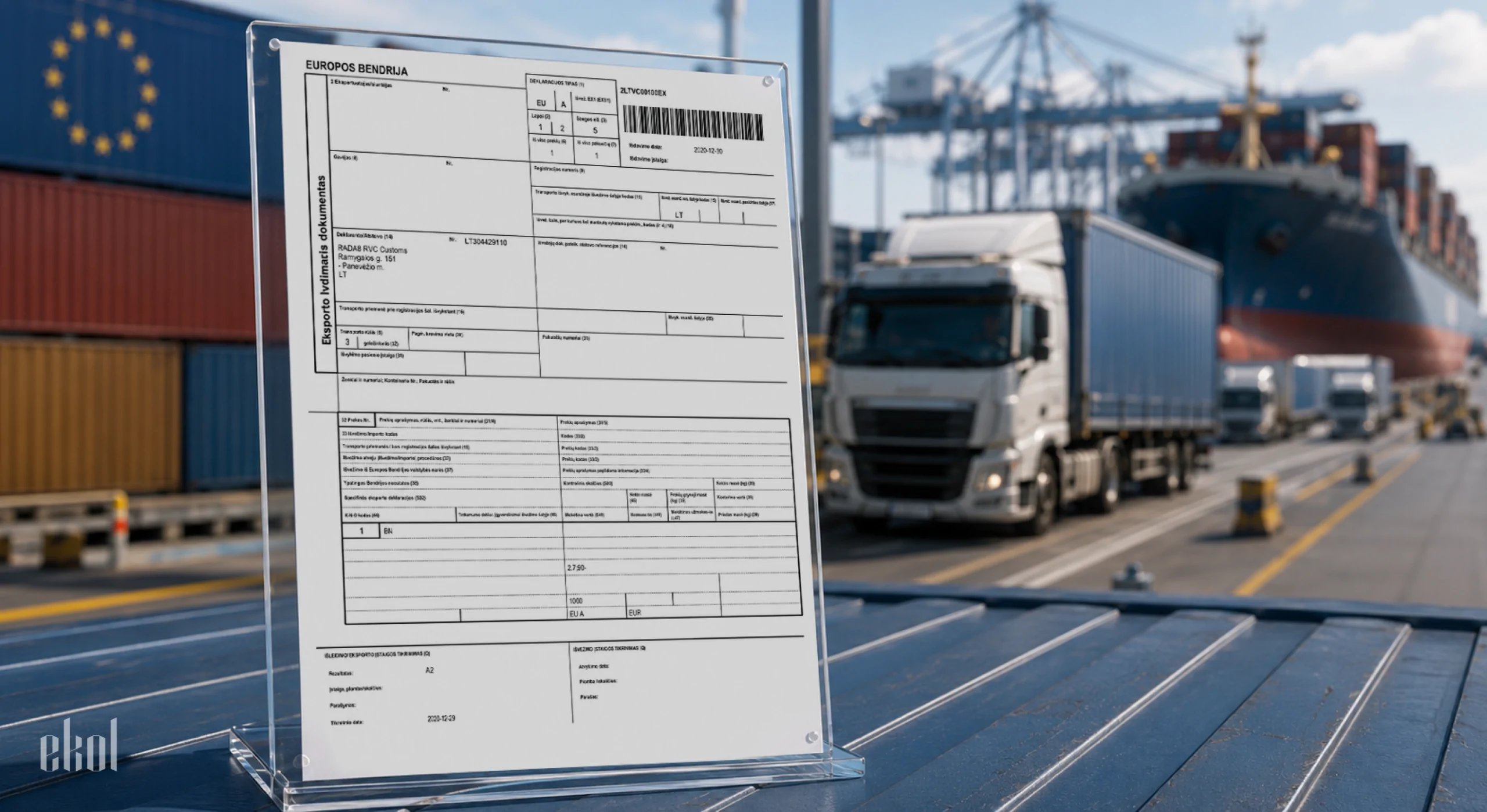
Export requires proper customs clearance and document preparation. For businesses, it is important not only to deliver the goods but also to successfully complete all procedures when crossing the border.
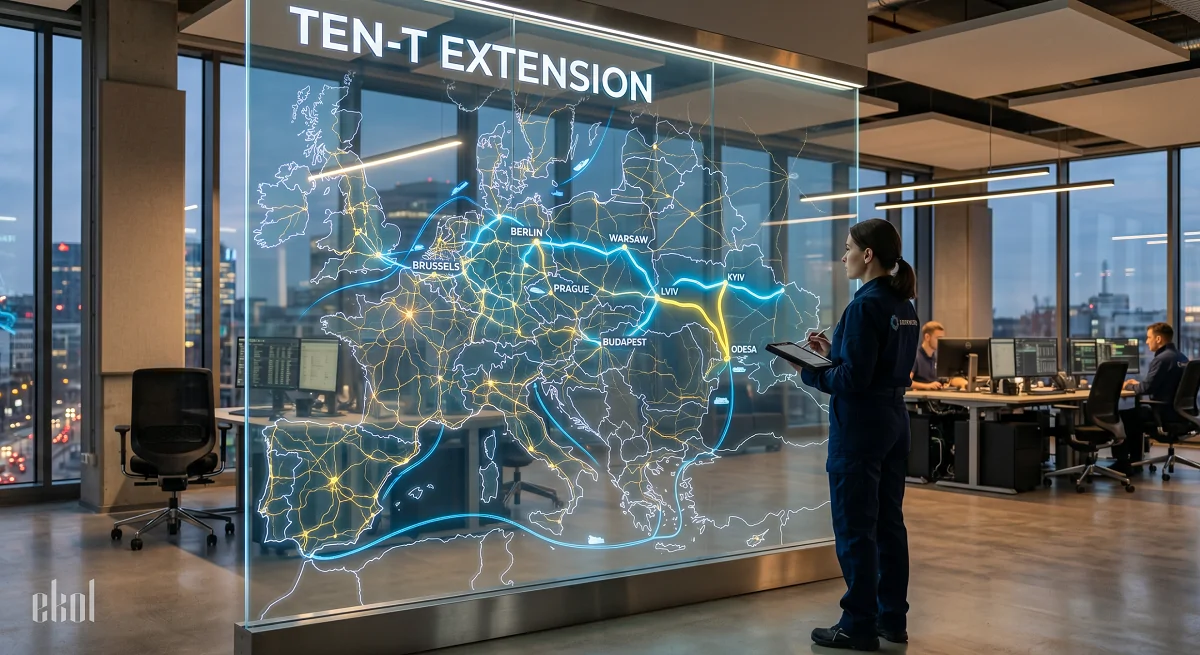
Entering the European Union market opens significant opportunities for Ukrainian companies. However, the success of such expansion depends on the ability to establish proper logistics.
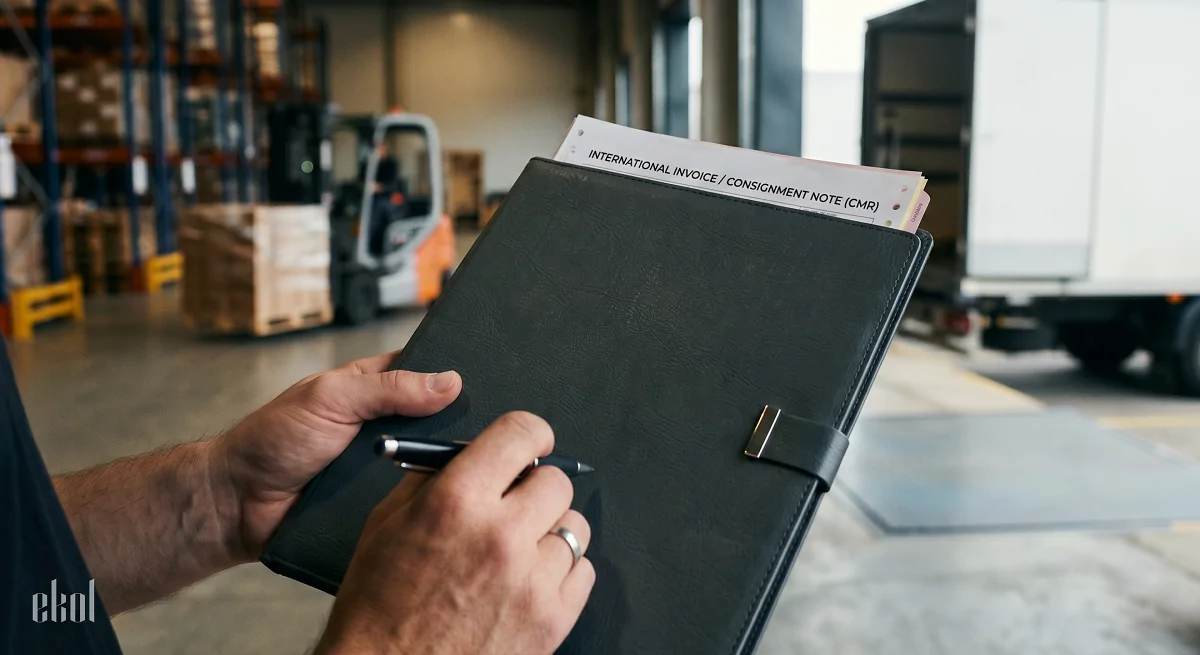
Entering the European Union market opens significant opportunities for Ukrainian companies. However, the success of such expansion depends on the ability to establish proper logistics.
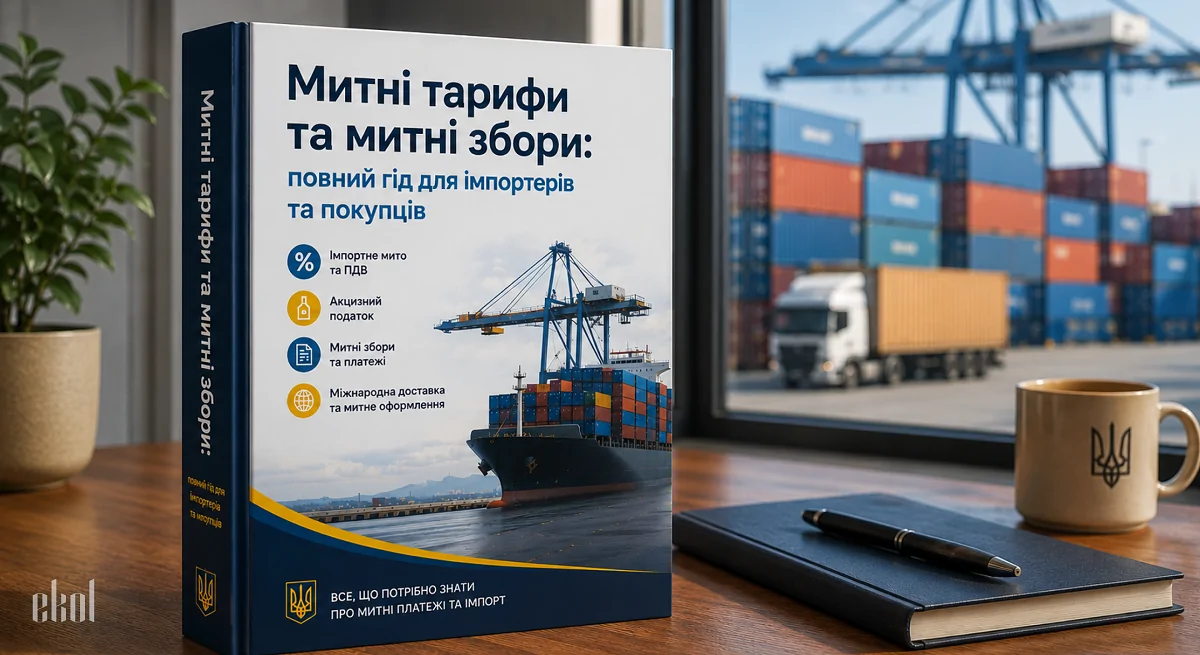
If you order goods from abroad or import a commercial batch of products, customs payments are unavoidable.
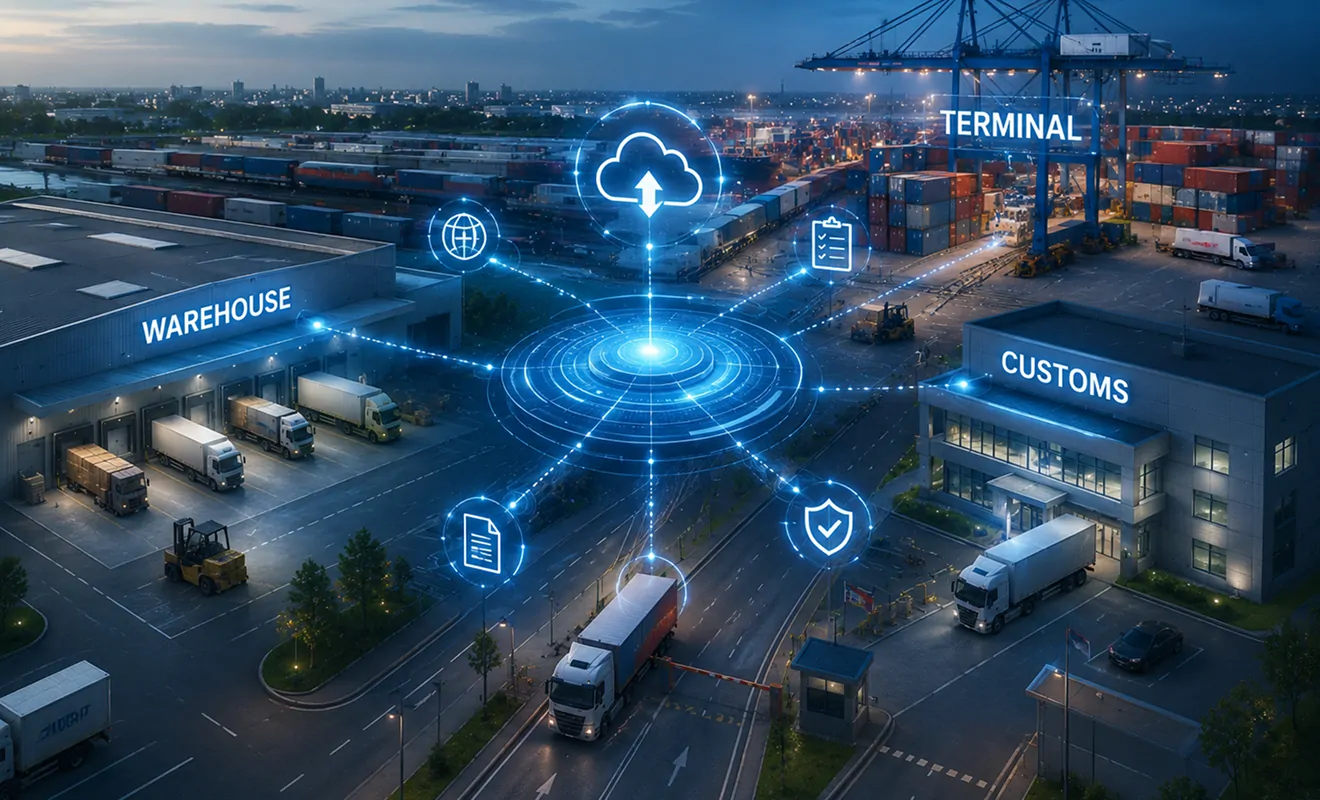
A dry port is one of the solutions to the problem of congestion at seaports and customs-logistics infrastructure. It relocates part of operations inland. But the real impact comes from digital integration.

Anna
Business development manager

Volodymyr
Business development manager

Artur
Business Development Manager
