

Specifics of Cargo Delivery from Japan to Ukraine

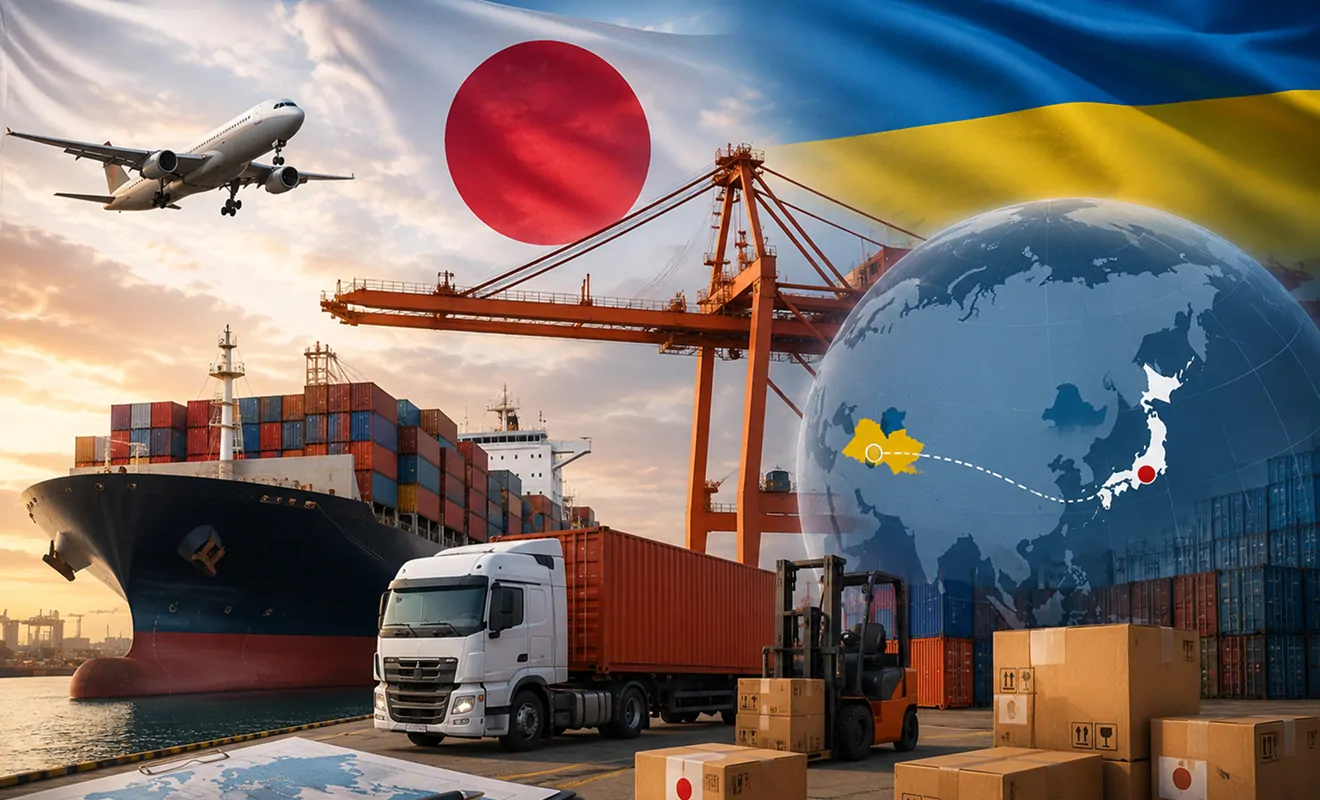
There are more than 8,000 kilometers between Ukraine and Japan, with no shared border or direct rail connection. Despite this, imports from Japan to Ukraine are growing: businesses order industrial equipment, medical devices, cars and auto parts, and electronics. Each type of cargo requires a customized logistics solution: route planning, carrier selection, appropriate documentation, and alignment with customs regulations.
For those interested in shipping from Japan, logistics provider Ekol Logistics offers a full-cycle, turnkey service — from route selection to customs clearance. If you want to know how this process is structured, you will find the answers in this article.
What You Need to Know About Cargo Delivery from Japan to Ukraine
When discussing the specifics of delivery from Japan to Ukraine, the key challenge is the lack of a direct land corridor. Therefore, the route is designed via sea or air, combined with transit through third countries.
Another distinct feature of Japanese-Ukrainian freight forwarding is export control. Japan has strict regulations regarding the export of certain product categories. Without knowing these nuances, it is easy to lose money and a lot of time as early as the shipment preparation stage.
“Most delivery issues from Japan stem from documentation errors. Japanese carriers and customs demand absolute accuracy in product descriptions, value, and HS code compliance. Any error in the paperwork can delay the shipment by weeks,” explains an Ekol Logistics specialist focusing on the Asian region.
Main Shipping Methods from Japan
International delivery from Japan can be carried out using three primary methods: sea, air, or a multimodal strategy. The choice depends on urgency, budget, and cargo specifications.
Ocean Freight
Japan is an island nation, meaning its maritime and port infrastructure is highly advanced. Sea routes are the baseline method for international cargo transportation, especially for large shipments (cars, electronics, industrial equipment). Ekol Logistics offers clients two main options: Full Container Load (FCL) or Less than Container Load (LCL). The second option is more cost-effective for smaller shipments, though consolidation at the warehouse may take a bit more time.
The most popular ports of departure are Tokyo, Yokohama, Kobe, and Nagoya. Cargo usually enters Ukraine via ports in Poland or Romania.
Air Freight
This is the fastest but most expensive method — approximately 4–5 times pricier compared to sea freight. Air delivery is the only viable option for urgent shipments, perishable goods, high-value electronics, and product samples. Such orders are most frequently dispatched from airports in Tokyo and Osaka to a European country before final transit.
Multimodal Delivery
This scheme combines multiple modes of transport within a single supply chain. For example, in the first stage, the cargo travels by sea to Hamburg, then moves by rail through Poland, and covers the final leg into Ukraine by truck. This format allows businesses to balance delivery speed and cost. Notably, multimodal transport is a core service for Ekol Logistics, which specializes in engineering complex logistics routes.
Delivery Timeframes from Japan to Ukraine
| Shipping Method | Estimated Timeframe (From departure to arrival in Ukraine) |
| Sea (FCL) | 35–45 days |
| Sea (LCL) | 45–60 days |
| Air Freight | From 3–5 days (Express) to 10 days (Standard) |
| Multimodal (Sea + Land) | 30–50 days |
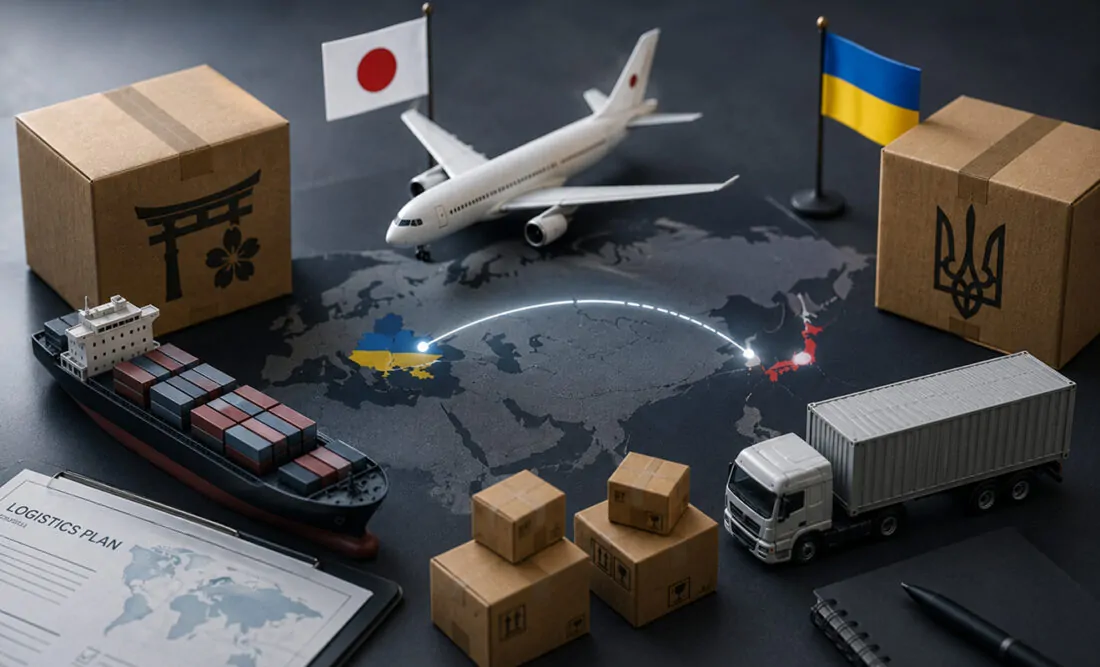
Required Documentation for International Shipping
To transport goods from Japan to Ukraine, a properly prepared set of documents is required. It includes:
- Commercial invoice stating the value of the goods;
- Packing list (description of items, weight);
- Transport documents (Bill of Lading for sea, Air Waybill for air, CMR for road);
- Foreign trade contract;
- Declaration of origin.
Certification, a customs declaration (processed during clearance), and cargo insurance are also mandatory.
Customs Clearance
Any international shipment involves a customs clearance stage. Clearance takes place upon entry into Ukraine. The procedure is handled either by the cargo owner or a licensed broker. During clearance, goods are classified under the UKTZED code, documents and certifications are verified, customs duties are calculated, and the declaration is filed. Certain product groups may require additional permits.
Ekol Logistics clients generally do not have to handle this. All bureaucratic and organizational matters related to customs are managed by our in-house brokers.
What Determines the Shipping Cost?
When it comes to the cost of shipping from Japan, there is no one-size-fits-all price. Logistics costs are calculated individually based on many variables:
- Mode of transport;
- Cargo volume and weight;
- Route and transit points;
- Seasonality;
- Current rates per kilogram;
- Cargo insurance costs.
If you want to know how much it will cost to transport your cargo, contact Ekol Logistics, and our specialists will calculate pricing for various routes and shipping methods.
Most Frequently Shipped Cargo from Japan
Based on client requests and broader market trends, the most popular product categories delivered from Japan to Ukraine include auto parts, motorcycles, industrial equipment and machinery, optics, electronics, and cosmetics. Collectibles (watches, figurines), food products, and medical equipment are also frequently imported.
Potential Shipping Challenges
For entrepreneurs planning to engage in international trade or distribute Asian products, it is important to know not only how to order goods from Japan, but also how to deliver them to Ukraine quickly and safely. Without specific experience in this area, you may face numerous difficulties: from language barriers and bureaucratic hurdles to certification issues, transit delays, and significantly higher expenses than expected. A professional logistics provider forecasts all risks in advance and selects solutions to prevent them.
International trade with Japan opens new opportunities and horizons for Ukrainian businesses. The key is to establish seamless and reliable cargo delivery. Ekol Logistics can help you with this — a logistics company with over 25 years of experience and offices worldwide, including Japan and transit countries.
FAQ
How long does it take to deliver cargo from Japan to Ukraine?
Depending on the chosen shipping method, it takes anywhere from 3 to 60 days.
What shipping methods are available from Japan?
Cargo from Japan can be delivered via sea, air, and multimodal schemes.
Which is more beneficial — sea or air freight from Japan?
Sea freight is cheaper but slower, while air freight is fast but more expensive.
What factors influence the cargo delivery cost from Japan?
The final cost is heavily influenced by the cargo type, weight, volume, and the selected shipping method.
What documents are required to ship cargo from Japan to Ukraine?
The basic package includes an invoice, packing list, transport waybill, foreign trade contract, and a certificate (if required by the product category).
read more
Similar articles
Everyday consumer goods dictate their own rules of the game for logistics. Fast turnover, short shelf lives, a wide distribution network and high retailer expectations all shape a distinct segment of the logistics market.
Modern business is not only about product and sales. It is a complex network of connections between raw material suppliers, manufacturers, warehouses, transport and final points of sale
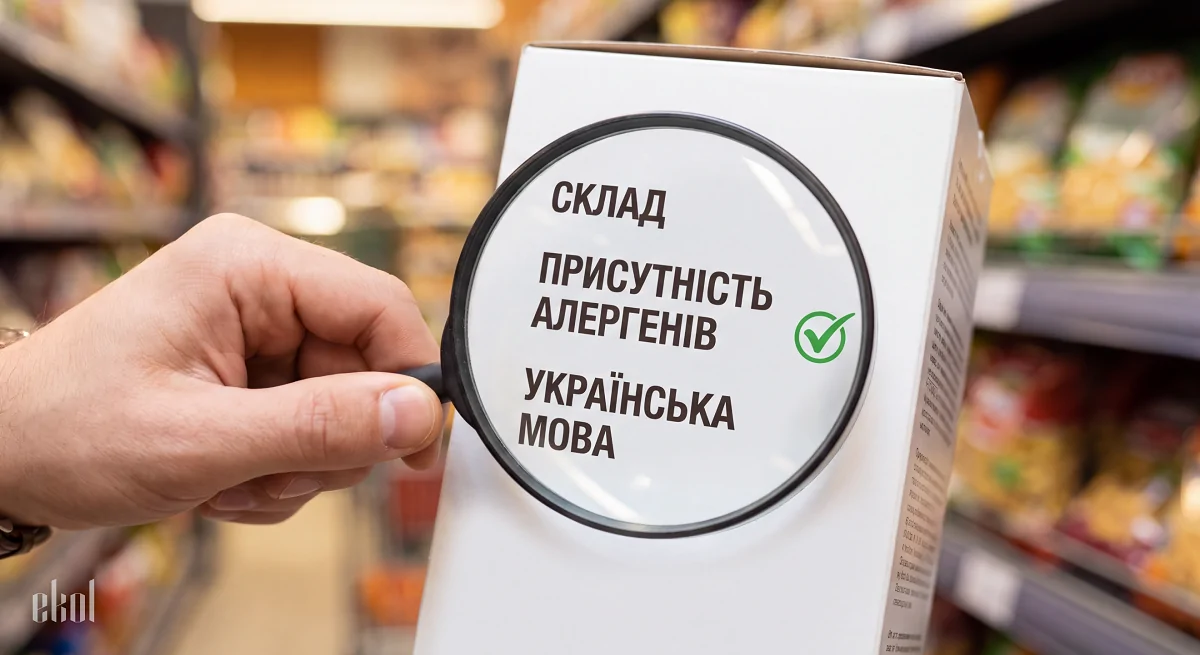
Every product that reaches the hands of a Ukrainian consumer must carry clear and complete information about the manufacturer, composition, shelf life and other essential characteristics.
Ukraine’s economy is increasingly oriented toward foreign markets, and Ukraine’s exports in 2026 have undergone significant structural changes compared with previous years
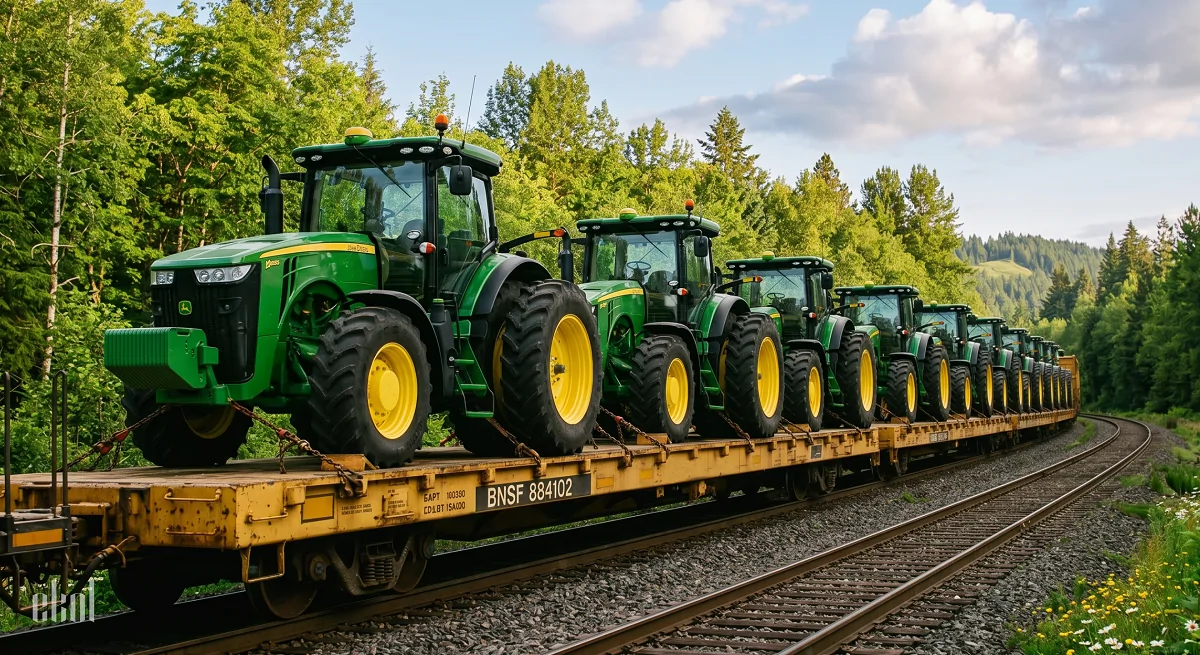
Proper tractor transport across Ukraine starts with assessing the machine’s dimensions and selecting the right type of transport. This approach helps avoid fines and delays along the route.
For years, the domestic market relied on purchases from the PRC, but the era of Chinese factory monopoly is gradually coming to an end. Entrepreneurs are turning to other Asian countries, weighing product quality and partner reliability.

Anna
Business development manager

Volodymyr
Business development manager

Artur
Business Development Manager
