

Real-Time Cargo Tracking: A Comparison of Available Systems for Small and Medium-Sized Businesses

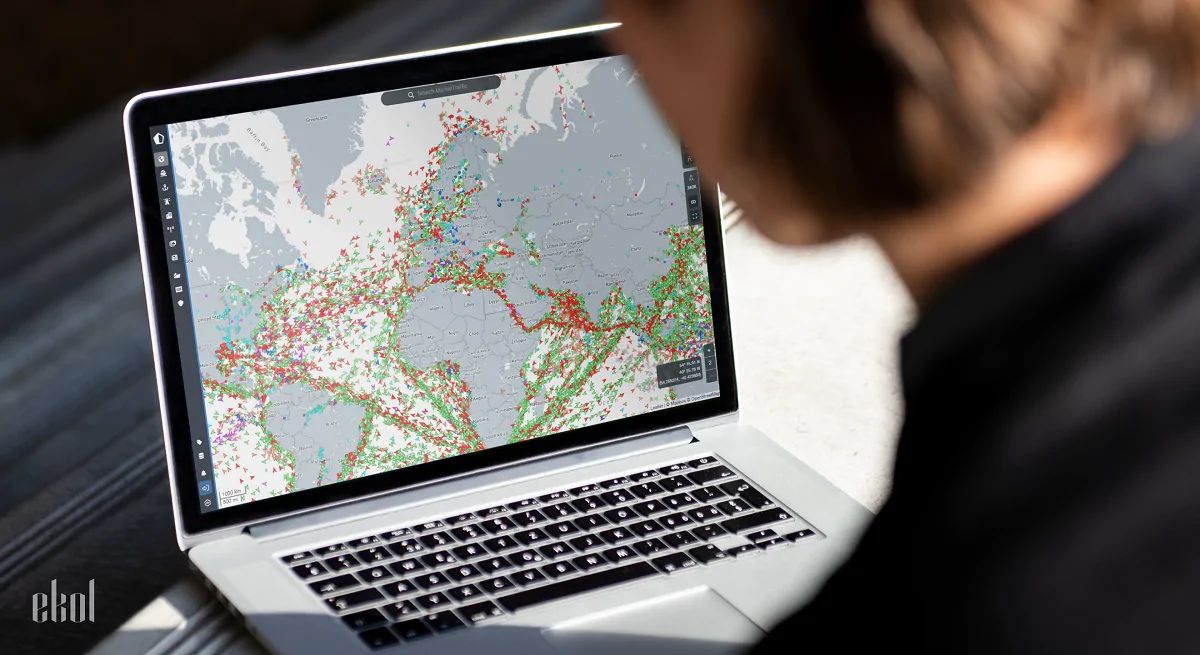
Online cargo tracking is one of the most critical aspects of transportation automation. Thanks to modern tracking systems, it is easy to find out in real-time exactly where a shipment is located, its estimated delivery time, and whether there are any delays. This provides full visibility of the route and allows for timely decision-making in case of unexpected changes.
Automatic cargo tracking is now used extensively, supported by modern digital logistics solutions where all processes are integrated into a single ecosystem. As customer demands for speed and supply chain transparency continue to rise, ensuring the reliable operation of tracking systems is essential.
What is Real-Time Cargo Tracking?
Real-time cargo tracking is based on a combination of GPS technology, mobile communications, and specialized digital platforms that transmit data online. This ensures precise control over the logistics chain.
Modern digital cargo monitoring solutions include not only movement trackers but also temperature and humidity sensors, and in some cases, door-opening sensors. Such systems help ensure that goods do not spoil or sustain damage in transit. The data collected from these devices is then analyzed by specialists for further decision-making.
Thanks to online cargo tracking services, companies today can react very quickly to route deviations or delays, thereby minimizing risks.
Benefits of Using Tracking for SMBs
One of the main advantages is increased transportation transparency. Businesses gain full control over the movement of goods, which reduces the risk of loss or delays. This also enhances customer trust.
Automating delivery tracking allows for a reduction in manual control and coordination costs. Instead of numerous calls and checks, a single system with an intuitive interface is used. This significantly increases the efficiency of logistics departments and helps reduce fuel costs through route optimization.
Overview of Major Cargo Tracking Systems
The market offers various cargo tracking services that differ in functionality and price. The most common ones include Track24, Nova Poshta Tracking, AfterShip, 17TRACK, CargoTrack, ParcelsApp, Ship24, Fleet Complete, and MarineTraffic.
Each program has its own characteristics. For example, the MarineTraffic platform is actively used for sea freight, allowing users to see vessel movements in real-time and check port schedules. On the other hand, a service like CargoTrack is useful for companies dealing with imports, offering deep analytics, delay notifications, and even information on weather risks.
For small and medium-sized businesses, many platforms offer affordable terms or a free trial period to get acquainted with the functionality.
How to Choose a Tracking System for SMBs?
Choosing a tracking system for a business depends on the scale of operations and the specifics of the shipments. It is important to consider the number of vehicles, the type of cargo, and the delivery geography.
Interface and ease of use are equally important. The system should be intuitive for staff and not require lengthy training. This ensures rapid implementation and minimal time expenditure.
It is also recommended to pay attention to integration capabilities with other business systems. This allows for the creation of a unified digital platform for logistics management.
Comparison of Tracking System Features and Capabilities
Below is a generalized comparison of the main characteristics of tracking systems.
| Feature | GPS Systems | TMS Platforms | Cloud Services |
| Real-time Tracking | Yes | Yes | Yes |
| Analytics | Limited | Advanced | Medium |
| Integration | Low | High | Medium |
| Cost | Low | High | Medium |
| Scalability | Low | High | High |
As experts from Ekol Logistics note, integrated tracking systems allow not only for cargo monitoring but also for risk forecasting. This is why modern logistics companies choose such solutions.

Cost of Implementation and Maintenance
The cost of implementing tracking systems depends on their functionality and scale. Usually, simple tracking services are affordable even for small companies, while additional functionality will cost more.
In addition to initial costs, maintenance and update expenses should be considered. This includes support, CRM integration, and staff training. It is important to evaluate the Total Cost of Ownership (TCO) before making a final decision.
Challenges and Limitations of Tracking Systems
One of the key challenges when using tracking systems is the technical complexity of implementation. Not all companies have sufficient resources or specialists for integration, which can lead to launch delays.
There are also limitations related to communication quality and GPS coverage. In some regions, data may be transmitted with a delay, affecting monitoring accuracy.
Another factor is data security. Companies must ensure information protection and compliance with standards. This is particularly important for international shipments.
How to Integrate a Tracking System with Other Business Processes?
Integrating a tracking system with ERP or CRM allows for the automation of most processes, such as transport planning, inventory, and reporting. Main integration steps:
- Business process analysis;
- Selection of a compatible platform;
- Setting up API and data exchange;
- Staff training.
Once integration is successful, the company gains full control over logistics, increasing efficiency and reducing costs.
Conclusion
Real-time cargo tracking is a vital tool for optimizing logistics, as it ensures control, security, and increased transportation efficiency. For small and medium-sized businesses, it provides an opportunity to compete on a level playing field with large corporations.
The choice of a tracking system should be based on the real needs and capabilities of the company. It is important to consider functionality, cost, and integration options to gain maximum benefit from implementation. In the long term, investing in online cargo tracking services ensures sustainable business development.
FAQ
What is real-time cargo tracking and how does it work?
It is a system that uses GPS and digital platforms to monitor the location of cargo online.
What benefits does cargo tracking provide for SMBs?
Increased transparency, reduced costs, improved control, and optimization of logistics processes.
What are some popular cargo tracking systems for small businesses?
GPS systems, cloud platforms, and basic TMS solutions.
How to choose a tracking system for a small business?
Evaluate needs, budget, functionality, and the possibility of integration with other systems.
read more
Similar articles

For years, the domestic market relied on purchases from the PRC, but the era of Chinese factory monopoly is gradually coming to an end. Entrepreneurs are turning to other Asian countries, weighing product quality and partner reliability.
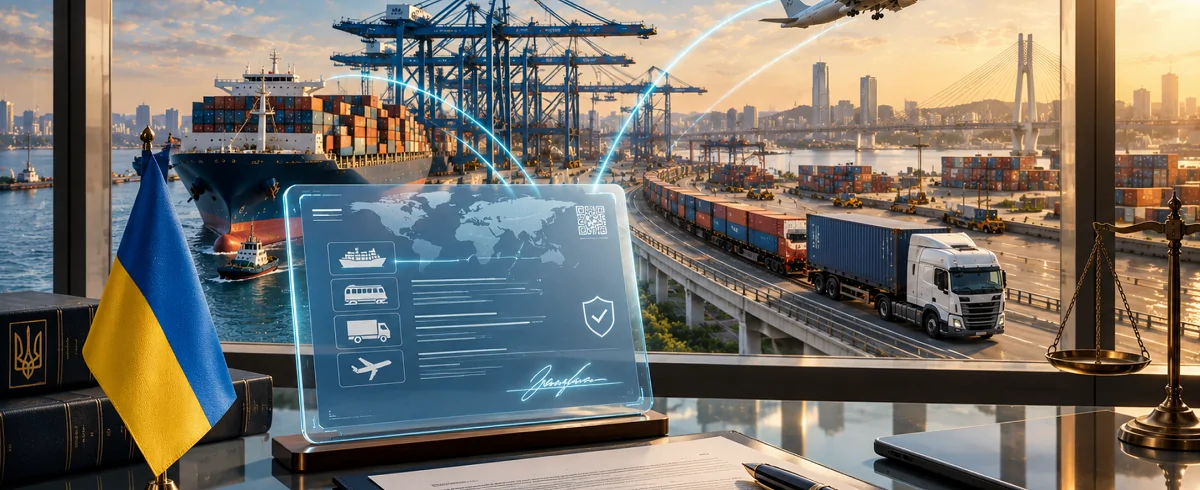
Back in 2021, Ukrainian legislation officially regulated the delivery scheme in which several modes of transport are combined for a single route.
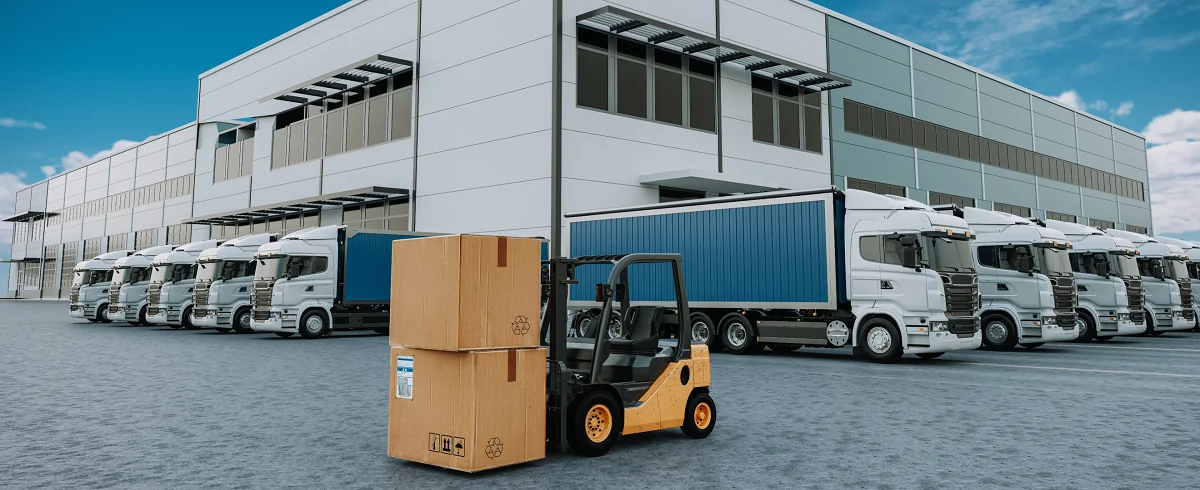
For a business, a logistics company is one reliable partner instead of a dozen separate contractors. It handles communication with carriers and quickly resolves force-majeure situations on the road

Without reliable delivery, a farmer’s harvest won’t reach the market on time. A logistics company for a farmer is not just a service provider — it’s a partner on whom the financial outcome of the season depends.

On the night of July 19, 2026, a massive missile attack severely damaged the Ekol Logistics distribution center located in the AMTEL logistics complex.

The changes for Ukrainian exporters in 2026 concern not only export clearance procedures but also the organization of shipments to EU countries.

Anna
Business development manager

Volodymyr
Business development manager

Artur
Business Development Manager
