

What Is Last-Mile Delivery and Why It Decides the Fate of Your Business

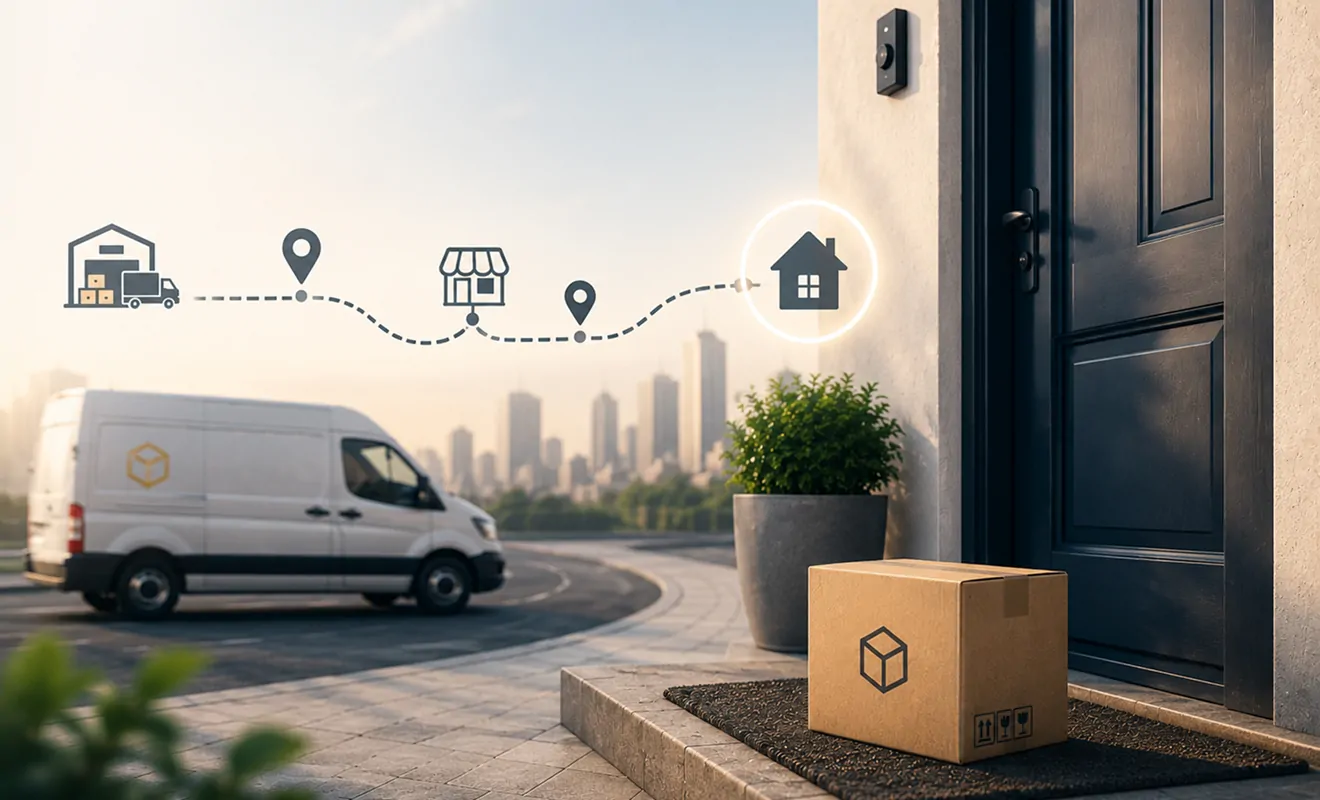
Last-mile delivery is the final stage of the logistics chain, which shapes both the service cost and customer loyalty. If a product fails to arrive, is late, or gets damaged along the way, the buyer won’t blame traffic jams or bad weather—they will blame the seller. Therefore, this stage becomes the key factor determining whether a customer will stay with you in the future.
What Is Last-Mile Delivery?
Put simply, last-mile delivery is the final stage in which a product is transported from a distribution center, local hub, or sorting facility directly to the consumer—either to a specific address or a pickup point.
The term “mile” here is symbolic and does not necessarily mean a distance of 1.6 km. In practice, it can range from a few hundred meters to dozens of kilometers.
The Main Feature of this Stage Is Cargo Deconsolidation:
- Line-haul logistics: Large batches of goods are transported by trucks, pallets, or containers to central warehouses.
- Last mile: The cargo is broken down into small, individual shipments (boxes, packets, envelopes) for the end recipients.
How Last-Mile Delivery Works
Last-mile logistics are structured depending on the scale of the business, but the general scheme is similar. Large line-haul transport brings grouped cargo to a local warehouse or sorting center, where each order is identified, scanned, and distributed by service zones.
After that, smaller transport is deployed (light commercial vehicles, passenger cars, scooters, or bicycles). The prepared parcel is handed over to a carrier or an in-house delivery service, and a courier or driver-forwarder delivers the orders.
The main goal of this stage is to select transport solutions that ensure maximum speed at minimum cost. From the outside, the process seems simple, but behind it lies a complex calculation system where every route is optimized for urban traffic conditions.
“Last-mile delivery is primarily about the number of stops, not the distance. Within these limits, a single vehicle can visit up to 50–70 addresses per shift, and without professional route optimization, it is impossible to complete this task effectively,” explains a specialist from Ekol Logistics.
The Main Stages of Last-Mile Delivery
To understand how last-mile delivery is organized, it is enough to break down the parcel’s journey from the distribution center to the final recipient step by step. For professional operator Ekol Logistics this process consists of the following clear steps:
- Cargo sorting at the local hub. Upon arrival from central warehouses, each shipment is scanned and distributed into courier delivery zones.
- Route planning and optimization. Intelligent software analyzes distances, predicts timeframes, and selects the shortest tracks while factoring in traffic jams.
- Loading into vehicles. Parcels are scanned again and loaded into the vehicle in reverse delivery order (first loaded, last out). The driver receives a digital route sheet.
- Transportation and tracking. The courier sets off on the route, and the customer receives a notification with a map link to track the location in real time.
- Order handover and delivery confirmation. The system records the completion of the delivery after the recipient signs or the barcode is scanned.
Why Last-Mile Delivery Matters for Business
The ability of a company to survive under fierce competition depends heavily on how the final stage of logistics works. Speed and predictability are the conditions that determine long-term customer loyalty. More than 60% of buyers look for the shortest delivery time windows, and if the timeframes are too long, more than 22% of customers will simply abandon the purchase in favor of competitors.
For both B2B and B2C sectors, this stage is critical for three reasons:
- Impact on profit margins – Last mile usually accounts for up to 50% of all logistics costs, making its optimization vital for maintaining low cost of goods sold.
- Reduction in return rates – Precise delivery times and pre-notifications minimize the risk of the buyer being absent at the location.
- Reputational effect – On-time delivery and flawless service prompt customers to leave positive reviews, which helps attract new clients.
Important: This is the only stage of a vast logistics chain that the customer sees with their own eyes, meaning any courier mistake can instantly ruin a brand’s reputation.
Main Last-Mile Challenges and Their Solutions
| Challenge | Root Causes | Business Impact | Ekol Logistics Solution |
| High operational costs | Empty mileage, traffic jams, frequent vehicle stops | Increases product cost, drops overall profit margins | Dynamic route planning through advanced TMS systems |
| Delays in transit | Heavy traffic, road works, specifics of urban infrastructure | Contractual deadlines are missed, leading to dissatisfied customers | Intelligent road congestion forecasting and automatic route recalculation |
| Failed delivery attempts | Recipient absent at the location, errors in ZIP codes or addresses | Need for re-delivery, additional logistics expenses | Pre-arranging time windows, automatic chat-bots for communication |
| Human factor | Courier errors, low discipline, long location search | Cargo damage, negative feedback about the company’s service | Full automation of reporting, transparent KPI systems for staff monitoring |
Types of Last-Mile Delivery
Depending on the customer’s needs, final delivery can be carried out in the following formats:
- To-door address delivery (B2C): A courier brings the parcel directly to the buyer’s home or office.
- To a pickup point or locker: The customer collects the goods independently at a convenient time.
- To points of sale or production sites (B2B): Regular supply of goods or raw materials to businesses.
The choice of format depends on product specifications and customer geography. When organizing complex cargo transportation in Ukraine at the last-mile stage, logistics operators often combine all three models, allowing them to cover even the most remote settlements in the country.
How to Optimize Last-Mile Delivery
Comprehensive optimization and digitization of processes help minimize costs without losing the quality of the logistics chain. The most popular methods include:
- Implementing modern TMS (Transportation Management Systems), which speed up the planning process and eliminate errors caused by the human factor.
- Automating warehouse operations for the fastest possible sorting of cargo right before the vehicles depart.
- Utilizing urban micro-hubs (small warehouses within city limits) to reduce the delivery radius.
- Improving communication with the recipient using SMS, tracking links, and chat-bots.
Progressive logistics companies implemented these features into their workflows long ago. For process optimization, companies like Ekol Logistics have automated everything—from sorting on conveyor belts to building individual courier routes, ensuring that the last mile never becomes a headache for their partners.
Benefits of Quality Service for Customers
For the end recipient, quality delivery is primarily about predictability. When your clients know the exact arrival time of their cargo, they can plan their day without stress. On-time deliveries and intact packages increase trust in your brand and stimulate repeat orders.
The last mile is the face of your business. While you focus on growing your brand and driving sales, a professional logistics provider takes over the control of drivers and routes for you.
FAQ
What is last-mile delivery in simple terms?
It is the final stage of logistics when an order is brought from a distribution hub or sorting center directly to the end customer (to their home, office, or a parcel locker).
Why is last-mile delivery called that?
The name comes from the telecommunications industry, where it refers to the cable run from a central station directly to a specific customer’s home. In logistics, this is also the final, most complex, and most expensive part of the work.
How does last-mile delivery work?
The goods are picked up from a distribution hub, a special program builds the optimal route through the city, and the parcel is handed over to a courier who performs manual delivery to the recipient.
What is included in last-mile delivery?
Sorting, route planning, distributing orders among drivers, navigating the city, communicating with the recipient (arrival alerts), and recording proof of delivery.
How does last-mile delivery differ from standard shipping?
Standard (line-haul) logistics operates with large volumes of identical cargo moving between major logistics nodes (e.g., factory to central warehouse). The last mile is precise work with small individual orders within a confined urban area.
read more
Similar articles
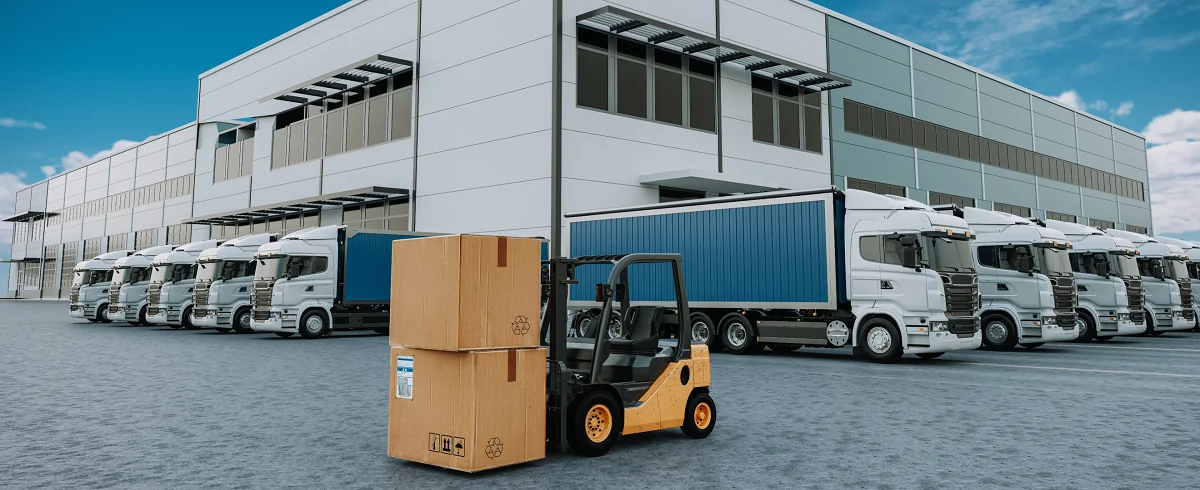
For a business, a logistics company is one reliable partner instead of a dozen separate contractors. It handles communication with carriers and quickly resolves force-majeure situations on the road

Without reliable delivery, a farmer’s harvest won’t reach the market on time. A logistics company for a farmer is not just a service provider — it’s a partner on whom the financial outcome of the season depends.
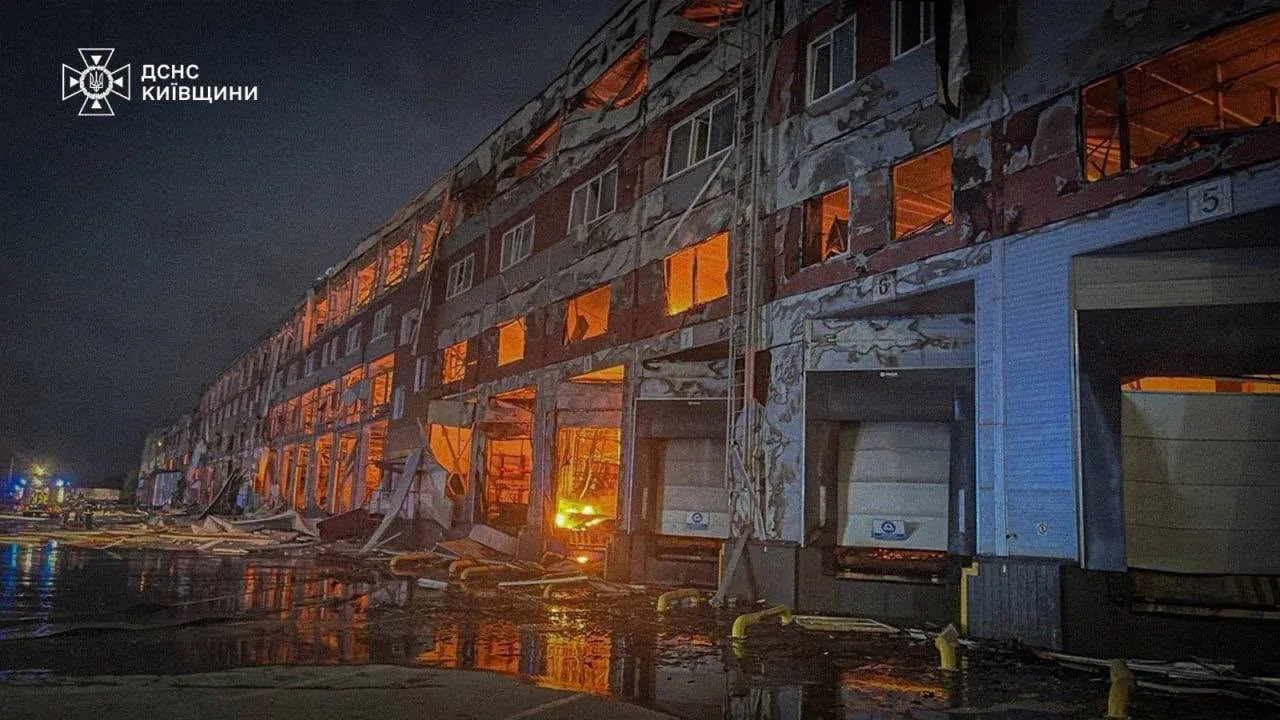
On the night of July 19, 2026, a massive missile attack severely damaged the Ekol Logistics distribution center located in the AMTEL logistics complex.
The changes for Ukrainian exporters in 2026 concern not only export clearance procedures but also the organization of shipments to EU countries.
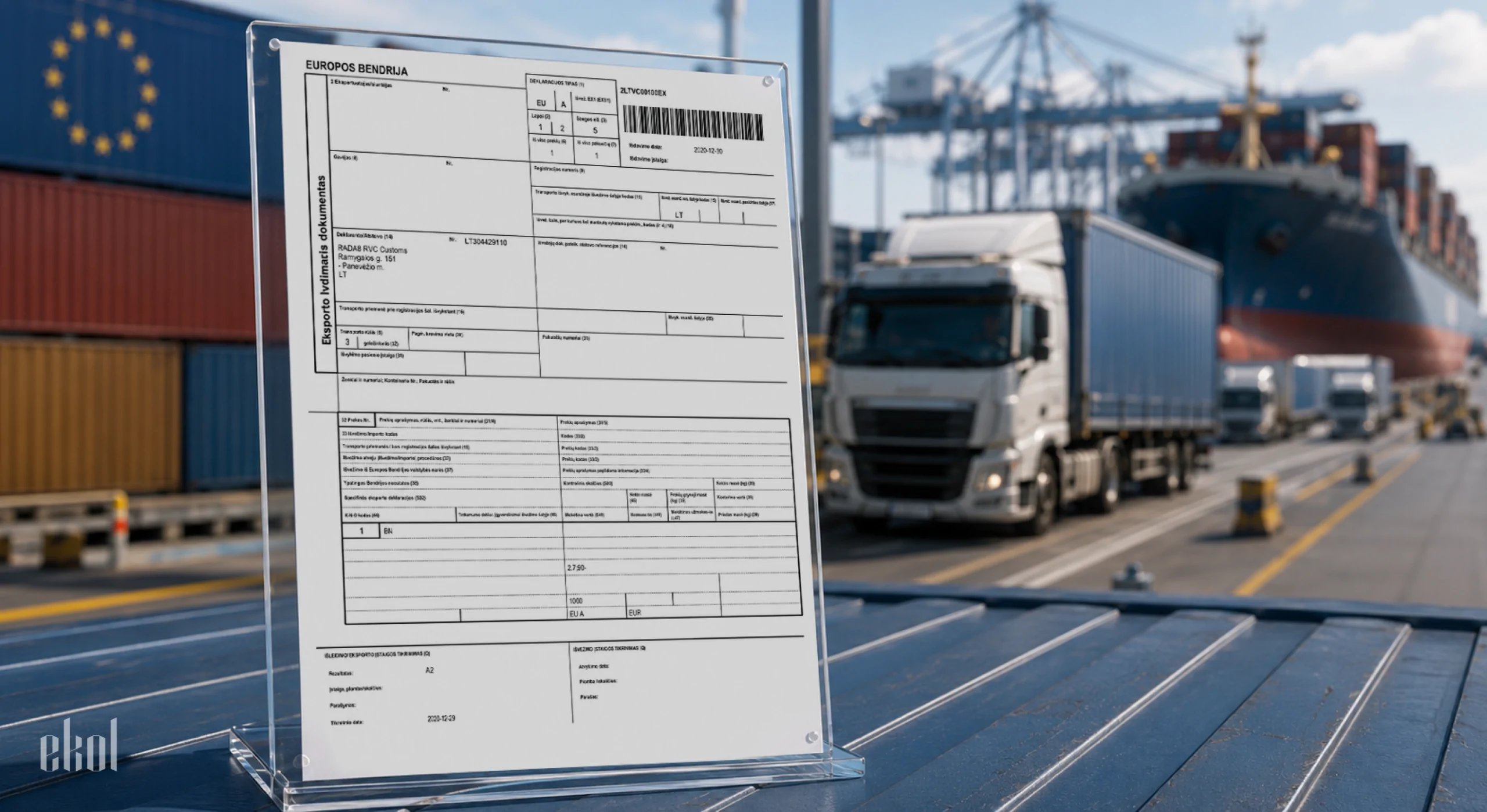
Export requires proper customs clearance and document preparation. For businesses, it is important not only to deliver the goods but also to successfully complete all procedures when crossing the border.
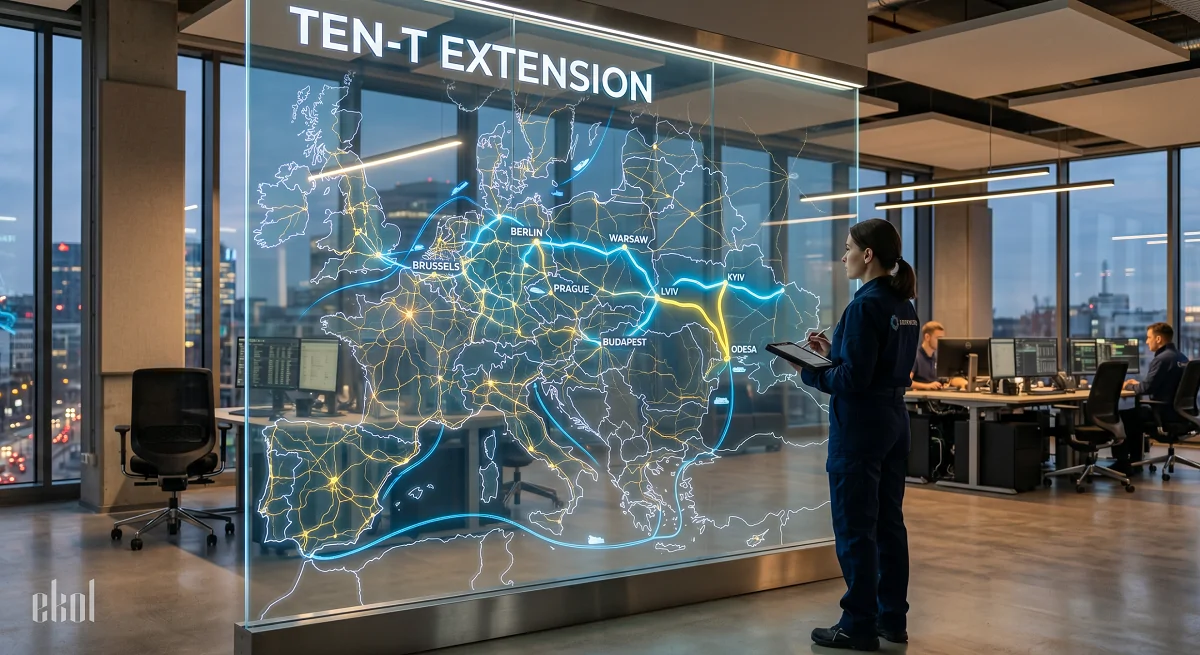
Entering the European Union market opens significant opportunities for Ukrainian companies. However, the success of such expansion depends on the ability to establish proper logistics.

Anna
Business development manager

Volodymyr
Business development manager

Artur
Business Development Manager
