

What are FTL, LTL, FCL, and LCL Shipments?
International logistics offers a wide range of shipment formats tailored to B2B clients. However, this variety often creates more questions than answers, especially when it comes to choosing the right transport method for your needs. In this guide, you'll learn how to choose between FTL and LTL shipping, and what the key advantages and drawbacks of FCL and LCL are.

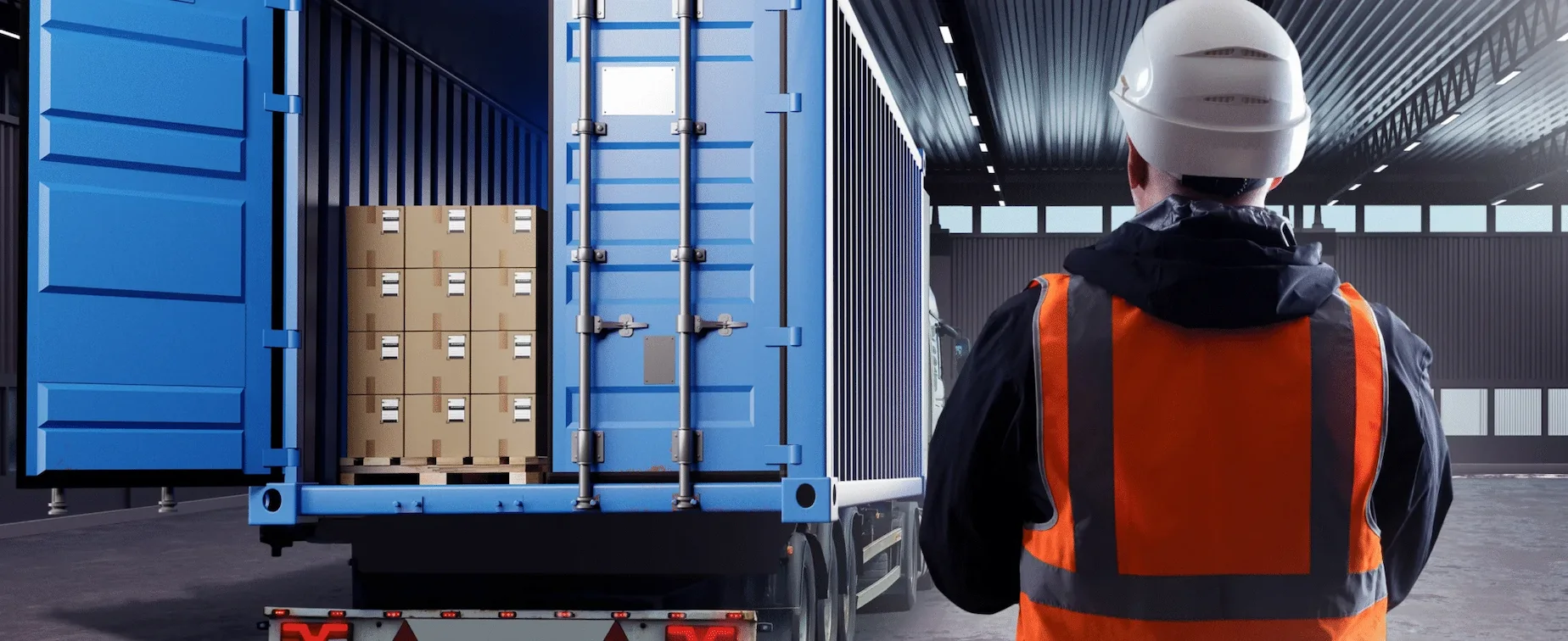
What Is FTL Shipping and Its Key Features?
FTL (Full Truckload) is a transportation method in which the entire truck is reserved for a single customer’s shipment. The cargo is loaded at the origin and delivered directly to the destination with no intermediate stops, transfers, or co-loading with other clients’ goods (unless specifically requested by the customer).
Key Advantages of FTL Shipping:
- Convenience: The vehicle and cargo space are fully allocated to one customer, allowing for complete control.
- Speed: The truck follows a direct route without detours to hubs or stops for additional loading.
- Reliability: As only one shipment is on board, the risk of delivery errors (e.g., misrouting or mixing with other clients’ goods) is significantly reduced.
The primary drawback of FTL shipping is cost. Since the entire truck is dedicated to one customer, the client bears the full transportation expense. This differs from LTL (Less Than Truckload) shipping, where the cost is shared among multiple clients based on the weight and volume of each individual shipment.
What Is LTL Shipping and Its Key Features?
LTL (Less-than-Truckload) is a type of freight transportation that involves combining multiple shipments from different customers into a single truck. It is suitable for businesses that occasionally ship small volumes of goods or larger volumes to multiple destinations.
Key advantages include:
- Lower service cost, as the total shipping expense is shared among several clients.
- Service flexibility, since multiple unloading locations can be scheduled for small freight batches.
- Environmental benefits, as partially loaded trucks make fewer “empty” trips, reducing carbon emissions.
Potential drawbacks include slightly longer delivery times, as the route is built to accommodate delivery points for shipments from different customers.
To be fair, shipments are typically consolidated in a way that minimizes overall delivery time for all clients. Alternatively, a drop model may be used, where consolidation happens at various stages of the logistics chain.
What Is FCL Shipping and Its Key Features?
FCL (Full Container Load) is a type of logistics service primarily used in ocean, rail, and air freight, that is, in international logistics. The service focuses on loading and shipping a container filled exclusively with cargo from a single customer.
Key advantages of this logistics method include:
- Lower shipping costs, especially when long-term agreements with carriers are in place.
- Faster delivery times, as the supplier fills the entire container, which accelerates the loading and dispatch process.
- Higher security standards, since the container is sealed at the point of origin and remains unopened until it reaches its destination. Additionally, shipments are typically insured.
The main consideration is the requirement to rent and fully utilize the entire container, making this service most suitable for clients shipping large volumes of goods or oversized cargo internationally.

What Are LCL Shipments and Their Key Features?
LCL (Less-than-Container Load) is a service similar to LTL but used in the context of international logistics, where goods are delivered to the carrier’s warehouse. Shipments from multiple consignors are consolidated into a single container, which is then loaded onto the transport vehicle.
Key advantages of the service include:
- Cost savings, as transportation expenses are shared among all parties contributing cargo to the container.
- Flexibility and efficiency, allowing businesses to ship sizable volumes more affordably to multiple destinations.
- Operational convenience, as it enables companies to expand their geographical reach.
The drawbacks are typical for partial-load services. First, longer lead times, potential shipping delays if container consolidation takes time, and reduced route control. Second, there may be delays in cargo retrieval, as unloading often requires the presence of all consignees to unseal the container.
Nevertheless, LCL remains a cost-effective solution when there’s a need to ship considerable volumes to various locations.
Summary
FTL, LTL, FCL, and LCL are types of freight transportation that have several key differences. For example:
- The difference between FCL and LCL lies in whether a container is used exclusively for one customer’s shipment (FCL) or consolidated with goods from multiple customers (LCL).
- The difference between FTL and LTL lies in whether a truck is used solely for one customer’s freight (FTL) or consolidated with shipments from various clients (LTL).
- In other words, full load shipping is the best option if you have enough cargo to fill a container or truck, as it allows faster delivery to the destination.
- Less-than-load shipping is ideal for transporting smaller shipments to multiple destinations while reducing logistics costs.
However, understanding what FTL shipping means is not enough, you also need to choose a provider that offers the exact service you require. For example, Ekol’s team provides a full range of services, including FTL, LTL, FCL, and LCL.
read more
Similar articles
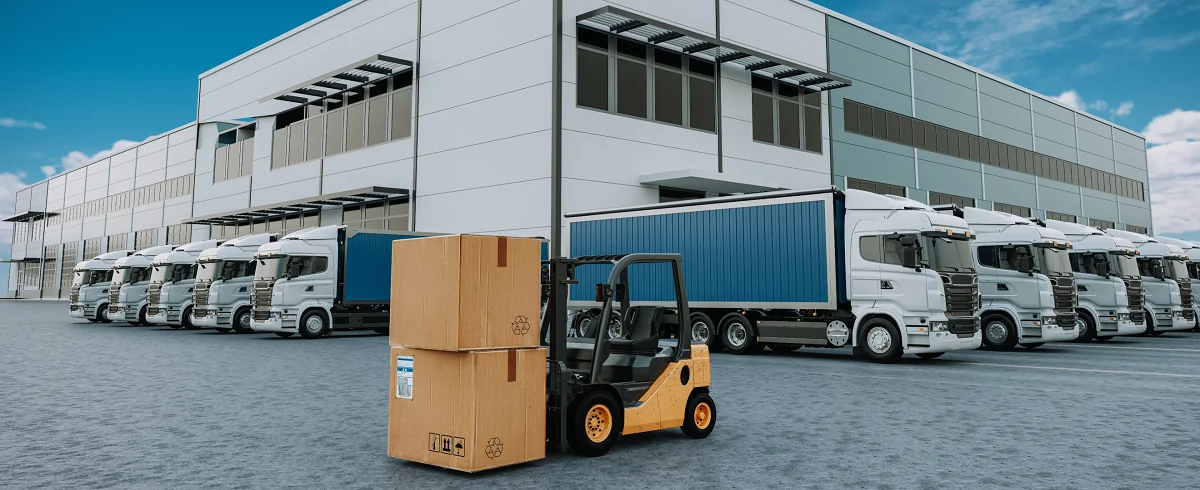
For a business, a logistics company is one reliable partner instead of a dozen separate contractors. It handles communication with carriers and quickly resolves force-majeure situations on the road

Without reliable delivery, a farmer’s harvest won’t reach the market on time. A logistics company for a farmer is not just a service provider — it’s a partner on whom the financial outcome of the season depends.

On the night of July 19, 2026, a massive missile attack severely damaged the Ekol Logistics distribution center located in the AMTEL logistics complex.
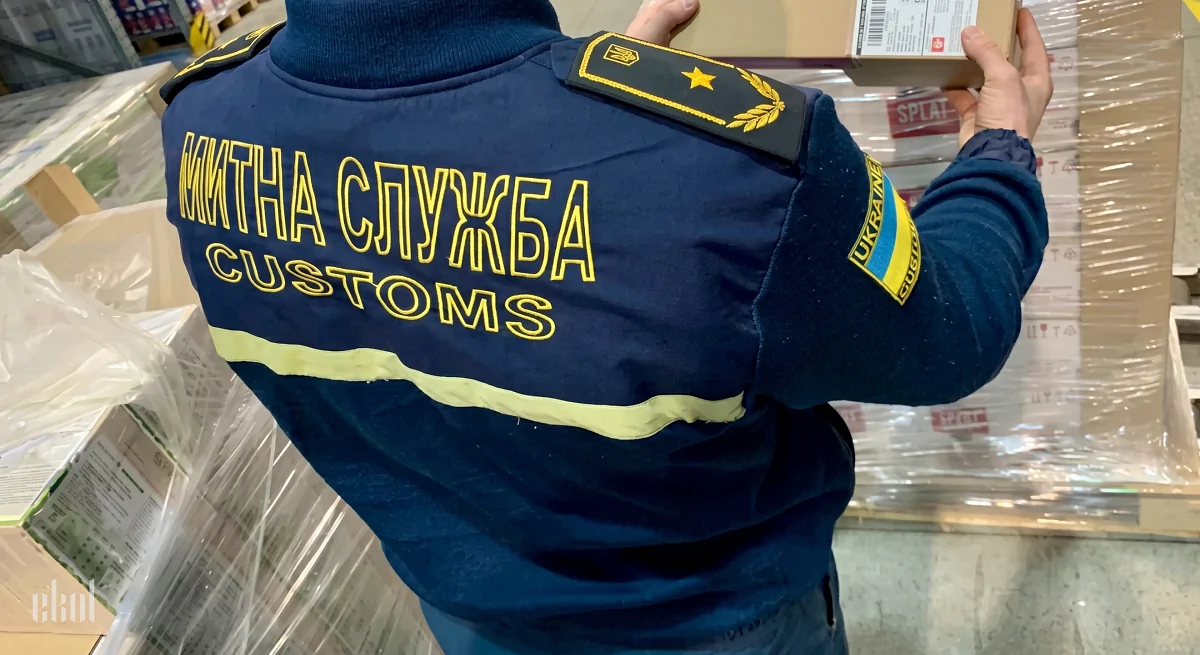
The changes for Ukrainian exporters in 2026 concern not only export clearance procedures but also the organization of shipments to EU countries.
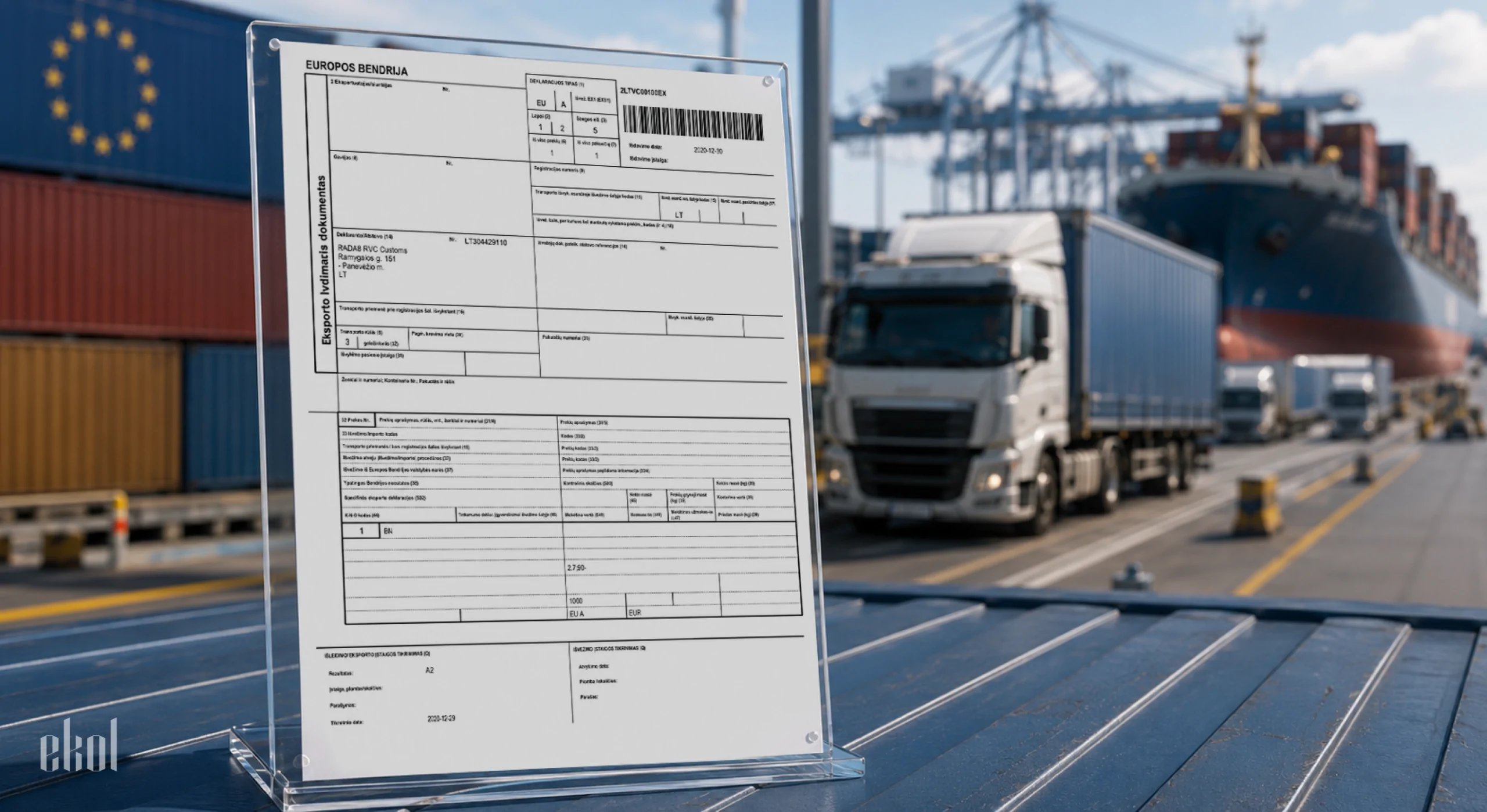
Export requires proper customs clearance and document preparation. For businesses, it is important not only to deliver the goods but also to successfully complete all procedures when crossing the border.

Entering the European Union market opens significant opportunities for Ukrainian companies. However, the success of such expansion depends on the ability to establish proper logistics.

Anna
Business development manager

Volodymyr
Business development manager

Artur
Business Development Manager
