

The Law on Multimodal Transportation

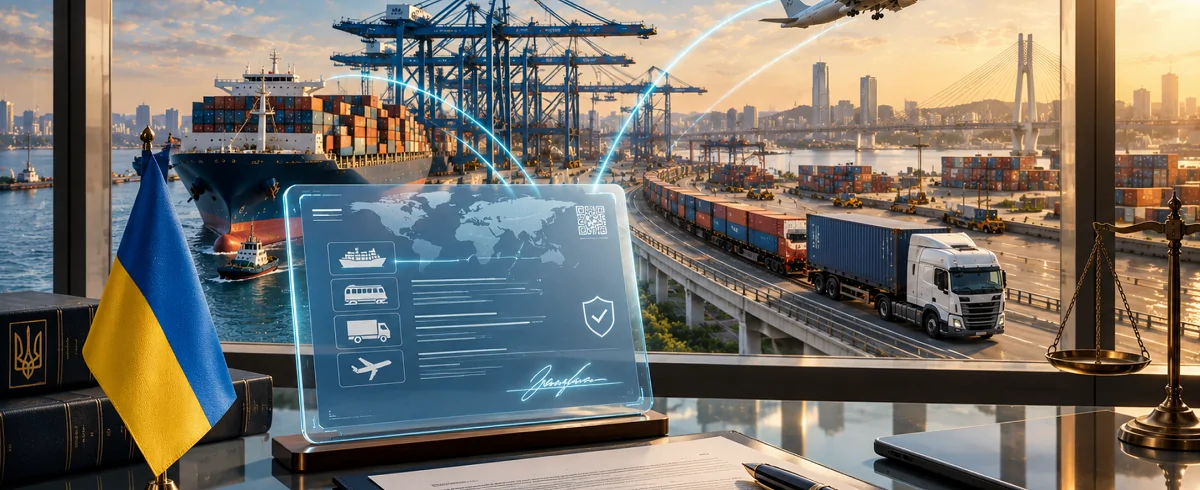
Back in 2021, Ukrainian legislation officially regulated the delivery scheme in which several modes of transport are combined for a single route.
Below, we’ll break down step by step how the legal regulation of multimodal transportation is structured and what real benefits these rules bring to commercial companies.
What a Logistics Company Is and What Functions It Performs
Today, this is no longer just a firm with trucks, but a full-fledged partner that manages the goods “turnkey,” from the sender’s door to the recipient’s warehouse.
The dedicated Law of Ukraine on Multimodal Transportation clearly spells out its key tasks:
- Analyzing and calculating the fastest and most cost-effective routes.
- Coordinating schedules for different modes of transport (for example, synchronizing a train and a truck).
- Making sure the goods arrive undamaged and in full volume.
- Resolving problems with queues or delays along the way.
Ekol specialists emphasize: modern logistics doesn’t rely on vehicles, but on precise mathematical calculation, and the client is primarily buying their own security and the guarantee that the shipment will reach the warehouse at a specific hour.
Main Areas of Work: Transportation, Warehousing, Customs Clearance
These three processes always go hand in hand:
- Transport. Moving cargo by truck, sea, or rail wagons.
- Warehouse operations. Storage, sorting, labeling to meet the requirements of large retail chains, and reliable packaging.
- Brokerage services. Fast customs declaration of goods, correct code selection, and hassle-free customs clearance without long queues.
When this entire chain is closed by one reliable logistics operator, the risk of errors or mix-ups disappears. It is precisely this kind of interaction that the current Law on Multimodal Transportation regulates and protects.
Stages of Organizing Transportation: From Order to Delivery
A serious transport company always guides the client through a clear plan:
- Receiving the order and assessing cargo parameters. Logisticians analyze weight, volume, temperature regime, and the final destination point.
- Choosing the delivery method and building the scheme. The specific modes of transport best suited for international shipments are selected.
- Preparing paperwork and insurance. A transport document, contracts, and an insurance policy are drawn up.
- Loading for container transportation and monitoring. The cargo is picked up from the warehouse and sealed, and tracking begins.
- Customs clearance and handover to the client. Crossing the border, arrival, and transfer to the recipient.
This chain of actions minimizes any unpleasant surprises.
The Role of the Dispatcher and Logisticians in the Process
Logisticians act as the architects of the route:
- They calculate potential bottlenecks at borders, look for alternative routes, and monitor changes in transit rules across countries.
- They coordinate drivers, monitor temperature sensors in refrigerated units, and quickly resolve problems if a vehicle gets stuck in a queue or breaks down.
The logistician’s work saves runs from delays when unplanned road circumstances occur.
Route Planning and Optimization
According to Ekol experts, professional planning helps reduce the client’s transportation costs, making their product more competitive on the market. Smart optimization allows businesses to save money. Multimodal delivery often turns out to be a cheaper option than a planned direct long-haul truck run.
Cargo grouping (consolidated shipments) means you don’t have to pay for an entire truck if you only need to deliver a single pallet.
Working with Documents and Customs Clearance
An error in an international waybill or certificate can hold a truck up at the border. Logisticians take on the paperwork routine: filling out CMRs, bills of lading, T1 transit declarations, and other specific forms.
An experienced broker knows the Law of Ukraine on Multimodal Transportation, the nuances of customs legislation, and transportation regulations, which helps avoid fines, confiscations, and disputes with customs authorities.
Insurance and Cargo Liability
The transportation industry is associated with risks such as traffic accidents and natural disasters. Reliable cargo insurance is the only way to protect a company’s working capital.
The Law of Ukraine on Multimodal Transportation and international conventions determine carrier liability based on the weight of the shipment rather than its actual value. That’s why arranging a full insurance policy is a mandatory step for valuable or fragile goods.
Cargo Tracking and Client Communication
Special monitoring systems make it possible to see the location of a container or truck in real time. The client receives automatic notifications as key points along the route are reached, making the entire process completely transparent.
Technology and Logistics Management Systems
The sector relies entirely on digitalization. Leading operators use specialized software:
- WMS systems control every square meter of the warehouse and optimize order picking.
- TMS platforms build optimal routes for vehicles and distribute loads.
- GPS and IoT sensors monitor speed, stops, and humidity inside the trailer.
These solutions help almost completely eliminate the human factor and the unfortunate errors associated with it.
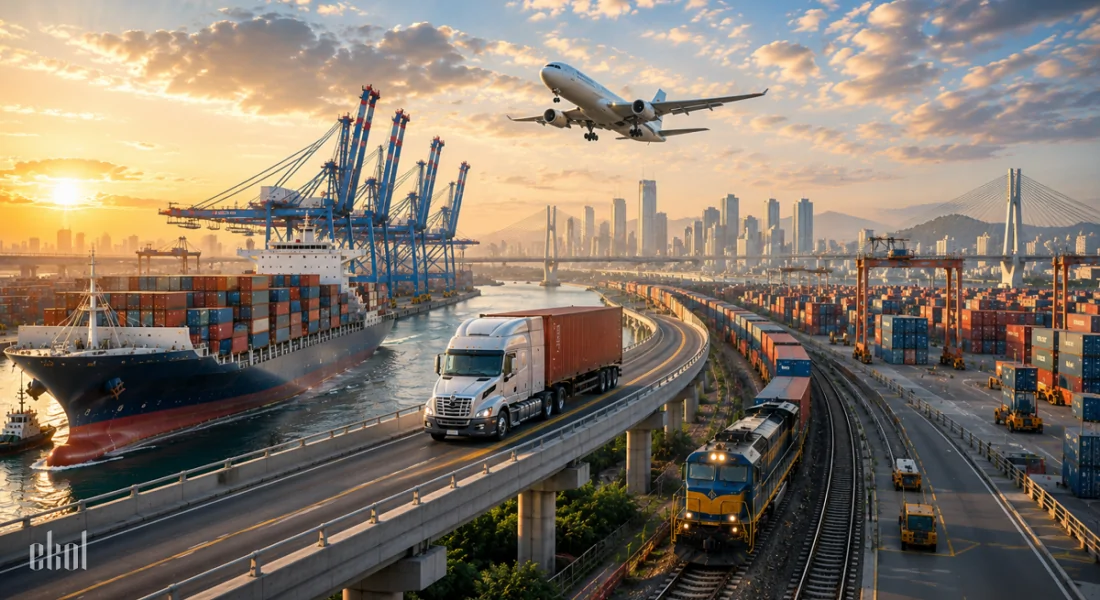
Benefits of Working with a Logistics Company
For modern businesses, maintaining their own fleet and a large staff of logisticians often becomes too expensive. Outsourcing these processes provides significant advantages:
- Flexibility. Shipment volumes can be easily increased or decreased depending on the season.
- Savings. Large logistics companies get discounts from shipping lines and railways that aren’t available to smaller individual firms.
- Speed. Experienced specialists know how to bypass border queues and get through customs control quickly.
This is especially noticeable when a client needs complex multimodal shipments that require minute-by-minute synchronization between different services.
Conclusion
For companies working with large volumes of imports or exports, mixed deliveries have become a key tool. The Law of Ukraine on Multimodal Transportation created a clear legal foundation for this. Its adoption made it possible to work according to understandable European standards.
The adopted Law of Ukraine on Multimodal Transportation significantly simplified the process of resolving disputes. Now the carrier’s liability to the client is direct. If goods are damaged somewhere in a port of another country, the business owner doesn’t need to sue a foreign terminal. All claims and disputes are settled directly with the operator with whom the agreement was signed.
FAQ
What is multimodal transportation?
The law defines multimodal transportation as the delivery of goods in which different modes of transport are combined within a single route — for example, rail, sea, and road. The main advantage is that the client works with a single contractor under one end-to-end contract.
When did the Law on Multimodal Transportation come into force in Ukraine?
This legal act has been in effect since 2021 (with amendments introduced in 2024). It laid a clear legal foundation and harmonized Ukrainian legislation with European standards.
Who is a multimodal transportation operator?
The Law of Ukraine on Multimodal Transportation defines the operator as a legal entity that assumes full financial and legal responsibility for the entire journey of the goods from the shipper’s door to the consignee’s door, even if third-party carriers are involved.
What is the operator’s liability for cargo loss?
It is fully liable for damage, loss, or shortage of cargo from the moment it is received until it is handed over to the recipient. The Law of Ukraine on Multimodal Transportation and international conventions determine the amount of compensation and the reimbursement rules, which are fixed in the specific contract.
How does multimodal transportation differ from intermodal transportation?
In an intermodal scheme, the cargo also travels by different modes of transport in a single container, but the client has to enter into separate agreements with the actual carrier at each stage.
read more
Similar articles
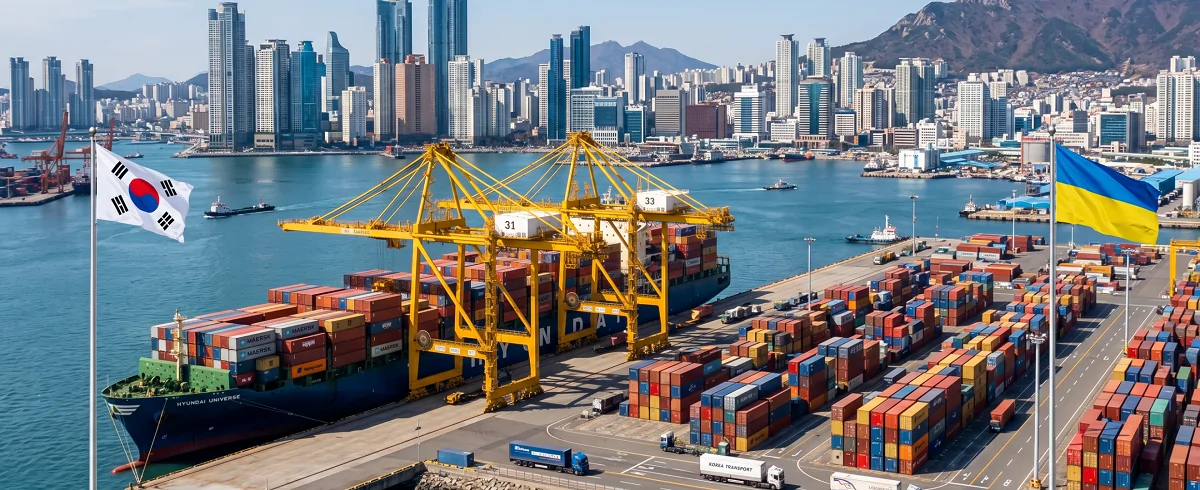
For years, the domestic market relied on purchases from the PRC, but the era of Chinese factory monopoly is gradually coming to an end. Entrepreneurs are turning to other Asian countries, weighing product quality and partner reliability.
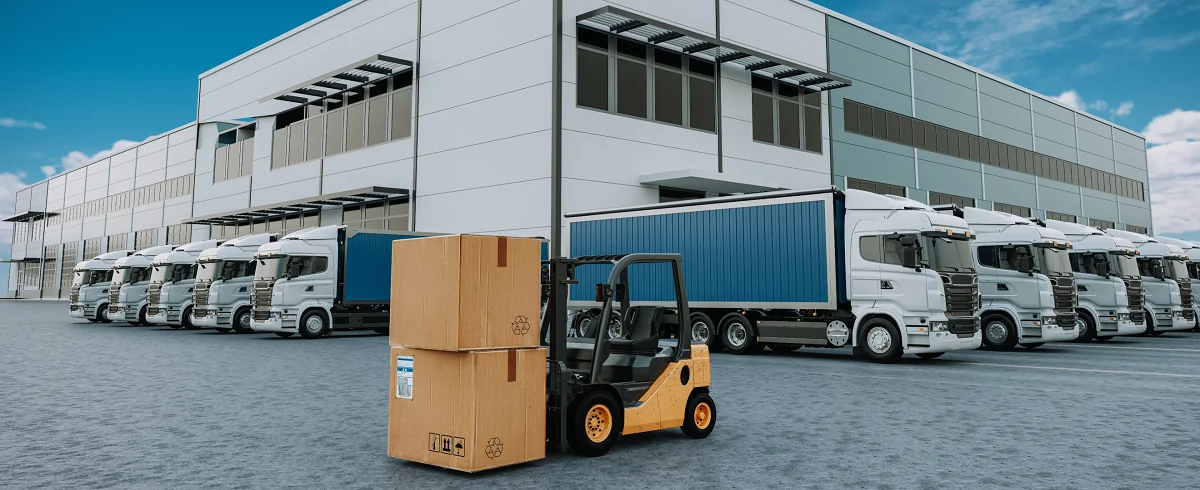
For a business, a logistics company is one reliable partner instead of a dozen separate contractors. It handles communication with carriers and quickly resolves force-majeure situations on the road

Without reliable delivery, a farmer’s harvest won’t reach the market on time. A logistics company for a farmer is not just a service provider — it’s a partner on whom the financial outcome of the season depends.
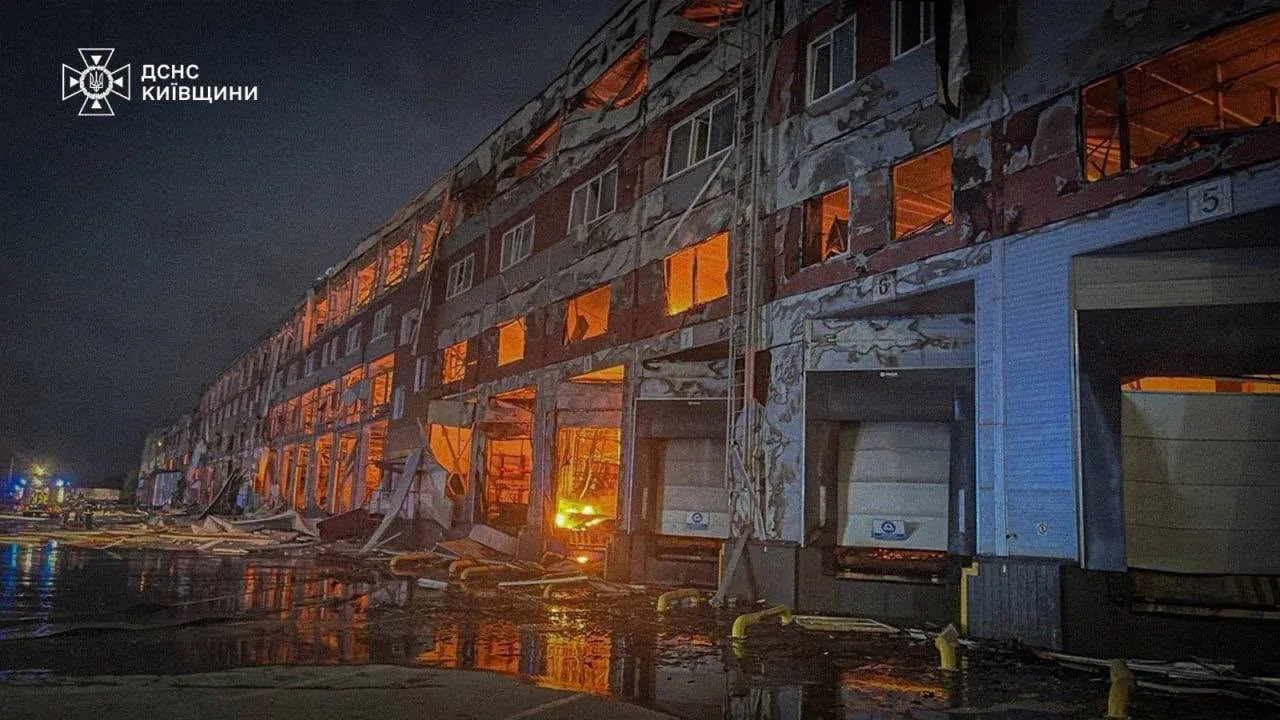
On the night of July 19, 2026, a massive missile attack severely damaged the Ekol Logistics distribution center located in the AMTEL logistics complex.
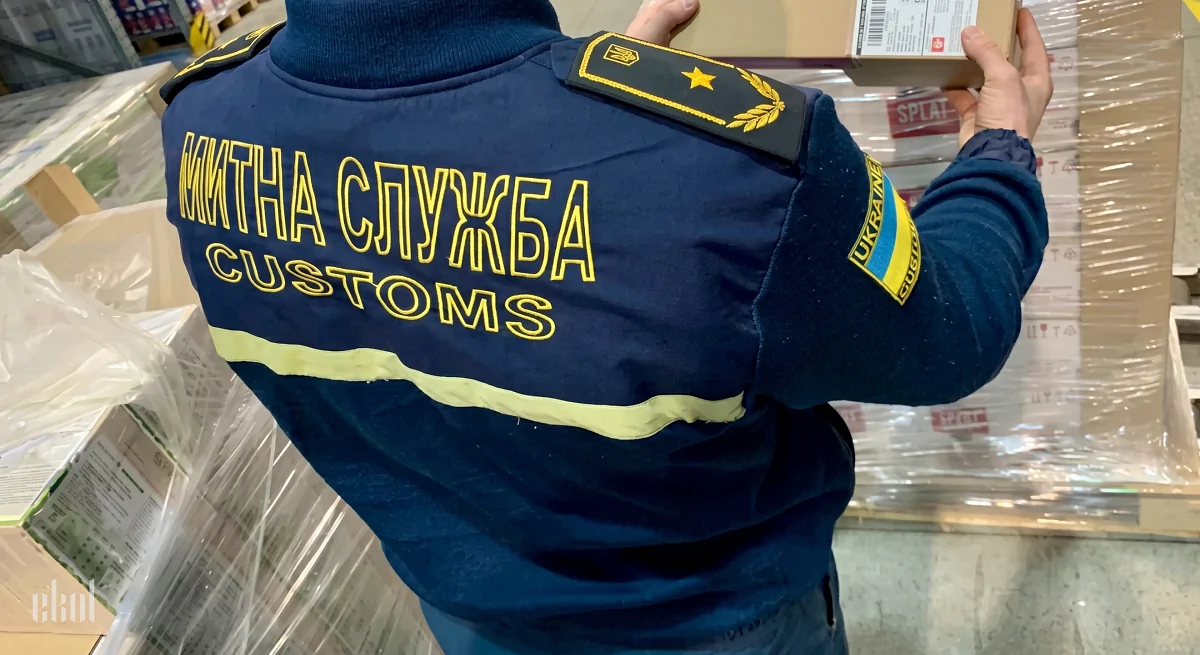
The changes for Ukrainian exporters in 2026 concern not only export clearance procedures but also the organization of shipments to EU countries.
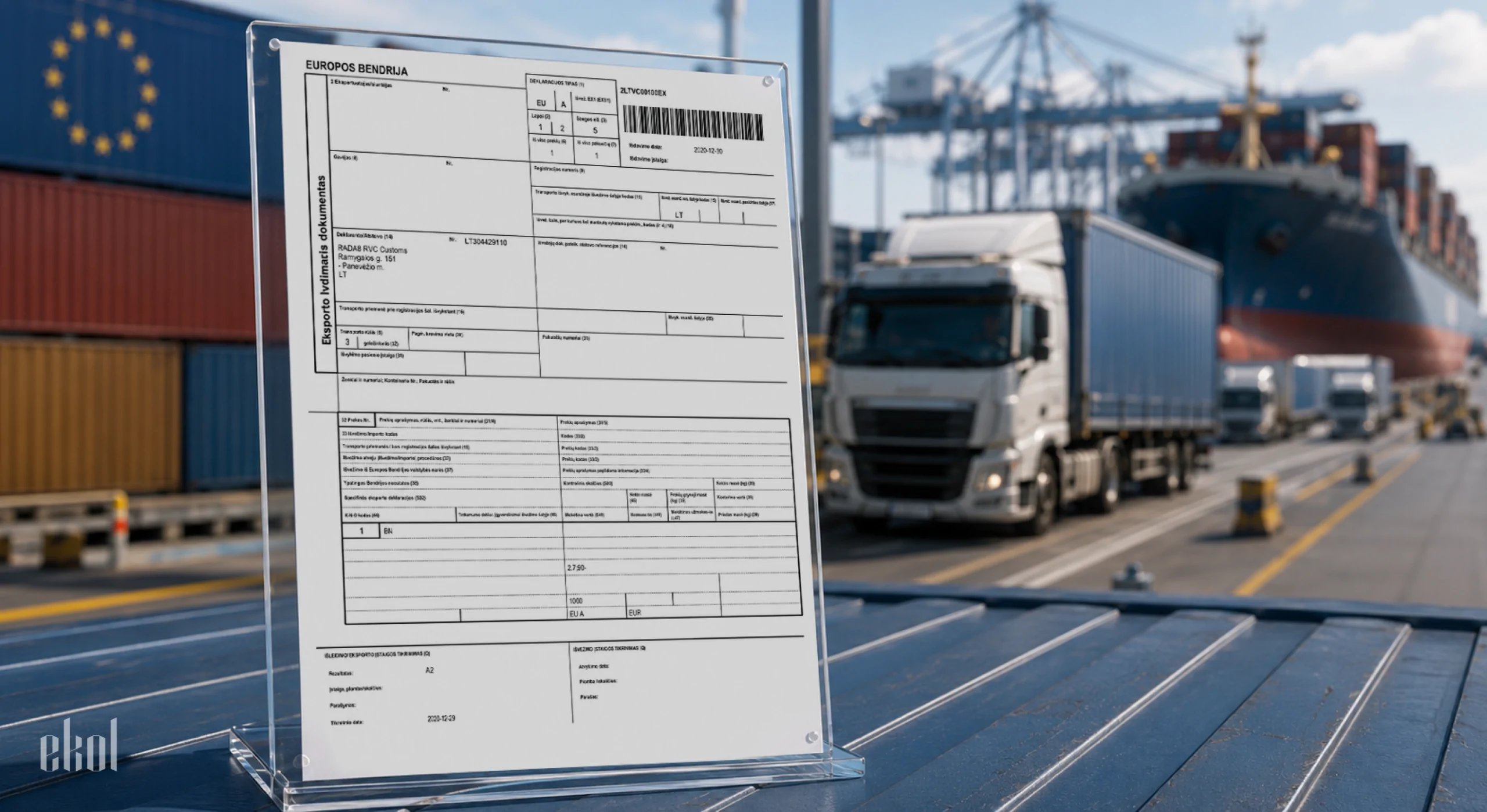
Export requires proper customs clearance and document preparation. For businesses, it is important not only to deliver the goods but also to successfully complete all procedures when crossing the border.

Anna
Business development manager

Volodymyr
Business development manager

Artur
Business Development Manager
