

EU Logistics Standards – How to Prepare Your Business

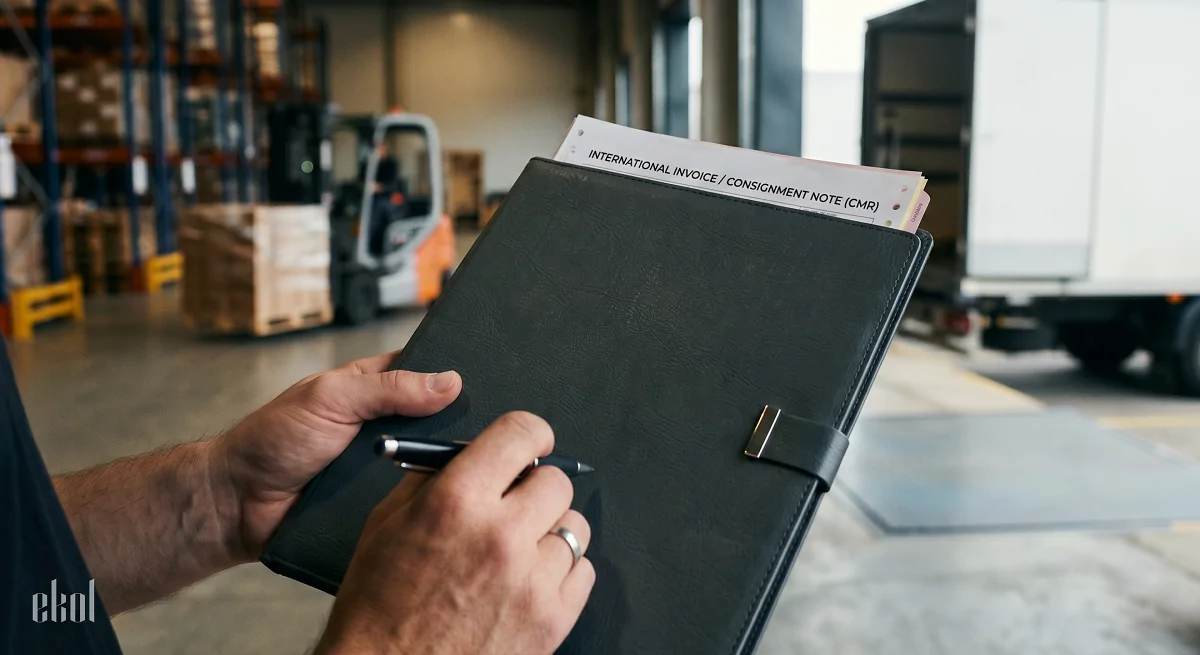
Entering the European Union market opens significant opportunities for Ukrainian companies. However, the success of such expansion depends on the ability to establish proper logistics.
To minimize border delays, businesses need to prepare a complete set of documents in advance, where properly formatted export documents for the EU play a key role.
What Are EU Logistics Standards
This is a clear system of rules that governs the movement of goods from manufacturer to end consumer. They are based on the principles of environmental responsibility, transparency, and maximum process speed.
Modern EU logistics for business requires full integration into a unified digital and legal space. The main goal of these regulations is to ensure the smooth functioning of the internal market.
Key EU Logistics Requirements
EU logistics standards cover transportation, storage, product labeling, and accompanying documentation. The key factors here are cargo safety and full traceability of the goods’ origin.
Companies must ensure that their distribution chain minimizes carbon emissions and complies with sustainable development principles. The main proof of your readiness to operate is properly formatted export documents for the EU.
Exporting Goods to the EU: Auditing Current Processes
Before starting sales, a company needs an in-depth internal audit. It is important to assess:
- order processing speed;
- transport reliability;
- IT system readiness.
Such an analysis will help identify “bottlenecks” that could slow down transportation or delay the export of goods to the EU.
Export Documents for the EU: Legal Nuances
Flawless accompanying paperwork is essential for commercial cross-border transportation. When organizing the export of goods to the EU, pay maximum attention to filling in every field.
A comparison of the basic documents included in the mandatory documentation:
| Document Name | Primary Purpose in Europe | Risks in Case of Error |
| Invoice (Commercial Invoice) | Official confirmation of cargo value | Customs value adjustments, fines |
| CMR Waybill | Recording the terms of international road transportation | Detention of the vehicle by carriers |
| TIR Carnet / T1 | Simplifying customs transit between countries | Requirement to pay financial guarantees |
“Thorough verification and legal integrity of accompanying forms is the only way to pass inspections without surprises. An inaccurate weight or error in the UKTZED code can hold up a vehicle for weeks,” notes the Ekol Logistics team.
Customs Clearance and Export Procedures
Official declaration in the system is a mandatory stage for every shipment. Properly completed customs clearance allows businesses to carry out the export of goods to the EU without obstacles.
The procedure involves:
- precise determination of the goods’ value;
- payment of duties;
- confirmation of country of origin.
It is important to prepare all export documents for the EU in advance to avoid supply chain issues.

Certification and Product Compliance with EU Requirements
Special certification is often required to confirm that your products meet strict safety standards. CE marking is mandatory for most industrial goods.
The cargo legalization algorithm for export:
- Identifying the technical directives applicable to a specific item.
- Conducting independent testing at accredited European or Ukrainian laboratories.
- Drafting an official declaration of conformity with technical regulations.
- Obtaining origin documents (e.g., EUR.1) for tariff preferences.
Comprehensive business preparation for EU export always begins with a detailed study of technical barriers and the rules of the specific destination country.
Logistics Digitalization and Electronic Export Documents for the EU
The EU is actively transitioning to paperless technologies in supply chain management.
European logistics standards require sending advance electronic notifications to customs authorities. The implementation of TMS-class solutions and digital e-CMR waybills significantly accelerates interaction among all process participants.
Choosing Reliable Logistics Partners
Independently navigating all the nuances of European logistics is extremely difficult. Professional supply chain management requires engaging experienced operators.
A reliable provider will handle optimal route planning and protect against operational errors. Moreover, a vetted partner will help flawlessly prepare export documents for the EU.
Optimizing Storage, Packaging, and Labeling
European hubs have strict guidelines regarding dimensions and pallets. Proper packaging protects cargo during long-distance transportation. Mandatory labeling must include information in the importing country’s language, barcodes, and environmental safety markings. Properly formatted export documents for the EU must fully correspond to every marking on the packaging.
Efficient storage at modern terminals helps optimize costs and ensures fast dispatch of goods to end customers.
Risk Management in European Logistics
Even perfect routing cannot protect against force majeure at the border or weather anomalies. A company must have clear action plans for such cases. Corporate compliance and cargo insurance minimize financial consequences.
Safe export of goods to the EU is always based on continuous risk monitoring and readiness to promptly adjust logistics schemes.
Practical Steps for Business Preparation
Start with staff training and adapting production equipment to EU logistics standards — and the subsequent export of goods to the EU will become a stable source of revenue rather than a generator of operational problems.
According to Ekol Logistics specialists, successful company adaptation consists of several stages:
- Obtaining the EORI customs number, without which no operation within the EU is possible.
- Adapting packaging to European pallets (800×1200 mm) for automated warehouse processing.
- Collecting information in advance on tariff and non-tariff regulation in your market segment.
Once the basic steps are completed, study the specifics of transportation in the EU for your cargo type. This will help avoid additional freight costs.
Conclusion
Working with European countries means following clear rules that are worth adhering to. Compliance with European requirements is precisely what helps businesses confidently expand their supply geography. To ensure that exports and imports proceed without delays, it is important to prepare export documents for the EU in advance and configure internal processes accordingly.
FAQ
What are the specifics of cargo insurance in Europe, and is it mandatory?
The standard CMR convention covers only a limited amount per kilogram. When a company prepares export documents for the EU for high-value goods, a basic policy will not cover losses. Safe European logistics requires additional “All Risks” insurance.
How should a customer calculate the volume of the first shipment when preparing export documents for the EU?
It is not necessary to charter a separate truck to get started. Convenient small-batch logistics allows sending consolidated cargo (LTL). You can prepare export documents for the EU for just a few pallets to test the speed of customs clearance.
What happens to the goods if the European recipient suddenly refuses to accept them?
The cargo is moved to a bonded warehouse. The subsequent logistics process involves three options: resale to another buyer, re-export to Ukraine, or disposal. In this case, the previous export documents for the EU are either fully voided or reissued by customs.
read more
Similar articles
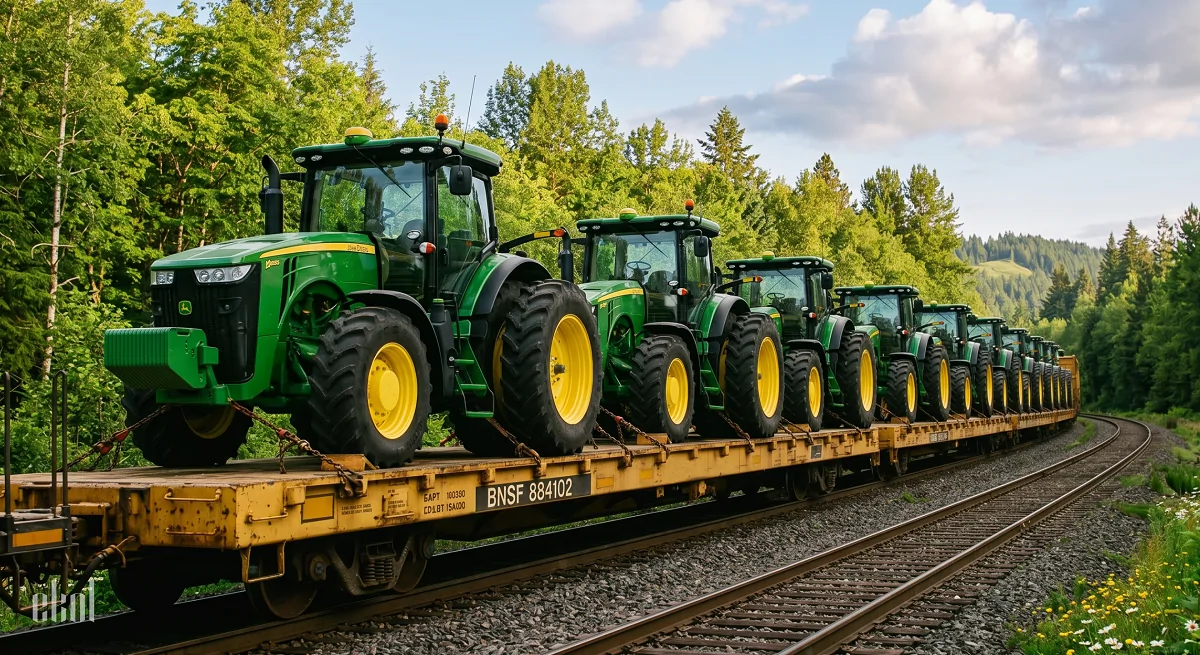
Proper tractor transport across Ukraine starts with assessing the machine’s dimensions and selecting the right type of transport. This approach helps avoid fines and delays along the route.
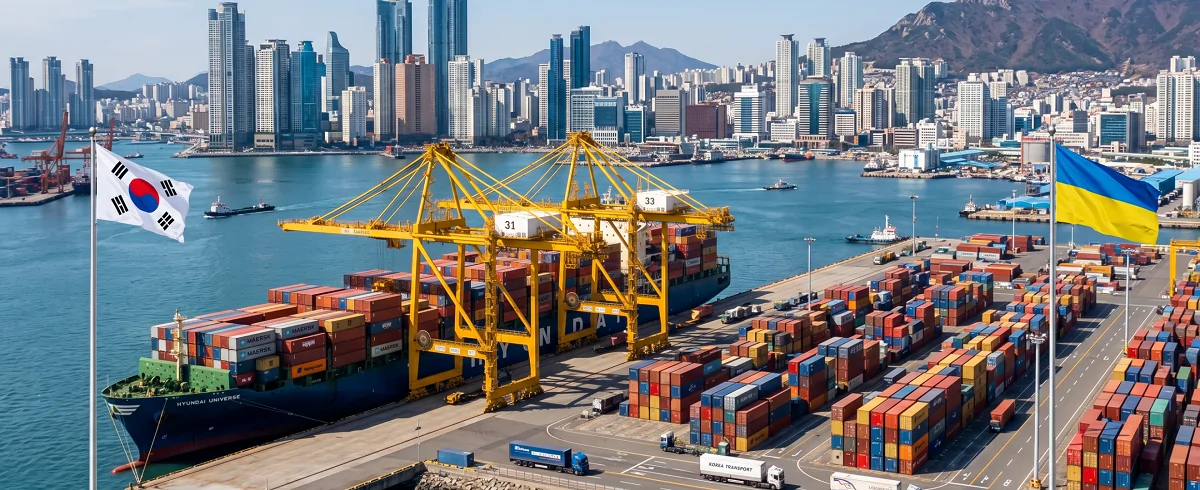
For years, the domestic market relied on purchases from the PRC, but the era of Chinese factory monopoly is gradually coming to an end. Entrepreneurs are turning to other Asian countries, weighing product quality and partner reliability.
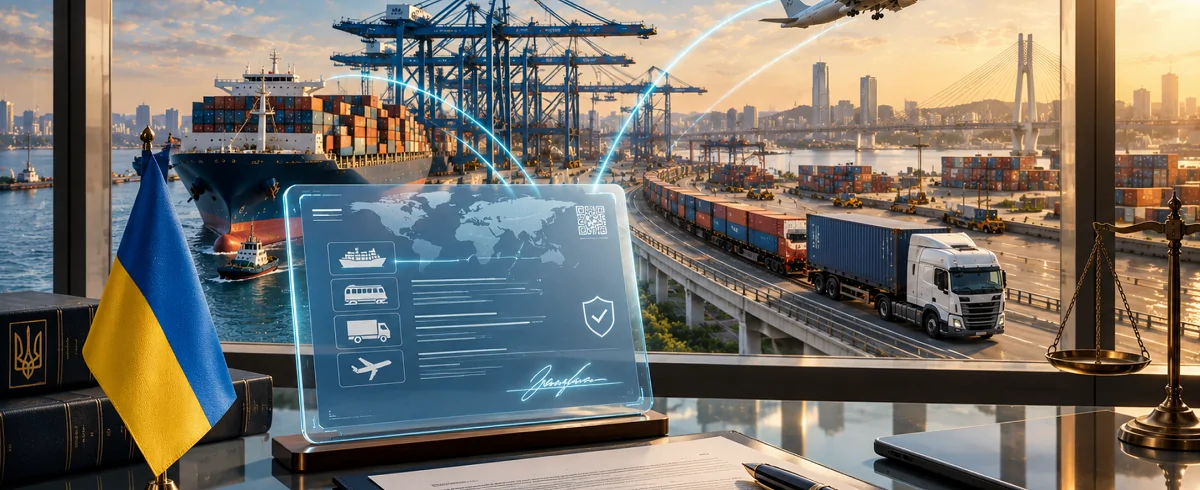
Back in 2021, Ukrainian legislation officially regulated the delivery scheme in which several modes of transport are combined for a single route.
For a business, a logistics company is one reliable partner instead of a dozen separate contractors. It handles communication with carriers and quickly resolves force-majeure situations on the road

Without reliable delivery, a farmer’s harvest won’t reach the market on time. A logistics company for a farmer is not just a service provider — it’s a partner on whom the financial outcome of the season depends.

On the night of July 19, 2026, a massive missile attack severely damaged the Ekol Logistics distribution center located in the AMTEL logistics complex.

Anna
Business development manager

Volodymyr
Business development manager

Artur
Business Development Manager
