

EXW vs FCA: What Are the Differences and Who Bears the Responsibility

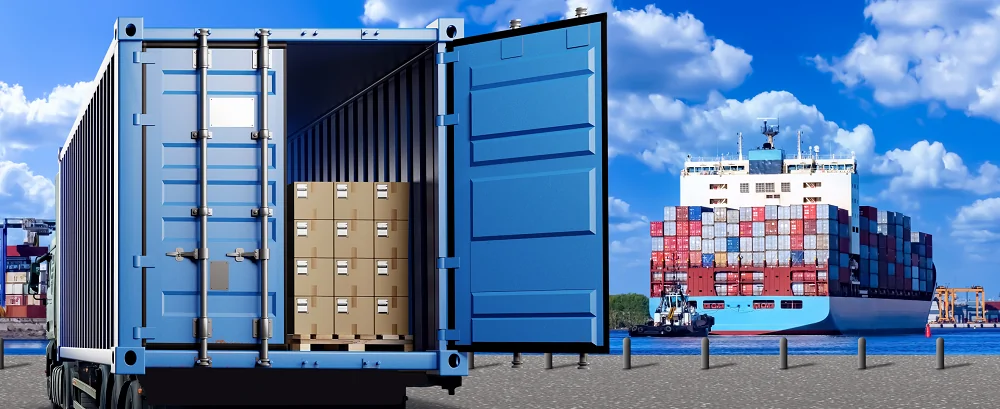
In international trade, even a minor detail in the contract between the seller and the buyer can affect transportation costs and delivery times. Delivery terms define the financial obligations of the parties, risks, and documentation procedures.
For efficient logistics, it is essential to clearly understand the key differences between EXW and FCA. These two basic terms determine how responsibilities are distributed. Below, we will take a detailed look at what they mean and how they influence the delivery organization.
What Are Incoterms Delivery Conditions
Incoterms (International Commercial Terms) are standardized rules that define the obligations of the seller and the buyer in the process of international trade. They regulate issues such as:
- shipment;
- delivery;
- transfer of risks;
- customs clearance;
- documentation.
The main purpose of these terms is to avoid misunderstandings between the parties to the contract.
Explanation of the Term EXW (Ex Works)
EXW means that the seller is obligated to make the goods available at their premises or another agreed place. The terms clearly define who pays for EXW transportation.
- The exporter is only responsible for preparing and packaging the goods. They are not responsible for customs clearance or delivery to the port.
- The importer organizes transportation and pays all shipping and insurance costs.
According to Ekol specialists, EXW delivery terms are suitable for sellers who do not want to take on additional logistical obligations. This minimizes their risks but transfers all responsibility to the buyer.
Explanation of the Term FCA (Free Carrier)
FCA means that the seller hands over the goods to the carrier at the specified location. From that moment, the risks are transferred to the buyer.
Main features of FCA:
- The exporter is responsible for delivery to the transfer point and for customs clearance.
- The importer organizes the further route, transportation, and insurance.
The Ekol team emphasizes that FCA delivery terms allow maintaining a balance of responsibility. The seller handles the initial logistics stage, while the buyer takes control afterward.
Key Differences Between EXW and FCA
The main difference between EXW and FCA lies in the place of delivery of the goods and the moment when the risk is transferred.
| Characteristic | EXW (Ex Works) | FCA (Free Carrier) |
| Place of delivery | Seller’s warehouse or factory | To the carrier at the specified location |
| Responsibility for transportation | Buyer | Exporter up to the carrier, then importer |
| Risks | From the moment goods are made available at the warehouse | From the moment goods are handed over to the carrier |
| Transportation arrangement | Buyer | Buyer after the handover |
Thus, EXW transfers obligations to the importer from the moment of dispatch, while FCA assigns them to the exporter up to the handover of the goods to the carrier.
Distribution of Responsibilities Between Seller and Buyer
A clear definition of obligations helps to avoid misunderstandings. Below is a table showing who is responsible for what under EXW and FCA terms.
| Obligations | EXW | FCA |
| Preparation and packaging | Seller | Exporter |
| Transport to the carrier | Buyer | Seller |
| Risk transfer | Upon dispatch | Upon handover to the carrier |
| Customs clearance | Importer | Seller (export) |
| Cargo insurance | Buyer | Buyer |
This helps both parties to plan their costs and coordinate their actions more effectively.
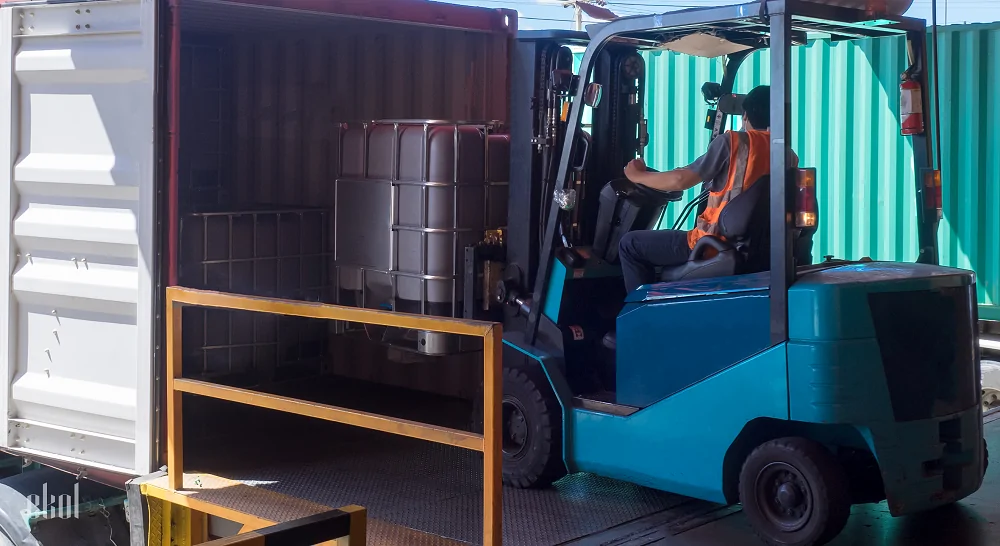
Who Pays for Delivery, Customs Clearance, and Risks
Under EXW terms, all expenses for transportation, route organization, insurance, and logistics fall on the buyer.
The buyer independently:
- selects the carrier;
- plans the route;
- controls the timing and conditions of transportation.
In addition, the buyer bears all risks from the moment the goods leave the seller’s warehouse, including possible damage, customs delays, or unforeseen expenses.
Under FCA, the seller is responsible for:
- export customs clearance;
- preparation of all required documents;
- delivery of the goods to the carrier at the designated location.
After the goods are handed over, further transportation costs are borne by the buyer.
Examples of Using EXW and FCA in Practice
EXW is suitable when:
- The seller does not want to be involved in logistics or does not have the resources to organize transportation.
- The buyer has their own carrier or a long-term contract with a reliable transport company.
- The cargo does not require complex documentation or special transportation conditions.
- The buyer wishes to control the entire supply process.
FCA is used when:
- The seller undertakes the obligation to deliver the cargo to the carrier or the designated place of shipment.
- The exporter has experience in customs clearance and is ready to ensure proper document preparation.
- The importer seeks to reduce risks at the initial stage of delivery by assigning part of the organizational tasks to the seller.
- The cargo is large or involves complex logistics.
In the practice of Ekol, FCA is often used for international road and multimodal transportation.
Which Terms Are More Advantageous for the Exporter and Importer
For the seller, EXW provides more advantages. They are responsible only for preparing, packaging, and making the cargo ready for shipment. This allows them to focus on production and sales.
For the importer, the FCA option is considered more convenient. The seller independently delivers the cargo to the carrier, ensures export customs clearance, and prepares the necessary documents.
Typical Mistakes When Choosing Delivery Terms
When concluding a contract between the parties, it is important to avoid the following:
- Choosing EXW without being ready to arrange transportation and customs documentation.
- Failing to take into account the place of cargo handover under FCA from the seller to the buyer.
- Not coordinating cargo insurance.
- Lacking a detailed contract that specifies all route and payment conditions.
A proper understanding of these terms and a thorough discussion of all details help ensure the smooth operation of the supply chain.
FAQ
What does the term EXW mean in international trade?
The seller hands over the cargo at their warehouse, while delivery, risks, and customs clearance are the buyer’s responsibility.
What are FCA delivery terms?
FCA involves handing over the cargo to the carrier at the designated location. The seller is responsible for shipment and export customs clearance.
What is the main difference between EXW and FCA?
It lies in where and when the risks and responsibilities transfer from the exporter to the importer. Under EXW, the buyer organizes the entire logistics process independently. Under FCA, the seller delivers the cargo to the carrier and handles export customs clearance.
Who is responsible for transportation under EXW?
The obligations and costs for transportation, insurance, and logistics fall on the importer.
Who handles customs clearance under FCA?
The exporter, while further transportation costs are borne by the buyer.
read more
Similar articles
For a business, a logistics company is one reliable partner instead of a dozen separate contractors. It handles communication with carriers and quickly resolves force-majeure situations on the road

Without reliable delivery, a farmer’s harvest won’t reach the market on time. A logistics company for a farmer is not just a service provider — it’s a partner on whom the financial outcome of the season depends.
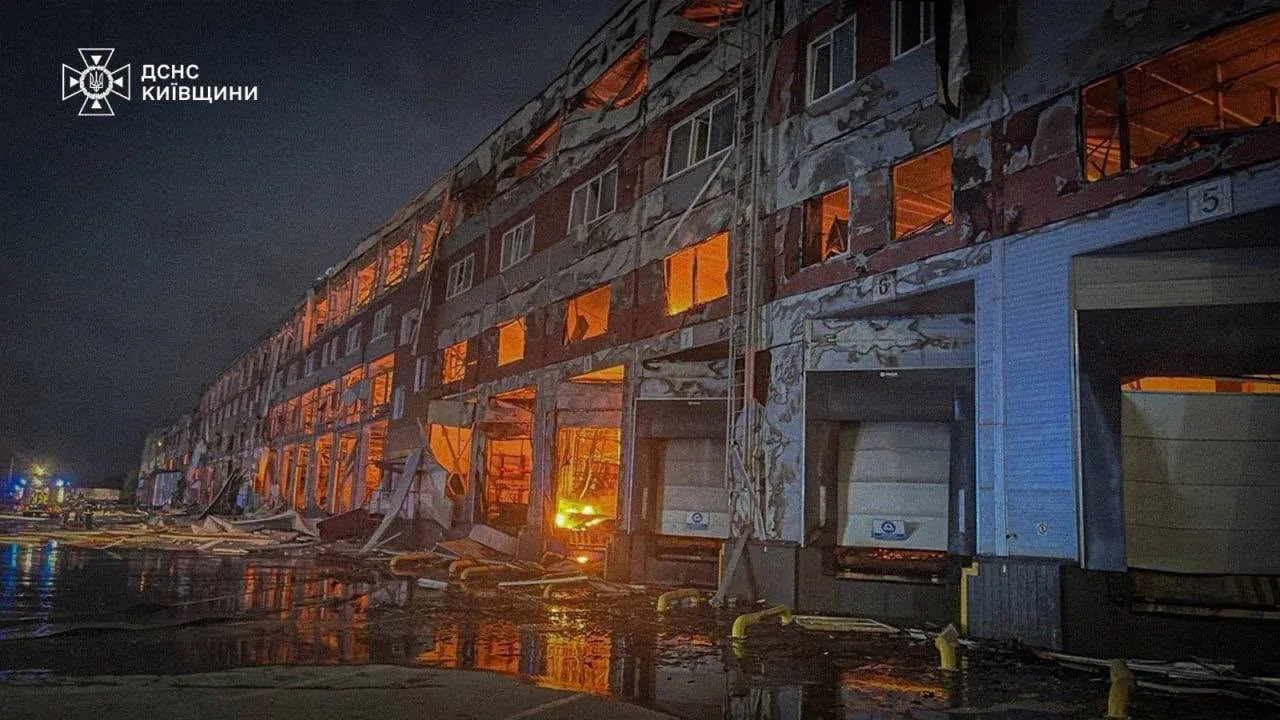
On the night of July 19, 2026, a massive missile attack severely damaged the Ekol Logistics distribution center located in the AMTEL logistics complex.
The changes for Ukrainian exporters in 2026 concern not only export clearance procedures but also the organization of shipments to EU countries.
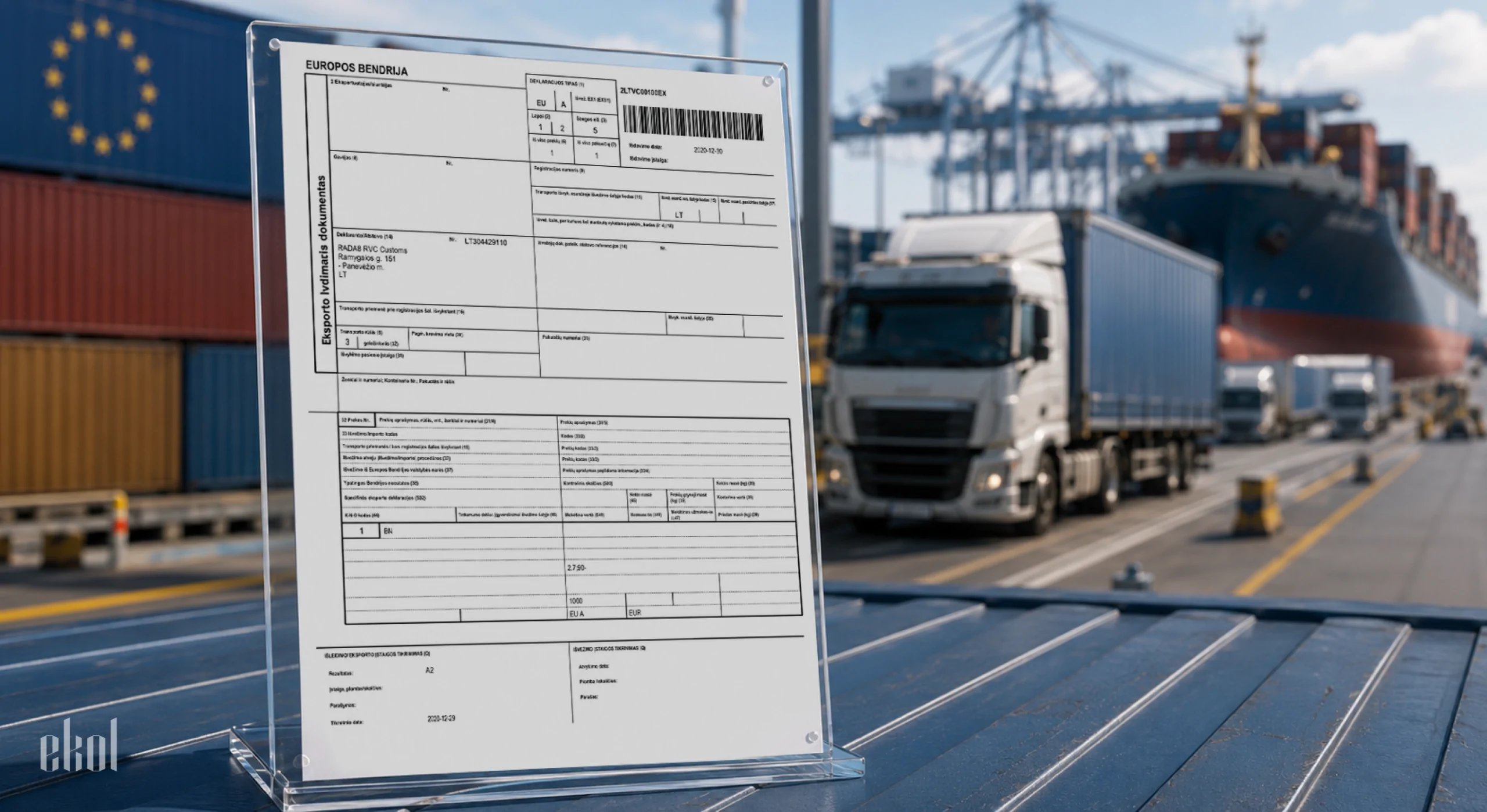
Export requires proper customs clearance and document preparation. For businesses, it is important not only to deliver the goods but also to successfully complete all procedures when crossing the border.

Entering the European Union market opens significant opportunities for Ukrainian companies. However, the success of such expansion depends on the ability to establish proper logistics.

Anna
Business development manager

Volodymyr
Business development manager

Artur
Business Development Manager
