

Analytics and Blog
Stay up to date with trends, the latest technologies and innovations in logistics

An electronic Consignment Note (e-Consignment Note) is a digital equivalent of the traditional Consignment Note. It replaces the paper form and enables automated document flow, cargo control, and seamless interaction between the carrier, sender, and recipient.
Incoterms (International Commercial Terms) are a set of officially recognized international rules and interpretations used in global trade.

Every leadership story begins the moment a person decides to step beyond their role. For Oleksii Severyn, that moment came when he realized that managing people is not about control but about helping others grow
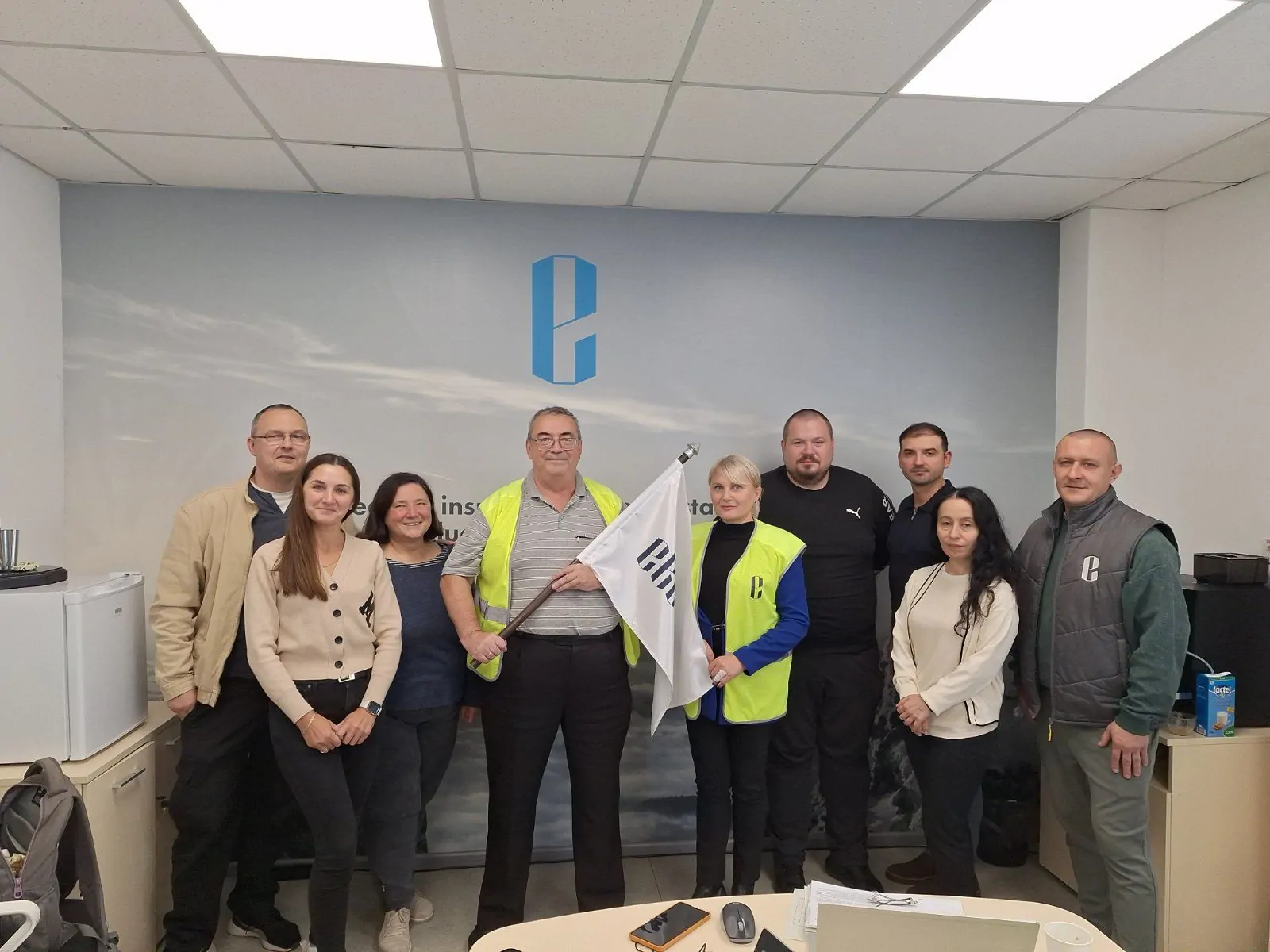
In October 2025, the logistics company Ekol successfully passed its first surveillance audit for compliance with the international standards ISO 9001:2015 (Quality Management System) and ISO 45001:2018 (Occupational Health and Safety Management System)

Logistics is gradually transforming. Innovation, energy-efficient solutions, and environmentally friendly technologies are becoming the driving force behind change in the industry.
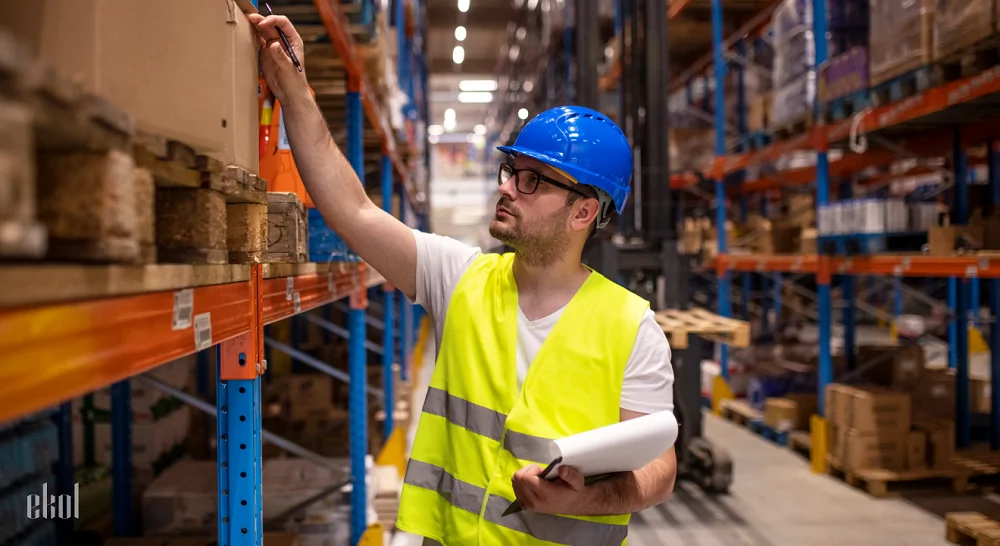
In a world where the delivery of goods is crucial for business, the profession of a logistician in a transport company becomes key.
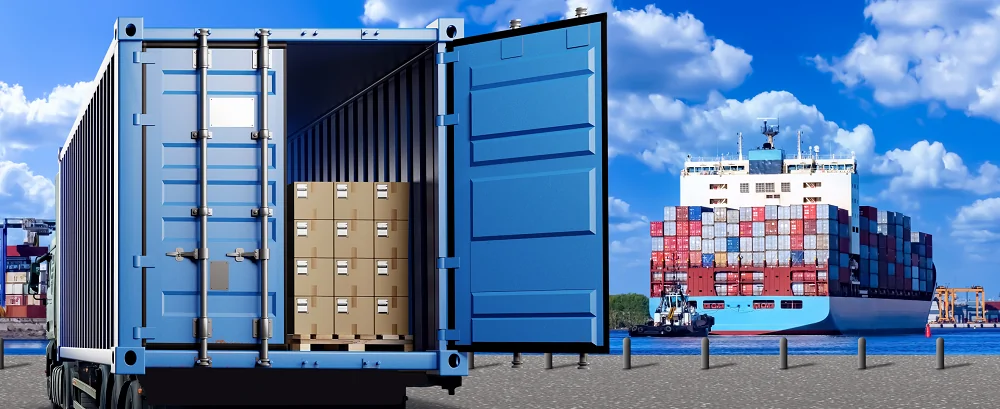
In international trade, even a minor detail in the contract between the seller and the buyer can affect transportation costs and delivery times.
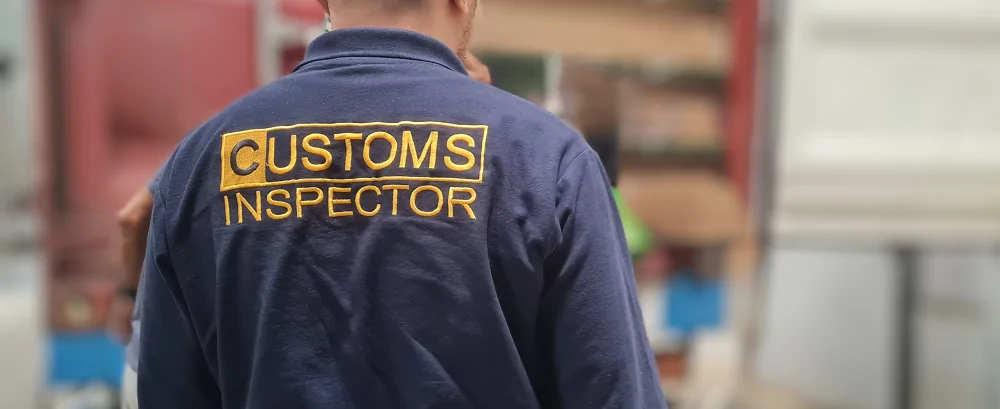
Global trade is developing extremely rapidly, so companies working with foreign partners must ensure stability and punctuality in the delivery of goods.
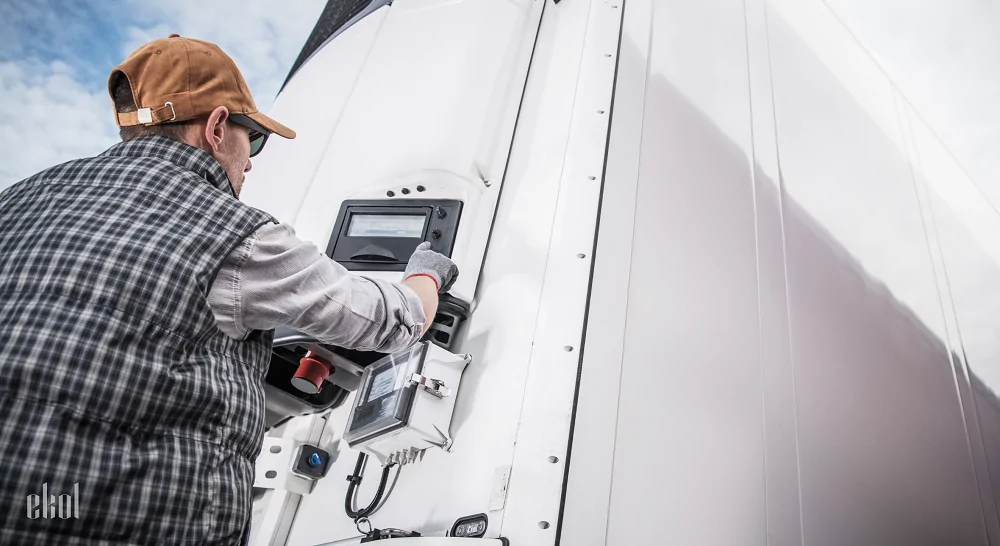
Proper transportation of frozen products is an important factor in preserving their quality, safety, and shelf life.

The business environment is becoming more and more unpredictable: technologies are evolving daily, competition is growing, and the logistics industry in Ukraine faces challenges that didn’t even exist a few years ago.
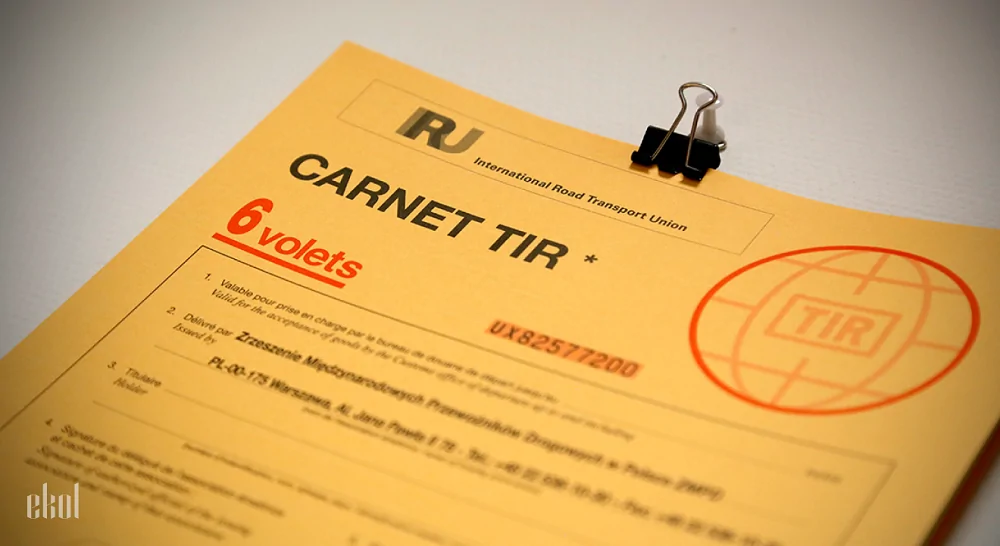
In the international logistics segment, where speed and efficiency of cargo transportation are of key importance, there are quite a few documents and procedures that regulate transportation.
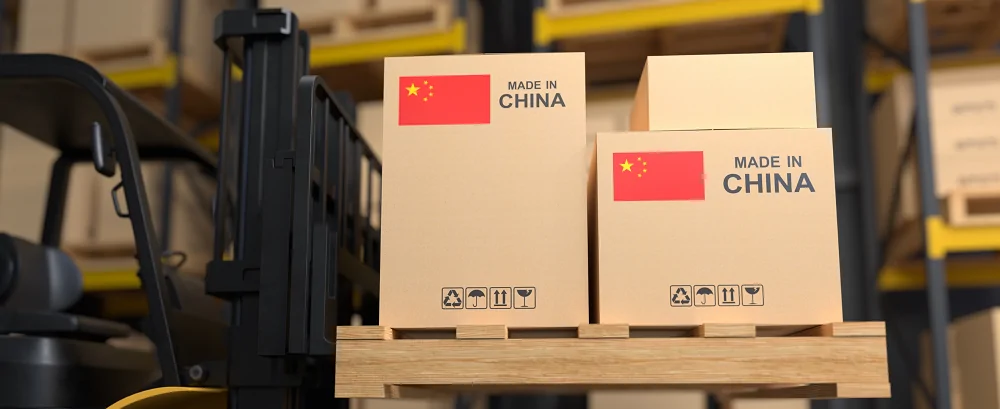
More and more Ukrainians are considering how to start a business in China and make it not only promising but also consistently profitable

Logistics and warehousing are constantly evolving. To succeed in this field, it is no longer enough to simply recruit staff responsibly.

Logistics is designed to ensure the continuity of supply for goods, raw materials, and services. However, the challenges of globalization, the growing volume of trade, and digitalization require entirely new approaches to managing these processes.
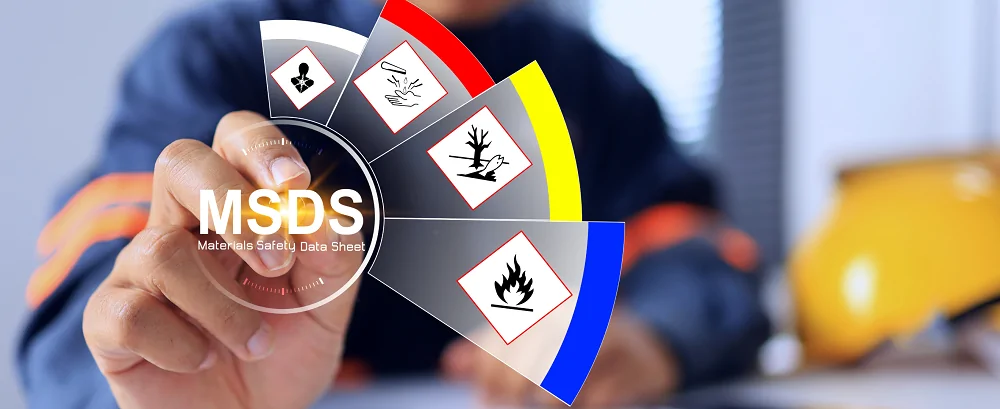
In today’s world, where chemistry underpins many manufacturing processes and substances of varying toxicity are transported across multiple countries, safety is paramount.

Anna
Business development manager

Volodymyr
Business development manager

Artur
Business Development Manager
