

What Is a Customs Broker: Definition and Role

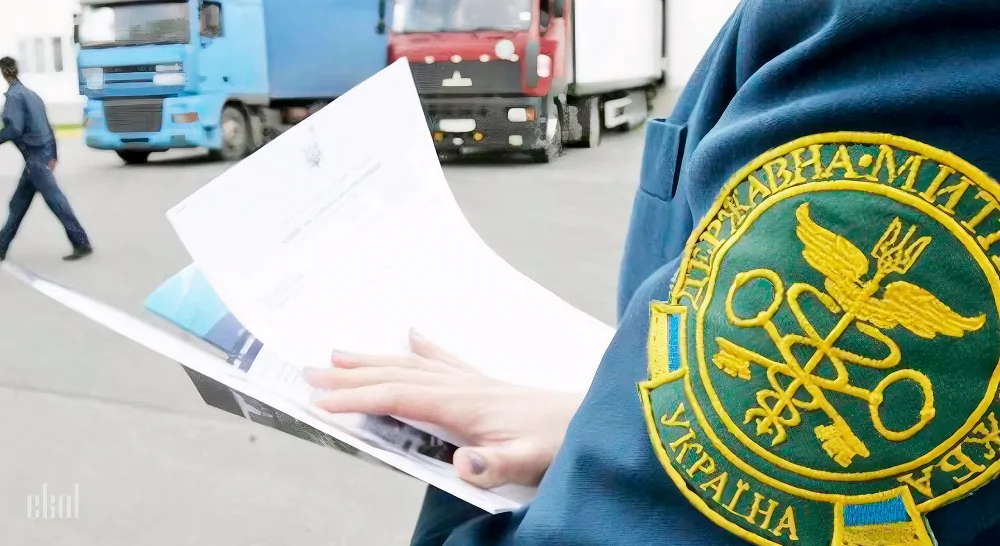
The word customs often makes businesspeople nervous, especially those dealing with frequent cross-border operations — inspections, declarations, compliance checks, and more.
In the last 7 months, Ukraine’s trade turnover reached $69.1 billion, of which more than $23.2 billion were exports.
Some customs clearance and declaration procedures are carried out directly by customs officials, while others are handled through customs brokers.
So, who is a customs broker, what do they do, and why is it useful to work with one? Let’s break it down.
Customs Broker Activities: Core Functions
The role of a customs broker is to manage supply chains — but not in the traditional sense. Beyond simple management, their responsibilities include:
- Preparing declarations, invoices, packing lists, certificates of origin, and other required documents.
- Acting on behalf of the client before customs, under a contract or power of attorney.
- Calculating duties, excise taxes, VAT, and other fees payable upon import or export.
- Finding legal ways to reduce payments (using benefits, preferences, correct product codes).
- Supporting clients during physical inspections of cargo and resolving disputes.
- Checking documents and labeling for compliance with Ukrainian and international standards.
- Coordinating customs clearance with carriers and warehouses to prevent delays.
- Challenging unlawful actions by customs authorities and assisting with claims.
- Providing the client with a complete package of finalized documents and reports after customs procedures.
In practice, a broker serves as a mediator between individuals or businesses and customs. But in reality, it’s a partnership that simplifies import-export operations significantly.
Customs Broker Responsibilities
| Obligation | Description |
| Compliance with customs law | Ensuring all actions meet the requirements of Ukraine’s Customs Code, bylaws, and international agreements. |
| Verification of documents | Checking contracts, invoices, bills of lading, certifications, and permits for accuracy. |
| Filing declarations | Preparing and submitting the electronic customs declaration (EMD) or other forms to customs. |
| Correct product classification | Assigning HS codes under the Ukrainian Classification of Goods for proper duty/tax calculation. |
| Payment calculation | Estimating customs duties, excise, VAT, and other required fees. |
| Client representation | Interacting with customs authorities, providing explanations, attending inspections. |
| Meeting deadlines | Ensuring clearance is completed on time to avoid fines or delays. |
| Confidentiality | Safeguarding clients’ commercial and customs information. |
| Consulting | Explaining procedures, requirements, and law changes to minimize risks. |
| Reporting and archiving | Keeping copies of customs documents and providing reports as required. |
How a Customs Broker Differs from Customs Authorities
Want to learn more about customs brokers? Let’s start with the basics: a broker is not a customs officer. Here are the key differences:
| Criteria | Customs Broker | Customs Authority |
| Status | Licensed private company or sole proprietor | State authority under the State Customs Service of Ukraine |
| Purpose | Commercial services for customs clearance on behalf of clients | State control over goods crossing the border |
| Functions | Consulting, preparing documents, submitting declarations, client representation | Document checks, inspections, duty collection |
| Accountability | Contractual liability to clients; administrative/criminal liability for violations | Administrative, criminal, and disciplinary liability to the state |
| Governance | Operates independently or within a company | Reports to the State Customs Service and Cabinet of Ministers |
| Income source | Client service fees | State budget (duties, fees) |
| Example | Fills out an electronic customs declaration for an importer | Reviews the declaration and conducts inspection |
In short: customs = control authority; broker = your representative within it. Of course, not for free.

How Much Do Customs Broker Services Cost?
There’s no single fixed answer — pricing depends on the broker or company you hire.
On average:
- Hiring a broker costs 2,000–6,000 UAH.
- A consultation may cost from 300 UAH.
The final price depends on:
- Customs regime: import, export, temporary import, re-export.
- Cargo complexity: number of HS codes, dangerous or specialized goods, licensing needs.
- Volume and frequency: large regular shipments may get discounts.
- Location: services in ports (e.g., Odesa) or Kyiv may differ in cost.
- Individual terms: some brokers use fixed rates, others offer custom pricing.
It’s always wise to compare several options before signing an agreement — or simply rely on a logistics provider that already includes broker services in its package.
Cooperation Process: Step by Step
All you need to do is sign a representation agreement, hand over your documents and cargo. In some cases, additional data or your presence may be required during clearance.
If you work with Ekol, you don’t have to think about customs brokers at all — their services are already included in our partnership. That means you can focus on your business, while we handle the logistics.
read more
Similar articles
For years, the domestic market relied on purchases from the PRC, but the era of Chinese factory monopoly is gradually coming to an end. Entrepreneurs are turning to other Asian countries, weighing product quality and partner reliability.
Back in 2021, Ukrainian legislation officially regulated the delivery scheme in which several modes of transport are combined for a single route.
For a business, a logistics company is one reliable partner instead of a dozen separate contractors. It handles communication with carriers and quickly resolves force-majeure situations on the road

Without reliable delivery, a farmer’s harvest won’t reach the market on time. A logistics company for a farmer is not just a service provider — it’s a partner on whom the financial outcome of the season depends.
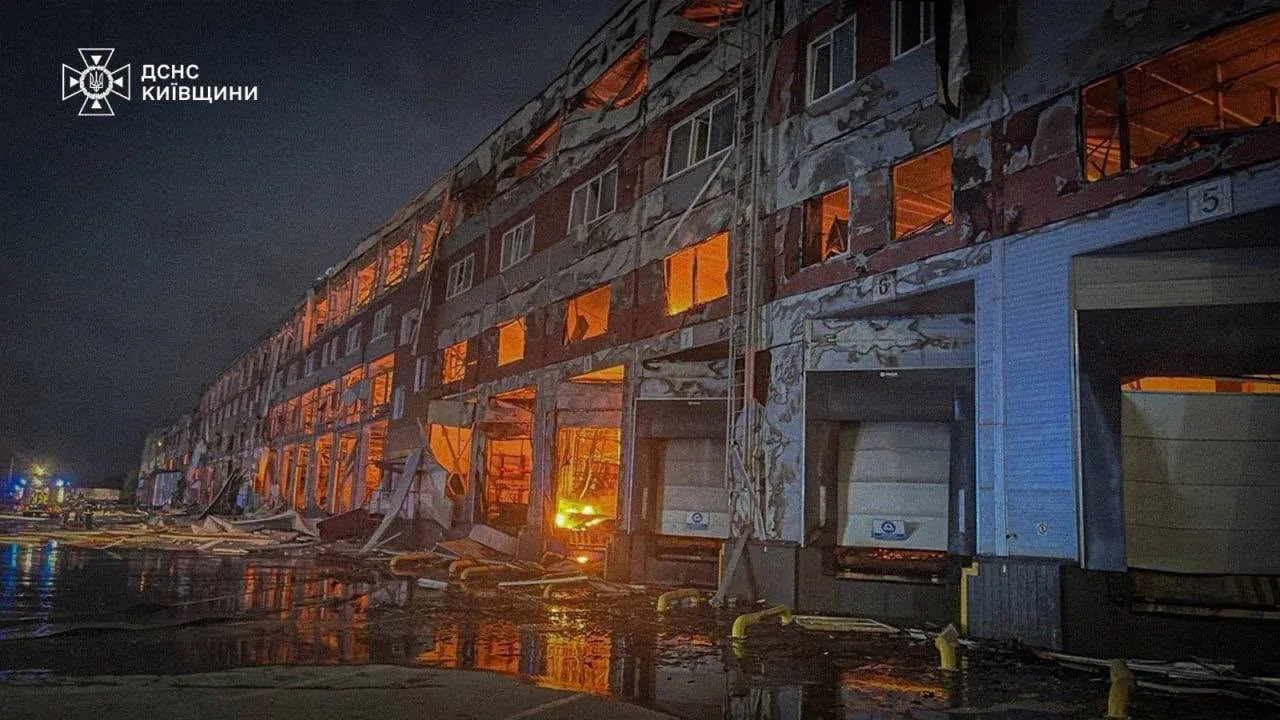
On the night of July 19, 2026, a massive missile attack severely damaged the Ekol Logistics distribution center located in the AMTEL logistics complex.
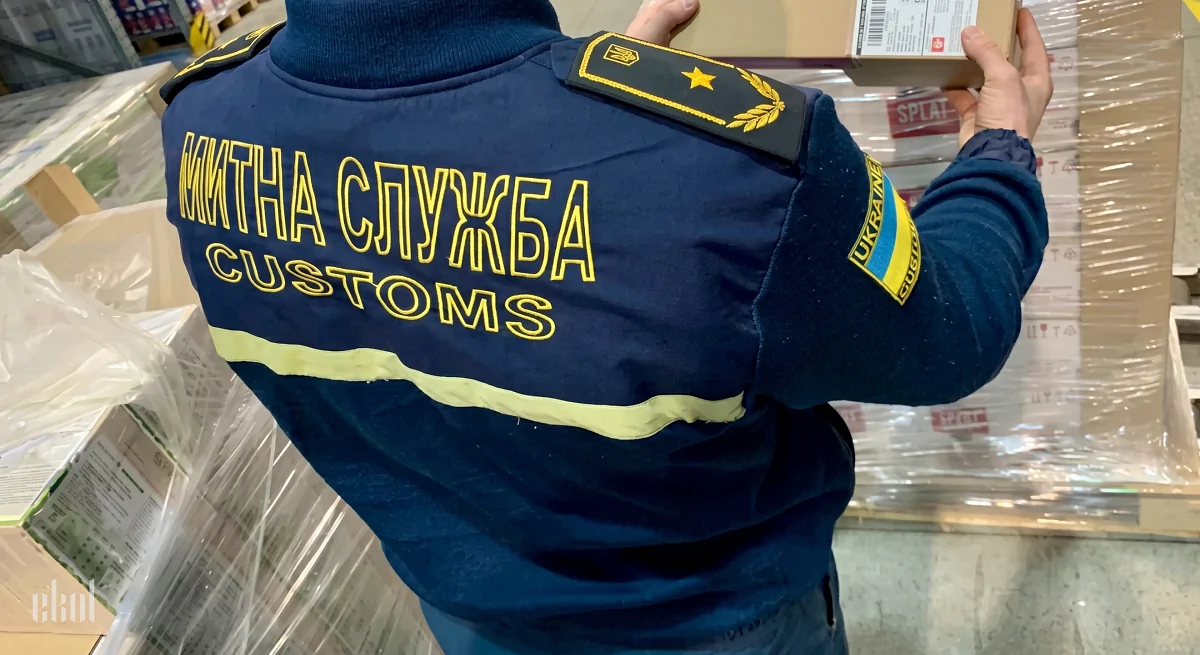
The changes for Ukrainian exporters in 2026 concern not only export clearance procedures but also the organization of shipments to EU countries.

Anna
Business development manager

Volodymyr
Business development manager

Artur
Business Development Manager
