

Ukraine as an Integral Part of Europe’s Logistics Infrastructure: The Most Promising Regions for Development

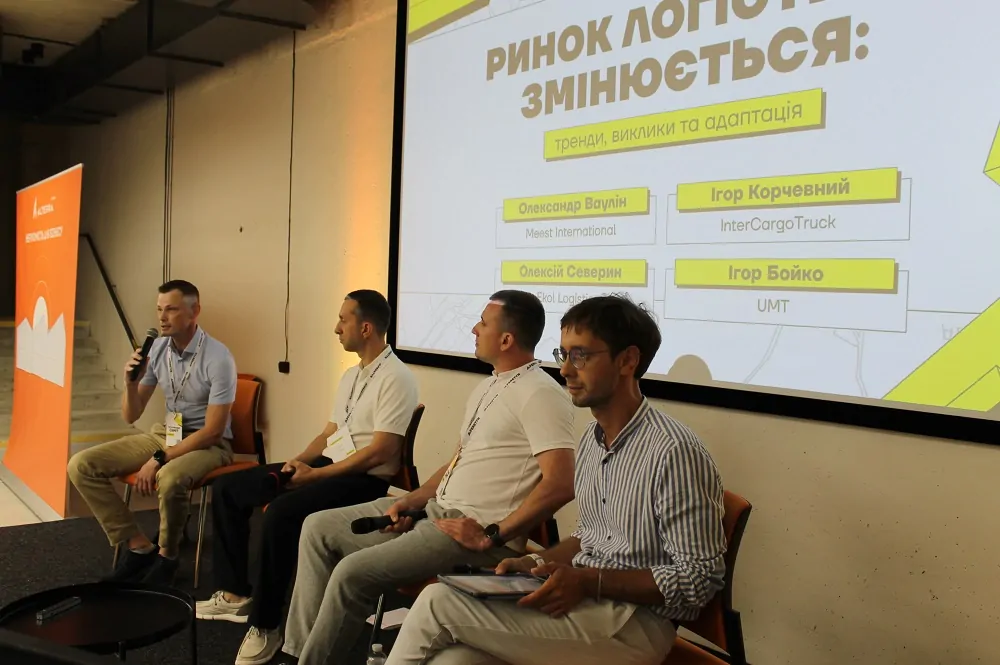
Ukraine’s transport corridors have undergone significant changes over the past three years. With the closure of airspace, cargo flows shifted to road and rail, and since 2023 partially returned to sea routes. Over time, trade volumes recovered, reaching $112.3 billion in turnover by the end of 2024.
The trend is positive, as are analysts’ forecasts of gradual cargo growth. Still, it is important to remember the current challenges and restrictions – and the urgent need to invest in Ukraine’s transport infrastructure and its European integration strategy.
For us at Ekol, it is vital that Ukraine’s logistics system becomes fully integrated with that of the EU – a single network, a single organism. That is why we want to outline our vision of the country’s role in transforming Europe’s transport infrastructure.
Ukraine’s Role in the European Logistics System
In recent years, some partners have closed Ukraine’s transport corridors, reducing cargo flows. Yet, as European entrepreneurs themselves note, operating without Ukrainian carriers is extremely difficult. Why? Several reasons:
- Cost efficiency. Ukrainian logistics tariffs remain lower than European averages, creating clear advantages for business.
- Experience with all cargo types. Licences, equipment, expertise and skills – Ukrainian carriers provide what many local providers cannot.
- Quality and accountability. Ukrainian operators are renowned for their diligence and reliability – traits hard to match in the market.
Looking at Ukraine’s role more broadly, several strategic factors stand out:
| Factor | Explanation |
| Geostrategic position | A bridge between Europe and Asia, offering the most convenient routes for road and rail logistics, with immense trade potential. Current challenges exist, but the long-term outlook remains strong. |
| Sea and river ports | The Black Sea basin and maritime corridors provide access to critical trade routes, including Turkey, Georgia and Bulgaria. |
| Rail integration with the EU | Despite differences in track gauge (1520 mm vs. 1435 mm in the EU), gradual synchronisation is underway. In the meantime, dry ports and transhipment terminals at border crossings keep trade moving. |
| Road logistics | Ukraine offers direct motorway connections to port infrastructure (e.g., the “grain corridor”) and cross-border routes, including links to the Baltics (temporarily unavailable due to security risks). |
| Agricultural hub of Europe | Supplying food and raw materials to Europe remains Ukraine’s strongest advantage. Despite protests by local farmers, Ukraine continues to provide better trading and logistics conditions than many local markets. |
| Energy and critical logistics | While electricity, oil and gas volumes have decreased, new supply chains for humanitarian and military aid have become vital. |
Logistics players like Ekol are the cornerstone of the market. Why? Just look at how the Ekol Logistics team performed at the logistics summit. That is why we must continue to modernise – offering better conditions for clients, lowering transportation costs, and offsetting risks and challenges. And there are plenty of those.
Current State of Ukraine’s Transport Infrastructure
Infrastructure projects in Ukraine are not just about rebuilding housing and industrial facilities, but also about reconstructing the transport network heavily affected by continuous attacks.
While in 2022 our roads proved capable of withstanding even tanks, the situation has since changed. Roads, railways, bridges, transport hubs, ports and terminals have all sustained damage. They must be restored, protected from new strikes, and alternative routes developed.
Expanding logistics capacity – such as underground terminals and warehouses – would be ideal, though for now the focus remains on upgrading existing facilities.
European Integration Projects and Initiatives
Ukraine’s transport strategy is closely aligned with EU integration. This means investment in railway modernisation, adoption of industrial standards, and alignment of legislation. The focus is on ensuring that Ukrainian carriers operate under European rules.
The process is complex but remains dynamic and effective. The “transport visa-free regime” is still in place, but within months it may lose its relevance.
While Ukraine has bilateral agreements with neighbouring countries to extend cooperation, geographically we are losing access to certain markets – an issue that must be addressed.
Key Development Priorities
Modernising Ukraine’s railway transport is priority number one. We need to standardise the track gauge and replace outdated rolling stock. It is also necessary to adapt legislation to EU standards, ensuring freedom of transport and multimodality for providers.
Regional Logistics Hubs
There is also a pressing need to expand Ukraine’s logistics geography. This means developing regional infrastructure and optimising supply chains. For example, creating logistics hubs that evenly cover the entire territory of the country. This would help distribute cargo loads more efficiently among carriers when delivering shipments.
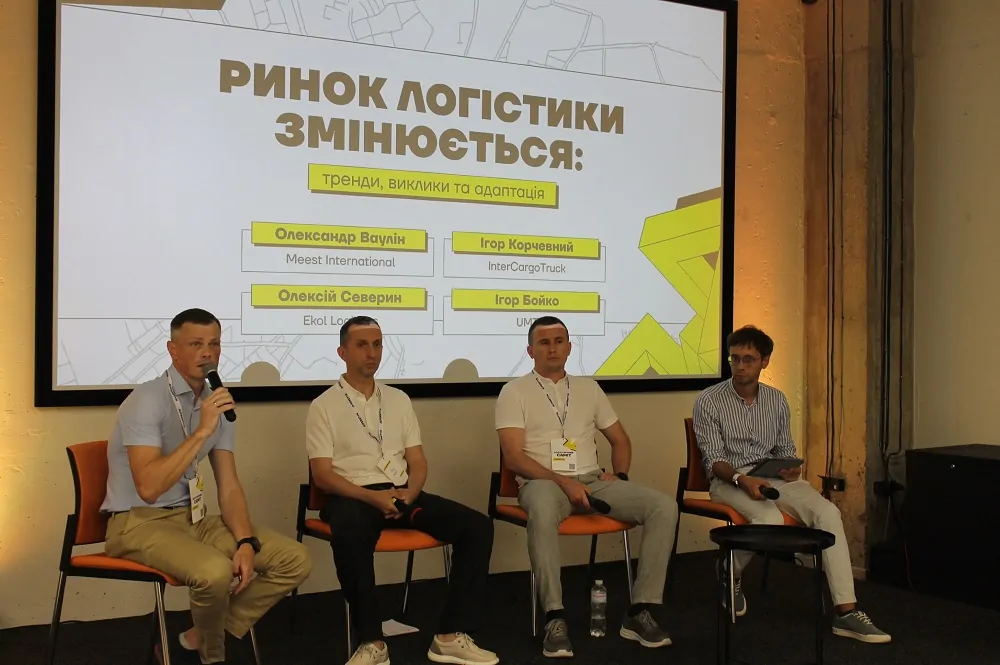
But it is not only analytics and potential that matter. Unfortunately, Ukraine’s logistics faces far more serious challenges than simply the lack of enough terminals along the route between Warsaw and Sumy.
Challenges and Problems
War, corruption, roads – these three words capture much, but not all. The challenges include:
- Destruction of roads, bridges, railway nodes and ports.
- Insufficient number of modern logistics terminals and warehouses.
- Lengthy customs checks and bureaucracy.
- Ukrainian standards are still not fully aligned with EU requirements.
- High logistics costs due to long routes and multiple re-loadings.
- Limited investment in recovery and modernisation.
- Dependence on neighbouring countries’ transit policies (e.g., Poland, Romania).
- Low levels of digitalisation (cargo tracking, e-documents).
- Limited use of green technologies in transport.
- Lack of an integrated national logistics management platform.
It is a daunting list. But all of this can be improved – with time, resources and expertise.
Prospects and Opportunities
Ukraine remains one of Europe’s strongest countries in logistics potential. With the right effort, it can become a flagship continental hub, aligned with global logistics trends. Opportunities include:
- Development of TEN-T corridors and the “Solidarity Lanes”.
- Harmonisation of customs procedures and digitalisation of documentation.
- Creation of joint logistics hubs at border points.
- Expansion of Danube ports (Izmail, Reni, Kiliya).
- Post-war recovery and modernisation of Black Sea ports.
- Investment in container transport and multimodal terminals.
- Construction of 1435 mm rail links for direct EU integration.
- Growth of dry ports and container terminals at the border.
- Use of Ukraine as part of the “New Silk Road” bypassing Russia.
- Adoption of green logistics solutions (EV trucks, LNG, hydrogen).
- Digital platforms to reduce costs and CO₂ emissions.
- Becoming a hub for renewable energy and green exports.
- Strengthening Ukraine’s role as Europe’s agricultural logistics hub.
- Transit of energy, fertilisers and industrial goods.
- Serving as a “resilience buffer” for EU logistics in crises.
- Interest from major financial institutions (EBRD, World Bank).
- Private investment in warehouses, terminals and logistics parks.
- Development of logistics clusters in Lviv, Volyn and Odesa regions.
Encouraging, isn’t it? Moreover, some steps can be taken even now – without waiting for the war to end. For example, investing in logistics in cooperation with professionals like Ekol.
We do not simply profit from clients – we reinvest revenues into improving Ukraine’s logistics infrastructure and driving its European integration path.
read more
Similar articles
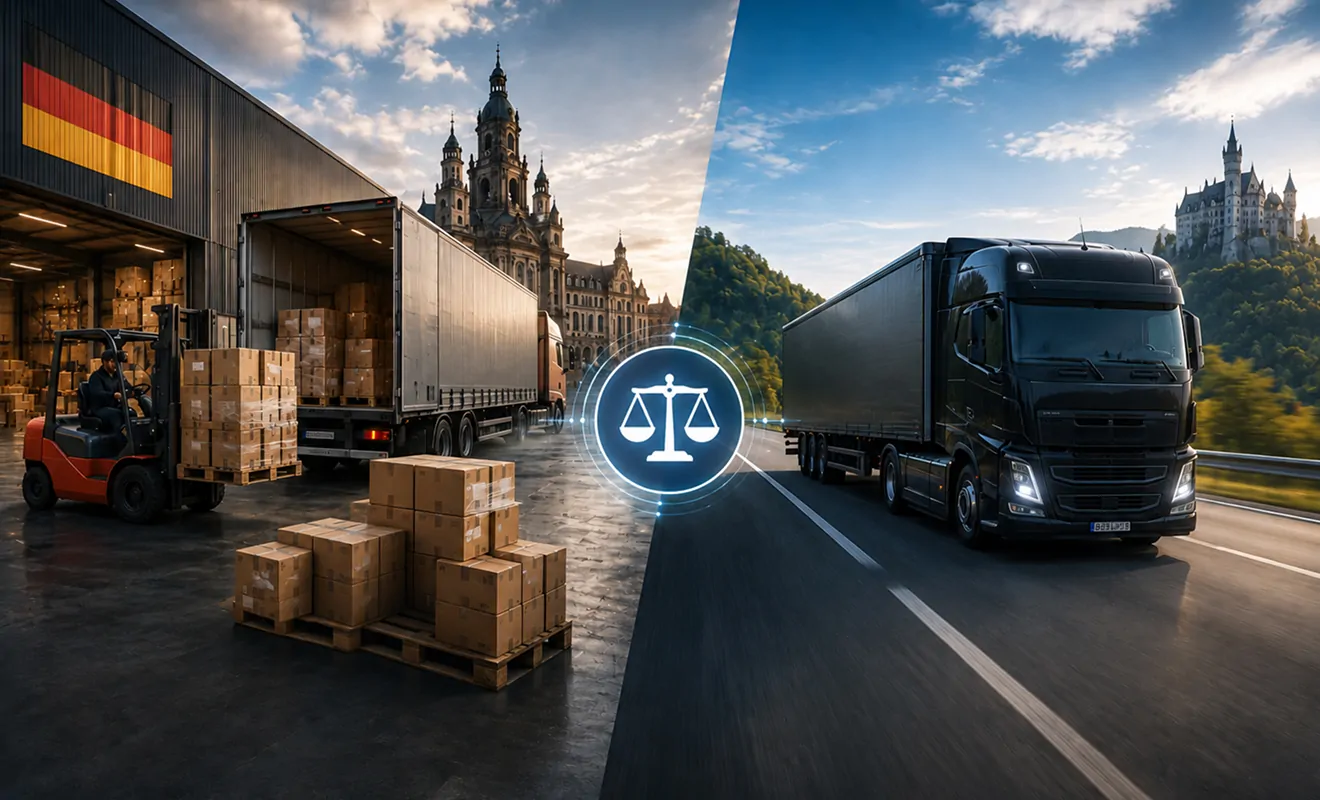
Logistics offers two tools for shipping from Germany: Less-than-Truckload (LTL) consolidation and Full Truckload (FTL) shipments.
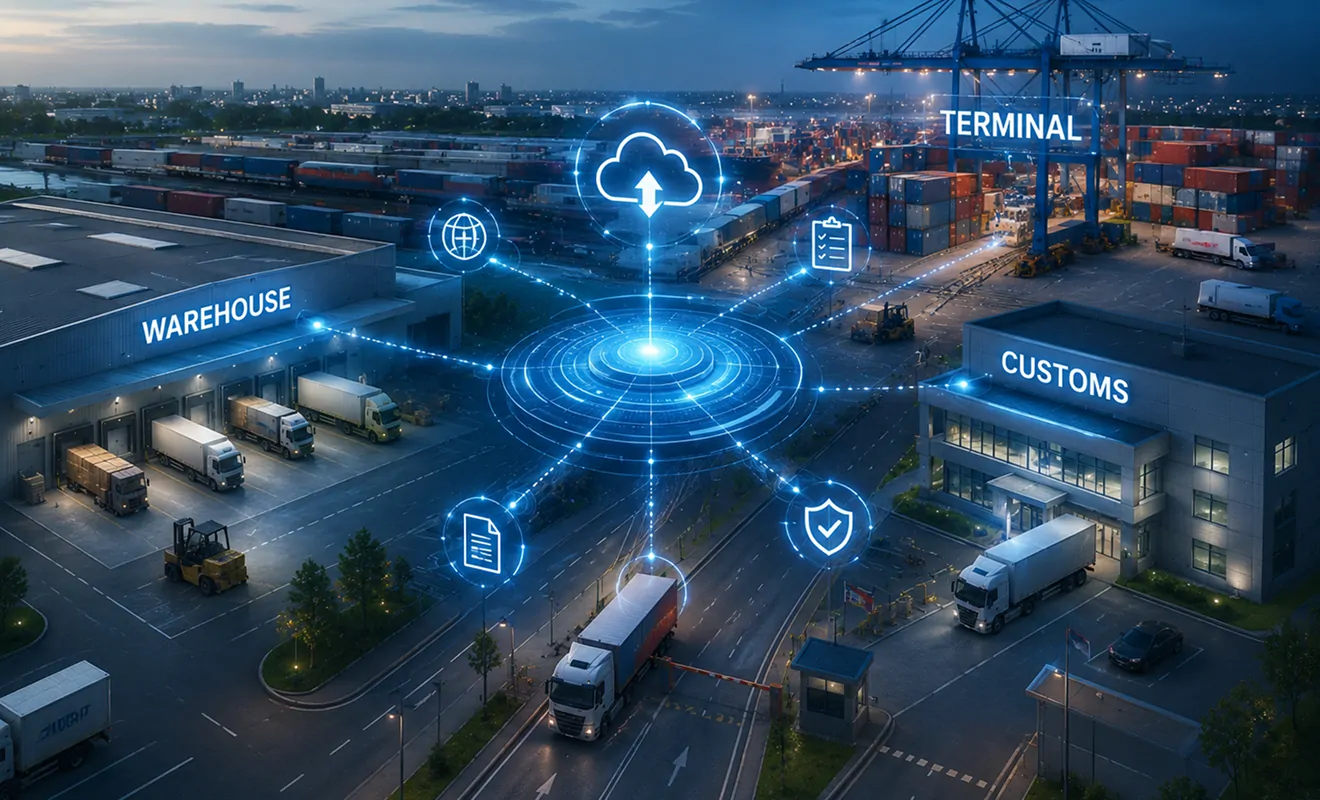
A dry port is one of the solutions to the problem of congestion at seaports and customs-logistics infrastructure. It relocates part of operations inland. But the real impact comes from digital integration.

Most FPV components are sourced from China. This is a long route with temperature fluctuations and extended storage in transit zones.

Last-mile delivery is the final stage of the logistics chain, which shapes both the service cost and customer loyalty.
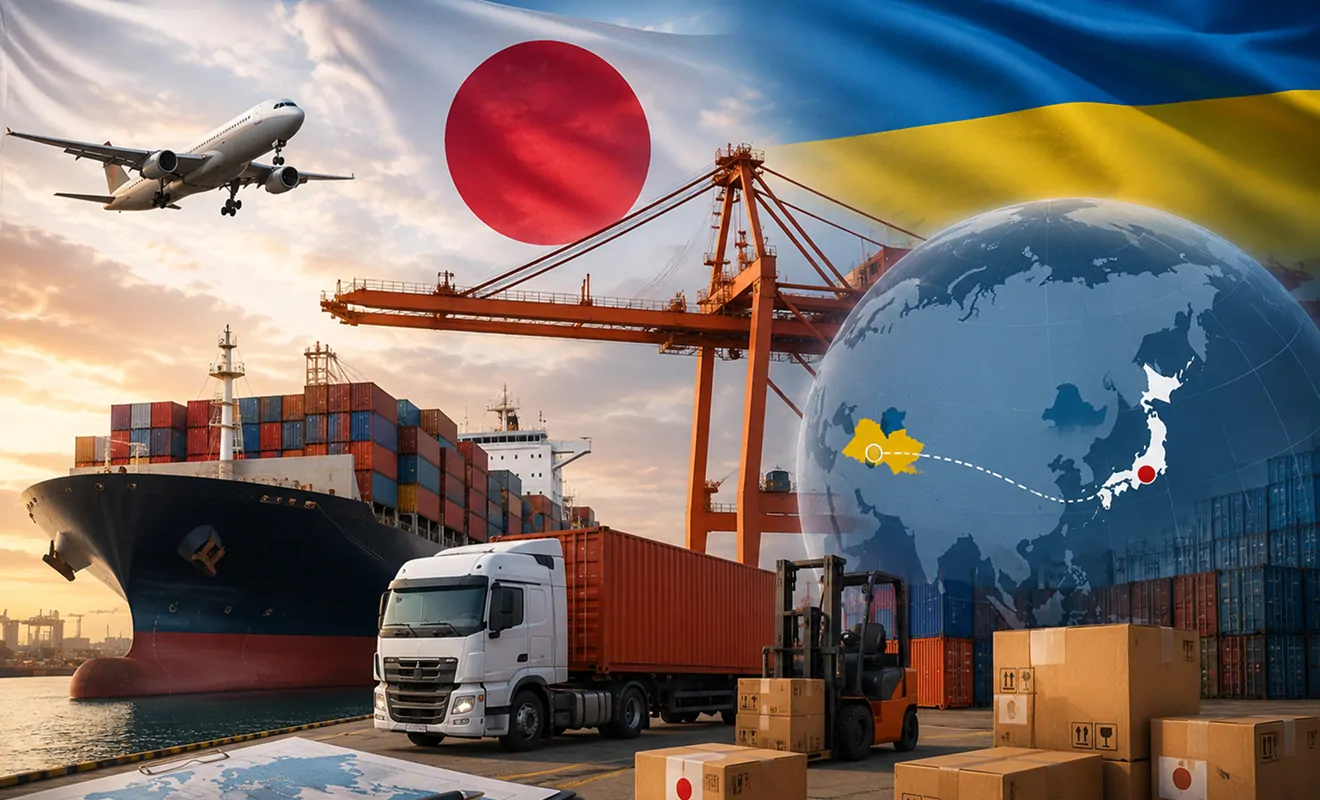
There are more than 8,000 kilometers between Ukraine and Japan, with no shared border or direct rail connection. Despite this, imports from Japan to Ukraine are growing

Just a few years ago, a dispatcher would spend an hour on a single request. Today, AI agents in logistics accomplish the same task in minutes – without phone calls or errors.

Anna
Business development manager

Volodymyr
Business development manager

Artur
Business Development Manager
