

Logistics Trends 2025: 6 Steps Toward the Next-Generation Supply Chain
According to analysts at Grand View Research, the global logistics market is projected to grow at a compound annual growth rate (CAGR) of 7.2%, reaching a market value of $5.96 trillion by 2030. With such rapid growth, it’s essential to understand how logistics will evolve in 2025 to stay ahead of industry trends and accelerate the growth of your own transport or logistics business. At the very least, companies should begin preparing for sweeping changes that will impact virtually every stage of the supply chain. This overview will help you proactively modernize your internal and external logistics processes, while also introducing you to the key challenges and trends that will shape the industry's direction in 2025 and beyond.


Economic Challenges and Inflation
The International Monetary Fund (IMF) forecasts that nearly all global economies will face heightened challenges in 2025 and the years to follow. Slower economic growth is expected to impact the logistics services market, affecting not only local carriers, but also global supply chains, including air, sea, and rail freight providers.
As a result, carriers and xPL (third-, fourth-, and fifth-party logistics) providers will need to navigate intensifying competition, driven by:
- A growing gap between operating costs and market pricing conditions;
- Shifting priorities among B2B clients, with increasingly stringent service expectations;
- External factors directly impact cost structures, such as energy prices, labor shortages, and trade policies.
Additionally, global trade tensions, as well as regional security and cybersecurity risks, continue to place additional strain on the logistics sector. This leads to:
- Rising investment in risk management programs;
- Rerouting of established corridors, which increases delivery lead times;
- Disruption to international trade and pressure on logistics professionals to maintain operational competitiveness under evolving conditions.
At the same time, these challenges create an opportunity to rethink and modernize logistics operations, particularly through the integration of advanced technology and forward-thinking management models.
Automation and Digitalization of Logistics Processes
Logistics automation is set to be the defining trend of 2025 and a foundational shift for the decade ahead. The industry is moving away from manual control toward automated and autonomous systems, enabled by emerging technologies. Key developments include:
- Unmanned vehicles, ground-based, aerial, and maritime, capable of performing the same transport functions as traditional carriers, but with lower costs and reduced risk, especially by minimizing human error.
- Automated warehouse and logistics hub systems, including robotic conveyors, automated cargo registration and zoning, and optimized loading or unloading operations, all aligned with regulatory compliance and efficiency standards.
- Cloud-based logistics platforms powered by AI-driven digital infrastructure, streamlining operations such as shipment planning, real-time tracking, order processing, and demand forecasting.
- Digital twins, virtual models used not only to simulate operational efficiency and profit forecasting, but also to test various supply chain strategies, assess risks, and model mitigation plans.
These global logistics trends for 2025 are already being implemented by leading logistics providers. While the initial investment in automation and digital transformation can be high, long-term gains are expected. Early adopters of these technologies typically experience reduced operational costs and improved profitability as automation scales across the business.
Green Logistics and Emission Reduction
By 2025, logistics for businesses, like most global industries, is facing a growing challenge: sustainability. Emissions from internal combustion engine (ICE) transport, carbon output from electronics, and the depletion of fuel resources are all key concerns. These issues are particularly pronounced in the freight sector, but viable solutions are emerging. For example:
- Transition to Eco-Friendly Electric and AI-Piloted Vehicles: Shifting to electric, AI-assisted vehicles not only reduces emissions but also enhances safety and delivery speed, while lowering operational costs.
- Use of Renewable Energy Sources: Clean energy solutions, solar, wind, and hydro, are being implemented for both transport battery charging and powering logistics infrastructure such as data centers and distribution hubs.
- Investments in Green Energy R&D: While these investments may appear costly upfront, they offer faster access to next-generation energy-saving technologies, and represent a long-term commitment to environmental responsibility.
Green technologies aren’t just about energy independence and environmental stability, they’re also about efficiency, logistics performance optimization, and innovation. In fact, embracing green logistics can become a compelling selling point, signaling operational maturity and responsibility to both clients and partners.
Supply Chain Disruptions and Optimization Strategies
While new technologies are helping to address many challenges in the logistics industry, several issues remain:
- Balancing Speed, Safety, and Cost Efficiency in Route Planning: Designing optimal transport routes that ensure fast, safe, and cost-effective delivery continues to be a logistical balancing act.
- Coordination Across Multimodal xPL Providers: Efficient distribution of roles among various logistics service providers (3PL, 4PL, etc.) is essential to achieve cost-effectiveness and profitability.
- Fragmentation in Freight Handling, Tracking, and Accountability: When multiple carriers are involved in a single logistics chain, visibility and control can become disjointed, increasing the risk of delays or errors.
These challenges can often be mitigated by partnering with a logistics provider that has well-established systems and operational frameworks. Leading providers actively track industry trends, implement technological innovations, and offer end-to-end (“turnkey”) logistics solutions. This minimizes transport-related risks and can even reduce overall supply chain costs.

Innovative Solutions in Freight Forwarding and Customs
The logistics trends of 2025 are reshaping every aspect of the supply chain, including support functions such as freight forwarding and customs clearance. For instance, where a company representative once accompanied the driver to handle documentation and legal issues, this role is now largely obsolete.
Cloud-based technologies have replaced traditional paper-based documents like consignment notes and trip logs. This shift has driven significant operational changes, such as:
- Customs clearance procedures now rely on centralized digital databases rather than physical paperwork. Customs officers can access shipment data, including cargo type, weight, and compliance documentation, within minutes. Pre-submitted electronic declarations further streamline border checks by linking specific trucks and drivers to pre-approved inspections.
- Driver accompaniment is no longer necessary. Modern fleet vehicles are equipped with smart technology that connects in real time to dispatch centers and logistics platforms. All key processes, including loading/unloading, driver rest periods, and refueling, are monitored automatically, and any deviations are flagged and logged within the company’s digital infrastructure.
- Accounting and compliance operations are now integrated into specialized logistics software. Once a delivery is completed, the system automatically generates confirmation and a detailed report. This digitalization reduces the risk of fraud, improves operational transparency, and enhances accountability, both for logistics providers and their clients.
Despite the ongoing influence of human factors and external risks, today’s logistics landscape is undergoing rapid digital transformation, making processes faster, more secure, and more efficient.
Summary
Logistics is an integral part of 99% of modern businesses, from simple office relocations and equipment deliveries to building complex transportation chains for the distribution of goods and services.
Even in 2025, the industry continues to offer clients advanced logistics solutions and innovative transport strategies, constantly improving service algorithms and operational efficiency. A standout example of a forward-thinking and innovation-driven logistics provider is Ekol, a brand that embodies best-in-class practices across the sector.
With an end-to-end approach to logistics management, real-time monitoring, integration of cutting-edge technologies, and fully personalized services, Ekol delivers tailored, turnkey solutions for your cargo transportation needs.
Ready to optimize your logistics operations? Partner with a trusted logistics provider that puts your business goals first.
read more
Similar articles
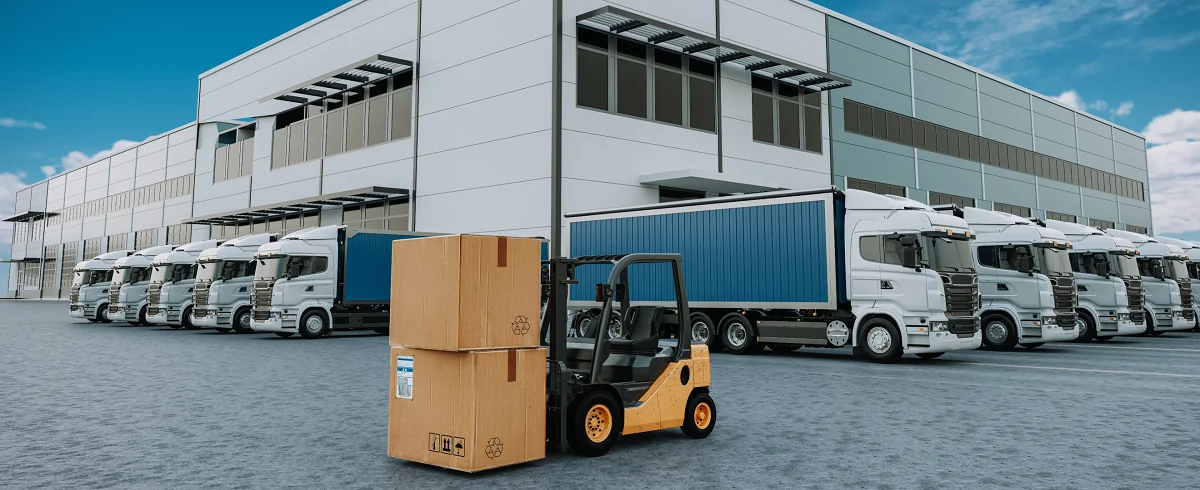
For a business, a logistics company is one reliable partner instead of a dozen separate contractors. It handles communication with carriers and quickly resolves force-majeure situations on the road

Without reliable delivery, a farmer’s harvest won’t reach the market on time. A logistics company for a farmer is not just a service provider — it’s a partner on whom the financial outcome of the season depends.

On the night of July 19, 2026, a massive missile attack severely damaged the Ekol Logistics distribution center located in the AMTEL logistics complex.

The changes for Ukrainian exporters in 2026 concern not only export clearance procedures but also the organization of shipments to EU countries.
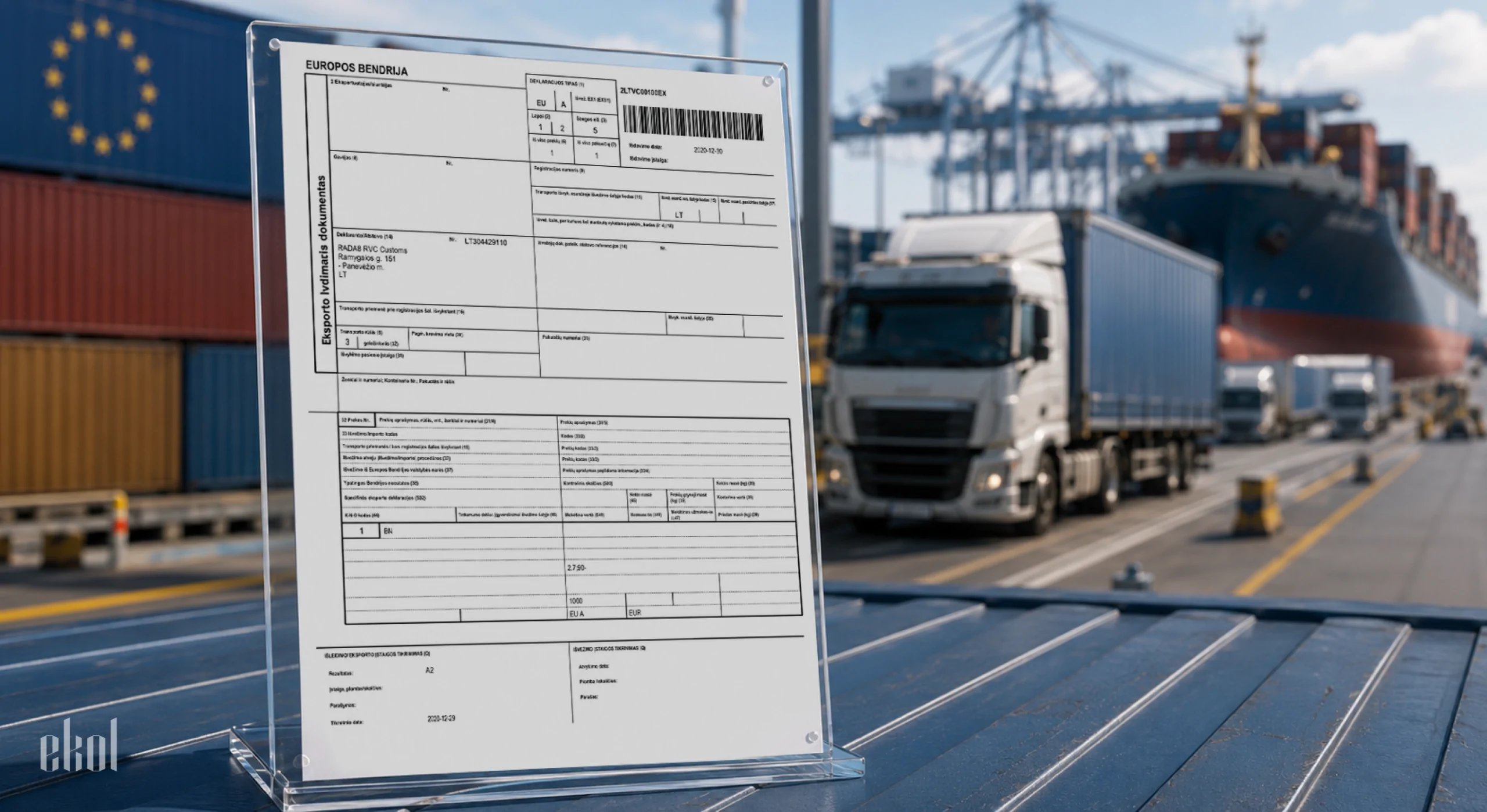
Export requires proper customs clearance and document preparation. For businesses, it is important not only to deliver the goods but also to successfully complete all procedures when crossing the border.
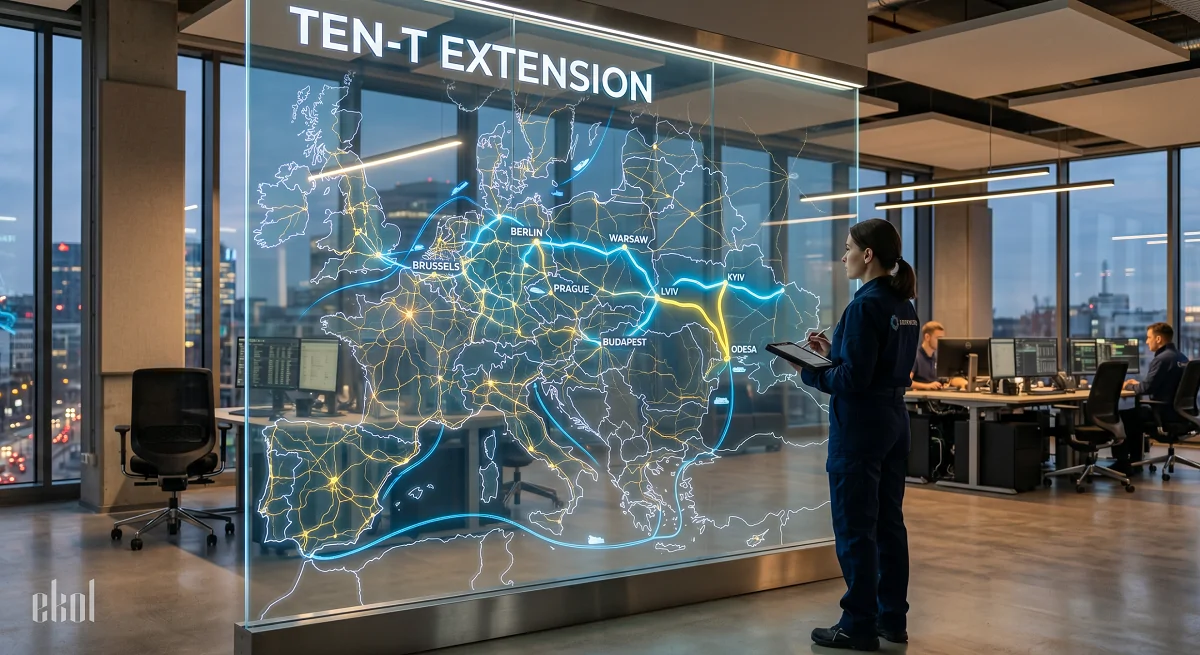
Entering the European Union market opens significant opportunities for Ukrainian companies. However, the success of such expansion depends on the ability to establish proper logistics.

Anna
Business development manager

Volodymyr
Business development manager

Artur
Business Development Manager
