

Dangerous Goods in Limited Quantities: What You Need to Know for Legal Transportation
Transporting hazardous substances and materials requires strict compliance with both international and national regulations. However, there are exceptions that allow for the movement of dangerous goods in limited quantities without full adherence to all regulatory requirements. Learn about the rules governing the transport of dangerous goods and the conditions necessary for legal shipment.


What Are Dangerous Goods?
Dangerous goods are substances and articles that pose risks to human health, the environment, or property. They are classified according to the type of hazard as defined by the ADR (European Agreement concerning the International Carriage of Dangerous Goods by Road).
Classification of Dangerous Goods
Under the ADR, dangerous goods are divided into nine main classes:
- Explosives (e.g., pyrotechnics, dynamite, flares, ammunition)
- Gases (e.g., propane, butane, oxygen cylinders, liquefied chlorine)
- Flammable Liquids (e.g., gasoline, acetone, ethanol, solvents)
- Flammable Solids (e.g., sulfur, sodium, powdered magnesium, matches)
- Oxidizing Substances and Organic Peroxides (e.g., nitrates, potassium permanganate)
- Toxic and Infectious Substances (e.g., hydrogen cyanide, nicotine, medical samples containing infectious agents)
- Radioactive Materials (e.g., cobalt isotopes, cesium-137, uranium samples)
- Corrosive Substances (e.g., sulfuric acid, sodium hydroxide, zinc chloride)
- Miscellaneous Dangerous Goods (e.g., magnetic materials, lithium batteries, chemical waste)
All these classes require specialized handling in terms of packaging, labeling, and documentation. Non-compliance with transport regulations for dangerous goods can lead to serious consequences, including accidents, fines, and even criminal liability.
Benefits of Transporting Dangerous Goods in Limited Quantities
One of the most flexible methods for moving substances regulated under the agreement is the Limited Quantity (LQ) regime. This approach helps avoid many complex procedures and reduces costs.
Here are the key advantages that make LQ attractive to businesses, distributors, and carriers:
- Simplified Labeling: Instead of a full set of hazard labels, a universal LQ mark is used, accelerating cargo preparation for shipment.
- No Specialized Documentation: Transport can proceed with a standard waybill without the need for a detailed dangerous goods declaration.
- Reduced Regulatory Oversight: LQ shipments do not require separate permits, escorts, or inspections, which is especially beneficial for small and medium-sized enterprises.
- Simplified Packaging: Use of standard packaging materials (certified cardboard boxes or plastic containers) is permitted, without complex combined packaging systems. Containers must comply with core ADR standards.
- Faster Processing and Shorter Logistics Cycle: There are no requirements for vehicle certification, route approvals, or mandatory inspection stops, enabling quicker turnaround.
- Lower Logistics Costs: Savings come from avoiding expenses related to permits, mandatory insurance, fire extinguishers, GPS monitoring, and other requirements.
- Reduced Training Costs: Drivers transporting exclusively LQ goods are exempt from ADR training requirements.
Exemptions from some mandatory procedures for dangerous goods transport apply only if strict limits on mass or volume per packaging unit are respected, along with compliance in packaging, labeling, and packing methods.
Key ADR Requirements for Transporting Dangerous Goods in Limited Quantities
Although regulations are simplified, LQ shipments remain subject to safety standards to minimize risks to the environment and personnel:
- Packaging and Containers: Must comply with the agreement’s conditions and be robust enough to prevent damage.
- Mandatory LQ Marking: Cargo must bear the LQ label, a 100×100 mm square with a black-and-white border.
- Packaging Integrity: Must prevent leaks and accidents during loading, transport, and unloading.
- Appropriate Transport Vehicles: Goods must be carried in suitable vehicles that are clean, properly equipped, and free from unrelated cargo.
Additionally, drivers must be informed about procedures to follow in case of unforeseen incidents.

Which Goods Qualify as Limited Quantities (LQ)?
The ADR Agreement clearly defines the list of substances eligible for transport under the Limited Quantities (LQ) exemption. Restrictions apply not only to the type of goods but also to the maximum quantity per packaging unit, as well as the specifications of the packaging and packing methods.
Typical goods most commonly transported as LQ include:
- Aerosols containing gases (household and technical sprays, deodorants, spray paints)
- Low-flammability liquids (acetone, solvents)
- Household chemicals containing hazardous substances (cleaning and disinfecting agents)
- Cosmetics and pharmaceutical products (nail polish, perfumes, medical liquids containing alcohols or other reagents)
However, certain classes of dangerous goods are fully or partially excluded from the LQ exemption, for example, explosives, radioactive materials, toxic gases, and substances that ignite readily upon contact with water.
Each product must be listed in the LQ exemption table attached to the ADR Agreement. It is important to note that even permitted substances cannot be shipped as LQ if they exceed the maximum allowed quantity per single packaging unit (typically a maximum gross weight of 30 kg for outer packaging).
Quick Checklist: How to Transport Dangerous Goods Legally
First and foremost, confirm that the shipment qualifies as a Limited Quantity.
Next steps include:
- Selecting appropriate packaging and containers based on volume and hazard class
- Applying correct dangerous goods labeling in accordance with ADR requirements
- Instructing the driver and preparing the transport vehicle, including ensuring awareness of the cargo and availability of protective equipment
- Adhering to safe transportation rules even when operating under LQ exemptions
- Consulting with experienced logistics professionals if there is any uncertainty regarding documentation or compliance
Want to Ensure Legal Compliance for Your Dangerous Goods Shipments?
Contact the licensed logistics provider Ekol. With our expertise, transporting limited quantities of dangerous goods will not be an obstacle for your business.
read more
Similar articles
For a business, a logistics company is one reliable partner instead of a dozen separate contractors. It handles communication with carriers and quickly resolves force-majeure situations on the road

Without reliable delivery, a farmer’s harvest won’t reach the market on time. A logistics company for a farmer is not just a service provider — it’s a partner on whom the financial outcome of the season depends.

On the night of July 19, 2026, a massive missile attack severely damaged the Ekol Logistics distribution center located in the AMTEL logistics complex.
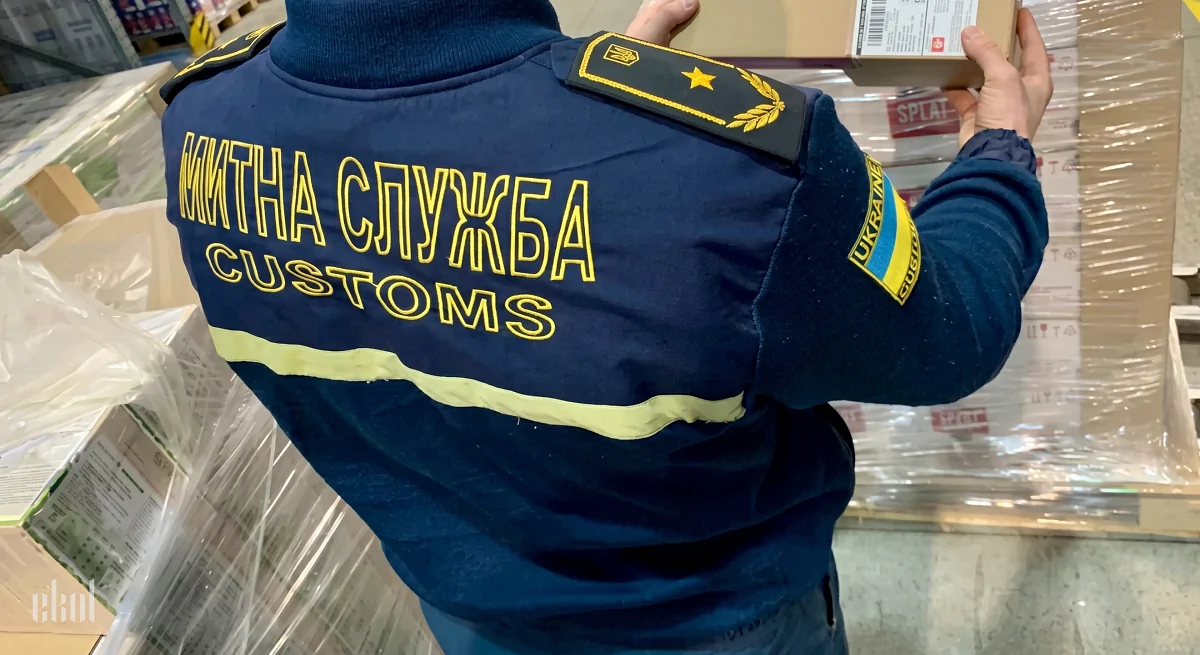
The changes for Ukrainian exporters in 2026 concern not only export clearance procedures but also the organization of shipments to EU countries.
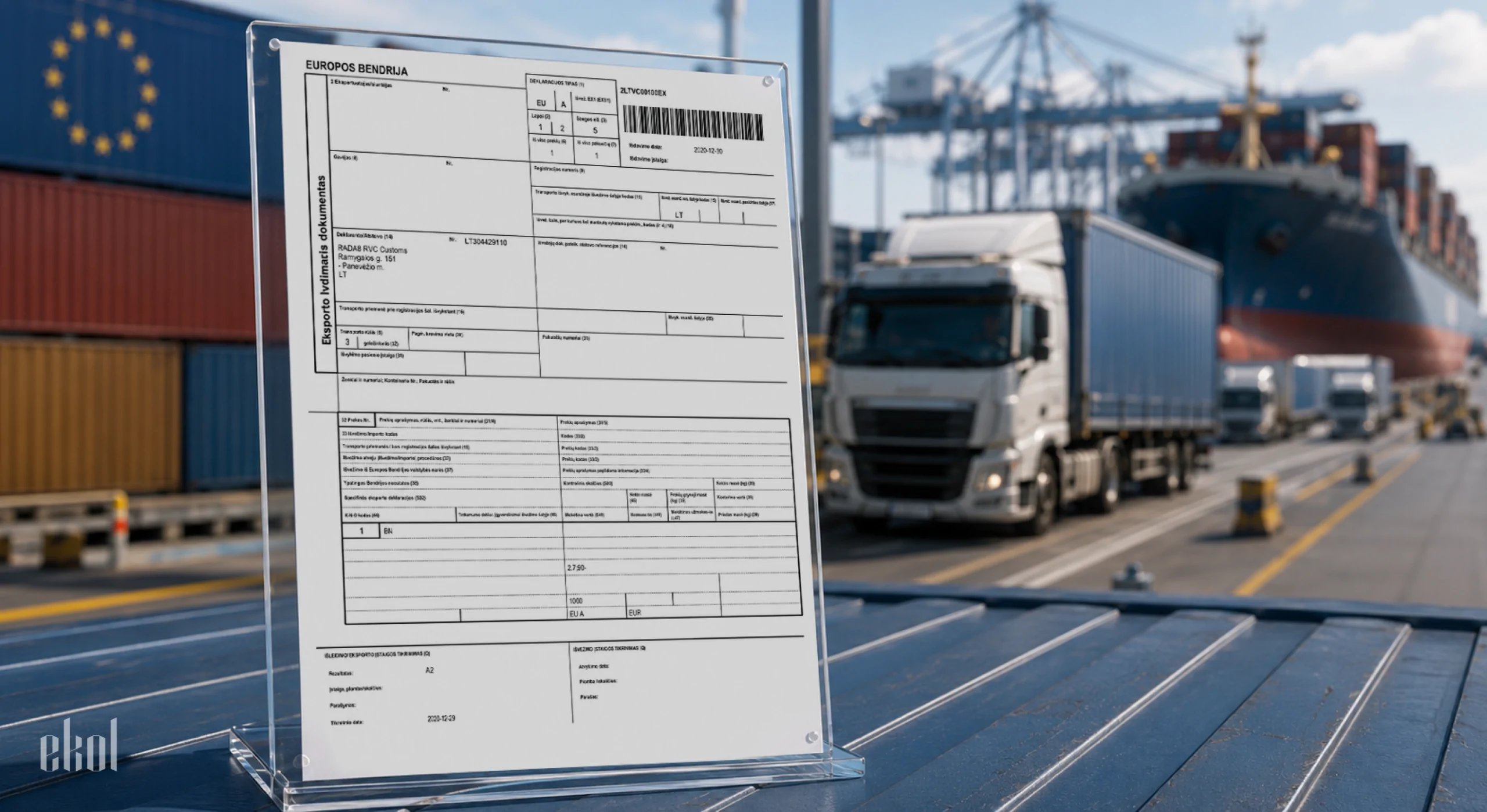
Export requires proper customs clearance and document preparation. For businesses, it is important not only to deliver the goods but also to successfully complete all procedures when crossing the border.

Entering the European Union market opens significant opportunities for Ukrainian companies. However, the success of such expansion depends on the ability to establish proper logistics.

Anna
Business development manager

Volodymyr
Business development manager

Artur
Business Development Manager
