

What is Logistics: Intricate Processes in Simple Terms
Most people not involved in logistics tend to view the supply chain simply as the transportation of goods from point A to point B. However, this is a fundamentally inaccurate assumption. Global logistics is a complex discipline that involves managing a chain of interconnected activities. From production to the final delivery to the customer, numerous stages take place: inventory management, route planning, transportation, warehousing, and order fulfillment. Each step plays a critical role in ensuring that shipments arrive on time, in the right condition, and in full quantity.

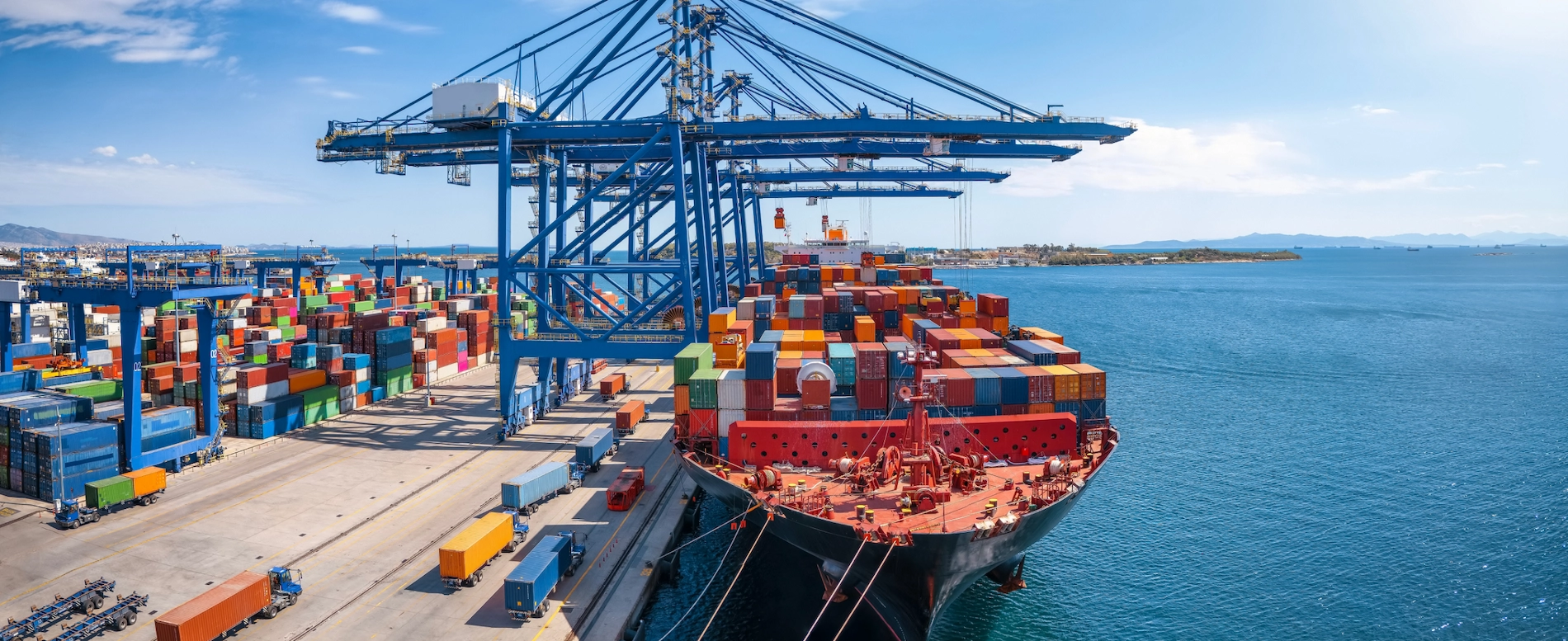
Understanding how a logistics system operates can only be achieved through practical experience. Logistics encompasses processes without which a business cannot operate smoothly. Even minor delays at any stage can impact overall efficiency. That is why we develop intricate transportation networks designed to guarantee precision, speed, and reliable outcomes.
Main Types of Logistics
Manufacturing, trucks, warehouses, and transportation are just the tip of the iceberg. Behind the scenes, logistics operations involve much more. At the core are coordinated activities that enable the movement of goods from producer to consumer, optimizing time, cost, and effort.
What does logistics mean in terms of its different sectors? It is a complex, interconnected logistics system whose components operate concurrently but share a common goal to ensure the efficient functioning of the business.
Industrial Logistics
Industrial logistics encompasses all logistics activities that take place before the product reaches the shelves. It involves controlling the flow of materials, resources, and components, production volume planning, and supply synchronization. Every detail matters, from the timely delivery of raw materials to meticulous inventory management. A well-established logistics infrastructure helps prevent production downtime and minimizes operational costs.
Procurement Logistics
This is the stage that follows production and is responsible for the timely replenishment of required goods and materials. Procurement logistics includes:
- supplier selection
- order placement and management
- quality control
- documentation and administrative processing
Risks, from delivery delays to price fluctuations, require proactive management, careful planning, and a clear procurement strategy. It is at this point that the product’s initial cost to the company is determined.
Transportation Logistics
This logistics function focuses on optimizing routes, managing transport modes, packaging goods, and ensuring timely delivery to the final destination. Efficient transportation must be fast, secure, and minimize losses. Numerous factors must be considered, weather conditions, road quality, cargo volumes, and transportation costs. The goal is to streamline the flow of goods while balancing speed, safety, and cost-effectiveness.
Warehouse Logistics
Equally critical is the storage phase, which involves inventory placement, temperature control, product labeling, and stock monitoring. Poorly managed warehousing leads to losses, confusion, and delays. To enhance efficiency and accuracy, automated warehouse management systems (WMS) are commonly used, helping to accelerate order picking and outbound transportation.
Commercial Supply Systems
Commercial logistics focuses on customer interaction and encompasses several key functions:
- order fulfillment control
- demand forecasting
- inquiry processing
- product distribution
This logistics system enables a company to closely monitor market responses and respond promptly to shifts in consumer demand.
International Logistics
International logistics is a distinct segment of the supply chain that involves:
- customs regulations
- foreign exchange controls
- international trade agreements
- cross-border transportation of goods
Success in this area requires a thorough understanding of legal and regulatory requirements, the ability to adapt to changing compliance standards, and strong collaboration with international partners.
Modern Information Logistics Systems
The digital backbone of logistics operations. This stage involves the collection, monitoring, processing, transmission, and protection of logistics data. It ensures supply chain transparency, enhances planning and management accuracy, and supports faster, data-driven decision-making.
Reverse Logistics (Returns Management)
In simple terms, reverse logistics refers to the process of moving goods from the end customer back to the manufacturer, including returns, recycling, disposal, or remanufacturing. This type of supply flow helps reduce environmental impact and streamline cost management.
Key Aspects of the Modern Logistics Process
The transmission of goods doesn’t happen on its own. For the system to function smoothly, it requires seamless coordination across multiple areas: production, procurement, management, transportation, and lead time control. Analytics, human input, and a solid technological infrastructure all play essential roles.
Everything starts with planning but it doesn’t end there. Below, we’ll take a closer look at the core types of logistics that influence the entire product lifecycle.
Production and Supply: Where It All Begins
Every product has a starting point, and it’s not the warehouse, as many might assume. It all begins with the production system, which lays the foundation for the entire supply chain. Without a coordinated start, there can be no successful finish. Production logistics is the key to consistent resource allocation and quality control.
The objective is not only to manufacture the product, but also to optimize the supply process in order to:
- minimize waste and cost overruns,
- ensure continuous inventory replenishment,
- and maintain control over production flow and timing.
The supply function is responsible for making sure all necessary materials and components arrive on time.
From here, the next stages of the logistics cycle begin:
- planning is developed,
- inventory levels are calculated,
- demand forecasts are integrated,
- and documentation is prepared.
To keep the system running efficiently, businesses rely on data analytics, cross-functional coordination, and digital forecasting tools. Many companies, including international players like Ekol, implement agile supply chain models that account for even the smallest operational risks.
Storage and Distribution: The Path to the Consumer
After production, the product is transferred to a warehouse for temporary storage, where conditions are carefully managed based on the item’s specific requirements, including temperature, humidity, and shelf life.
The primary objective is to prevent losses, avoid delivery delays, and minimize overstocking. To achieve this, companies implement:
- inventory management systems,
- sorting technologies,
- real-time shipment tracking,
- and automated stock control.
To avoid storage-related disruptions, several critical factors must be taken into account:
- the type and characteristics of the product,
- placement conditions and storage duration,
- inventory turnover frequency,
- order picking speed,
- and order processing capacity.
Once warehousing is complete, goods are transported to retail locations or directly to the end customer. At this stage, transport logistics comes into play, requiring route optimization and effective last-mile delivery management.
Commercial logistics is not just about inventory control, it’s also about adapting to demand fluctuations, seasonal trends, and the geographic distribution of customers. This strategic approach enables both local and international businesses to drive profitability and build customer trust.

The Role of Technology in Modern Logistics
Technological advancement is significantly transforming logistics management. Innovations are driving higher efficiency, reducing transportation costs, and improving service quality across the supply chain.
The impact of modern approaches:
- Automation of manufacturing, order processing, and documentation reduces human error and accelerates operations.
- GPS tracking systems enable precise control over transportation and provide real-time visibility into shipment routes.
- Data analytics and demand forecasting help optimize inventory planning and prevent stockouts at distribution centers.
- The Internet of Things (IoT) supports real-time monitoring of cargo conditions, including temperature and humidity. Crucial for sensitive or perishable goods.
- Cloud-based platforms connect businesses and logistics partners within a unified ecosystem, streamlining collaboration and information exchange.
Leading companies are actively adopting these logistics technologies to enhance operational performance and deliver a better end-customer experience.
The Human Factor in Logistics: Invisible but Critical
Technology is undoubtedly valuable, but behind every machine there are people. They remain the foundation of the logistics system and the center of critical decision-making. Without experienced professionals and their management, even the most advanced software is just a set of commands.
No algorithm can fully replace human insight in key situations:
- Planning: Analysts assess demand, seasonality, and risks to develop strategies that prevent bottlenecks.
- Transportation Route Control: Logistics coordinators respond promptly to traffic congestion, weather conditions, or changes in delivery addresses.
- Inventory Management: Warehouse personnel oversee stock, placement, and order processing efficiency.
- Crisis Response: In case of disruptions, it is people, not software, who find solutions.
- Customer Communication: Managers clarify details and adapt flexibly to shipment delays or changing requirements.
In international shipping, for example, customs procedures, documentation, and partner coordination rest on the shoulders of specialists.
What’s more, people are responsible for key processes such as:
- Forecasting replenishment volumes
- Adapting business operations to evolving conditions
- Managing resources under constraints
Transportation systems are far more than just machines. Overlooking skilled professionals means losing control over operational efficiency. Even with extensive automation, it is people who drive the growth, agility, and profitability of your business.
Why Businesses Need Efficient Logistics
Every business aims to optimize operations to ensure resource management and goods transportation are as efficient as possible. That is why supply chain logistics has become a key driver for boosting productivity.
Benefits of a well-organized logistics system include:
- Cost Reduction: Efficient route planning, packaging, and inventory management lower transportation expenses, positively impacting the company’s profitability.
- Enhanced Operational Control: Quality assurance and accurate documentation provide transparency and clarity at every stage, from production to final delivery to the customer.
- Improved Service Levels: Streamlined logistics processes shorten delivery times and increase customer satisfaction, encouraging repeat business.
- Agility in Market Response: Leveraging advanced technologies and data analytics enables quick adaptation to demand fluctuations and changing transportation conditions.
- Inventory and Replenishment Optimization: Effective planning prevents overstocking or stockouts, maintaining a balance between production and sales.
Thus, efficient logistics is not just a necessity for business, it is a critical factor for stable management and order growth.
The primary role of logistics is to ensure continuous production flow. Your task is to select a reliable logistics partner, establish a seamless transportation process, and respond promptly to customer needs. Businesses that invest in developing their logistics systems position themselves securely amid competitive pressures.
For example, Ekol demonstrates high efficiency through innovation and automation. Over the years, we have only strengthened our commitment to progress, never settling for past achievements. Every kilometer, every operation, and every order is both a challenge and an opportunity for us to improve.
Conclusion
Transport logistics is the silent partner behind every successful project in a rapidly changing world, serving as the reliable foundation upon which our dreams and plans are built.
As Sun Tzu wrote in The Art of War: “Strategy without tactics is the slowest route to victory. Tactics without strategy is the noise before defeat.” This quote perfectly underscores the importance of planning and management, which lie at the heart of effective logistics, building trust with clients through reliability and precision.
At Ekol, we understand the critical role of developing all logistics processes. That’s why we continuously invest in efficient solutions focused on delivering tangible results. Business thrives on the constant movement of goods, and we ensure its seamless transportation and momentum.
read more
Similar articles
For a business, a logistics company is one reliable partner instead of a dozen separate contractors. It handles communication with carriers and quickly resolves force-majeure situations on the road

Without reliable delivery, a farmer’s harvest won’t reach the market on time. A logistics company for a farmer is not just a service provider — it’s a partner on whom the financial outcome of the season depends.

On the night of July 19, 2026, a massive missile attack severely damaged the Ekol Logistics distribution center located in the AMTEL logistics complex.
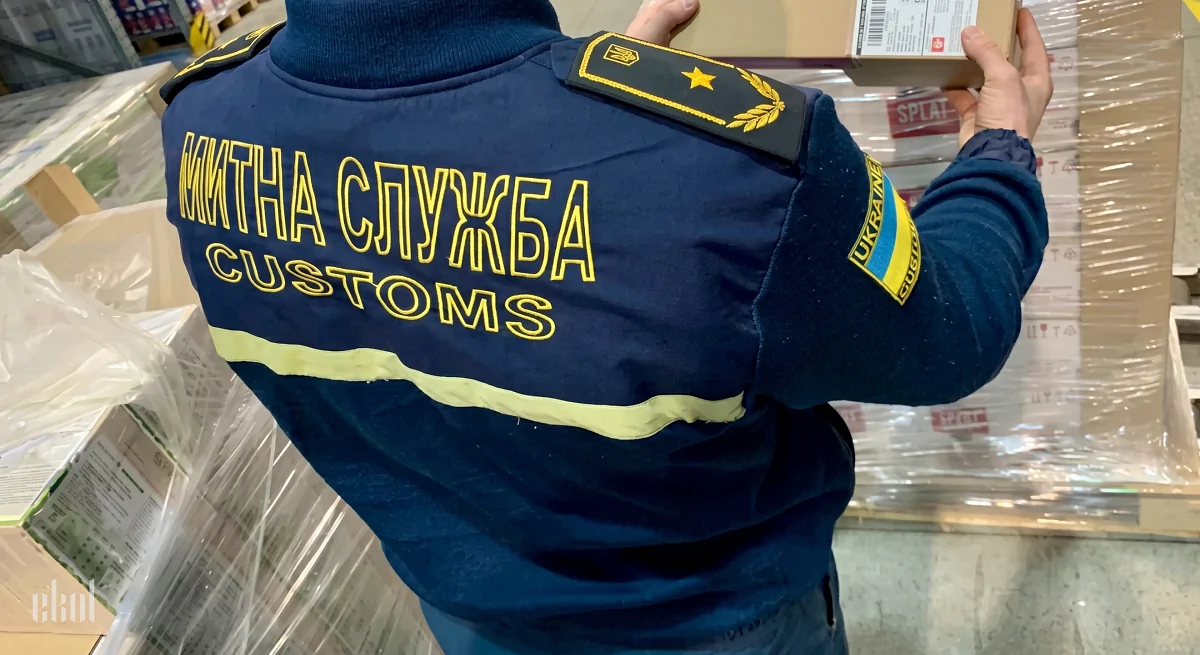
The changes for Ukrainian exporters in 2026 concern not only export clearance procedures but also the organization of shipments to EU countries.
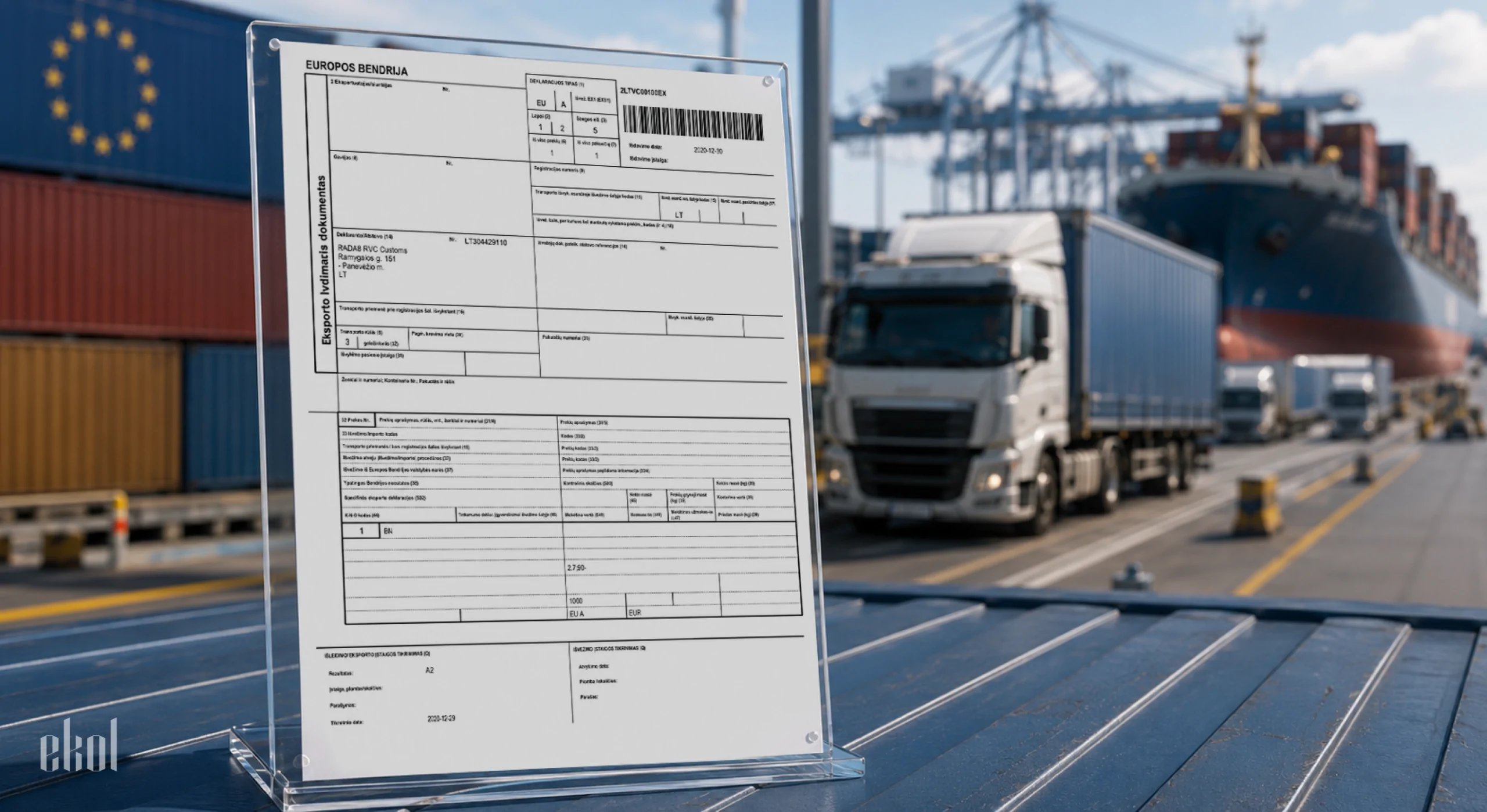
Export requires proper customs clearance and document preparation. For businesses, it is important not only to deliver the goods but also to successfully complete all procedures when crossing the border.
Entering the European Union market opens significant opportunities for Ukrainian companies. However, the success of such expansion depends on the ability to establish proper logistics.

Anna
Business development manager

Volodymyr
Business development manager

Artur
Business Development Manager
