

Delivery from South Korea: Why It’s the New Alternative to China

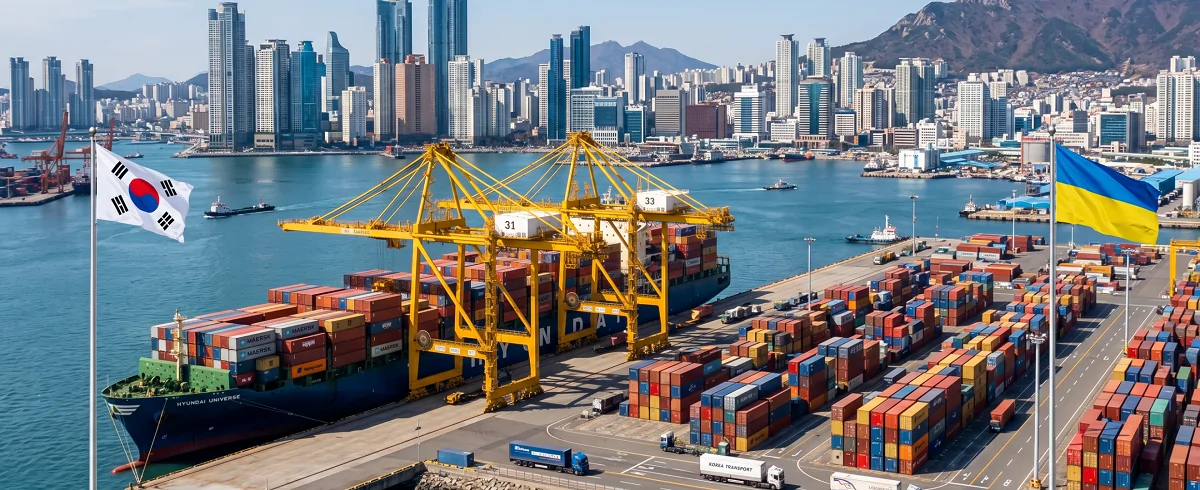
For years, the domestic market relied on purchases from the PRC, but the era of Chinese factory monopoly is gradually coming to an end. Entrepreneurs are turning to other Asian countries, weighing product quality and partner reliability. Against this backdrop, South Korea — a country with a technology-driven economy — has become a genuine discovery.
Reliable delivery from Korea provided by logistics operator Ekol helps Ukrainian companies quickly launch imports from Korea, meeting consumer demand for quality electronics, original auto parts, or popular cosmetics.
Why Businesses Are Looking for an Alternative to Chinese Supplies
Delivery from Korea is attractive for the following reasons:
- Constantly rising production costs in China.
- Difficulties with quality control.
- Freight problems caused by congestion at Chinese ports.
That’s why diversification and reorientation toward new logistics routes have become a matter of preserving profits for businesses.
South Korea as a New Direction for Imports
Korean enterprises strictly adhere to international ISO standards and rigorously control their production processes.
An Ekol brand expert notes that this market appeals to European businesses because of its predictability: when you sign a contract with a factory in Seoul or Busan, you get exactly the quality and configuration agreed upon, with no unpleasant surprises during customs clearance.
The country’s government actively supports exporters and simplifies paperwork for foreign buyers. This makes purchasing goods and processing documents transparent, minimizing legal risks for the importer.
Which Goods Are Most Often Imported from South Korea
Analyzing the purchasing patterns of Ukrainian companies, several product categories stand out as profitable to import:
- Advanced cosmetics (K-Beauty).
- Original auto parts.
- Electronics and components.
- Specialized equipment: machine tools, automated production lines.
For the safe transportation of such cargo, comprehensive delivery of goods from Korea is arranged, guaranteeing their preservation throughout the entire journey.
Delivery Methods: Sea, Air, and Combined
Ekol tailors solutions to each client’s specific needs. For some, maximum speed matters most; for others, it’s the final cost. The following transportation schemes are used:
- Sea freight. The most economical option for delivering large batches of goods, auto parts, heavy equipment, and cosmetics. Standard container shipments (FCL) or consolidated cargo (LCL) are used for this.
- Air freight. The fastest method, suitable for expensive electronics, urgent product samples, or medications. The higher cost is offset by the minimal time the cargo spends in transit.
- Multimodal transportation. Combining several modes of transport makes it possible to strike a balance between price and time. For example, the initial leg of the route is completed by sea to a European port, after which the goods are delivered to Ukraine by road.
Each of these methods has its own advantages, and Ekol specialists help select an individual option for each client based on the specifics of their business.
Delivery Times from South Korea to Ukraine
How long does delivery from South Korea to Ukraine take? Logistics speed directly affects a company’s capital turnover. Timelines vary significantly depending on the chosen logistics route:
- Using air transport, delivery of goods from Korea takes 5–9 days, including cargo pickup and document preparation.
- Classic delivery of cargo from South Korea by sea via European ports (with further road transport to Ukraine) takes 45 to 55 days.
- Combined logistics from Asia can shorten this timeline to 35–40 days by optimizing transit routes.
All timelines are monitored at every stage thanks to modern cargo tracking systems.
Delivery Cost and What It Consists Of
Financial planning for an import operation requires a detailed cost calculation. How much does delivery of goods from South Korea cost? There is no fixed price, since the total delivery cost is shaped by many factors.
The final rate is calculated based on the following components:
- Cargo dimensions and weight. For air delivery, actual and volumetric weight are critical; for sea freight, the number of pallets or volume in cubic meters (CBM) matters.
- Cargo type. Transporting hazardous substances requires special packaging and permits, which increases the cost of the service.
- Domestic logistics costs. Collecting goods from manufacturers’ warehouses in Korea and delivering them to the port of Busan or Incheon Airport.
- Freight and fuel surcharges. International shipping prices can fluctuate depending on the season and the situation on the global fuel market.
- Related services. Cargo insurance, additional packaging at transit warehouses, and brokerage support.
To get an accurate budget for your shipment, logisticians develop a detailed cost estimate for each specific importer’s request.
Customs Clearance and Peculiarities of Clearing Korean Goods
The State Customs Service of Ukraine imposes strict requirements on the documentation accompanying cargo from Asia. Customs clearance of goods from Korea involves several sequential steps:
- Classification of goods. Correctly determining UKT ZED codes is the basis for calculating customs duties.
- Document preparation. Clearance requires an invoice, packing list, export declaration from the country of origin, and quality and compliance certificates.
- Tax payment. The importer is obligated to pay state duty, VAT, and, where applicable, excise tax.
Following these steps guarantees the importer clearance of Korean goods without the risk of delays at the border.
Comparing the Quality and Prices of Goods from Korea and China
To understand why Korean goods are becoming the leaders in demand, it’s worth conducting a comparative analysis with traditional Chinese products:
| Comparison Criterion | PRC | South Korea |
| Raw material and assembly quality | Predominantly budget materials; high risk of inconsistent quality from batch to batch | Premium raw materials, automated production lines, multi-level control at every stage |
| Defect rate in shipments | Defect percentages can be noticeable | Minimized thanks to strict internal factory standards |
| Environmental friendliness and safety | Certification is sometimes formal; raw materials don’t always meet strict EU standards | Strict environmental certification, safe components, which facilitates further resale in Europe |
| Financial benefit | Low starting purchase price, but possible additional costs due to short service life or defects | Higher initial cost, which is fully offset by long operational lifespan and customer loyalty |
An Ekol expert shares the observation that Ukrainian businesses are increasingly moving away from cheap purchases in China toward quality imports from Korea, which allows companies to build a brand that consumers associate with reliability and durability.
Risks and Challenges When Working with Korean Suppliers
Despite the numerous advantages, working in a new market always comes with challenges that businesses need to be prepared for. Among the main ones:
- Language and cultural barriers.
- High minimum order quantity (MOQ) requirements.
- Geopolitical proximity to North Korea.
Most of these risks are mitigated when working with an experienced logistics partner.
How to Organize Your First Shipment from South Korea
To carry out delivery from Korea for the first time, Ekol recommends following these steps:
- Thorough supplier research.
- Ordering and testing samples.
- Agreeing on delivery terms in the contract.
- Choosing a reliable carrier.
- Preparing for customs clearance.
International transportation organized in this way will go smoothly.
Conclusion
South Korea is not just an alternative to China — it’s a full-fledged premium direction for the development of Ukrainian business. High product quality, transparent cooperation terms, and technological innovation open up new opportunities for importers. Professional delivery from South Korea by Ekol will help your business establish reliable supply chains, optimize costs, and offer customers the best product on the market.
FAQ
Can consolidated cargo (LCL) be shipped from South Korea?
Yes, you pay only for the volume that your delivery of goods from South Korea actually occupies.
What documents does a Korean supplier need to ship cargo?
Delivery from Korea takes place after the supplier provides a commercial invoice, packing list, export declaration, and a bill of lading or air waybill.
What is the main port of shipment in South Korea?
Delivery from Korea takes place from the port of Busan. This is where most sea routes to Europe begin.
read more
Similar articles
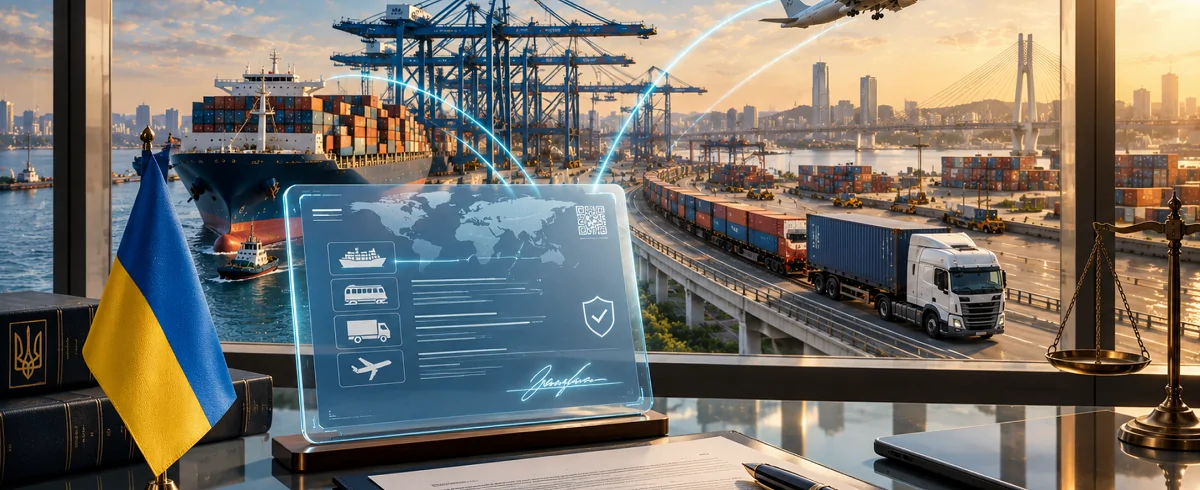
Back in 2021, Ukrainian legislation officially regulated the delivery scheme in which several modes of transport are combined for a single route.
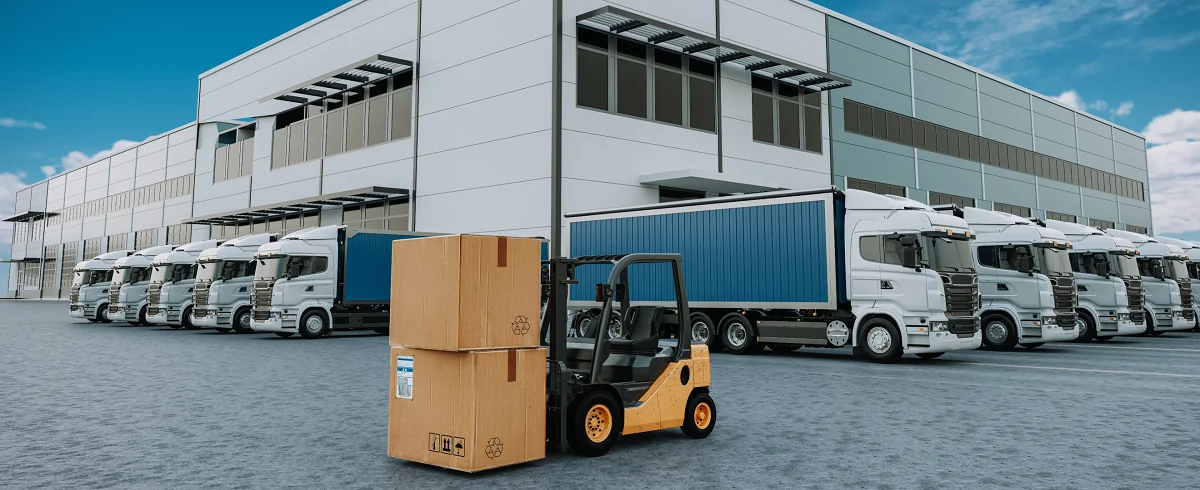
For a business, a logistics company is one reliable partner instead of a dozen separate contractors. It handles communication with carriers and quickly resolves force-majeure situations on the road

Without reliable delivery, a farmer’s harvest won’t reach the market on time. A logistics company for a farmer is not just a service provider — it’s a partner on whom the financial outcome of the season depends.
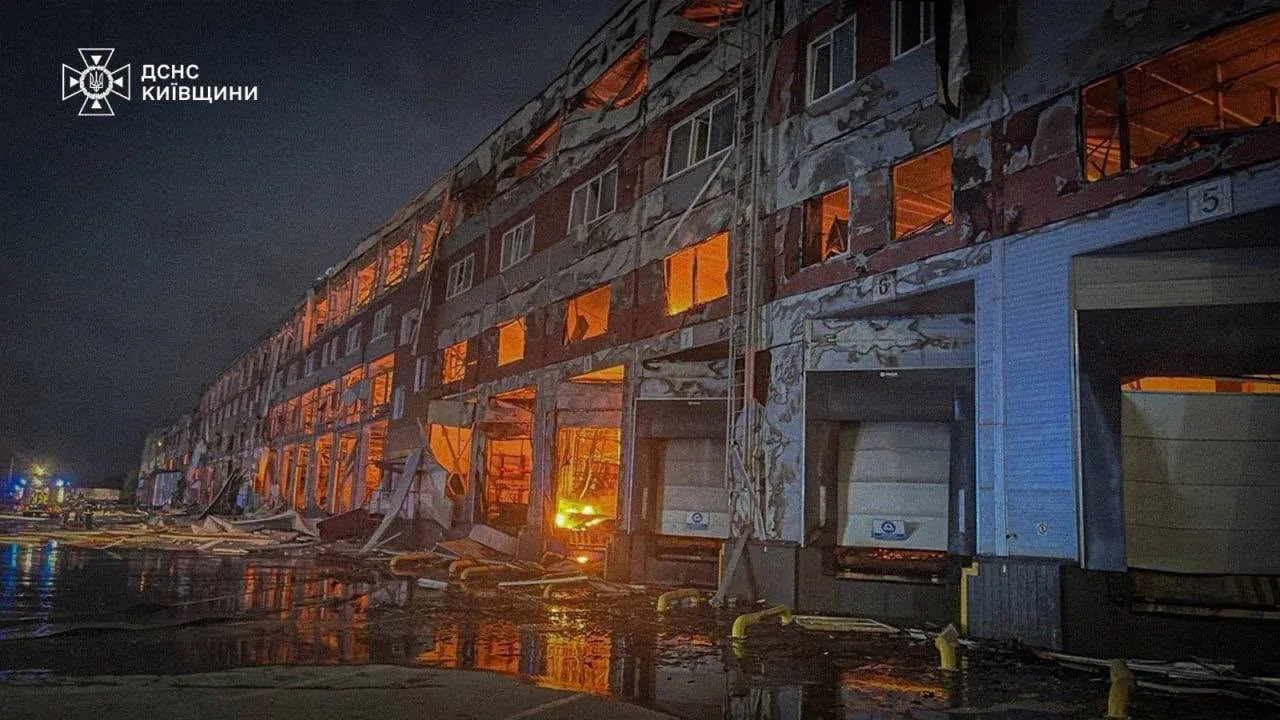
On the night of July 19, 2026, a massive missile attack severely damaged the Ekol Logistics distribution center located in the AMTEL logistics complex.
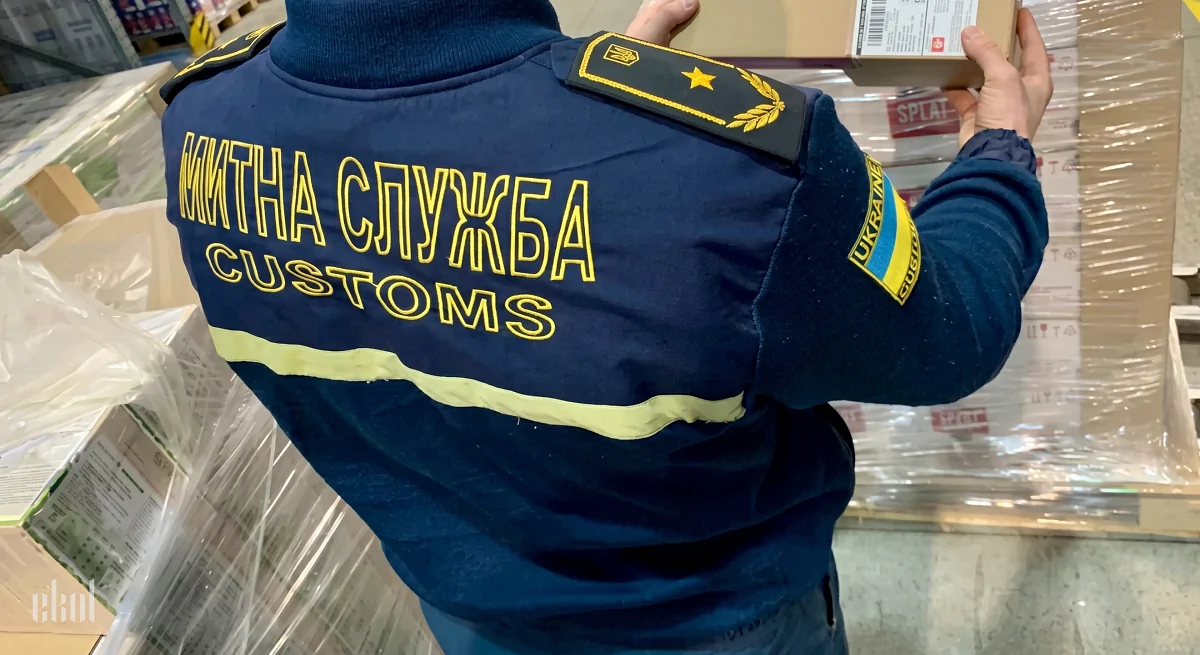
The changes for Ukrainian exporters in 2026 concern not only export clearance procedures but also the organization of shipments to EU countries.
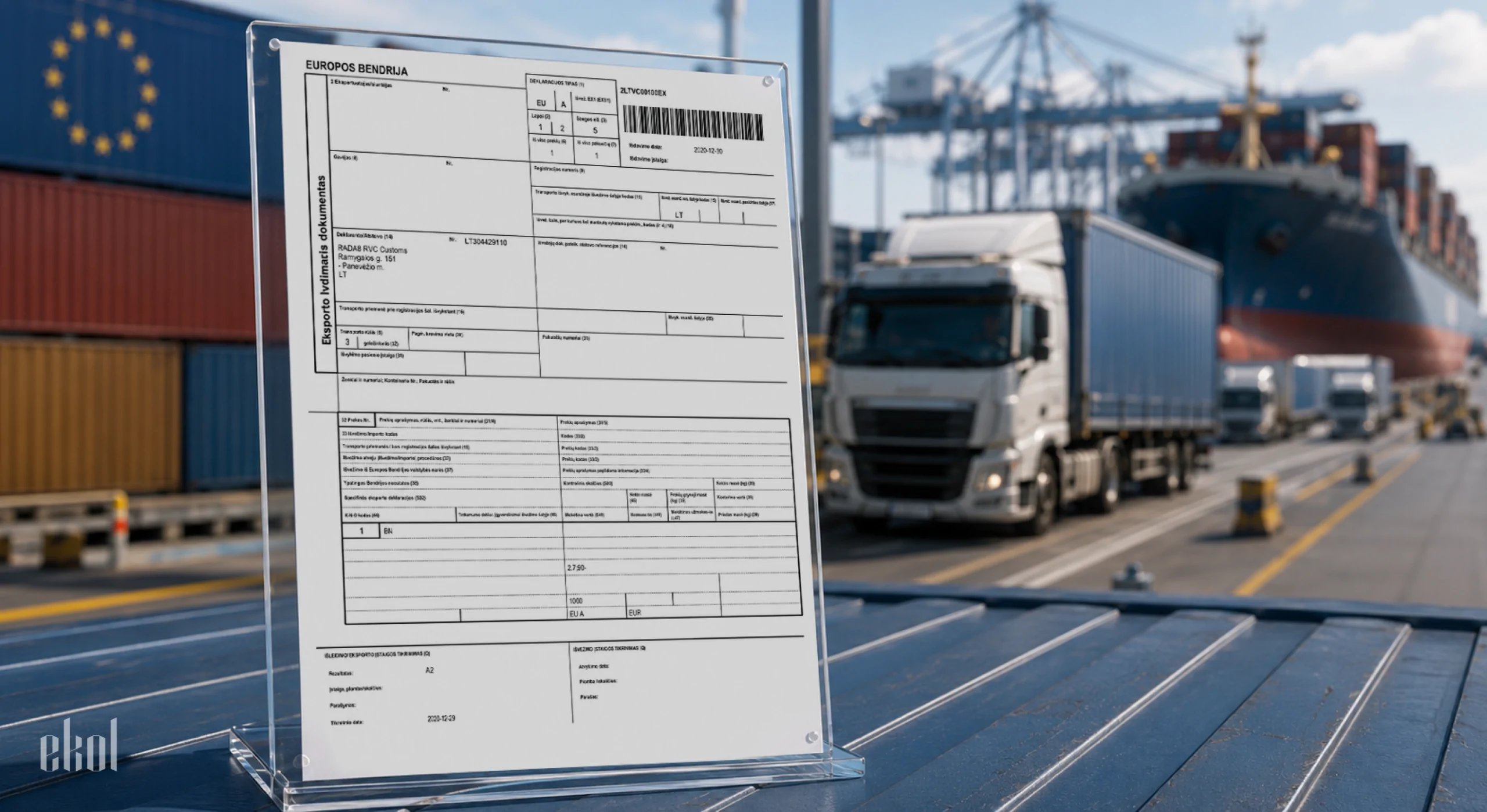
Export requires proper customs clearance and document preparation. For businesses, it is important not only to deliver the goods but also to successfully complete all procedures when crossing the border.

Anna
Business development manager

Volodymyr
Business development manager

Artur
Business Development Manager
