

What Are Multimodal Transportations and What Are Their Advantages
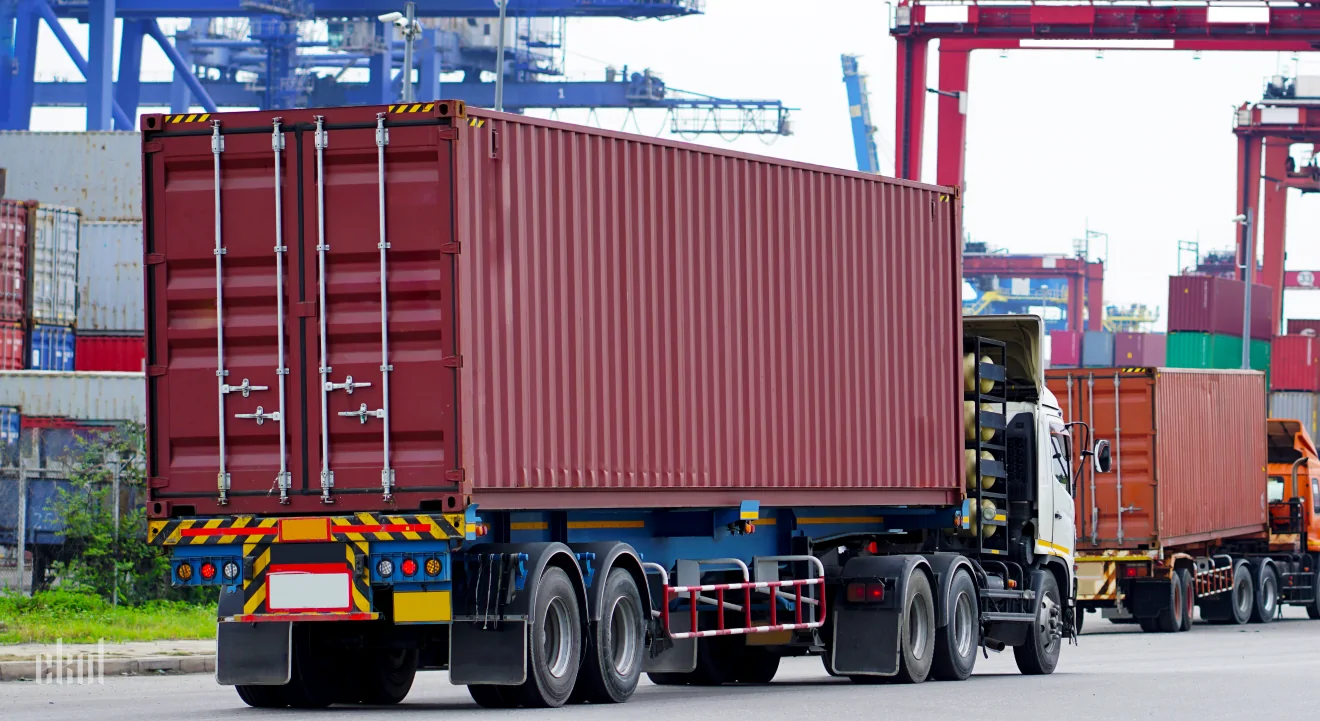
Market globalization dictates new rules: speed, flexibility, and cost minimization have become the foundation of survival for any enterprise. When standard delivery by a single mode of transport becomes economically unprofitable or technically impossible, complex but highly efficient schemes come to the rescue. Today, multimodal transportation is precisely the lever that allows businesses to enter remote markets without losing profitability. The company Ekol, having many years of experience, offers to look behind the scenes of this process and understand how to properly configure supply chains.
What Is Multimodal Transportation
For many entrepreneurs, the term seems complicated, but in fact it is explained quite simply. It is a cargo delivery system in which two or more modes of transport are used (for example, sea + road or rail + air), but the entire process is managed by one logistics operator under a single contract.
“The main difference of multimodality is the ‘single window’ principle. The client does not need to search for separate carriers for each stage of the route, since one company is responsible for the entire journey, which significantly simplifies management and financial settlements,” notes an Ekol specialist.
It is important to distinguish between multimodality and intermodality. In intermodal schemes, the cargo owner independently concludes agreements with several carriers, whereas in our case all responsibility lies with the freight forwarder.
Basic Principles of Organizing Multimodal Transportation
Effective organization of multimodal transportation is based on the synchronization of all links. According to Ekol experts, the key factor here is containerization. The use of standard containers makes it possible to avoid reloading the goods themselves at each stage, which minimizes damage and accelerates transit.
The main principles are:
- A single contract and operator responsibility.
- Optimization of warehouse processes at each hub.
- A through rate for the entire route.
- Use of specialized infrastructure (terminals and hubs).
Such a logistics architecture removes the burden of operational routine from the shoulders of the business, because instead of a dozen different carriers you interact with one partner who controls the transportation of your cargo from loading to final unloading.
Modes of Transport in Multimodal Logistics
Within one delivery, various combinations may be involved. The choice depends on urgency, budget, and the characteristics of the goods. As a rule, multimodal transportation in Ukraine includes the following combinations:
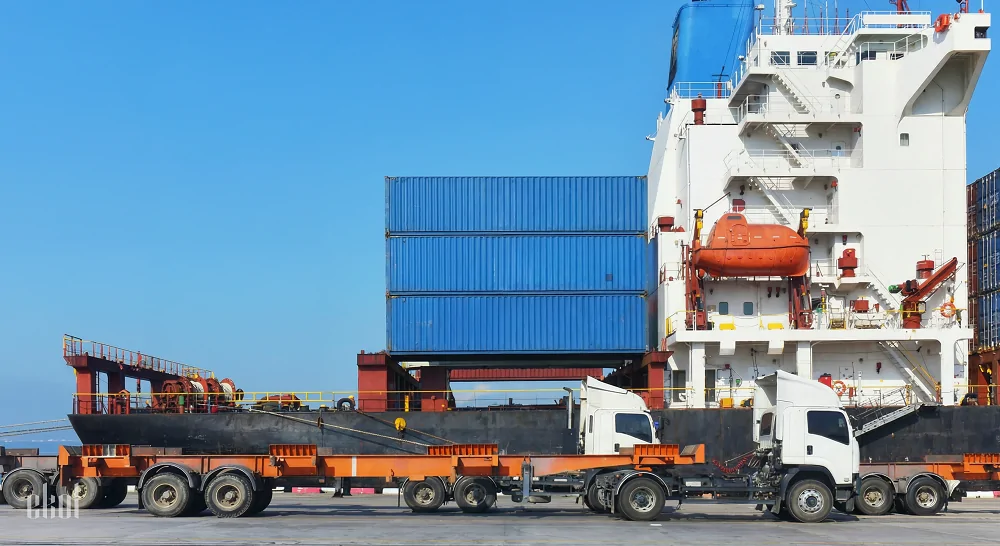
- Sea transport + road. The most popular scheme for intercontinental import. The container arrives at the port, after which the carrier delivers it by truck directly to the client’s warehouse.
- Rail + road. Optimal for large batches of goods within the continent, allowing significant savings on freight.
- Air + road. Used for urgent cargo when “door-to-door” delivery requires the speed of an aircraft and the mobility of a truck.
It is necessary to choose those pieces of the transport network puzzle that here and now best form an economically justified route, leaving unnecessary costs aside.
Advantages of Multimodal Transportation for Business
Enterprises choose combined delivery not only because of geographical limitations. Multimodal transportation has a number of strategic advantages:
| Advantage | Description for business |
| Cost savings | Use of cheaper modes of transport on long sections (sea, rail). |
| Time optimization | Ability to flexibly change the route in case of traffic jams or queues at the border. |
| Security | One party is responsible for the entire cargo movement cycle. |
| Geography | Delivery to any point in the world, even in the absence of direct connections. |
These are ideal logistics solutions for international delivery, allowing export scaling without capital investment in a private vehicle fleet.

Stages of Organizing Multimodal Transportation
Understanding how multimodal transportation works helps businesses better control supply. The process takes place as follows:
- Development of an optimal route taking into account the specifics of the cargo.
- Selection and consolidation of goods at the terminal (if necessary).
- Issuance of a single transport document.
- Direct transportation with changes of transport modes at hub stations.
- Distribution of goods to the final recipient.
It is this sequence of actions that allows us to guarantee that a change of transport along the route will remain only a technical nuance that will in no way slow down your business.
Documentation and Customs Clearance
One of the most complex parts is document management. In multimodal transportation, a through Bill of Lading is often used. It confirms the acceptance of the cargo by the operator and their obligation to deliver the goods to the final destination.
Ekol experts emphasize that proper certification and preparation of documents for customs at the outset make it possible to avoid downtime during changes of transport.
Risks and Ways to Minimize Them
Any complex system has its vulnerabilities. Transportation risks include weather conditions, delays at terminals, or mechanical damage during forwarding.
To minimize these factors, Ekol recommends:
- Mandatory insurance of the full value of the cargo.
- Selection of proven hubs with developed infrastructure.
- Continuous monitoring of the container’s location.
We simply leave no room for chance, turning potentially dangerous sections of the route into controlled segments where decisions are backed by real insurance and round-the-clock supervision of every sealed container.
Who Multimodal Transportation Is Suitable For
This type of logistics is universal; however, it is particularly appropriate for:
- Large retail chains.
- Manufacturers of equipment and specialized machinery.
- Companies engaged in imports from China, the USA, or Asia.
- Enterprises for which optimizing the cost per unit of goods is critically important.
If your goal is stable multimodal delivery, it is worth paying attention to the choice of an ally. An experienced logistics partner will be able to offer options you may not have even considered, such as consolidating small batches into groupage containers.
Conclusions
Summing up, it can be stated that multimodal transportation is not just transportation, but a complex engineering process in which every component must function perfectly. The use of containers, a developed network of terminals, and professional warehousing allow businesses to significantly reduce the burden on the budget. Cooperation with Ekol provides access to the best practices of global logistics, making the journey of your goods predictable and safe.
FAQ
How is the price of multimodal transportation formed?
The price depends on freight costs for each mode of transport, port and terminal fees, customs clearance expenses, and the freight forwarder’s remuneration. Thanks to route optimization, the total cost is usually lower than the sum of separate deliveries.
Is it possible to track cargo during a change of transport mode?
Yes, modern logistics operators, such as Ekol, provide the possibility of online monitoring. You can see where your container is located: on the deck of a vessel, in a railway car, or on a truck platform.
When is it advisable to choose multimodal cargo delivery?
Such a scheme should be chosen when direct delivery by a single mode of transport is impossible (for example, across an ocean) or too expensive. It is the best option for long distances and international trade.
read more
Similar articles
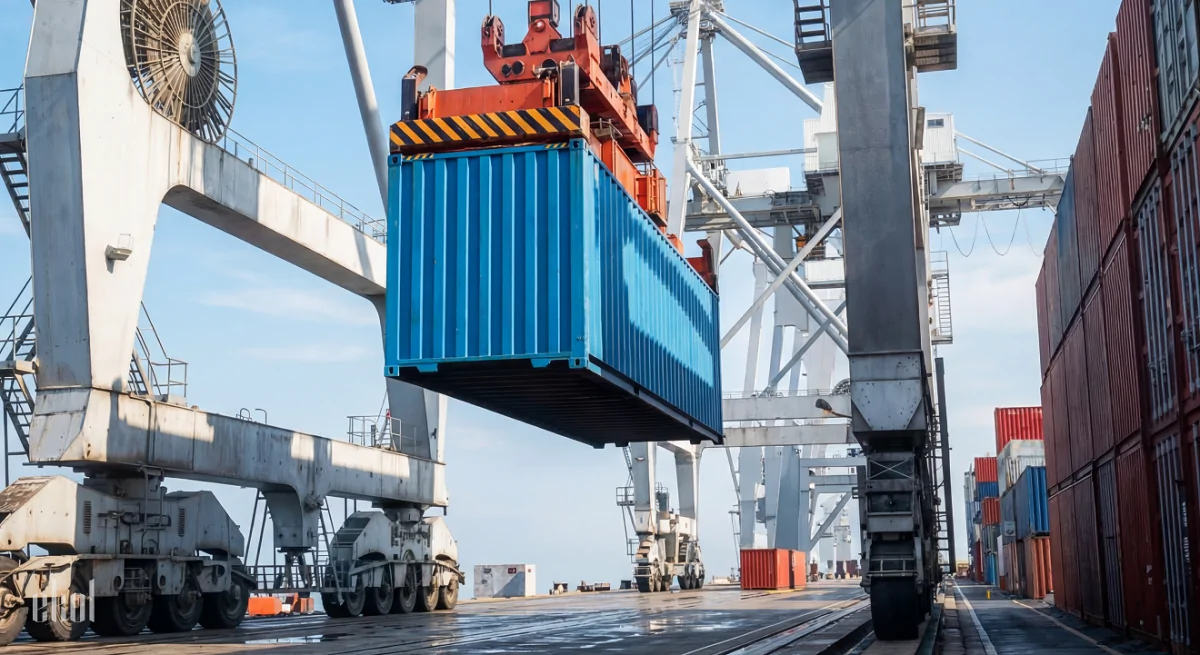
In modern supply chains, speed, reliability, and transparency of delivery are of utmost importance. Businesses constantly face rising freight costs, changes in customs rules, and other transformations.
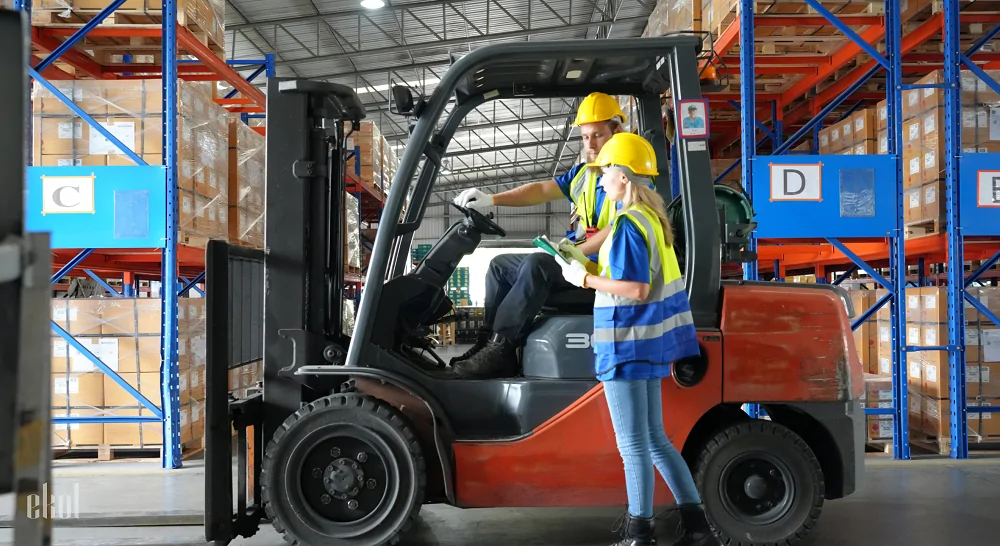
The organization of supply chains is no longer merely a supporting business function. Modern logistics forms the basis of companies’ competitive advantages and significantly affects their
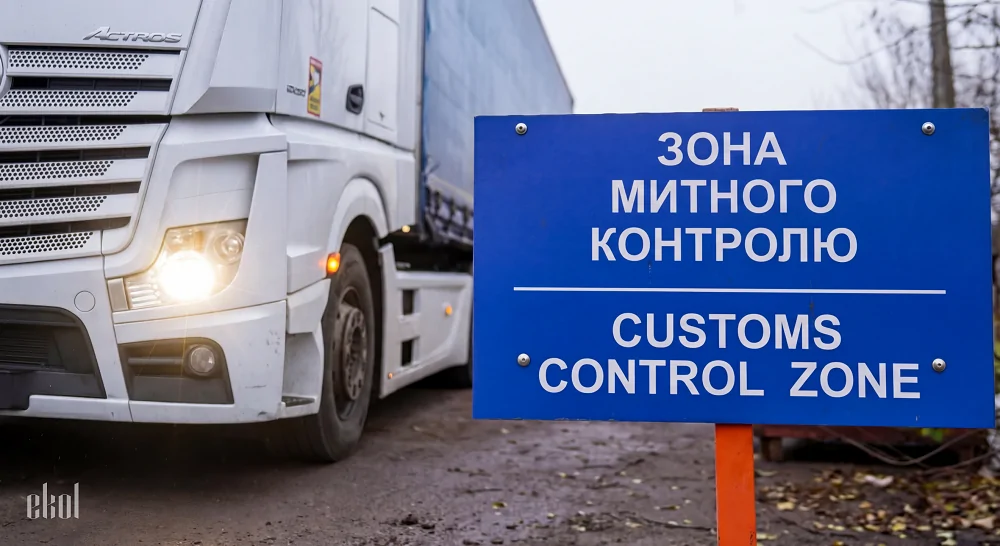
International trade, the import and export of goods, directly depend on the effectiveness of regulating the movement of cargo across the border
The logistics sector is dynamically changing under the influence of globalization, technological innovations, and changes in the geopolitical situation.

The logistics trends for B2B in 2026 significantly influence the market’s development, shape customer expectations, and change company business models

Logistics is a crucial part of business in the B2B segment, and it directly impacts how production processes will be organized

Anna
Business development manager

Volodymyr
Business development manager

Artur
Business Development Manager
