

What Ukraine Exports: Top Goods and Industries in 2026

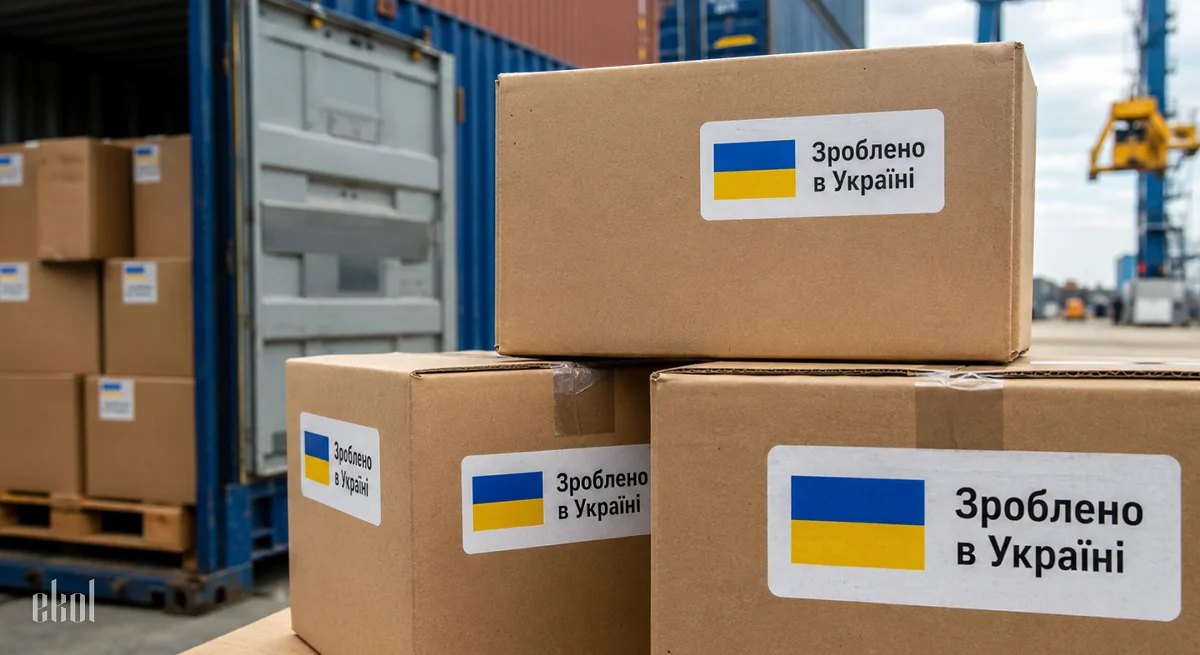
Ukraine’s economy is increasingly oriented toward foreign markets, and Ukraine’s exports in 2026 have undergone significant structural changes compared with previous years. The opening of new logistics corridors, deeper European integration and a shift away from traditional ports toward alternative routes have shaped a new map of the country’s export flows.
The company Ekol Logistics organizes daily deliveries of Ukrainian goods to Europe, Asia and the Middle East, and therefore has an up-to-date read on the market — which categories are growing, which are losing share, and where entrepreneurs bringing their products to export markets should invest.
The overall picture of foreign trade
Understanding what Ukraine exports today is the key to planning a business strategy. In previous years, exports were built on three large sectors: the agro-industrial complex, metallurgy and machine building. In 2026 the proportions have shifted — the agricultural sector has strengthened its position, metallurgy is recovering slowly, and the share of IT services and high value-added products is growing steadily.
Ukraine’s main export goods in 2026
Let’s break down Ukraine’s main export goods by industry:
- grains — wheat, corn, barley, oats;
- oilseed crops — sunflower, rapeseed, soybeans and their processed products;
- vegetable oils — sunflower, rapeseed, soybean;
- ferrous metals — rolled steel, wire rod, pig iron;
- ores and concentrates — iron ore feedstock, manganese ore;
- machine-building products — components, cable products, electrical equipment;
- timber and wood products — lumber, furniture blanks;
- dairy products and meat — cheeses, butter, poultry;
- IT services — software development, outsourcing, design;
- chemical products — fertilizers, organic compounds.
The structure of Ukraine’s exports by industry
Ukraine’s current export structure in 2026 looks roughly as follows:
| Industry | Share of exports | Trend |
| Agro-industrial complex | 45–50% | Growth |
| Metallurgy | 12–15% | Slow recovery |
| Machine building | 8–10% | Stable |
| IT services | 8–9% | Active growth |
| Chemical industry | 4–5% | Stable |
| Woodworking | 3–4% | Moderate growth |
| Food industry | 5–7% | Growth |
| Other industries | 6–8% | Mixed |
Which goods Ukraine exports: the agricultural sector
When looking at which goods Ukraine exports, it is impossible not to start with the agro-industrial complex. Ukrainian grain has traditionally ranked among the world’s top five exporters of wheat and corn. In 2026 the country remains an important food supplier for North Africa, the Middle East and Southeast Asia.
Key agricultural export items:
- corn — the main grain export product;
- wheat — steady demand from Egypt, Indonesia, Morocco;
- sunflower oil — leadership in the global vegetable oil trade;
- soybeans and meal — demand from the EU and Turkey;
- honey, nuts, berries — niche products with high margins.
Ukraine’s largest exports: top sales markets
The question of Ukraine’s largest exports by recipient country in 2026 has a clear answer. The top five destinations:
- The European Union — over 55% of all exports, with the main countries being Poland, Germany, Italy and Romania.
- Turkey — an important trading partner for agricultural products and metal.
- China — mostly metallurgy and chemicals.
- India — grains and oilseed crops.
- Egypt — wheat, oil, corn.
Export logistics corridors
It is not only the product mix that has changed, but also the delivery routes. The main corridors in 2026:
- maritime, through the ports of Odesa, Chornomorsk and Izmail — the bulk of agricultural exports;
- rail and road across the western borders — to EU countries;
- “solidarity lanes” through Poland, Romania and Slovakia;
- the Danube corridor — through the ports of Izmail and Reni;
- new routes through the Baltic states — Klaipeda and Gdansk.
“In 2026 the average length of an export route from Ukraine has grown by 25–35% compared with the pre-war period. This has radically changed logistics-planning requirements: businesses that used to manage with a single maritime corridor now have to use combined solutions.”
— note the specialists at Ekol Logistics
Exporting goods from Ukraine: rules and documentation
Successful export of goods from Ukraine requires an understanding of the regulatory side. The minimum set of documents for customs clearance includes:
- a foreign trade contract with a detailed specification;
- an invoice and a packing list;
- a certificate of origin (Certificate of Origin, EUR.1);
- a phytosanitary or veterinary certificate for agricultural products;
- a CITES declaration for timber products;
- freight forwarding documents — CMR, bill of lading, air waybill;
- a currency passport for the foreign trade transaction.
For a comprehensive setup of export shipments, it is best to use multimodal transportation — it lets you optimize cost and delivery times by combining different modes of transport.
Challenges for exporters in 2026
Despite growing volumes, the market faces a number of difficulties:
- higher logistics costs due to longer routes;
- queues at borders during peak periods;
- a shortage of refrigerated transport for food products;
- EU requirements for product traceability and safety standards;
- exchange rate fluctuations;
- competition from other agricultural-exporting countries.
IT services: a new export driver
Ukraine’s IT sector retains a leading position in Eastern Europe. The main areas of service exports:
- custom software development;
- outsourcing of IT support and QA;
- mobile app development;
- UX/UI design and front-end development;
- artificial intelligence and machine learning;
- blockchain and crypto technologies.
The main markets are the USA (about 45% of IT exports), the European Union, the United Kingdom and Canada.
Planning entry into new markets also means planning the transport component. Ready-made transport solutions for export flows can be tailored to a specific industry, volumes and shipping geography.
“The right choice of transport scheme often saves 10–20% of the logistics budget. The key is a comprehensive approach — using multimodal solutions with an optimal balance of road, rail and sea legs.”
— note the specialists at Ekol Logistics
FAQ
Forecasts for 2026–2027
Analysts point to several key trends for the coming years:
- continued growth of agricultural exports with a gradual shift toward processing;
- expansion of dairy and meat product exports to the EU;
- growth in exports of value-added food products;
- steady growth of IT services despite global volatility;
- a gradual recovery of metallurgical exports;
- development of “green” energy products.
For long-term planning of regional expansion, it is worth considering ready-made international transportation — it covers the key trade destinations and lets you build stable supply chains.
Which industries have the greatest export potential
Over the next 2–3 years the greatest potential lies in processed agricultural exports (ready meals, snacks, canned goods), dairy products for the EU, high-margin organic products, electronic components for European machine building, and IT services in AI and cybersecurity. These categories combine high added value with growing demand in target markets.
Where Ukraine exports the most
In 2026 the main destinations are the European Union countries (Poland, Germany, Italy and Romania — together more than half of exports), Turkey, China, India and Egypt. The role of the Polish and Romanian routes has grown considerably thanks to the logistics corridors.
read more
Similar articles
Everyday consumer goods dictate their own rules of the game for logistics. Fast turnover, short shelf lives, a wide distribution network and high retailer expectations all shape a distinct segment of the logistics market.

Modern business is not only about product and sales. It is a complex network of connections between raw material suppliers, manufacturers, warehouses, transport and final points of sale
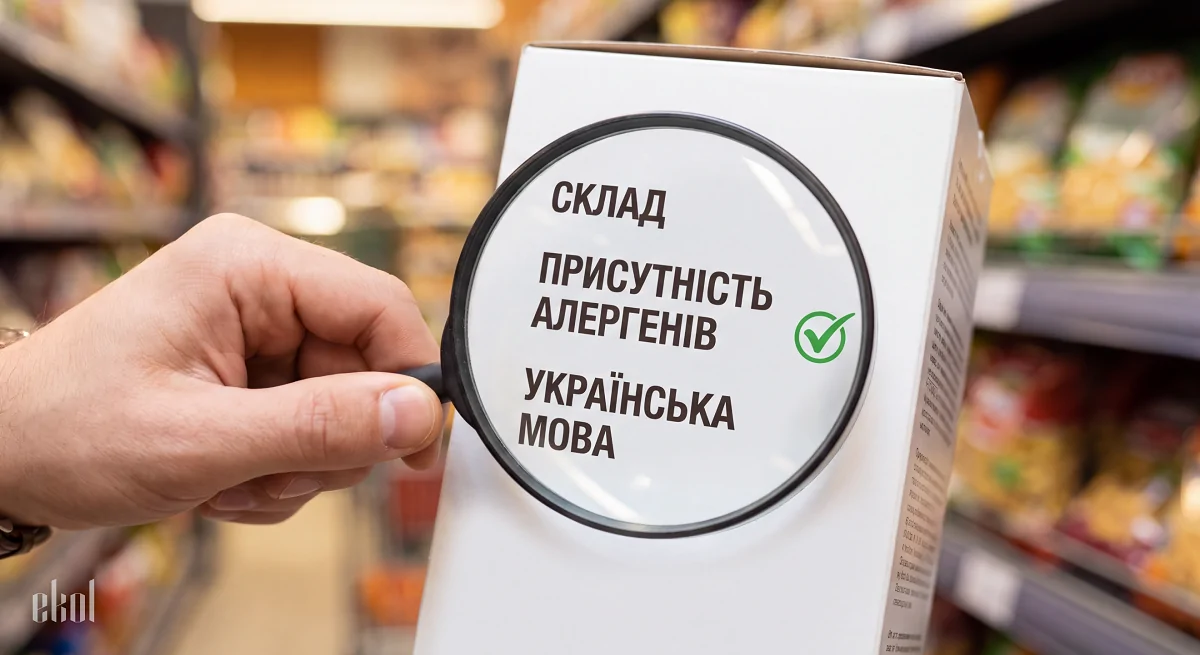
Every product that reaches the hands of a Ukrainian consumer must carry clear and complete information about the manufacturer, composition, shelf life and other essential characteristics.
Proper tractor transport across Ukraine starts with assessing the machine’s dimensions and selecting the right type of transport. This approach helps avoid fines and delays along the route.
For years, the domestic market relied on purchases from the PRC, but the era of Chinese factory monopoly is gradually coming to an end. Entrepreneurs are turning to other Asian countries, weighing product quality and partner reliability.
Back in 2021, Ukrainian legislation officially regulated the delivery scheme in which several modes of transport are combined for a single route.

Anna
Business development manager

Volodymyr
Business development manager

Artur
Business Development Manager
