

Logistics for FMCG: How to Ensure Uninterrupted Supply and Inventory Rotation

Everyday consumer goods dictate their own rules of the game for logistics. Fast turnover, short shelf lives, a wide distribution network and high retailer expectations all shape a distinct segment of the logistics market. Consumer goods logistics has become a separate discipline with its own technologies, standards and key performance indicators.
The company Ekol Logistics works actively with leading FMCG manufacturers and distributors in Ukraine and Europe. Let’s take a detailed look at how to build reliable supply and effective inventory rotation in this specific sector.
What FMCG is
FMCG (Fast Moving Consumer Goods) are everyday goods that are bought frequently, consumed quickly and have a relatively low unit price. The main categories:
- food products — dairy, meat products, snacks;
- soft drinks and water;
- alcoholic beverages;
- tobacco products;
- hygiene and personal care products;
- household chemicals;
- mass-market cosmetics;
- pet food.
The specifics of the FMCG supply chain
A classic FMCG supply chain has several key features:
- high turnover — the goods must sell within 1–3 months;
- large volumes with a relatively low margin per unit;
- a wide distribution network — from hypermarkets to kiosks;
- strict retailer standards for delivery times and quality;
- critically important temperature control for food products;
- constant promotions that affect peak volumes.
The main challenges of FMCG logistics
Effective FMCG logistics faces unique challenges:
- the need to maintain FIFO rotation (first in — first out);
- managing shelf life on every unit of goods;
- a multi-temperature regime within one warehouse (freezer, chiller, dry zone);
- demand peaks in pre-holiday periods with volumes growing 2–5 times;
- strict KPIs for OTIF (On-Time In-Full);
- fines from large retailers for delays or incomplete deliveries.
Warehouse logistics for FMCG
A standard FMCG warehouse has a particular structure:
- a receiving area with ramps and unloading systems;
- a dry zone for non-food goods (cosmetics, household chemicals);
- a temperature-stable zone for sensitive goods (chocolate);
- a chilled warehouse at +2…+6°C for dairy and meat products;
- a freezer at -18°C for frozen products;
- an order picking area;
- a shipping area with ramps.
| Warehouse type | Temperature range | FMCG categories |
| Dry warehouse | +15…+25°C | Household chemicals, hygiene, snacks |
| Climate-controlled | +15…+20°C | Chocolate, cosmetics |
| Chilled | +2…+6°C | Dairy, meat, ready meals |
| Frozen | -18°C and below | Ice cream, frozen products |
| Special | -25…-30°C | Frozen fish, specialty products |
Inventory rotation in FMCG
The main rotation methods:
- FIFO (First In, First Out) — the universal standard for most goods;
- FEFO (First Expired, First Out) — mandatory for goods with a shelf life;
- LIFO (Last In, First Out) — rarely, only for shelf-stable goods;
- SLED (Shelf Life Expiry Date) — management based on remaining shelf life;
- ABC-XYZ analysis — strategic management of different categories.
Tracking technologies in FMCG logistics
Managing such a complex system requires specialized IT solutions:
- a WMS with FEFO support and batch management;
- mobile terminals for real-time code scanning;
- automatic assignment of batches and lots;
- integration with traceability systems;
- automated reports for retailers in EDI format;
- demand forecasts based on historical data and promotions.
FMCG supply chains: a multi-tier model
Complex FMCG supply chains are built on a multi-tier model that allows all points of sale to be covered efficiently:
- Manufacturer → central distribution center (CDC).
- CDC → regional distribution centers (RDC) across the country.
- RDC → local distributors or large retailers.
- Local players → retail outlets.
- Retail outlets → the end consumer.
The role of transport logistics
Transport in FMCG has its own specifics:
- a refrigerated fleet for temperature regimes;
- GPS monitoring of temperature and humidity during transport;
- daily or multiple deliveries;
- consolidated cargo to optimize costs;
- semi-reefers (semi-trailers) for 33 pallets as the standard;
- specialized vehicles for retail outlets with limited access.
Ready-made transport solutions for the FMCG sector include refrigerated transport, consolidated cargo and regular deliveries along set routes.
FMCG logistics performance KPIs
- OTIF (On-Time In-Full) — on-time and complete deliveries: target value 95%+;
- Order Cycle Time — from order to delivery: 24–48 hours;
- Inventory Days on Hand — days in the warehouse: 15–45 days depending on the category;
- Case Fill Rate — order fulfillment level: 98%+;
- Write-off Rate — write-off of expired goods: less than 1% of turnover;
- Cost per Case — cost per case: continuous optimization.
“In FMCG, every extra day in the warehouse reduces a product’s remaining shelf life, and with it its market value. A logistics operator that cannot ensure a 24-hour receiving turnaround becomes the weak link in the whole chain and quickly loses customers.”
— note the specialists at Ekol Logistics
Managing promotions
Promotions create sales peaks 2–5 times above average. Effective logistics involves:
- Early planning — information about promotions 3–4 weeks before the start.
- Building sufficient stock at regional warehouses.
- A reserve of additional transport for the peak period.
- Dedicated picking teams.
- Flexible warehouse schedules.
- Prompt communication with retailers to redistribute remaining stock.
End-to-end logistics service for consumer goods manufacturers is a ready-made FMCG solution that covers warehousing, transport, document flow and work with retail.
Working with retail
Retailers have strict requirements:
- a precise unloading schedule — often with a 15–30 minute window;
- standardized pallets (EUR, USA standards);
- correct labeling with SSCC codes;
- EDI document exchange instead of paper;
- fines for deviations from the schedule or picking.
“A single late delivery to a large retailer can cost 2–5% of the contract value in fines. When working with large chains, a professional 3PL operator often saves more than the cost of its services through the minimization of fines alone.”
— note the specialists at Ekol Logistics
E-commerce challenges in FMCG
Recent years have revealed a new trend — the active growth of online FMCG sales. This requires logistics to adapt:
- a shift from pallet to unit picking;
- smaller packaging convenient for home delivery;
- faster timelines — from order to delivery within 1–4 hours in large cities;
- handling of returns and complaints;
- integration with online store platforms.
FAQ
How much FMCG logistics costs
The logistics share of the FMCG cost structure is 8–15% of revenue. Warehouse operations account for 3–6%, transport for 4–8%, and the remainder is management costs. Optimization through a 3PL operator usually yields savings of 10–25% on this cost item in the first year.
How to choose a logistics partner for FMCG
The key criteria: industry experience, the availability of suitable temperature-controlled warehouses, nationwide coverage, connection to retailers’ EDI systems, flexibility for seasonal fluctuations, the ability to scale volumes quickly, and clear KPIs in the contract. Be sure to check references from other clients in your segment.
Do you need your own warehouse
For large manufacturers — usually yes, since it is economically justified with consistently high volumes. For medium and small businesses it is better to work with a 3PL operator: it is more flexible, cheaper and provides quick entry to regional markets without investment in real estate.
How to monitor the quality of the logistics provider’s work
Through KPIs written into the contract with financial penalties for breaching them: OTIF, Case Fill Rate, response time to requests, and inventory accuracy. Regular (monthly, quarterly) reviews of KPI performance. Periodic audits of warehouse operations. Satisfaction surveys of retail outlets.
read more
Similar articles
Modern business is not only about product and sales. It is a complex network of connections between raw material suppliers, manufacturers, warehouses, transport and final points of sale
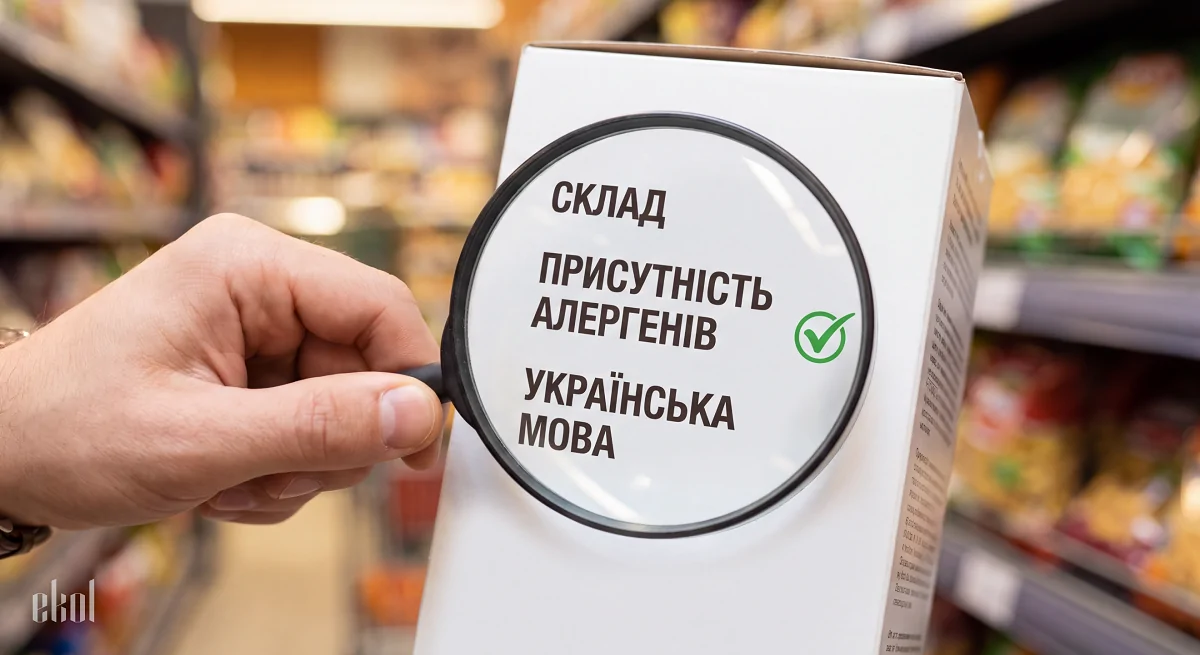
Every product that reaches the hands of a Ukrainian consumer must carry clear and complete information about the manufacturer, composition, shelf life and other essential characteristics.
Ukraine’s economy is increasingly oriented toward foreign markets, and Ukraine’s exports in 2026 have undergone significant structural changes compared with previous years
Proper tractor transport across Ukraine starts with assessing the machine’s dimensions and selecting the right type of transport. This approach helps avoid fines and delays along the route.
For years, the domestic market relied on purchases from the PRC, but the era of Chinese factory monopoly is gradually coming to an end. Entrepreneurs are turning to other Asian countries, weighing product quality and partner reliability.
Back in 2021, Ukrainian legislation officially regulated the delivery scheme in which several modes of transport are combined for a single route.

Anna
Business development manager

Volodymyr
Business development manager

Artur
Business Development Manager
