

Mandatory Product Labeling in Ukraine: Requirements and Rules

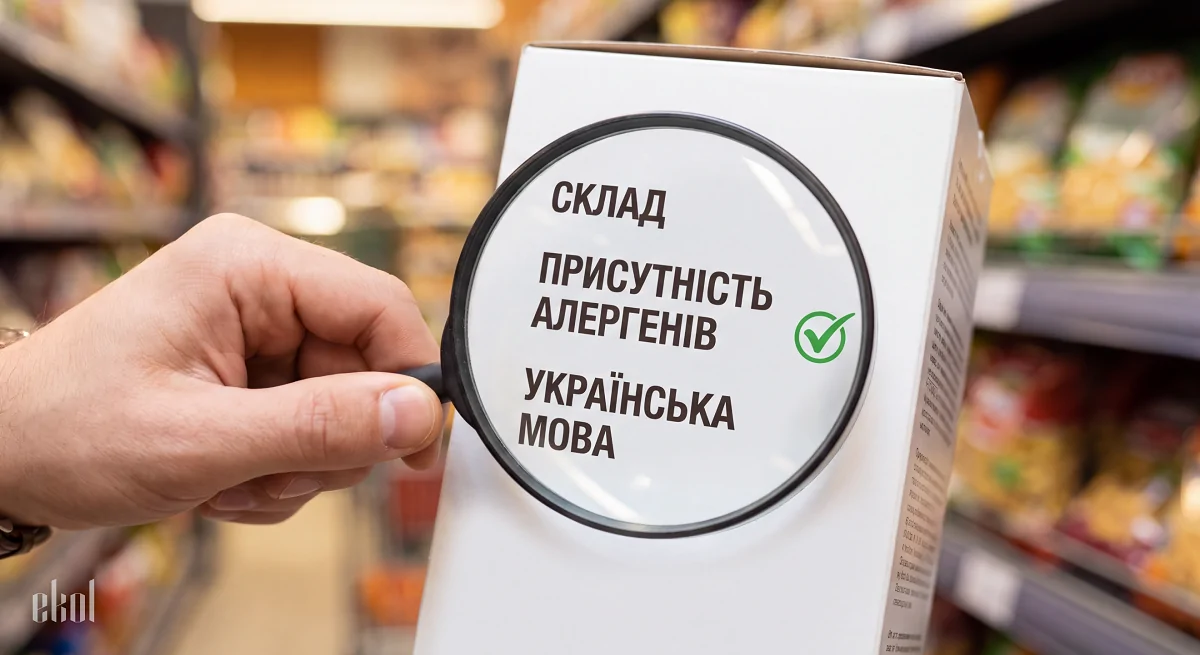
Every product that reaches the hands of a Ukrainian consumer must carry clear and complete information about the manufacturer, composition, shelf life and other essential characteristics. Product labeling is not merely a legal requirement but a key element of trust between seller and buyer. Let’s take a detailed look at what must appear on the label, which product categories require special handling, and how to avoid fines.
The logistics company Ekol Logistics works daily with thousands of product items across different categories — from FMCG to industrial equipment — and therefore has a solid understanding of current labeling requirements for both the domestic market and international circulation.
What product labeling is
In legal terms, product labeling in Ukraine is the placing on the product, packaging or accompanying documentation of information that identifies the product, its manufacturer, composition and consumer characteristics. The main goal is to ensure consumer protection, product traceability and compliance with safety requirements.
The legal framework
The main documents governing labeling:
- the Law of Ukraine “On Consumer Protection”;
- the Law of Ukraine “On the Provision of Food Information to Consumers”;
- technical regulations for specific product categories (food, cosmetics, electrical goods);
- the national standards of Ukraine (DSTU);
- Cabinet of Ministers resolutions on specific types of products;
- European directives for goods imported into or exported to the EU.
General requirements for product labeling
Universal product labeling requirements for all product categories:
- information is provided exclusively in Ukrainian;
- additional languages are permitted, but not in place of the state language;
- the font must be easily legible and contrast with the background;
- the minimum font size is no less than 1.2 mm for key elements;
- the information must not rub off or deteriorate during transport;
- information that misleads the consumer is not allowed;
- all markings are clear and correctly spelled.
Mandatory information on the label
The standard data included in product labeling in Ukraine is governed by the Law on Consumer Protection:
- the product name and its intended use;
- composition — for food, cosmetics and household chemicals;
- net weight, volume or unit count;
- date of manufacture and shelf life;
- storage and use conditions;
- the manufacturer’s name and location;
- country of origin;
- information on conformity certification;
- a barcode (if available).
Product categories and specific requirements
| Category | Special requirements | Regulator |
| Food products | Composition, nutritional value, allergens | State Service for Food Safety and Consumer Protection |
| Cosmetics | INCI composition, CE mark, warnings | State Service for Food Safety and Consumer Protection |
| Clothing and textiles | Material composition, care instructions | State Service for Food Safety and Consumer Protection |
| Home appliances | Energy efficiency class, CE marking | State Service for Food Safety and Consumer Protection |
| Toys | Conformity mark, age rating | State Service for Food Safety and Consumer Protection |
| Medicines | Dosage, 2D barcode, batch number | Ministry of Health, State Service on Medicines |
| Tobacco | Health warning, excise stamp | State Tax Service |
| Alcohol | Volume, alcohol content, excise stamp | State Tax Service |
Labeling requirements for food-category products
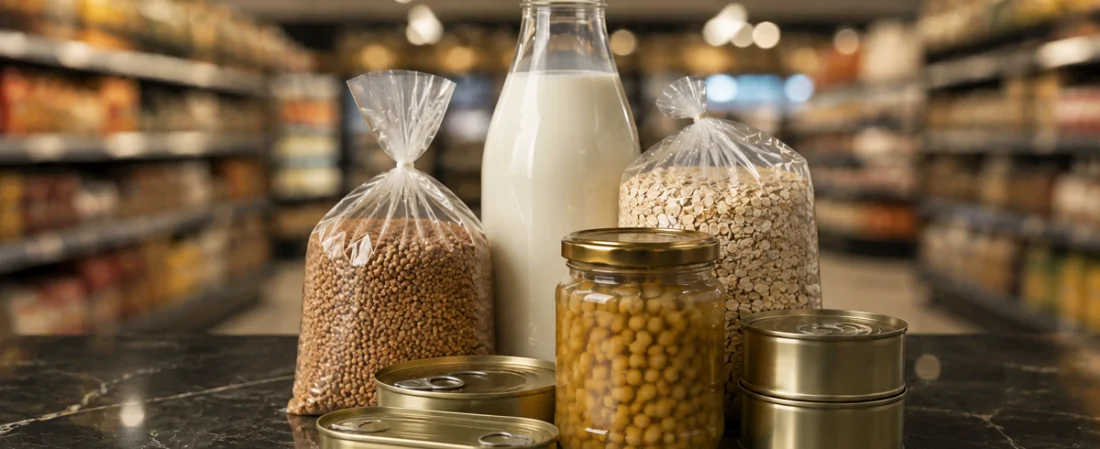
The most detailed product labeling requirements apply to food products. The mandatory elements:
- a full list of ingredients in descending order of quantity;
- allergens highlighted in bold (gluten, lactose, soy, nuts, eggs);
- nutritional value per 100 g of product (calories, proteins, fats, carbohydrates);
- nutrients highlighted on the packaging for marketing purposes;
- preparation instructions (where needed);
- GMO status — mandatory declaration when the content exceeds 0.9%.
Labeling of imported goods
Goods imported into Ukraine must carry additional elements:
- a translation of all information into Ukrainian;
- importer details (name, address);
- certificates of conformity with Ukrainian standards;
- a correct declaration of the country of origin;
- information on the declaration of conformity with technical regulations.
“The most common mistake importers make is re-labeling by makeshift means. Glue that peels off within a month, or stickers that cover essential information on the original packaging, are a direct path to claims from regulators and the return of the batch.”
— note the specialists at Ekol Logistics
Barcoding and modern technologies
Current product identification technologies:
- linear EAN-13 barcodes — the standard for most FMCG;
- 2D DataMatrix codes — mandatory for medicines and tobacco;
- QR codes — extended information for the consumer;
- RFID tags — for large logistics operators;
- digital traceability systems — “Meat of Ukraine”, “GMPro”.
Penalties for violations
Liability for violating labeling requirements:
- absence of the state language on the label — a fine of UAH 8,500–17,000;
- inaccurate information about composition — up to UAH 25,500;
- selling goods without documents of origin — confiscation of the batch;
- violating labeling requirements for medicines — up to 100 tax-free minimums;
- repeat violations — fines are doubled.
Logistics and labeling
Correct labeling is critically important not only for retail sales but also for logistics operations:
- SSCC codes on pallets for automated scanning in warehouses;
- batch codes and manufacturing dates for FIFO rotation;
- labeling of dangerous goods (ADR class);
- temperature requirements for refrigerated logistics;
- “Fragile” and “This way up” labels and other cargo-specific markings.
For goods that reach the retail network through a logistics operator, correct labeling at every stage of the chain is important. Freight transportation across Ukraine with properly prepared accompanying documents and labeling helps avoid delays when goods are received by retail chains.
“Scanning automation at a modern distribution center reaches 1,200–1,500 pallets per hour. A single misplaced or unreadable label can halt an entire line. That is why labeling is not only about the law but also about the speed of your logistics chain.”
— note the specialists at Ekol Logistics
Labeling trends for 2026
- expansion of mandatory “green” labeling (recycling, eco-friendliness);
- development of the Digital Product Passport for the EU;
- expansion of the categories requiring mandatory 2D coding;
- automation of labeling verification via blockchain;
- integration with the “Diia” systems and the IT platforms of state registries.
Practical recommendations for entrepreneurs
- Before launching a new product, check the labeling requirements against the current technical regulation for your category.
- Order the packaging layout with legal support — it costs less than a fine.
- Use quality materials resistant to moisture, abrasion and temperature swings.
- Check the barcode’s readability with a scanner while it is still at the prototype stage.
- Keep batch records — this makes it possible to quickly identify and recall problem products.
- Update your layouts whenever the legislation changes.
FAQ
What information may be provided in English
Only as a duplication. The primary information is always provided in Ukrainian. English is acceptable for international elements (INCI ingredients in cosmetics, the commercial brand name, international quality marks), but a Ukrainian translation must appear alongside it.
Is separate labeling needed for online sales
Yes. A product sold online must carry the same labeling as in retail. In addition, the information must be fully available on the website — a photo of the packaging, a detailed description of the composition, and the manufacturer’s details. Violating these rules leads to fines.
How often the requirements change
On average there are 3–4 significant changes a year across different categories. The requirements for food products, cosmetics and medicines change most dynamically. The recommendation is to review the current technical regulations once a quarter or subscribe to specialized legal newsletters.
read more
Similar articles
Everyday consumer goods dictate their own rules of the game for logistics. Fast turnover, short shelf lives, a wide distribution network and high retailer expectations all shape a distinct segment of the logistics market.

Modern business is not only about product and sales. It is a complex network of connections between raw material suppliers, manufacturers, warehouses, transport and final points of sale
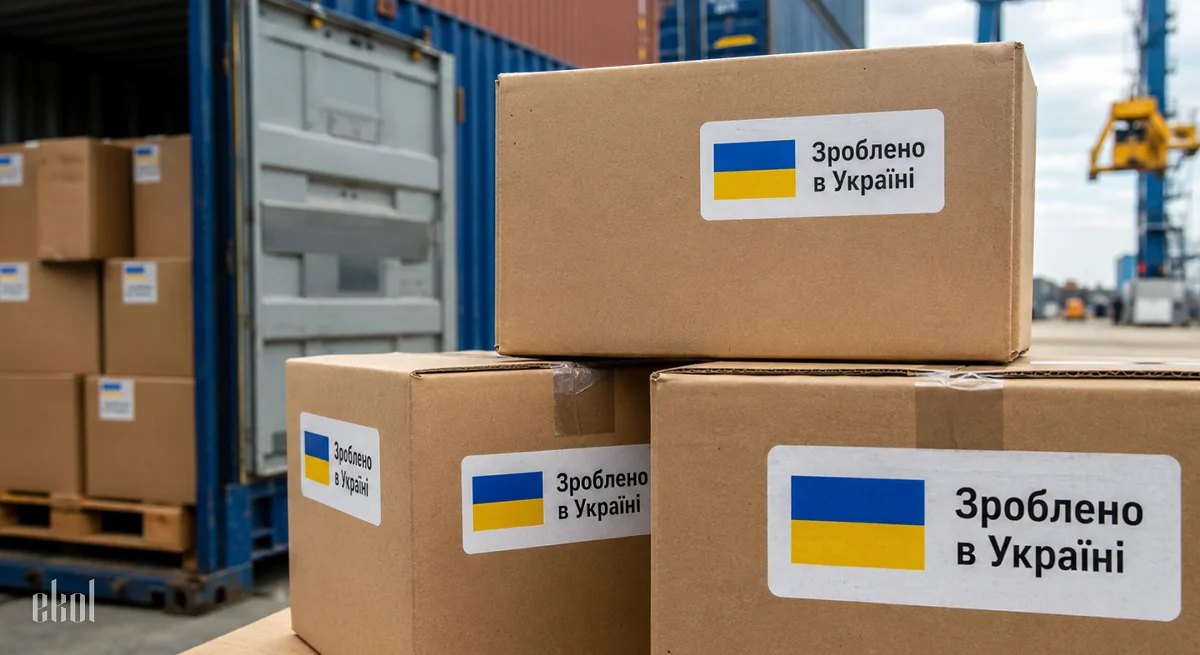
Ukraine’s economy is increasingly oriented toward foreign markets, and Ukraine’s exports in 2026 have undergone significant structural changes compared with previous years

Proper tractor transport across Ukraine starts with assessing the machine’s dimensions and selecting the right type of transport. This approach helps avoid fines and delays along the route.
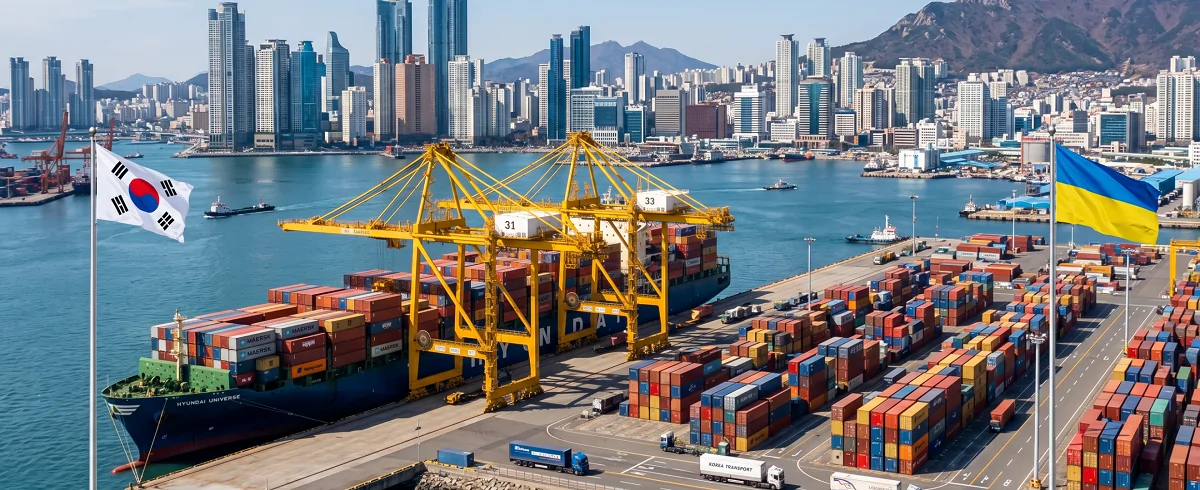
For years, the domestic market relied on purchases from the PRC, but the era of Chinese factory monopoly is gradually coming to an end. Entrepreneurs are turning to other Asian countries, weighing product quality and partner reliability.

Back in 2021, Ukrainian legislation officially regulated the delivery scheme in which several modes of transport are combined for a single route.

Anna
Business development manager

Volodymyr
Business development manager

Artur
Business Development Manager
