

Analytics and Blog
Stay up to date with trends, the latest technologies and innovations in logistics

The success of your business depends on a well-organized logistics operation. Choosing a logistics provider in 2025 goes beyond price and delivery times. More important factors include reliability, a personalized approach, adaptability, and an in-depth understanding of the Ukrainian market. Partnering with a strong logistics provider is a competitive advantage. But how do you find a logistics partner who won’t let you down when it matters most?

According to analysts at Grand View Research, the global logistics market is projected to grow at a compound annual growth rate (CAGR) of 7.2%, reaching a market value of $5.96 trillion by 2030. With such rapid growth, it’s essential to understand how logistics will evolve in 2025 to stay ahead of industry trends and accelerate the growth of your own transport or logistics business. At the very least, companies should begin preparing for sweeping changes that will impact virtually every stage of the supply chain.
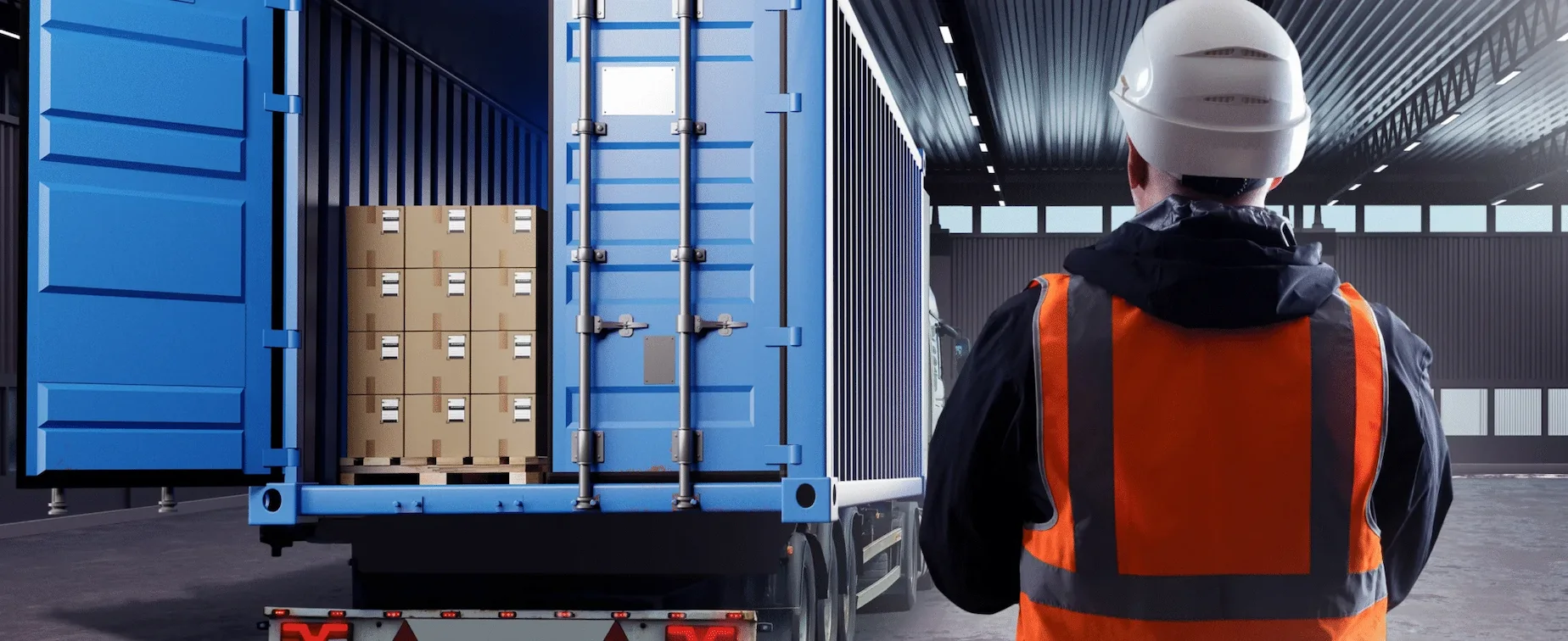
International logistics offers a wide range of shipment formats tailored to B2B clients. However, this variety often creates more questions than answers, especially when it comes to choosing the right transport method for your needs. In this guide, you’ll learn how to choose between FTL and LTL shipping, and what the key advantages and drawbacks of FCL and LCL are.

Successful companies of the 2020s share one trait — they no longer see logistics as a cost center, but as a source of competitive advantage. Amid geopolitical instability, rising costs, and fluctuating demand, logistics has become a critical driver of flexibility, scalability, and time-to-market. More and more businesses are shifting their operational — and even product — models to adapt to a new logistics reality: flexible, digital, predictable. This is not the future — it’s already happening.

Ukrainian logistics is holding on — despite war, shelling, and infrastructure shortages. But “holding on” is not the same as “operating systematically.” The sector is surviving, not developing. And that’s the biggest issue for businesses looking to grow, scale, or integrate into global supply chains. To change the situation, we must first call things by their name.

When it comes to oversized cargo logistics, it’s always more than just transportation. It’s an engineering project, a customs quest, a legal chess match, and a test of the supply chain’s flexibility. But most importantly, it’s an opportunity. For businesses operating on a scale beyond the standard, oversized logistics opens the door to new markets, production expansion, and turnkey project delivery.

Anna
Business development manager

Volodymyr
Business development manager

Artur
Business Development Manager
