

Logistics Under Pressure: Why Sector Weakness Holds Back the Economy — and How to Fix It
Ukrainian logistics is holding on — despite war, shelling, and infrastructure shortages. But “holding on” is not the same as “operating systematically.” The sector is surviving, not developing. And that’s the biggest issue for businesses looking to grow, scale, or integrate into global supply chains. To change the situation, we must first call things by their name.


A Systemic Infrastructure Crisis — Not Just a Local Inconvenience
Destroyed roads, damaged bridges, and closed seaports are not mere “disruptions.” These are factors that raise costs, delay supply chains, and reduce competitiveness.
Facts:
- Over 25,000 km of roads have been damaged.
- Most freight flows are forced through just 5–6 border crossings in the west.
- Transportation that used to take 2 days may now take a full week.
The result — unstable supply, especially in critical B2B sectors: agriculture, industry, and FMCG.
Talent Shortage: Logistics Can’t Run Without People
Mobilization, migration, and the departure of skilled workers have hit the logistics chain as hard as infrastructure damage.
At risk:
- Drivers (especially with C+E licenses)
- Technical personnel for warehouse and vehicle maintenance
- Mid-level dispatchers and logisticians
This causes:
- Delivery delays
- Increased labor costs
- Scalability bottlenecks
Lack of Logistics Hubs and Modern Services
As long as businesses are forced to find warehouses, arrange transport, and handle customs clearance on their own — logistics remains a burden, not a competitive advantage.
Common problems:
- No cross-docking infrastructure in western regions
- Few multimodal platforms
- Warehouses lack automation or WMS
- End-to-end logistics services are rare
The outcome: costs rise, speed drops, and service stays at a survival level.
Bureaucracy That Won’t Go Away
Despite customs simplifications, businesses still face:
- Unstable transit rules, especially through the EU
- Complicated procedures for oversized cargo
- Manual, paper-based documentation flows
This slows down international logistics and makes it nearly impossible for Ukrainian exporters to scale quickly.
And Yet — Logistics Can Become a Growth Engine
Ukraine has a strategic geographic position. Despite the challenges, now is the time to build next-level logistics.
What’s needed:
- Investment in logistics clusters in western Ukraine
- Digitalization: from TMS to customs APIs
- Public–private recovery projects
- Real EU integration — in processes, not just promises
What We See at Ekol Logistics — Every Day
We work with businesses that have it all: demand, a strong team, a great product — but they lose out in the supply chain.
We:
- Design routes based on real-time border dynamics
- Optimize logistics for evolving constraints
- Build models that help companies scale, even in unstable environments
Bottom Line: Logistics Isn’t Just Transport — It’s Strategy
Ukrainian business cannot grow in isolation from logistics. When the system fails, companies are left reinventing the wheel — spending valuable resources on what should already be a service.
read more
Similar articles
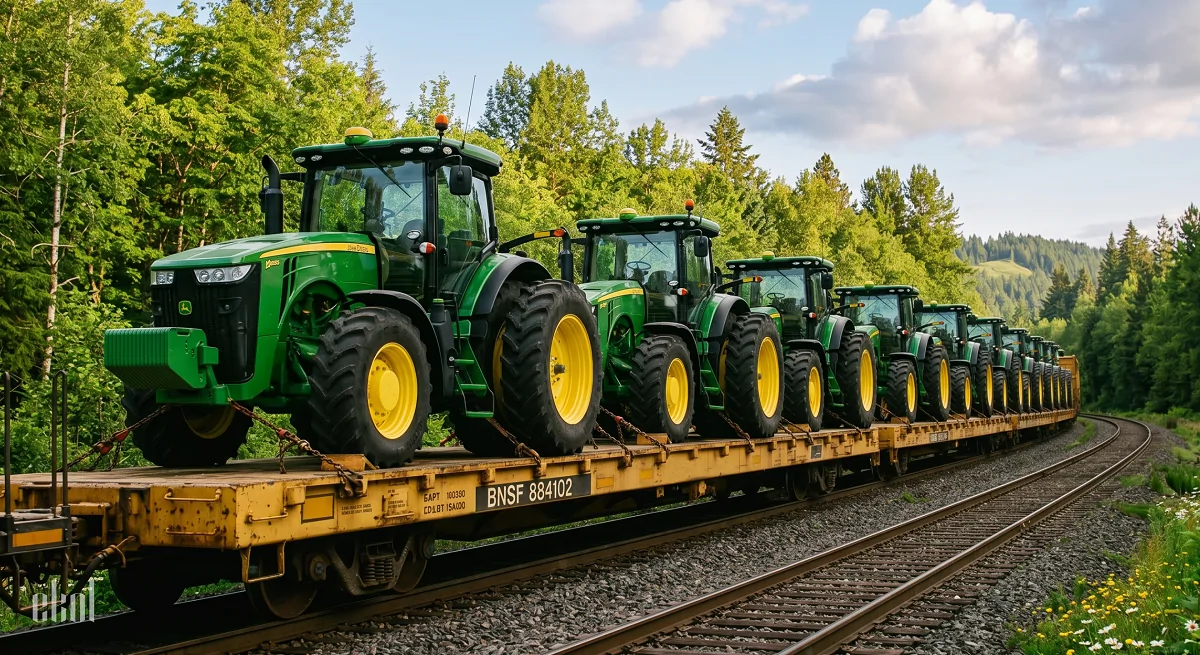
Proper tractor transport across Ukraine starts with assessing the machine’s dimensions and selecting the right type of transport. This approach helps avoid fines and delays along the route.
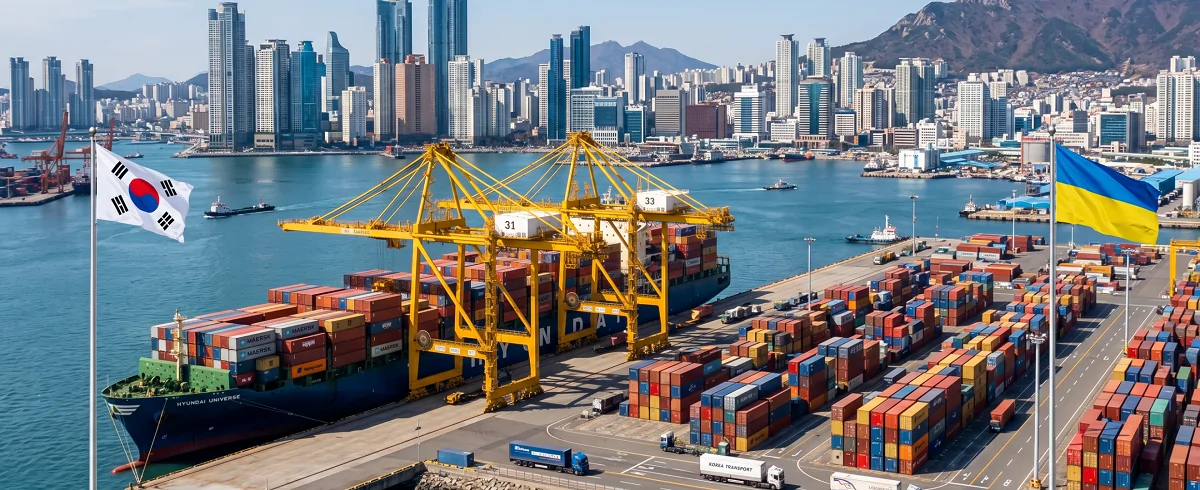
For years, the domestic market relied on purchases from the PRC, but the era of Chinese factory monopoly is gradually coming to an end. Entrepreneurs are turning to other Asian countries, weighing product quality and partner reliability.
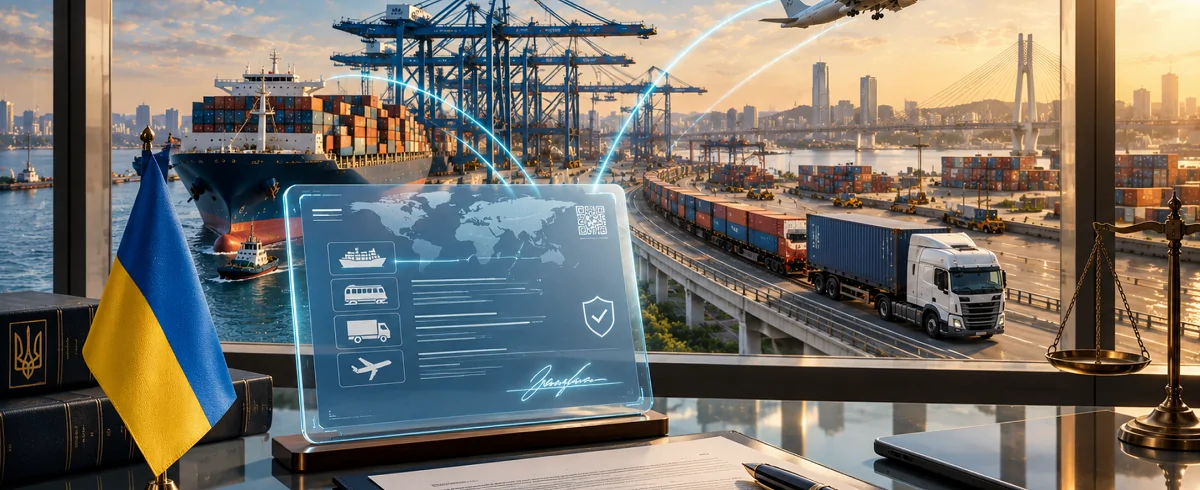
Back in 2021, Ukrainian legislation officially regulated the delivery scheme in which several modes of transport are combined for a single route.
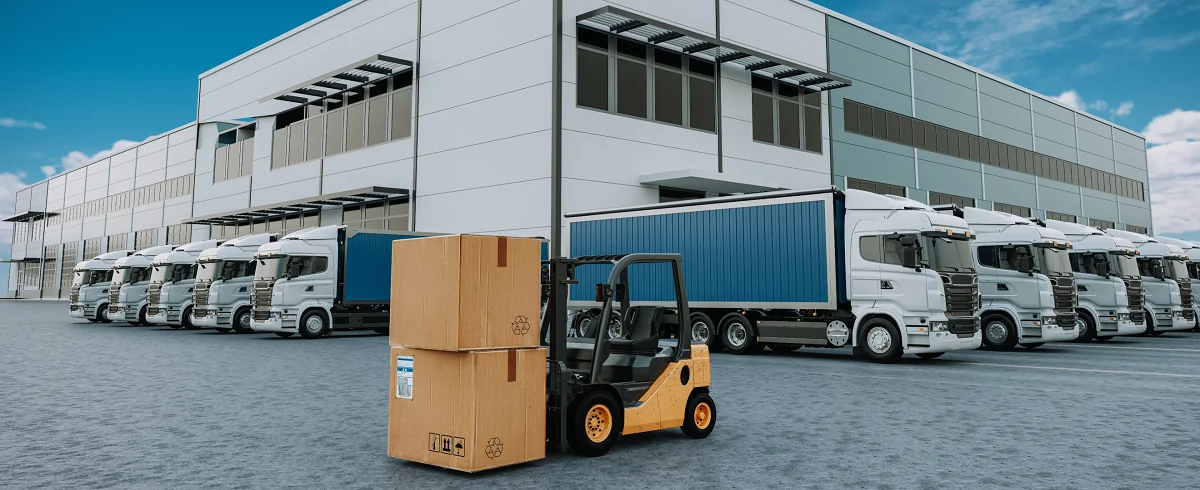
For a business, a logistics company is one reliable partner instead of a dozen separate contractors. It handles communication with carriers and quickly resolves force-majeure situations on the road

Without reliable delivery, a farmer’s harvest won’t reach the market on time. A logistics company for a farmer is not just a service provider — it’s a partner on whom the financial outcome of the season depends.
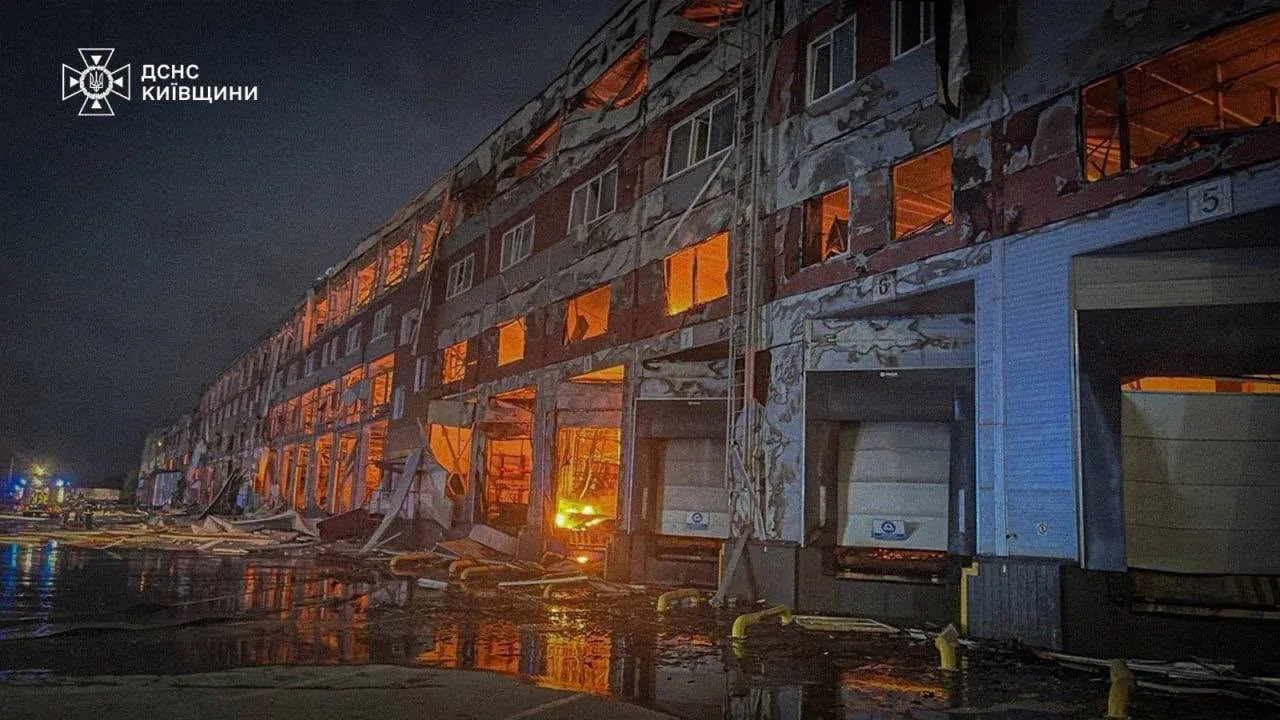
On the night of July 19, 2026, a massive missile attack severely damaged the Ekol Logistics distribution center located in the AMTEL logistics complex.

Anna
Business development manager

Volodymyr
Business development manager

Artur
Business Development Manager
