

Logistics as Strategy: Why Companies Are Changing Their Business Models to Keep Up with the Market
Successful companies of the 2020s share one trait — they no longer see logistics as a cost center, but as a source of competitive advantage. Amid geopolitical instability, rising costs, and fluctuating demand, logistics has become a critical driver of flexibility, scalability, and time-to-market. More and more businesses are shifting their operational — and even product — models to adapt to a new logistics reality: flexible, digital, predictable. This is not the future — it's already happening.


Logistics Is Rewriting the Rules — Here’s How
New customer expectations → new delivery formats
Just five years ago, a 3–5 day delivery window was acceptable. Today, it’s a reason to lose customers.
- 74% of consumers expect real-time tracking and delivery predictability
- In B2B, more decisions are based on how well a logistics partner meets their SLA
- Companies that don’t optimize logistics can lose 15–20% of repeat sales due to a gap between promise and performance
Logistics as Part of the Financial Model
The problem: Traditional businesses rely on high inventory levels and rigid supply schedules.
The solution: On-demand logistics enables companies to:
- Reduce working capital by 20–40%
- Lower dependency risks tied to single suppliers or routes
- Forecast cash flow down to individual logistics operations
Technology Turns Supply Chains into Smart Systems
Companies that implement WMS/TMS solutions benefit from:
- 35% less dead stock
- Up to 50% faster decision-making through data analytics
- Full transparency across the supply chain, including last-mile delivery
Example: An FMCG supplier working with Ekol reduced excess delivery losses by 27% through accurate pre-planning and dynamic route optimization.
Logistics and ESG — A New Market Standard
Clients — especially in the EU — are increasingly concerned with the carbon footprint of delivery. This puts pressure on manufacturers and retailers alike.
The answer: multimodal logistics, freight consolidation, and energy-efficient transport.
Logistics is now part of the brand — both in marketing and in ESG strategy.
Business Models Changing the Fastest
- Retail & eCommerce → from city-by-city warehousing to regional fulfillment centers with flexible delivery
- Manufacturing → shift from mass production to made-to-order models
- FMCG → smaller, more frequent, more accurate deliveries based on SKU-level demand forecasting
- International companies → move to multi-scenario logistics where every region has its own route and Plan B
Bottom Line: Logistics Is No Longer Just a Function — It’s a Strategy
Companies that embed logistics into their core gain:
- Lower operational costs
- Greater flexibility
- Higher customer loyalty
- Faster, more competitive response times
This isn’t evolution — it’s a structural transformation.
How Ekol Logistics Helps Businesses Navigate This Transformation
We design supply chains around your business — not the other way around.
- Fulfillment & warehousing
- International freight forwarding
- Digital TMS solutions
- Logistics consulting
- Flexible solutions for Ukraine and Europe
Book a consultation with our experts — and discover how your logistics can become a growth engine, not just an overhead.
read more
Similar articles
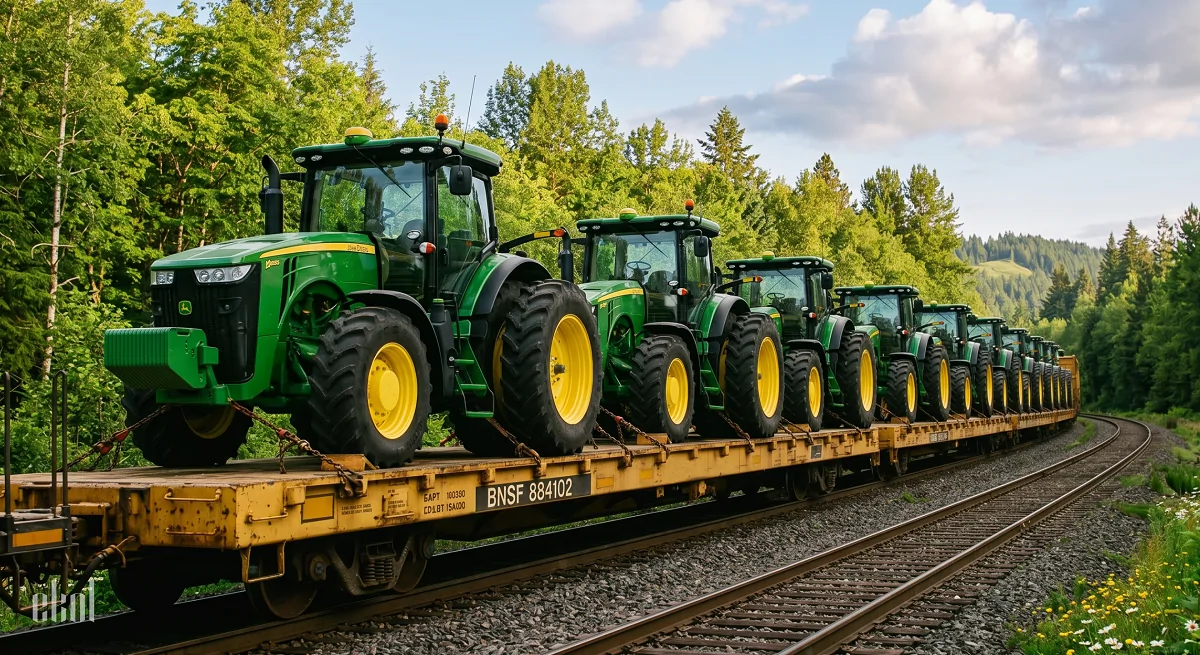
Proper tractor transport across Ukraine starts with assessing the machine’s dimensions and selecting the right type of transport. This approach helps avoid fines and delays along the route.
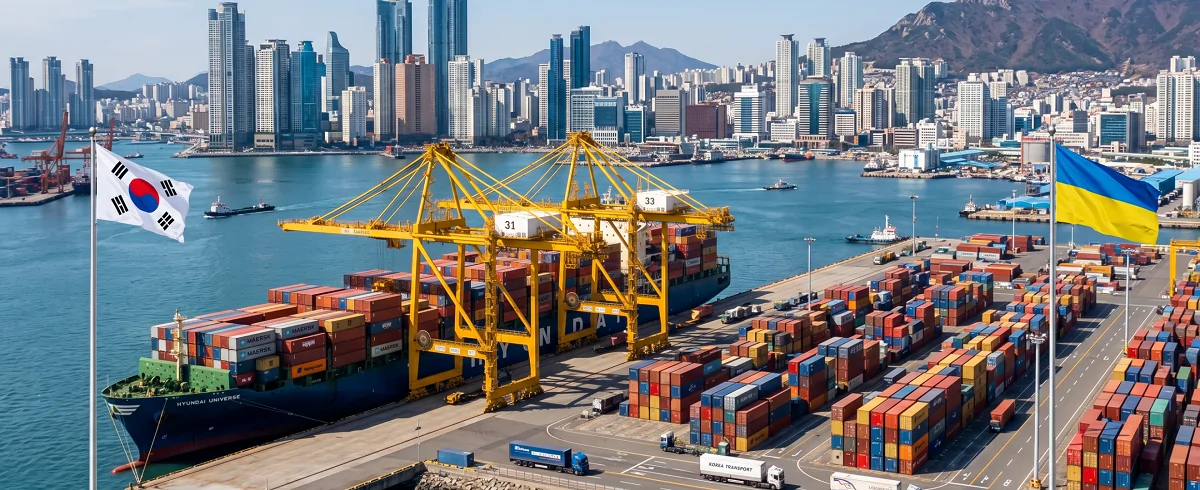
For years, the domestic market relied on purchases from the PRC, but the era of Chinese factory monopoly is gradually coming to an end. Entrepreneurs are turning to other Asian countries, weighing product quality and partner reliability.
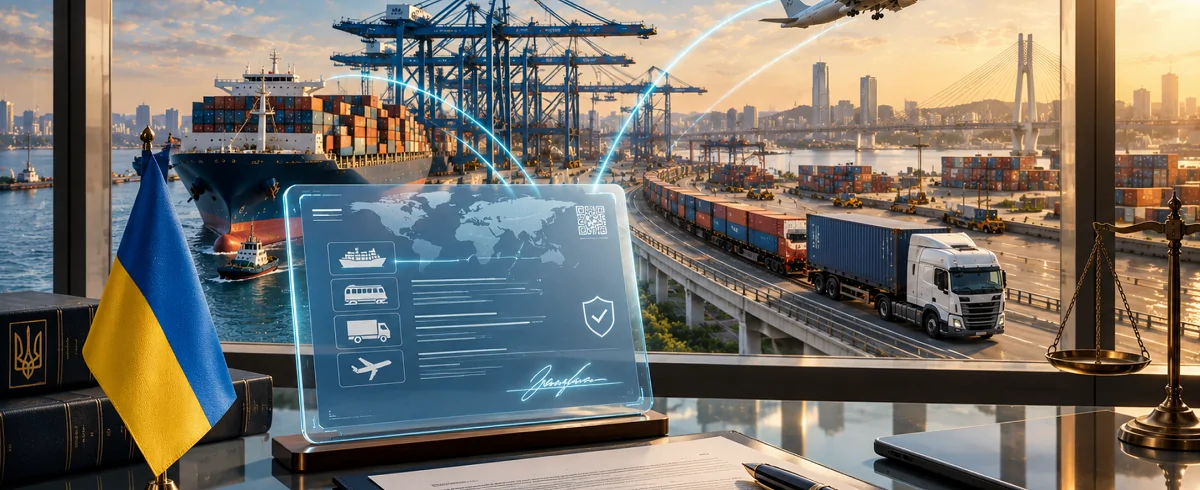
Back in 2021, Ukrainian legislation officially regulated the delivery scheme in which several modes of transport are combined for a single route.
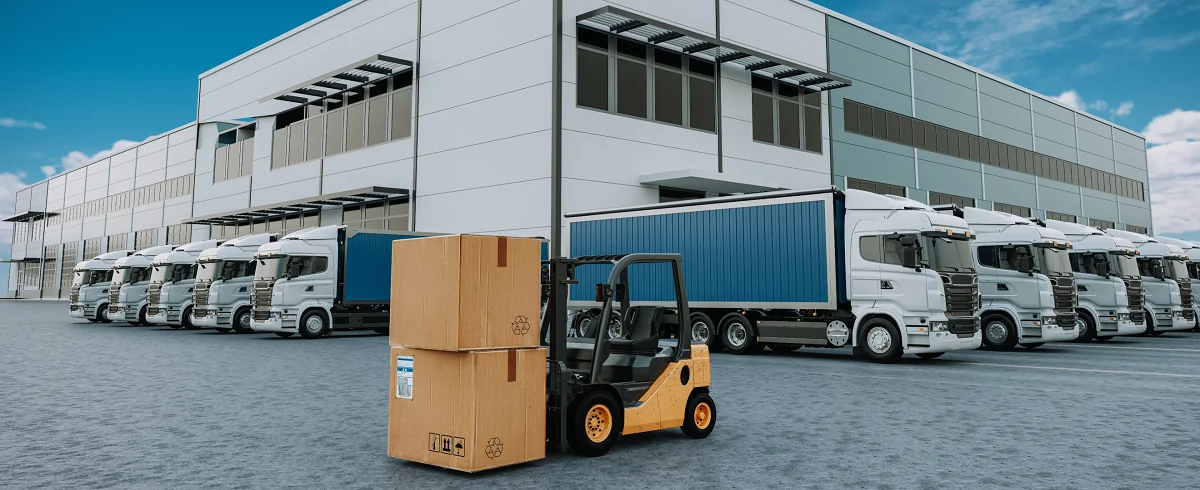
For a business, a logistics company is one reliable partner instead of a dozen separate contractors. It handles communication with carriers and quickly resolves force-majeure situations on the road
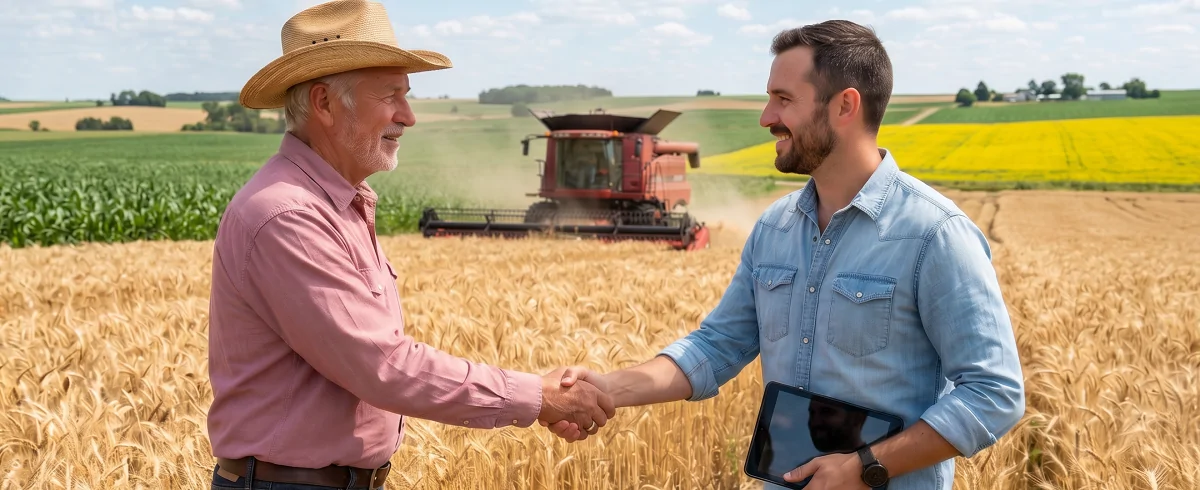
Without reliable delivery, a farmer’s harvest won’t reach the market on time. A logistics company for a farmer is not just a service provider — it’s a partner on whom the financial outcome of the season depends.

On the night of July 19, 2026, a massive missile attack severely damaged the Ekol Logistics distribution center located in the AMTEL logistics complex.

Anna
Business development manager

Volodymyr
Business development manager

Artur
Business Development Manager
