

Who is a Logistician

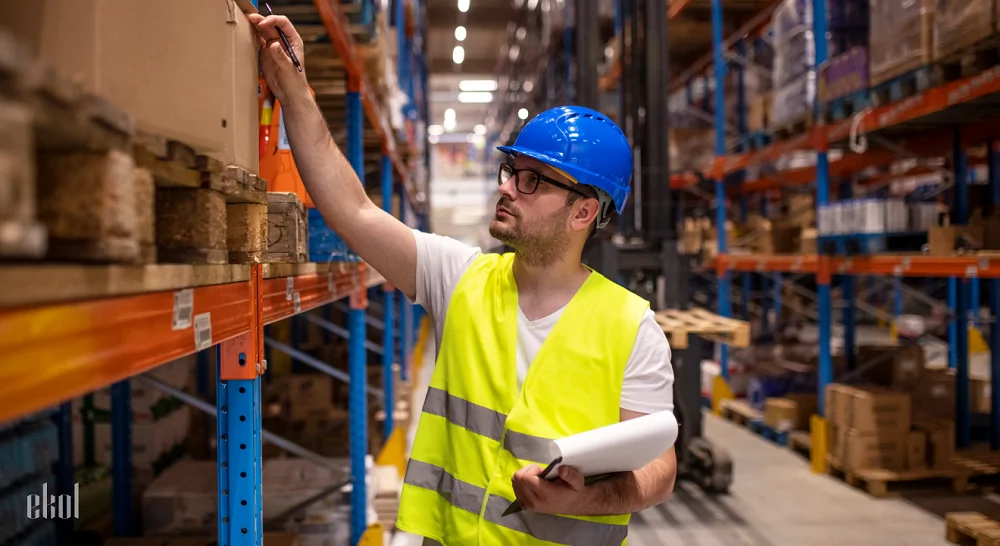
In a world where the delivery of goods is crucial for business, the profession of a logistician in a transport company becomes key. It is precisely thanks to these specialists that every shipment reaches the customer on time, and the transportation process functions like a well-coordinated mechanism.
Today, logistics is not just about moving transport; it is a comprehensive system of management and planning that unites suppliers, forwarders, and partners into a single chain of effective interaction. At Ekol, we pay attention to details along the entire route — this is what shapes our quality standard and helps us grow.
Who Is a Logistician: Main Definition
A logistician is a specialist responsible for organizing and coordinating all processes related to the movement of goods from the supplier to the customer.
What does a logistician do daily? They ensure that cargo moves quickly and safely along all routes, monitor the warehouse, are responsible for shipments, and cooperate with the forwarder and the transport company.
Main Duties of a Logistician
From Ekol’s experience, this work requires a constant balance between speed, accuracy, and efficiency. To ensure stable delivery and high-quality process management, a specialist must clearly understand their tasks.
Duties of a logistician:
- Planning transport routes and optimizing delivery time;
- Coordinating the work of forwarders and drivers;
- Controlling warehouse inventory and goods;
- Interacting with suppliers and customers;
- Organizing the process of shipment and receipt of goods;
- Ensuring efficiency and accuracy of operations.
Thus, the profession of a logistician is that of a coordinator who plans, manages the supply chain, and monitors the efficiency of delivery and transportation.
Types of Logisticians and Directions in Logistics
The world of logistics is extremely diverse, and each direction has its own features, tasks, and challenges. Depending on where a specialist works and what role they perform, their specialization is determined.
There are different directions:
- A transport company logistician is responsible for optimizing routes and transporting cargo within the country.
- An international transport logistician organizes the delivery of goods abroad, taking into account customs requirements and international standards.
- A warehouse logistician monitors the storage and movement of products, supervises the forwarders, and oversees the shipping process.
Despite the differences, the main goal remains unchanged — to ensure uninterrupted delivery by optimizing routes and maintaining the efficiency of the entire supply system.
Necessary Skills and Qualities of a Successful Logistician
In the field of transportation, success is determined not only by experience but also by a set of personal and professional qualities. A logistician must combine an analytical approach with the ability to make decisions quickly.
To achieve high results, they must possess the following skills:
- a high level of management abilities — organizing warehouse and transport operations;
- analytical thinking for optimizing routes and supply chains;
- communication skills for interacting with suppliers, customers, and coordinators;
- to respond quickly to changes and monitor delivery results;
- knowledge of programs for planning, cargo control, and logistics management.
These skills help our logisticians ensure the stability and efficiency of the entire logistics system.
Education and Professional Training of a Logistician
To become a professional logistician, it is important to combine education and practical experience. Typically required:
- higher education in transportation, economics, or transport management;
- courses and training in planning, supply management, and software usage;
- work experience in a warehouse, transport company, or as a coordinator.
A future logistician must deeply understand management principles to act confidently in any situation.
Tools and Software Used by a Logistician
A modern logistician actively uses digital tools for:
- Route optimization;
- Warehouse and inventory control;
- Management of shipments and transportation;
- Analysis of the efficiency of logistics processes.
According to Ekol specialists, using such software increases productivity, ensures precise control over each shipment, and makes the planning and management process as transparent and convenient as possible for both the company and the client.

The Role of a Logistician in Transportation
A transport company logistician keeps the entire transportation process under control. They plan routes, coordinate the actions of drivers and forwarders, monitor warehouse occupancy, and track goods from dispatch to arrival. The accuracy and safety of each delivery, as well as the company’s reputation in the market, depend on their work.
Differences Between a Domestic and an International Logistician
Although both specialists work in logistics and perform similar tasks, their activities differ in the scope of responsibility and the complexity of transportation processes.
A domestic logistician focuses on transport and warehouse processes within the country, planning and controlling routes.
An international logistician deals with customs regulations, foreign suppliers, and global supply chains, coordinating forwarders outside the country.
FAQ
What are the main duties of a logistician?
A logistician is responsible for planning, organizing transport, controlling goods in the warehouse, coordinating forwarders, interacting with suppliers and clients, and ensuring logistics efficiency.
What is the difference between a logistician and a dispatcher?
A logistician plans routes, organizes transportation, and controls the supply network, whereas a dispatcher focuses on managing the current work of drivers and transport.
What skills are needed to work as a logistician?
Analytical thinking, organizational skills, communication skills, proficiency in planning and delivery control software, and the ability to work with suppliers, forwarders, and clients.
What education is required to become a logistician?
Higher education in logistics, transport management, or economics, courses, and practical experience in a warehouse, transport company, or in a coordinator position.
read more
Similar articles
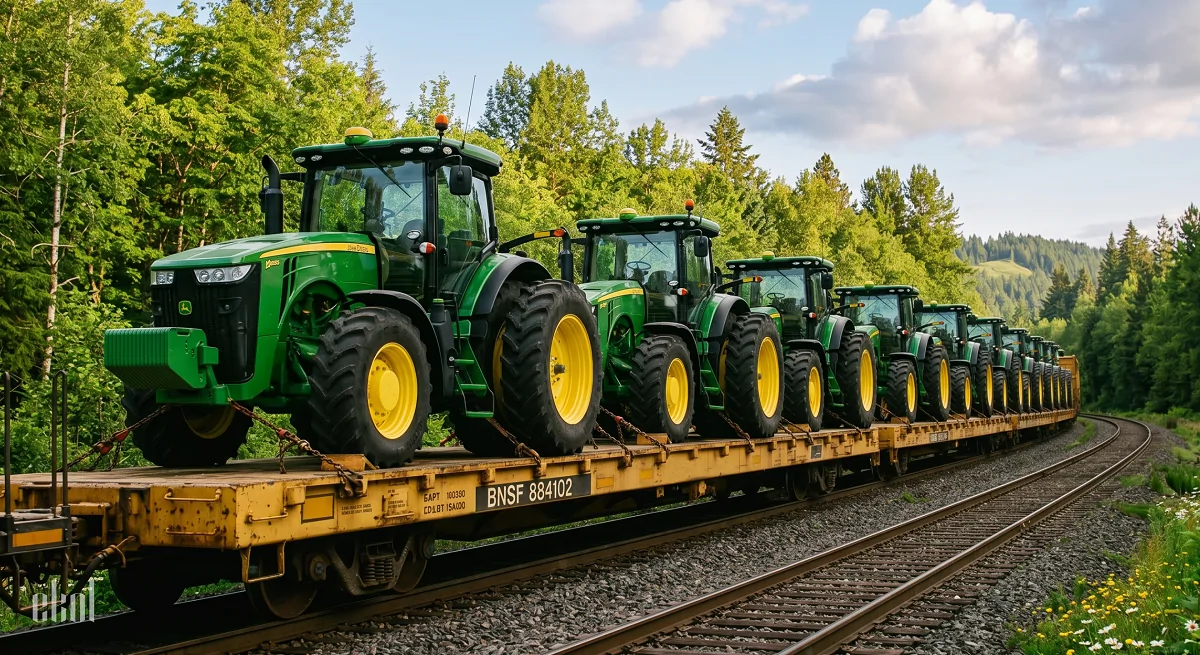
Proper tractor transport across Ukraine starts with assessing the machine’s dimensions and selecting the right type of transport. This approach helps avoid fines and delays along the route.
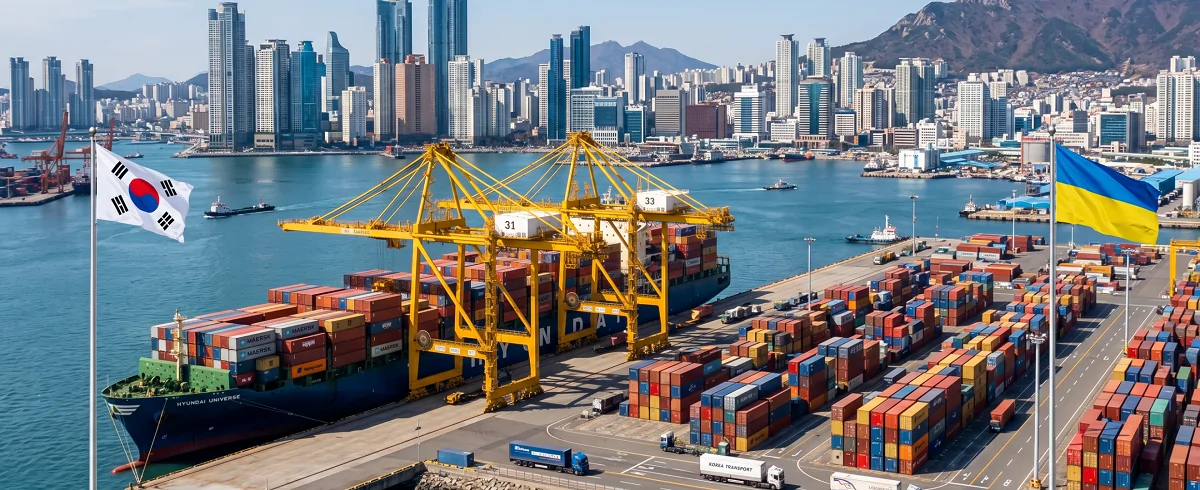
For years, the domestic market relied on purchases from the PRC, but the era of Chinese factory monopoly is gradually coming to an end. Entrepreneurs are turning to other Asian countries, weighing product quality and partner reliability.
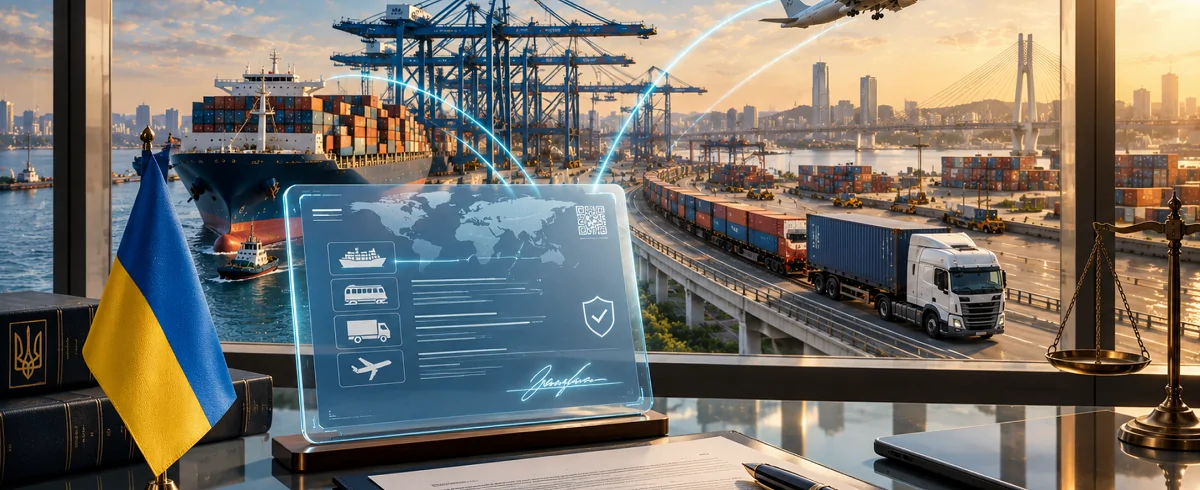
Back in 2021, Ukrainian legislation officially regulated the delivery scheme in which several modes of transport are combined for a single route.
For a business, a logistics company is one reliable partner instead of a dozen separate contractors. It handles communication with carriers and quickly resolves force-majeure situations on the road

Without reliable delivery, a farmer’s harvest won’t reach the market on time. A logistics company for a farmer is not just a service provider — it’s a partner on whom the financial outcome of the season depends.

On the night of July 19, 2026, a massive missile attack severely damaged the Ekol Logistics distribution center located in the AMTEL logistics complex.

Anna
Business development manager

Volodymyr
Business development manager

Artur
Business Development Manager
