

Artificial Intelligence in Logistics: Opportunities and Challenges


Logistics is designed to ensure the continuity of supply for goods, raw materials, and services. However, the challenges of globalization, the growing volume of trade, and digitalization require entirely new approaches to managing these processes. The forecast for the logistics industry indicates its inevitable transformation into a technological platform, where innovation, automation, and cross-industry integration will play the leading role.
In this article, we will explore what artificial intelligence in logistics is, its opportunities, and its challenges. You will also learn about the prospects that open up for the industry in the context of active digitalization.
The Role of Artificial Intelligence in Modern Logistics
Artificial Intelligence (AI) is a set of technologies, algorithms, and methods. They enable computer systems to process data, draw conclusions, and make decisions that previously required human involvement.
| By 2029, the global AI in logistics market could grow to over $122 billion, with a compound annual growth rate of about 47%. |
In our view, the implementation of artificial intelligence can fundamentally transform approaches to transportation and analytics. It is also important to note that its impact goes beyond logistics itself. AI is actively being integrated into related fields, particularly mechanical engineering, contributing to the creation of a unified ecosystem of innovative technologies to support the entire infrastructure.
“Artificial intelligence in logistics is no longer a distant future but a reality. Companies that invest in AI implementation today will gain an advantage in the speed and efficiency of deliveries tomorrow,” notes an Innovation Solutions Expert at Ekol.
Today, systems powered by machine learning algorithms make it possible to optimize transportation and reduce costs. With the help of artificial intelligence, demand forecasting is already possible, which becomes a significant competitive advantage.
| Direction | How AI Works | Effect |
| Analytics and Forecasting | Big Data Analysis | Demand and Seasonal Fluctuation Prediction |
| Digitalization of Warehouse Processes | Integration with WMS | Optimization of Product Placement and Faster Processing |
| Unmanned Technologies | Use of Drones | Delivery of Small Batches and Warehouse Monitoring |
| Cybersecurity | Protection Algorithms | Reducing the Risk of Attacks |
| Integration into Supply Chains | Coordination among Participants | Process Alignment and Efficiency |
We believe that the possibilities of artificial intelligence in logistics go far beyond individual operations. However, the most important thing is that it enables the creation of a more resilient and efficient logistics ecosystem.
Automation and Optimization of Transportation
Traditional methods of planning and carrying out transportation no longer meet the demands of today’s dynamic market, where every delay can lead to financial losses. Artificial intelligence in transport logistics represents a new level. Through process automation, the number of errors caused by human factors is significantly reduced.
- “The combination of data analytics and automation makes it possible to significantly reduce transportation costs. In our view, this is a revolution for the market that defines the future of logistics.”
Optimization with AI delivers the most significant results in the following processes:
- Analysis of road conditions, traffic load, and weather factors to choose the shortest and fastest route.
- Prediction of possible delays, seasonal peak loads, and force majeure situations.
- Vehicle tracking, schedule compliance control, and error reduction.
- Integration with monitoring systems, prevention of emergency situations, and cargo control.
According to Ekol experts, all this makes it possible to reduce fuel costs, fleet maintenance expenses, and the need for additional workforce. Optimization also helps decrease harmful emissions through more efficient use of transportation.
Challenges and Limitations of Implementing Artificial Intelligence
Despite its broad prospects, the implementation of artificial intelligence in logistics comes with certain limitations:
- High Costs. Cutting-edge technologies require significant investments in software, hardware, and staff training.
- Integration Complexity. Not all companies are able to quickly transition to digitalized processes.
- Human Factor. Employees may resist digitalization due to the fear of losing their jobs.
- System Vulnerability. The use of AI increases the likelihood of potential threats such as unauthorized access or operational failures.
That is why a comprehensive approach is needed—one that takes into account financial, technological, organizational, and security aspects.
Ethical and Legal Aspects of Using AI
Artificial intelligence in logistics raises a number of important issues that require careful consideration by government authorities, international regulators, and businesses themselves:
- Responsibility for AI Decisions. Who should bear responsibility for the consequences in case of system errors, such as failures in an automated warehouse?
- Personal Data Protection. How can confidentiality be guaranteed, information leaks prevented, and compliance with legal requirements ensured?
- Regulation of Robotics and Drones. What legal frameworks should exist for the use of autonomous vehicles and drones in logistics?
- Ethical Issues of Automation. The introduction of AI may reshape employment and redefine roles within a company. How can efficiency be balanced with social responsibility?
- Trust in AI Decisions. It is important to ensure algorithm transparency and the ability to verify how critical decisions in supply chains are made.
The speed at which legislative frameworks are established will determine the safe and responsible use of innovative technologies.
Prospects for the Development of Artificial Intelligence in Logistics
The implementation of artificial intelligence in logistics opens up new horizons:
- Widespread use of drones and autonomous trucks reduces transportation time and minimizes the human factor in the process.
- Full warehouse automation through robotics enables efficient storage, sorting, and shipment of goods.
- Advanced analytics combined with accurate forecasting capabilities can predict demand, optimize delivery routes, and support resource planning.
- Integration with IoT (Internet of Things) and digital platforms ensures a rapid response to force majeure situations.
- International scaling through global digitalization of transport systems enhances transparency and control at all stages of transportation.
In our observation, in the coming years, we may all witness how artificial intelligence transforms logistics. It will become an integral part of all processes and make the system more adaptable to market changes.
Conclusions
Artificial intelligence in logistics is a real necessity for companies striving to remain competitive in the market. Its capabilities cover analytics, route optimization, warehouse automation, and transportation processes. At the same time, the implementation of AI comes with certain challenges—from high initial costs to ethical considerations.
However, it can already be stated that artificial intelligence significantly increases business efficiency. Those who integrate it into their processes in time will gain a substantial advantage in the era of global digitalization.
FAQ
What are the main benefits of using AI in transport logistics?
Among the key advantages, we can highlight:
- Reduced transportation costs;
- Lower error rates thanks to process automation;
- Increased speed and reliability of deliveries;
- Efficient management of large vehicle fleets.
Can AI reduce the cost of logistics operations?
Yes. Automation and process optimization make it possible to cut expenses on fuel, vehicle maintenance, and the workforce. As a result, businesses gain real benefits and significant competitive advantages.
How does artificial intelligence help optimize transportation routes?
AI analyzes road conditions, weather, and traffic congestion to select the shortest and fastest route. Forecasting also helps avoid traffic jams and plan deliveries while taking potential risks into account.
read more
Similar articles
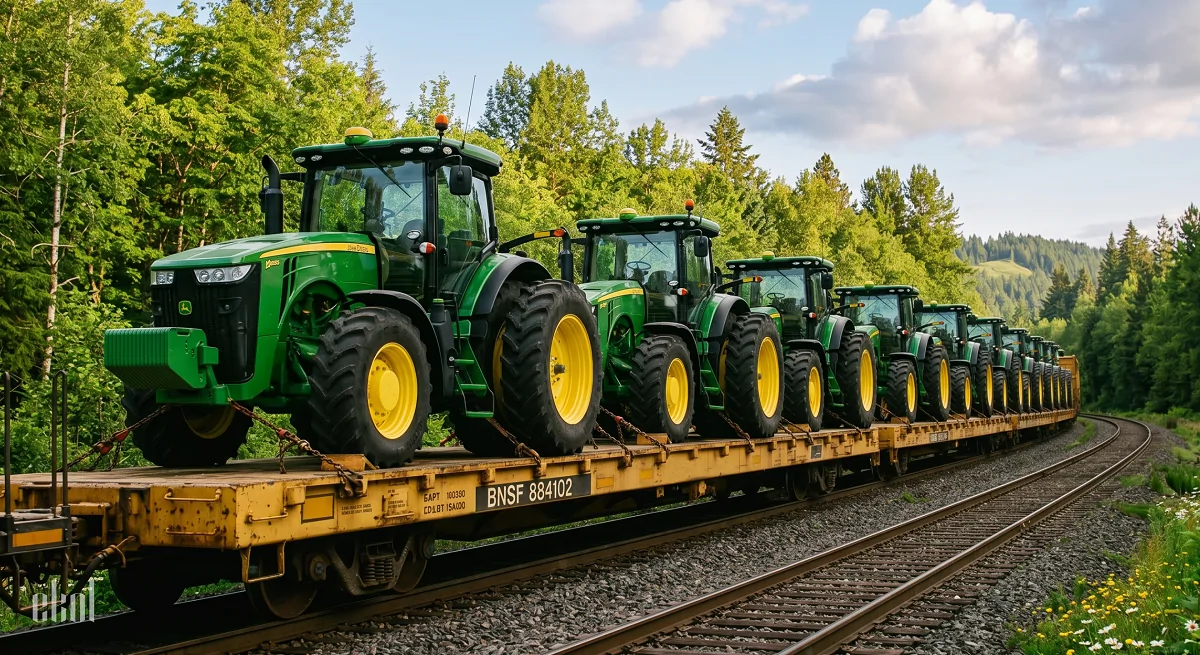
Proper tractor transport across Ukraine starts with assessing the machine’s dimensions and selecting the right type of transport. This approach helps avoid fines and delays along the route.

For years, the domestic market relied on purchases from the PRC, but the era of Chinese factory monopoly is gradually coming to an end. Entrepreneurs are turning to other Asian countries, weighing product quality and partner reliability.
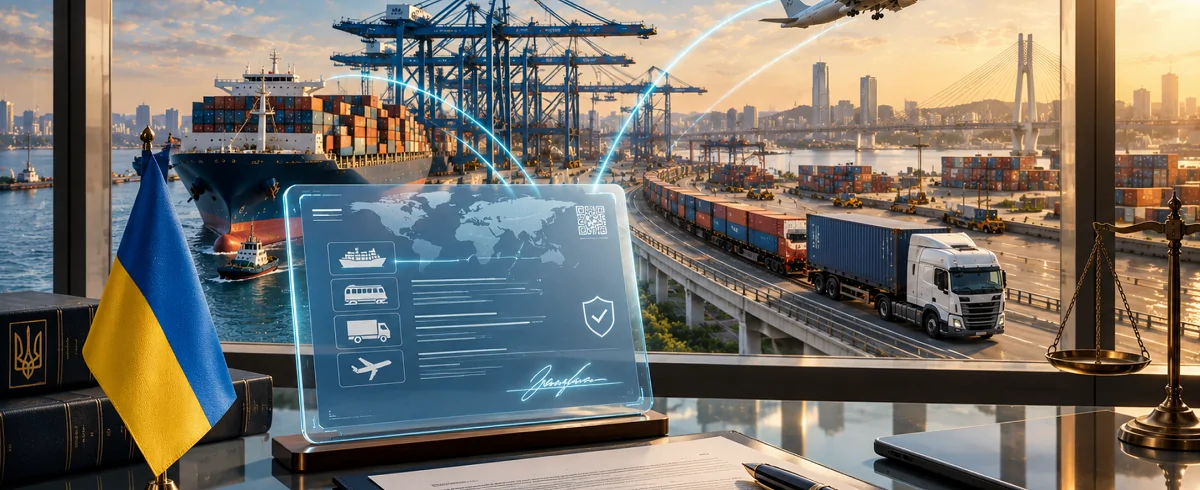
Back in 2021, Ukrainian legislation officially regulated the delivery scheme in which several modes of transport are combined for a single route.
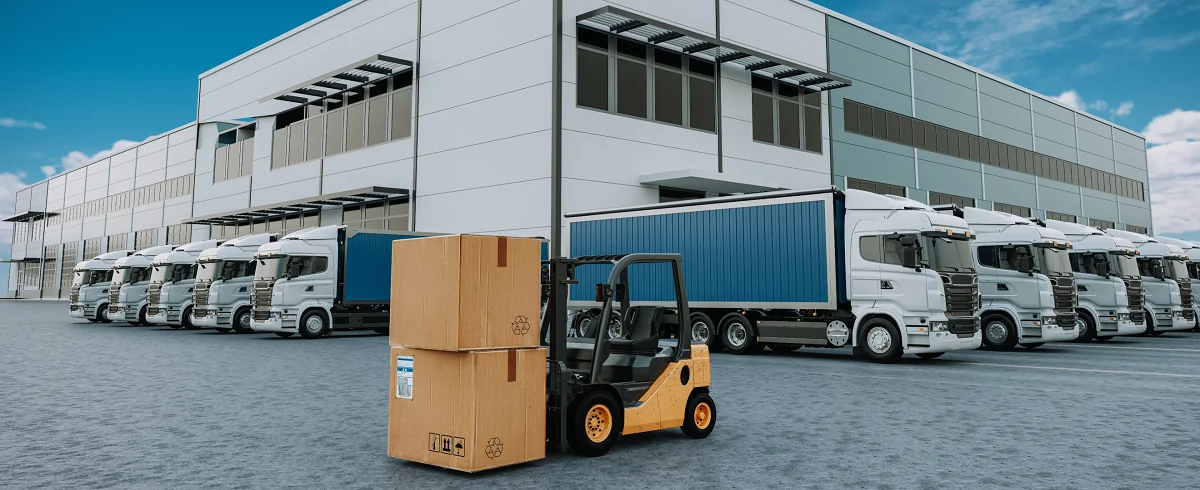
For a business, a logistics company is one reliable partner instead of a dozen separate contractors. It handles communication with carriers and quickly resolves force-majeure situations on the road

Without reliable delivery, a farmer’s harvest won’t reach the market on time. A logistics company for a farmer is not just a service provider — it’s a partner on whom the financial outcome of the season depends.

On the night of July 19, 2026, a massive missile attack severely damaged the Ekol Logistics distribution center located in the AMTEL logistics complex.

Anna
Business development manager

Volodymyr
Business development manager

Artur
Business Development Manager
