

The Future of Multimodal Transportation 2026 – Trends and Market Development
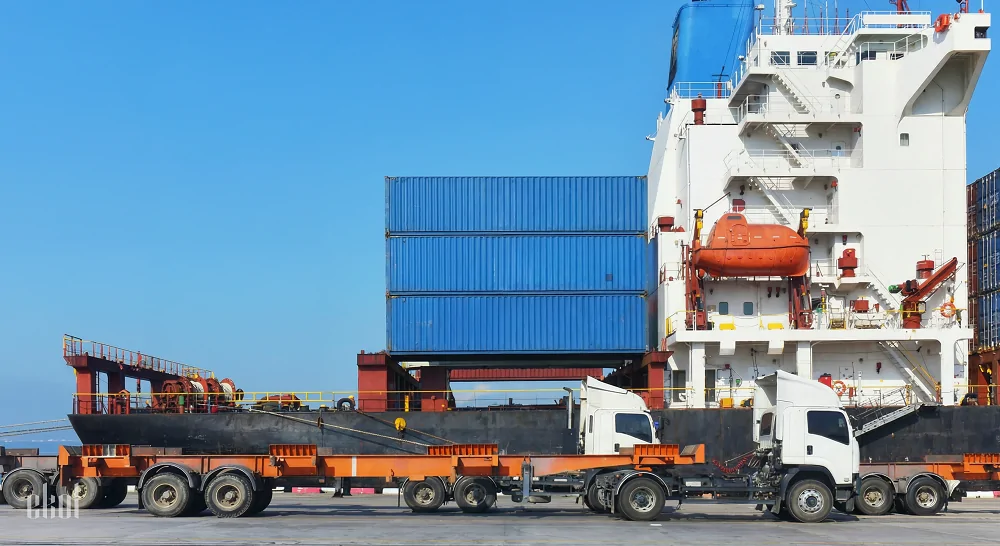
The logistics sector is dynamically changing under the influence of globalization, technological innovations, and changes in the geopolitical situation. This directly affects the development of multimodal transportation, which is becoming the basis of efficient transport systems. The role of integration and analytics is growing, which makes it possible to create more stable logistics solutions.
For companies that seek to improve delivery processes, multimodal transportation is an important tool for strengthening their competitiveness in 2026.
Global Market Changes in 2026
Multimodal transportation in 2026–2032 will remain one of the key drivers of development of the entire industry. According to analysts’ conclusions, it is this segment that will largely contribute to the average annual growth of the logistics market at the level of 8–9%.
Among the main global trends are:
- strengthening of the role of transit transportation between Europe and Asia;
- modernization of international transport infrastructure;
- development of logistics hubs and container terminals;
- use of analytics for supply chain management;
- deepening of the globalization of logistics processes.
Ukraine, due to its strategic location, is also gradually strengthening its position as a transit center. This opens up new opportunities for the development of the sector and attracting investments.
Ekol experts believe that it is multimodal models that will help businesses operate productively even in an unstable environment.
Digitalization and Automation of Logistics Processes
According to international research data, about 70% of logistics companies in 2025 invested in digital platforms. In 2026, this indicator continues to grow, which will determine the main trends of multimodal transportation in the coming years.
Digitalization allows companies to:
- automate document flow and reduce the number of errors;
- improve routes based on real-time data;
- increase planning accuracy;
- ensure cargo tracking;
- integrate partners into a single digital ecosystem.
For this purpose, innovative solutions are actively used (for example, blockchain for secure data exchange).
Integration of Different Modes of Transport into Single Supply Chains
Modern multimodal models provide for continuous coordination of sea, road, rail, and air transportation. This approach makes it possible to quickly adapt routes to market changes, as well as reduce dependence on individual transport channels.
The main advantages of integrated logistics are:
- reduction of delivery time;
- flexibility in choosing routes;
- control of transportation quality;
- reduction of delay risks;
- increased reliability of supply chains.
As a result, business competitiveness increases, and logistics processes become more transparent and manageable.
Development of Infrastructure and Transport Corridors
Investments in infrastructure open up new prospects for the development of logistics at the international level. They improve the quality of transportation and enable businesses to adapt to external conditions in a timely manner.
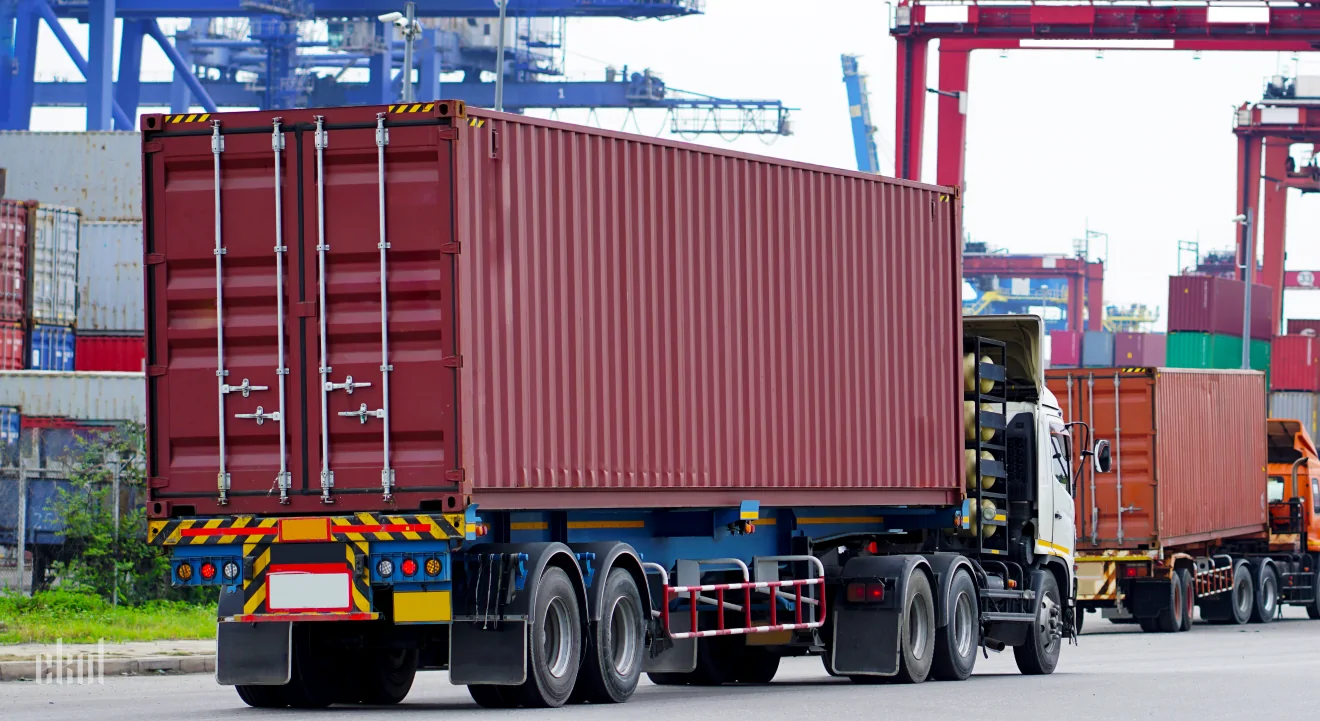
A separate role in the modernization of the sector is played by containerization, which standardizes transportation and accelerates cargo handling.
| Factor | Practical effect |
| Container terminals | Acceleration of cargo handling |
| Transport corridors | Expansion of routes |
| Dry ports | Optimization of transshipment |
| Logistics hubs | Consolidation of cargo |
| Railway infrastructure | Reduction of delivery time |
| Intermodal nodes | Rational integration of transport |
Overall, all these infrastructure elements create more resilient logistics chains capable of quickly responding to changes.

Environmental Friendliness and “Green” Logistics
Reducing the negative impact on the environment is gradually becoming a strategic requirement for business. Multimodal transportation makes it possible to:
- reduce the carbon footprint;
- use more environmentally friendly modes of transport;
- improve routes;
- reduce the number of empty runs.
Ekol experts state that “green” logistics is forming new standards in the industry. That is why the systematic implementation of environmental practices gives companies significant competitive and financial advantages.
The Impact of Geopolitical Factors on Multimodal Transportation
The conditions of an unstable market caused by military conflicts, trade restrictions, and changes in international economic relations force businesses to switch to alternative logistics corridors. This increases the role of transit in global supply chains and contributes to the development of multimodal transportation.
The use of several transport channels reduces dependence on one route. At the same time, geopolitical factors stimulate the digitalization of logistics, as well as the intensification of investments in backup transport capacities.
Main effects:
- creation of new routes;
- growth of the role of regional logistics centers;
- increase in investments in flexible logistics models;
- diversification of transport solutions.
In this context, the risks of multimodal transportation acquire special significance. That is why analytics and forecasting become important tools for timely identification of potential threats.
New Business Requirements for Delivery Speed and Flexibility
The prospects for the development of multimodal transportation are connected with increasing the stability of business processes and adaptability to global changes. Therefore, companies increasingly consider multimodal solutions as a long-term strategy for their development.
| Advantage | Practical result |
| Efficiency | Cost reduction |
| Flexibility | Rapid change of routes |
| Reliability | Predictable delivery timeframes |
| Transparency | Control of all stages |
| Innovations | Use of digital technologies |
| Environmental friendliness | Compliance with sustainable development standards (ESG) |
Under these conditions, a professional logistics operator plays an important role. They coordinate all processes and create efficient routing of supply chains.
Conclusion
In 2026, multimodal transportation becomes the basis of modern logistics. Its development is determined not only by technologies and infrastructure investments, but also by environmental standards and global changes in trade. It is these factors that shape the future of multimodal transportation in Ukraine and open up new opportunities for business.
Our country has all the prerequisites for strengthening its positions in the international logistics system. Thanks to infrastructure modernization, digital solutions, and professional operators, Ukraine can become an important transit hub between regions.
FAQ
What are the main trends in the development of multimodal logistics in 2026?
The main trends are digitalization, automation, and integration of different modes of transport.
How does digitalization affect multimodal transportation?
It increases process transparency, provides real-time control, and improves routes. Digitalization also makes it possible to make management decisions faster, which improves delivery quality.
What role does automation play in the development of logistics processes?
It makes it possible to reduce dependence on the human factor and speed up operations.
Is demand for multimodal transportation among businesses increasing?
Yes, demand is increasing due to the need for stability, delivery speed, and reduction of logistics costs.
read more
Similar articles
In modern supply chains, speed, reliability, and transparency of delivery are of utmost importance. Businesses constantly face rising freight costs, changes in customs rules, and other transformations.
The organization of supply chains is no longer merely a supporting business function. Modern logistics forms the basis of companies’ competitive advantages and significantly affects their
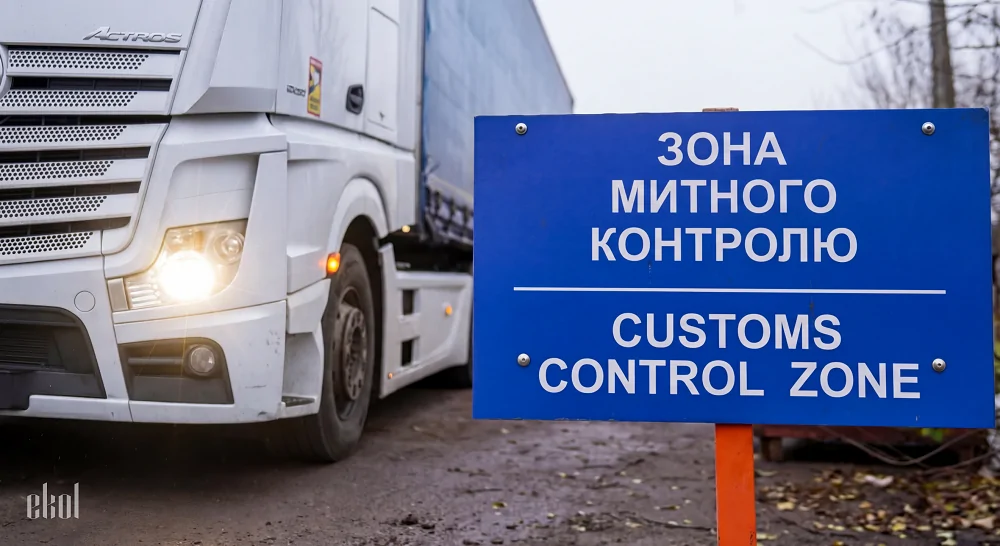
International trade, the import and export of goods, directly depend on the effectiveness of regulating the movement of cargo across the border
Market globalization dictates new rules: speed, flexibility, and cost minimization have become the foundation of survival for any enterprise.

The logistics trends for B2B in 2026 significantly influence the market’s development, shape customer expectations, and change company business models

Logistics is a crucial part of business in the B2B segment, and it directly impacts how production processes will be organized

Anna
Business development manager

Volodymyr
Business development manager

Artur
Business Development Manager
