

Main Logistics Trends for 2026: Shaping a New Era for the Industry
According to expert forecasts, 2026 promises to be a true Rubicon for global logistics. This is not just another stage of development, but a full-scale implementation of new standards. How logistics is changing in 2026 and what key shifts await the industry – we analyze together with specialists from Ekol.
Digital Transformation of the Logistics Industry
Digitalization has become the foundation upon which the logistics of the future is built. Integration of cloud platforms, IoT devices, and digital ecosystems is the new standard that ensures supply chain transparency and real-time decision-making. All this allows for speeding up cargo processing by 30-50%, centralizing management, simplifying scaling, and responding faster to market changes.
Artificial Intelligence and Process Automation
Artificial Intelligence (AI) in logistics has become a key catalyst for change. It will be applied for:
- Demand forecasting;
- Supplier management;
- Route optimization;
- Automation of decision-making.
New trends in logistics indicate that AI is evolving from an analytical tool into an active manager that forms routes, manages warehouse inventory, and performs dispatch functions. This significantly improves the efficiency of logistics processes and reduces the impact of the human factor.
“Massive AI integration in logistics becomes the key to risk forecasting and routine operation automation, which ultimately allows us to offer customers a fundamentally new level of service,” explain Ekol specialists.
Smart and Automated Warehouses
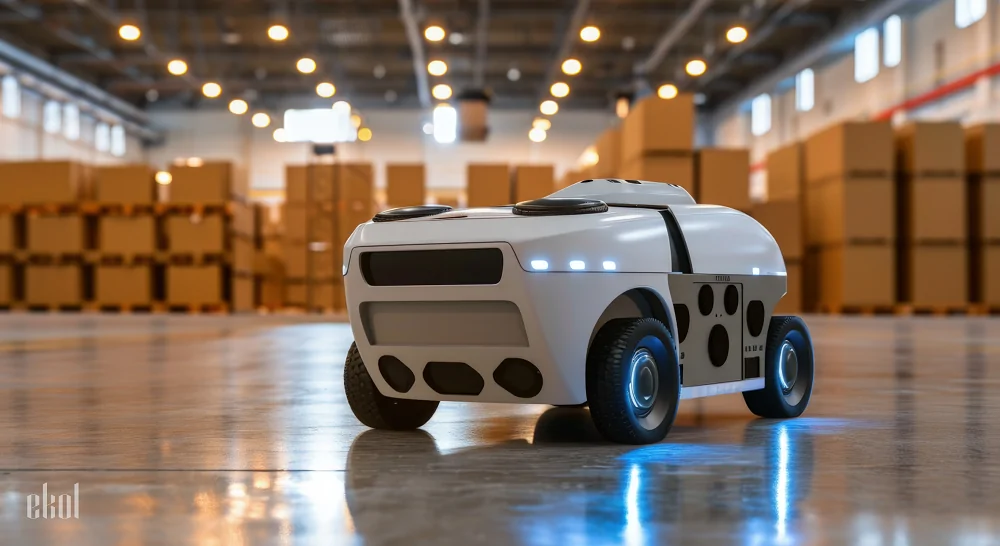
Analyzing logistics trends for 2026, it is worth mentioning warehouse robotics. Automation and robotics are reaching a new level thanks to flexible and scalable systems that adapt to the needs of a specific business. Among the innovations are multi-directional shuttle systems that are replacing conventional forklifts and allowing for more rational use of warehouse resources.
New warehouse technologies are becoming a trend:
| Technology | Advantages | Application |
| Autonomous Mobile Robots (AMR) | Flexibility, scalability, and fast implementation | Internal transportation, order picking |
| Shuttle Systems | Maximum space utilization, high speed | Pallet handling, high-flow operations |
| Robotic Picking | Accuracy, error reduction, and AI-driven item identification | Order assembly, sorting |
Green Logistics and Sustainable Development
In 2026, green logistics stops being a marketing move and turns into a mandatory standard. The eco-friendly trend manifests primarily through:
- Route optimization using AI algorithms to reduce CO2 emissions;
- Carbon footprint tracking;
- Transition to equipment powered by alternative energy sources;
- Use of renewable energy in warehouses;
- Application of eco-friendly reusable packaging.
According to expert forecasts: “Companies that do not implement eco-principles risk losing market share – consumers increasingly prefer brands with an eco-conscious approach.”
Other Trends Shaping Next-Generation Logistics
The industry’s transformation is not limited to robotics. Global changes are also occurring at the strategic management level.
Next-Generation Last Mile Logistics
The trend toward forming networks of mini-warehouses and fulfillment centers located as close as possible to the end consumer is developing, along with intelligent routing using geolocation data. This minimizes delivery time and increases supply chain resilience in conditions of global instability.
Multimodal and Flexible Transportation
Future logistics trends dictate a transition to multimodal transportation, adaptive resource reallocation, and rapid response according to current needs, such as seasonal peaks or entering new markets.
Data and Analytics as the Basis for Decision Making
Transparency and real-time tracking are no longer a competitive advantage but a mandatory standard. Customers seek not just to know where the cargo is, but to receive full analytics: delay forecasts, storage condition status, and carbon footprint calculations to instantly make strategic decisions for business optimization.
Cybersecurity and Protection of Logistics Systems
Against the backdrop of massive digitalization and data exchange between numerous partners, cyber risks are increasing. Therefore, it is not surprising that comprehensive digital security has entered the main logistics trends for 2026. Protecting information channels is becoming a basic condition for business survival. This is why Ekol has been investing in a multi-level cybersecurity architecture for several years. While others are only beginning to realize the scale of threats, Ekol has already implemented and tested advanced security protocols in practice.
Transformation of the Role of Logistics Companies and Personnel
Innovations transform both the role of logistics companies and their employees. To work effectively in the new conditions, personnel require additional skills: the ability to manage AI systems, combine physical infrastructure with digital platforms, and work with analytical platforms and automated multi-level structures.
Impact of E-commerce on Logistics Models
In 2026, e-commerce becomes the main “architect” of logistics networks. If previously logistics adapted to online retail, now it is completely changing its format to meet the new “here and now” consumption philosophy. Micro-hubs in cities are replacing large centralized warehouses, and “reverse logistics” is accelerating.
Conclusion: Shaping a New Era of Logistics in 2026
For logistics, 2026 will be a year of synthesis. Those who can combine digital transformation, environmental friendliness, and the ability to adapt to new conditions will win. Logistics in 2026 is no longer just transportation, but a dynamic ecosystem capable of sensing the market and working proactively.
FAQ
What main logistics trends will be decisive in 2026?
These are digital integration, active use of AI, “green” standards, as well as warehouse automation and multimodality.
How will Artificial Intelligence affect logistics processes in 2026?
AI will become the main “dispatcher” managing demand forecasting and route optimization processes.
What role will warehouse automation play in future logistics?
It will allow for the most efficient use of warehouse space and reduce cargo storage costs.
Will green logistics become a mandatory standard in 2026?
Yes, it is one of the key conditions for maintaining market positions and sustainable growth.
read more
Similar articles
In modern supply chains, speed, reliability, and transparency of delivery are of utmost importance. Businesses constantly face rising freight costs, changes in customs rules, and other transformations.
The organization of supply chains is no longer merely a supporting business function. Modern logistics forms the basis of companies’ competitive advantages and significantly affects their
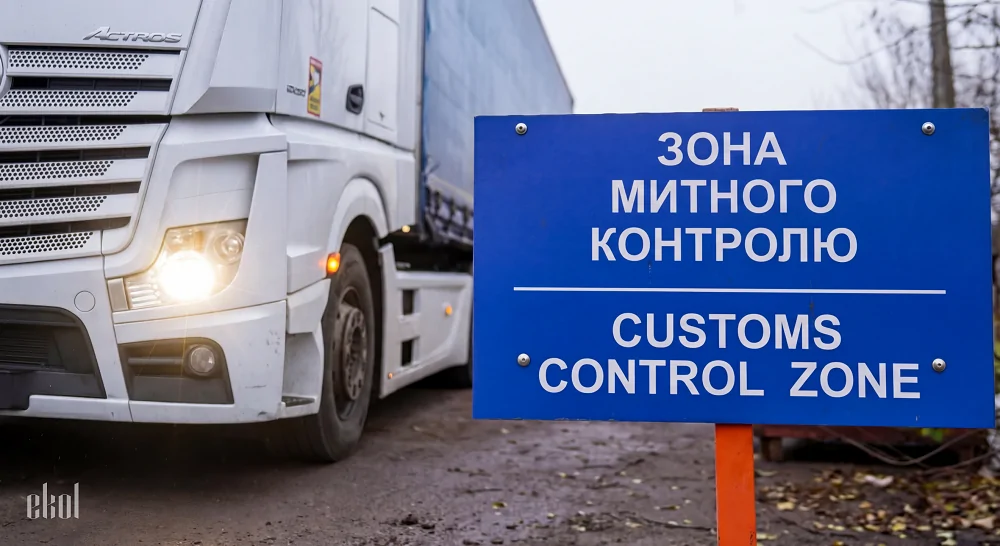
International trade, the import and export of goods, directly depend on the effectiveness of regulating the movement of cargo across the border
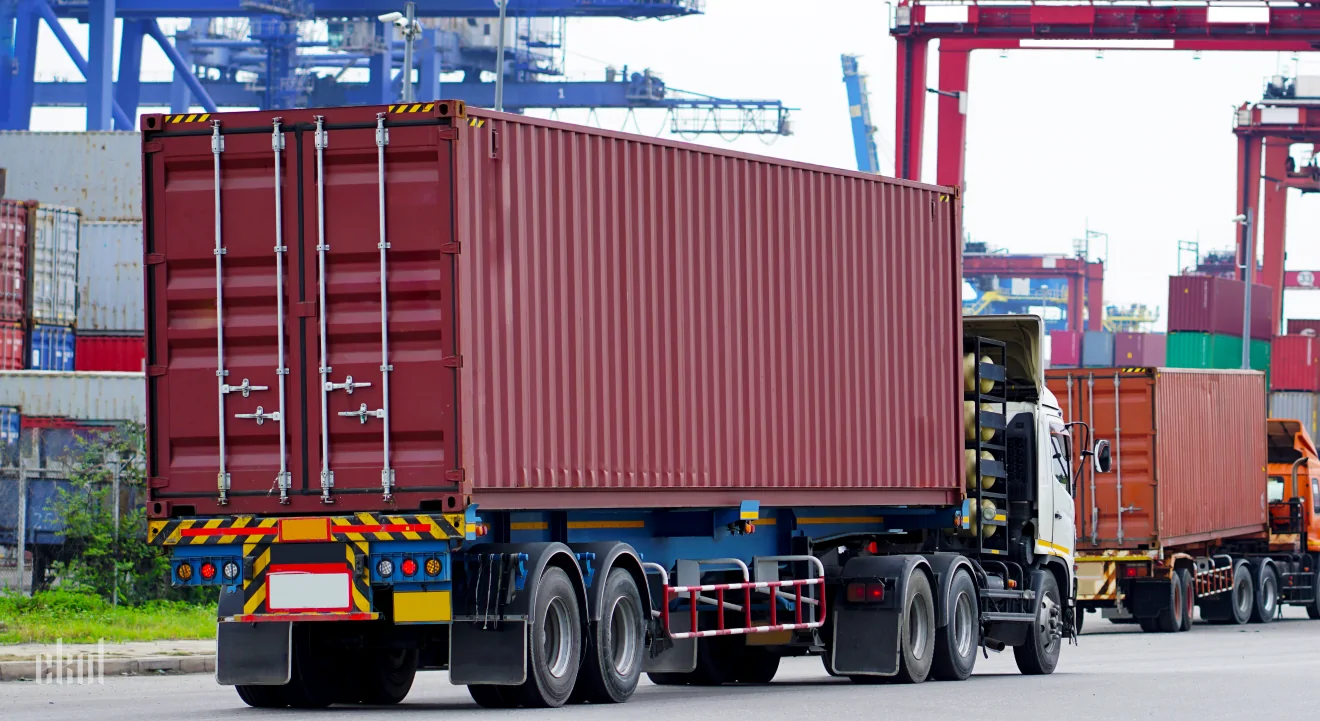
Market globalization dictates new rules: speed, flexibility, and cost minimization have become the foundation of survival for any enterprise.
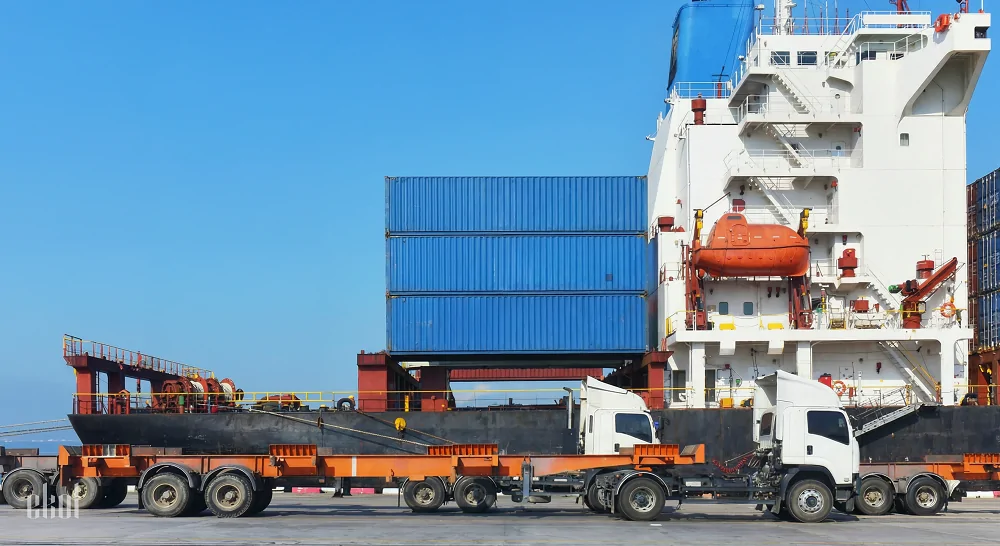
The logistics sector is dynamically changing under the influence of globalization, technological innovations, and changes in the geopolitical situation.

The logistics trends for B2B in 2026 significantly influence the market’s development, shape customer expectations, and change company business models

Anna
Business development manager

Volodymyr
Business development manager

Artur
Business Development Manager
