

Customs Procedures and Their Changes in Ukraine: How This Affects Business and Cargo Transportation
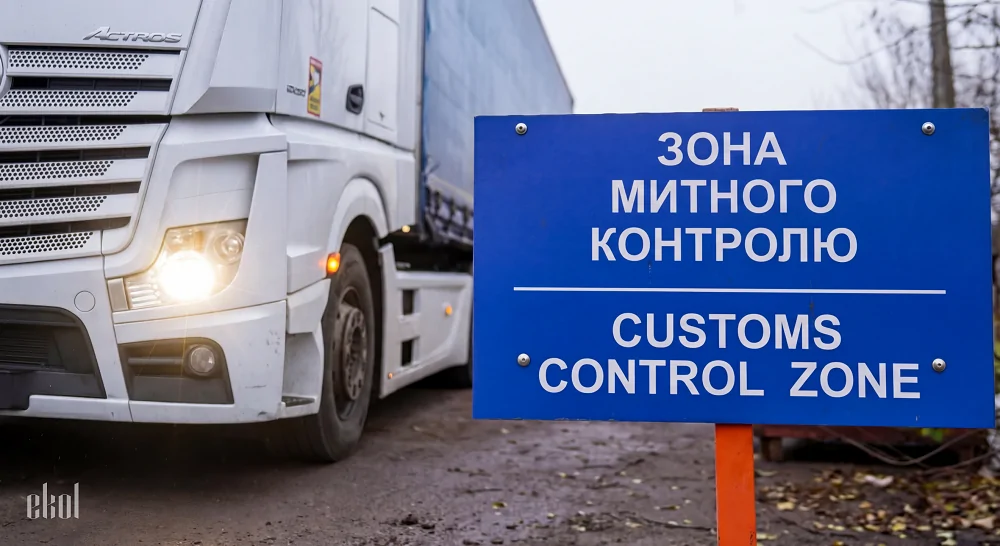
International trade, the import and export of goods, directly depend on the effectiveness of regulating the movement of cargo across the border. The stability of logistics chains depends precisely on the speed, transparency, and accuracy of customs clearance.
Recent changes in customs legislation in Ukraine are aimed at harmonizing regulations with European standards, digitalizing processes, and strengthening compliance. This creates new opportunities for business development and accelerating transportation, but at the same time requires certain actions from companies.
Below, we will examine the specifics of customs clearance in our country. You will learn about new requirements for documentation and cargo control that businesses need to consider in order to operate in international markets.
What Are Customs Procedures: Basic Concepts and Principles
Regulation of the movement of goods across the state border is an important component of foreign economic activity. It is based on the principles of legality and unified rules for all market participants. Customs procedures in Ukraine define the порядок of control, taxation, and compliance with legislative requirements. It is precisely thanks to clear rules that businesses can forecast costs and reduce the risks of delays.
The components of customs procedures include:
- declaration of goods;
- classification and tariffing in accordance with the Ukrainian Classification of Goods for Foreign Economic Activity (UKT ZED);
- determination of customs value and calculation of payments;
- verification of documents and compliance control;
- certification, accreditation, and licensing of certain categories of products;
- application of risk management tools and sanctions in case of violations.
| As noted by Ekol specialists, the systematic nature and transparency of customs procedures in Ukraine directly affect the level of trust of international partners. |
Regulatory Framework of Customs Regulation in Ukraine
The modern customs system of Ukraine is developing, taking into account integration into the European Economic Area and is regulated by the provisions of the Customs Code.
The main directions of its transformation include:
- adaptation of legislation to EU standards;
- control of the origin of goods within international trade agreements;
- development of customs compliance and internal control of companies;
- strengthening the role of analytics and risk management;
- expansion of electronic data exchange between state authorities and businesses.
International agreements and treaties play an important role. Certain aspects are established by subordinate regulatory acts. They determine the procedure for certification, licensing, and quota allocation, and also regulate tariff and non-tariff measures.
Key Changes in the Customs Legislation of Ukraine
Current customs rules in Ukraine are increasingly focused on digital solutions and process automation. The latest changes in customs legislation are aimed at reducing clearance time and creating transparent conditions for foreign economic activity.
Among the main innovations are:
- integration of electronic systems and automation of declaration processing;
- simplified procedures for reliable companies and development of Authorized Economic Operator (AEO) programs;
- implementation of modern risk management tools;
- digitalization of document flow and transition to electronic control;
- use of advance notification and analytical platforms.
The “single window” principle is also being actively developed, allowing interaction with supervisory authorities through one electronic system.
Simplification and Digitalization of Customs Processes
The introduction of digital technologies into the field of customs regulation contributes to the efficiency and speed of carrying out procedures.
Main directions:
- Electronic declaration of goods, which makes it possible to reduce clearance time and minimize paper document flow.
- Remote verification and control of operations using modern information solutions.
- Application of digital risk management systems to increase the accuracy of selecting objects for customs control.
According to official data from the State Customs Service of Ukraine, due to digitalization the average time for customs clearance of goods is gradually decreasing. For example, automated customs clearance in multimodal transportation makes it possible to carry out transit more quickly.
Impact of Changes on Import Operations
The update of approaches to import operations is aimed at transparent taxation and combating violations. These changes increase the requirements for companies’ internal processes, but at the same time make imports more stable.
Main consequences for business:
- increased requirements for the accuracy of documents;
- development of internal compliance procedures;
- reduction of clearance time due to digitalization.
Although customs clearance of goods in Ukraine is becoming more predictable, it requires the involvement of an experienced broker.
Impact of Changes on Export Operations
For exporters, the simplification of customs procedures and the increase in transit speed are of significant importance.
As a result of such changes, the following positive effects are observed:
- reduction of customs clearance time;
- development of electronic services;
- optimization of document flow;
- expansion of international cooperation.
| Ekol experts emphasize that for Ukrainian exporters it is important to adapt to new compliance and control standards, as this opens access to new markets. |
New Requirements for Documents and Cargo Control
The update of legislation предусматриває strengthening of requirements for document preparation. Particular attention is paid to the introduction of customs audit as an effective tool for verifying the activities of foreign economic activity entities.
| Document | Purpose |
| Contract | Confirmation of the terms of a foreign economic agreement. |
| Invoice | Determination of the value of goods and the basis for taxation. |
| Certificates | Compliance with technical and safety quality standards. |
| Transport documents | Information about the route, carrier, and delivery conditions. |
| Licenses | Control over the circulation of goods subject to state regulation. |
Proper customs clearance of cargo helps to avoid sanctions, delays, and financial losses.

Conclusion
Changes in customs legislation in Ukraine are aimed at creating a transparent digital environment for international trade. This positively affects import, export, and transit. At the same time, they increase requirements for compliance, document accuracy, and companies’ internal processes.
For business, the main task becomes strategic planning, engagement of professional customs brokers, and implementation of modern logistics solutions. Taken together, this makes it possible to reduce costs, minimize risks, and increase the efficiency of international operations.
FAQ
What are the latest changes in Ukrainian customs legislation?
They provide for digitalization, electronic declaration, strengthened risk control, integration with the EU, and simplification of procedures for reliable companies.
How do changes in customs rules affect import and export?
They increase transparency and accelerate clearance. However, they require greater document accuracy and compliance.
Have the requirements for customs document clearance changed?
Yes, control over confirmation of the origin of goods, certification, and the correctness of invoices and contracts has been strengthened.
What documents are required for customs clearance of cargo?
The main documents include a contract, invoice, transport waybills, certificates, licenses, customs declaration, and other documents confirming compliance with established requirements.
read more
Similar articles
In modern supply chains, speed, reliability, and transparency of delivery are of utmost importance. Businesses constantly face rising freight costs, changes in customs rules, and other transformations.
The organization of supply chains is no longer merely a supporting business function. Modern logistics forms the basis of companies’ competitive advantages and significantly affects their
Market globalization dictates new rules: speed, flexibility, and cost minimization have become the foundation of survival for any enterprise.
The logistics sector is dynamically changing under the influence of globalization, technological innovations, and changes in the geopolitical situation.

The logistics trends for B2B in 2026 significantly influence the market’s development, shape customer expectations, and change company business models

Logistics is a crucial part of business in the B2B segment, and it directly impacts how production processes will be organized

Anna
Business development manager

Volodymyr
Business development manager

Artur
Business Development Manager
